Ukraine’s swift adoption of drones, interceptor UAVs, ground robots and other improvised systems grew largely from shortages and delays in Western arms deliveries. Analysts say those gaps forced Kyiv to innovate cheaply and quickly, producing tools and tactics that now interest NATO partners. Allies are studying Ukraine’s tactical lessons and its rapid, low-cost production methods, while Kyiv still seeks heavy Western systems but increasingly requests predictable funding as well.
Denied Western Arms, Ukraine Invented Its Own Weapons — Now Allies Are Learning From Those Innovations
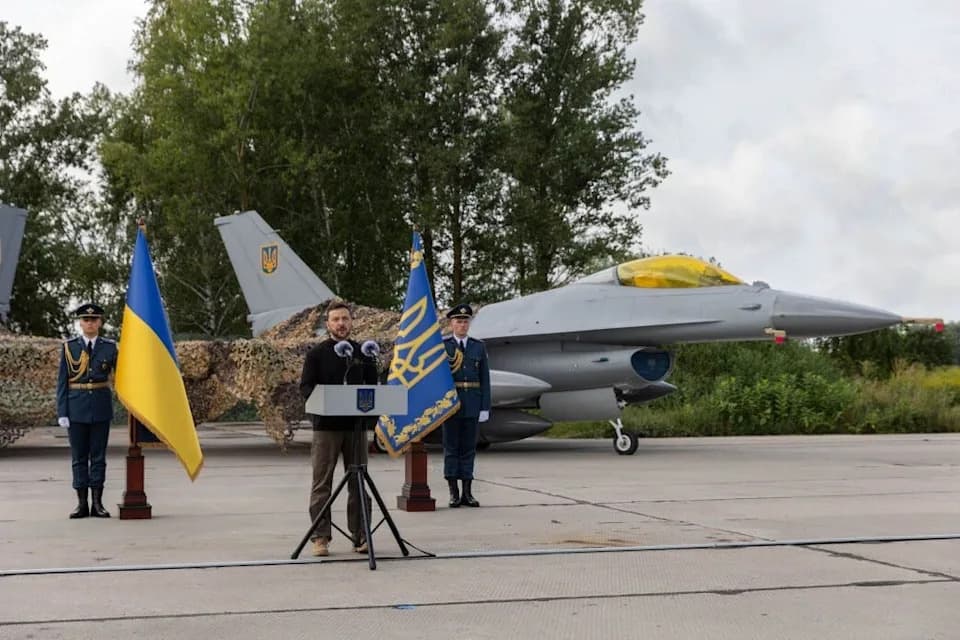
Ukraine's Western fighter jets came after delays and with restrictions and in small numbers.Ukrainian Presidency/Handout/Anadolu via Getty Images
Ukraine’s wartime ingenuity — from attack drones to interceptor UAVs and ground robots — has been driven in large part by gaps, delays, and restrictions in Western weapons deliveries. What began as improvised, budget-conscious solutions to immediate battlefield shortages has grown into a durable defense-industrial advantage that NATO partners are studying and, in some cases, adopting.
How shortages forced rapid innovation
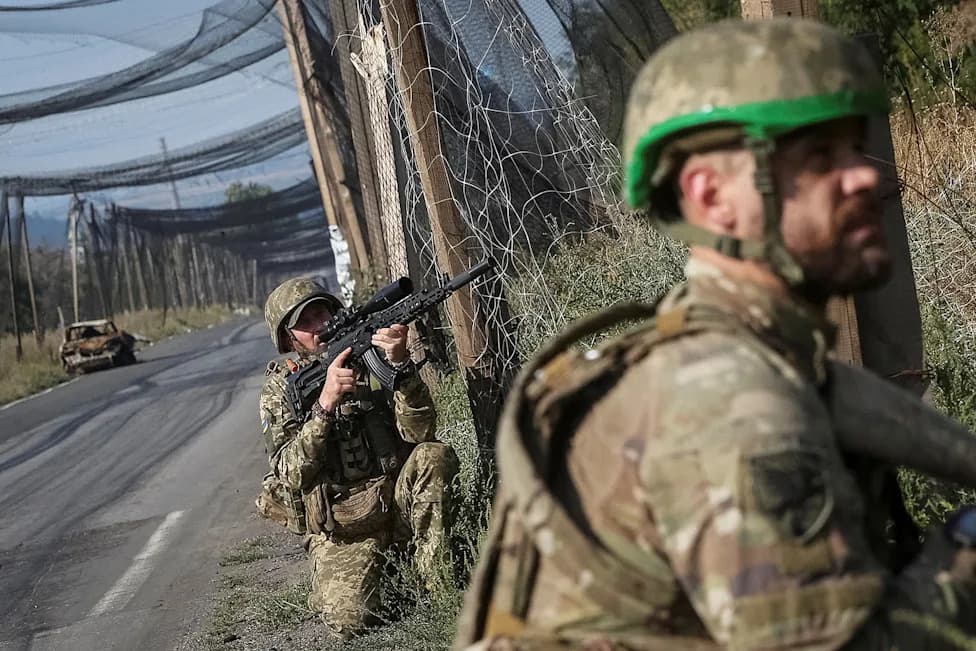
From the early days of the conflict, Kyiv repeatedly requested long-range missiles, tanks, fighter jets and other systems. Many requests were delayed, restricted in use, or approved in too-small numbers to be decisive. While allies sent billions in aid, deliveries were often slow and politically constrained.
“The coalition backing Ukraine has triggered this process by being hesitant in how much support they were providing to Ukraine,” Keir Giles, a senior consulting fellow at Chatham House, told Business Insider.
Faced with uncertain and sometimes limited foreign supplies, Ukraine pushed its defense industry and field units to build cheaper, rapidly produced alternatives. This necessity bred innovations in low-cost, easily iterated systems that could be produced and updated quickly.
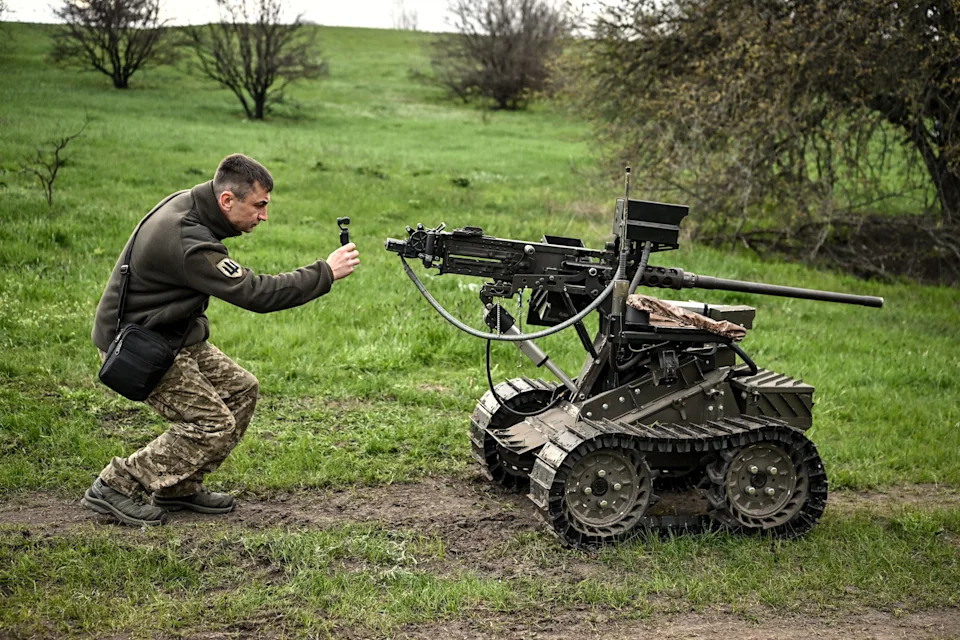
Ukraine has been pioneering in some areas of weaponry, like ground robots.Dmytro Smolienko/Ukrinform/NurPhoto via Getty Images
Key homegrown capabilities
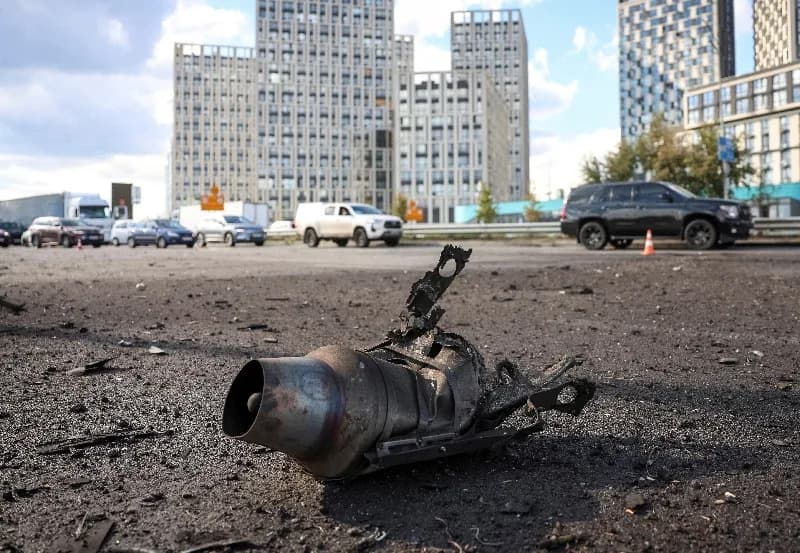
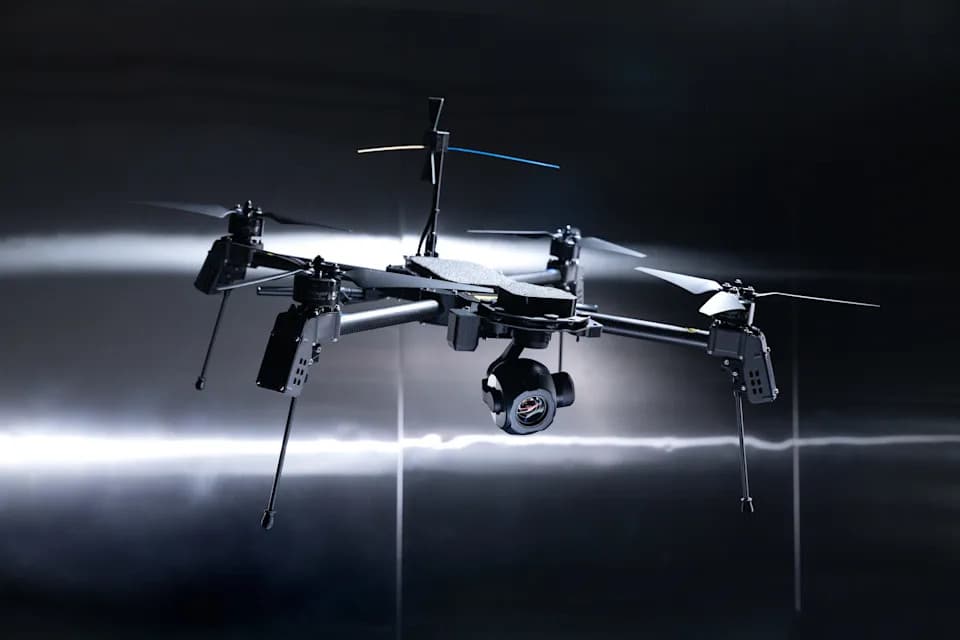
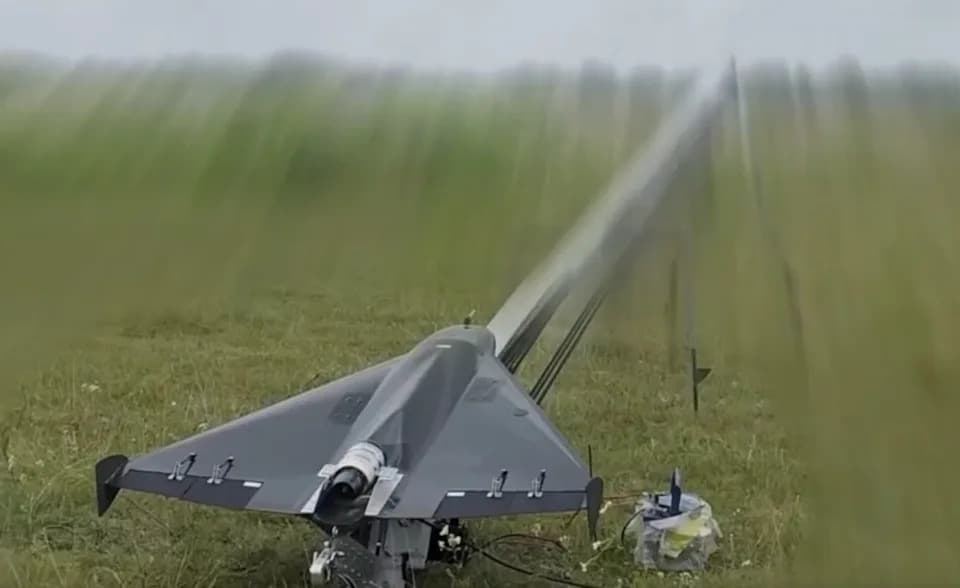
Uncrewed systems: Ukraine deployed attack drones at scale to make up for artillery shortfalls, using loitering munitions and FPV (first-person-view) drones for precision strikes. Kyiv also developed interceptor drones to defeat incoming one-way attack systems at a small fraction of the cost of traditional surface-to-air interceptors.
Ground robots: A growing fleet of ground robots has been used for assault roles, casualty evacuation and other tasks where heavy armored vehicles were unavailable or in short supply. While not a full substitute for tanks, these robots are far cheaper and quicker to produce in quantity.
Naval drones: Unmanned surface and subsurface systems have been used to threaten and damage Russian vessels, drawing international attention to maritime unmanned options as asymmetric tools.
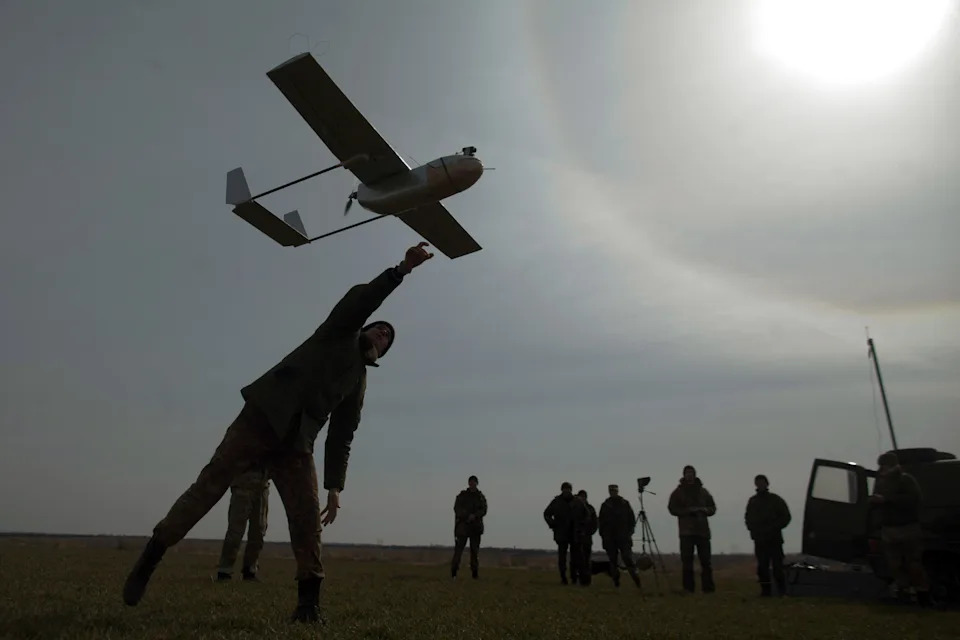
Partners want to learn as much as they can from Ukraine on drone warfare.PETRO ZADOROZHNYY/AFP via Getty Images
Why partners are paying attention
NATO and other partners are studying not only Ukrainian tactics but also how Ukrainian companies iterate designs, deploy rapid updates, and mass-produce cost-effective systems. Some countries are partnering with Ukrainian firms to manufacture locally or to transfer production know-how. Allied militaries are also incorporating Ukrainian frontline experience into training and doctrine.
“Because air defence munitions were in such critical short supply throughout the whole of the war, Ukraine had to develop its own techniques for dealing with this new aspect of warfare,” Keir Giles said.
Still reliant on heavy systems — but changing the balance
Kyiv still seeks high-end Western systems — notably fighter jets and layered air-defense networks — but its bargaining position has shifted. Rather than depend only on imported technology, Ukraine increasingly asks for predictable funding and support to sustain its own industry while retaining the ability to buy or license advanced systems when needed.
“If they'd got more equipment of what they wanted, they wouldn't have been driven to develop their own stuff quite so urgently,” Michael Clarke, a former UK security advisor, told Business Insider.
While delays and restrictions by partners likely cost Ukraine territory and lives early in the war, those constraints also helped create an adaptive, fast-moving defense sector whose tactics and production methods are now a source of practical lessons for allied militaries.
Former Australian Army Maj. Gen. Mick Ryan added that some innovations "may not have happened" without the pressure of equipment shortfalls.
Ukraine’s experience demonstrates how battlefield necessity can accelerate practical innovation: rapid prototyping, cheap mass production, and tight feedback loops between front-line units and manufacturers. Those lessons are now being studied, copied and adapted across allied forces.
Help us improve.