Ukraine says it has developed and fielded a new interceptor drone capable of destroying Russian jet-powered Shahed strike drones; President Volodymyr Zelensky shared footage and credited the SBU for a successful interception. Kyiv is evaluating four interceptor models on the front line while about 10 domestic manufacturers test prototypes. The move aims to ease pressure on ground air defenses as Russia increases launches of high-speed loitering munitions. The announcement coincides with a possible $2.7 billion U.S.-backed air-defense package to strengthen Ukraine's defenses.
Zelensky Releases Video of New Ukrainian Interceptor Drone Destroying Jet-Powered Shaheds
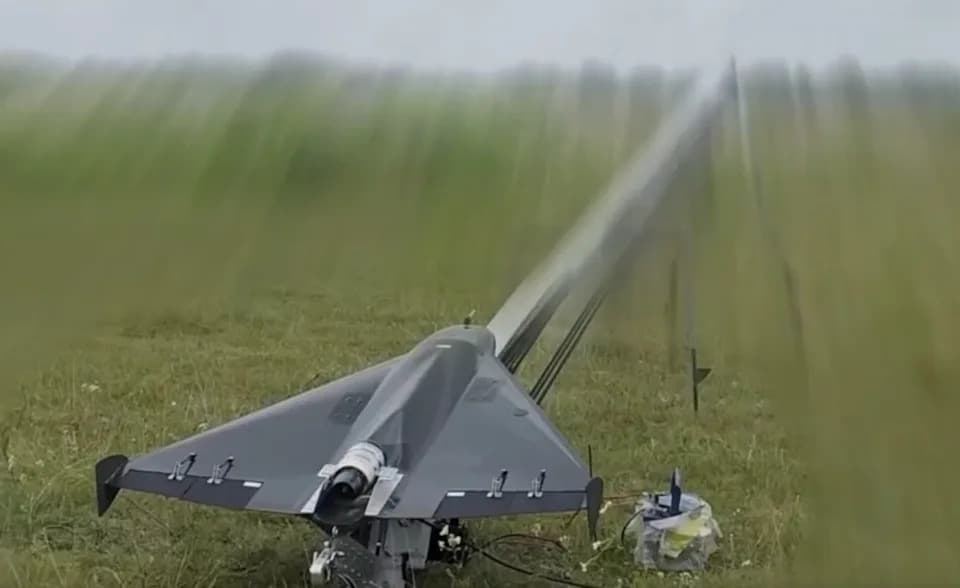
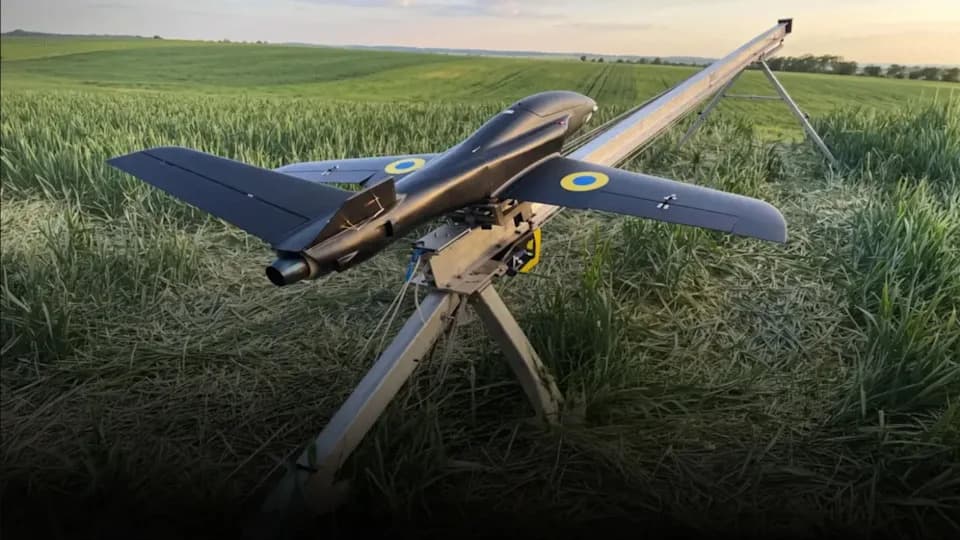
Screengrab from Ukraine's military shows a new interceptor drone unveiled by Kyiv.
Ukrainian authorities say they have developed and deployed a new interceptor unmanned aerial vehicle designed to destroy Russian jet-powered Shahed strike drones, and President Volodymyr Zelensky released footage he says shows the system in action.
Zelensky posted a short video on social media that appears to show the interceptor taking off, engaging and destroying a target. He credited the Security Service of Ukraine (SBU) and its military counter-intelligence after an operational briefing from SBU chief Oleksandr Poklad, calling it a "good result from the Security Service's military counterintelligence in countering jet 'Shaheds.'"
Russia has frequently used Shahed drones throughout the war with Ukraine, increasingly striking civilian infrastructure. Kyiv says the new interceptor is one step toward stronger protection and a more cost-effective way to counter fast, turbojet-powered loitering munitions.
Trials, Industry Response and Operational Role
Ukraine's Armed Forces are evaluating four advanced interceptor drone models in combat sectors along the front line as they seek lower-cost alternatives to expensive missile interceptors. About 10 domestic manufacturers are reportedly testing prototypes before submitting them for formal military codification, according to Kyiv Post.
Defense planners have prioritized interceptor drones to relieve pressure on ground-based air defenses as Russia increases launches of jet-powered Geran-4 and Banderol loitering munitions. These systems can travel at speeds of up to 400 miles per hour, reducing the effectiveness of conventional mobile anti-aircraft gun teams and propeller-driven interceptors.
International Support And Air-Defense Aid
The announcement coincides with a U.S. State Department notice that it has approved a potential $2.7 billion sale of air-defense systems, equipment and related services to Ukraine. Kyiv requested the package, which is reported to include S-300 clone and GAM-67 missiles, radar systems for countering drones, range-extended laser-guided air-defense systems, counter-drone radars, and mobile launcher modification kits. The proposed transaction would be financed through European contributions and U.S. Foreign Military Financing funds allocated under the previous U.S. administration.
The State Department said the package is intended to boost Ukraine's ability to meet current and future threats and strengthen regional security, and that "Ukraine will have no difficulty absorbing these articles and services into its armed forces."
Ukraine also faces shortages in some air-defense munitions, including Patriot interceptors, though U.S. congressional records indicate Washington may approve the transfer of 10 Patriot interceptor missiles from Germany to Kyiv.
Note: Newsweek and other outlets have contacted the Ukrainian armed forces for further comment on the new system and the released footage.
Screengrabs released by Ukraine's military show what Kyiv describes as the new interceptor drone. Officials say the goal is to field cost-effective systems that can neutralize high-speed jet drones and ease the burden on traditional air defenses.
Help us improve.