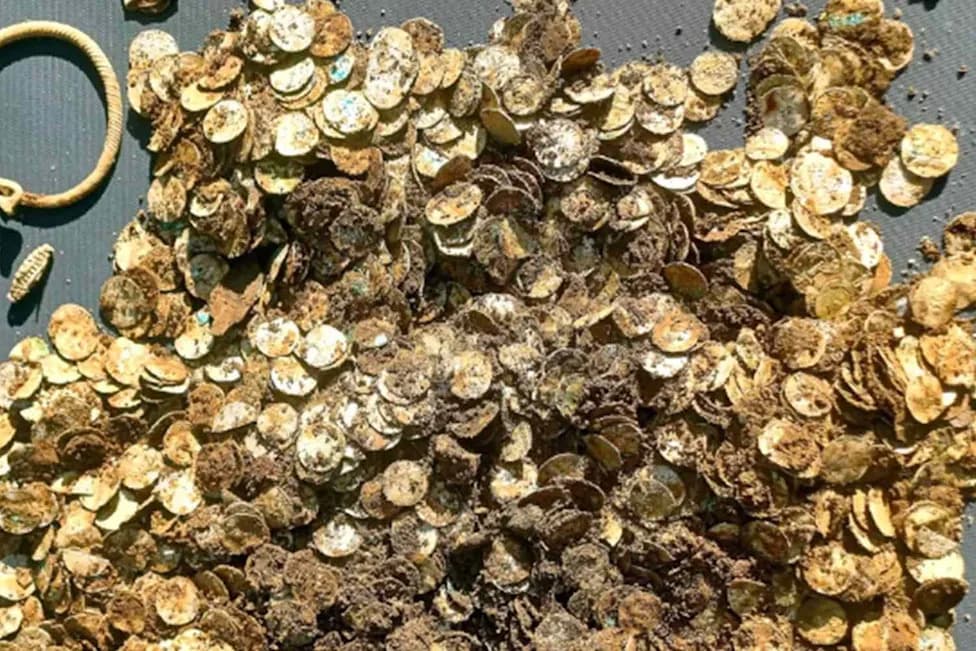
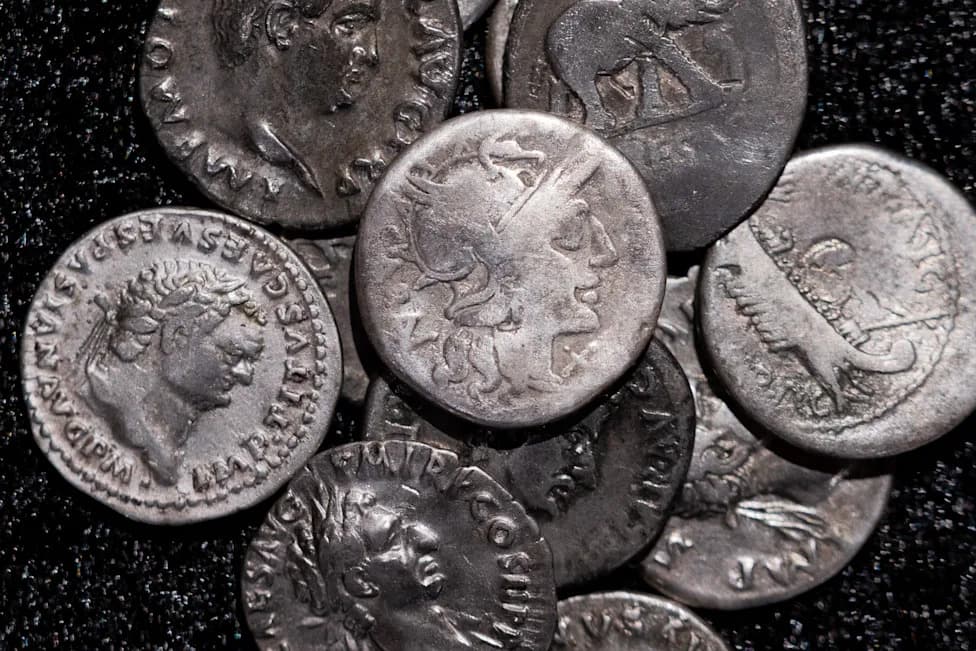
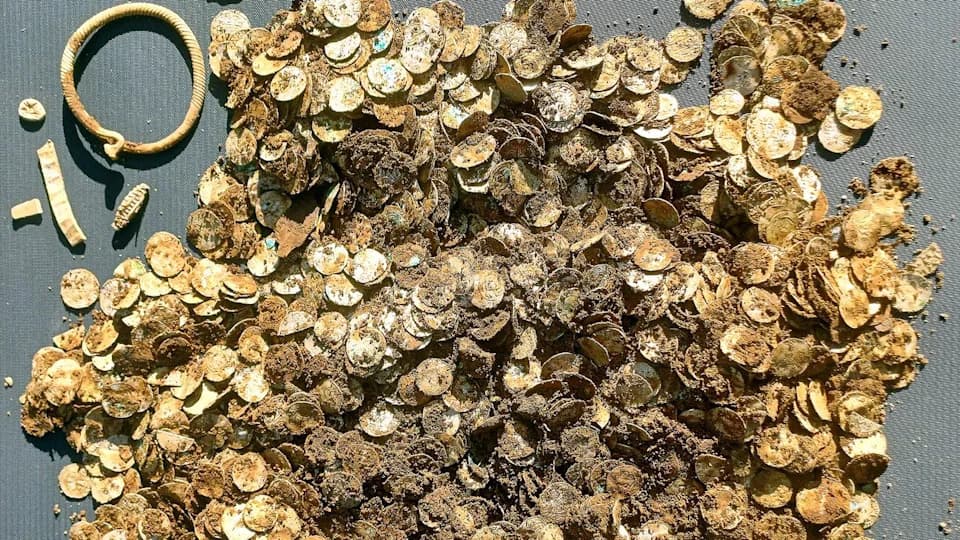
While out for a casual walk in 2024, a woman in the Kutnohorsk Region of the Czech Republic stumbled across an extraordinary archaeological find: a mostly smashed ceramic pot containing a dense cluster of more than 2,150 medieval silver coins, or denarii, dating to roughly the early 12th century.
Discovery and initial handling
Although the ceramic vessel was largely destroyed, the coins remained tightly packed and well preserved. Experts from the regional institute and the Czech Museum of Silver in Kutná Hora took charge of the find, securing, documenting and beginning initial study of the hoard.
Dating and historical context
The institute described the cache as one of the most significant archaeological finds of the past decade. Archaeologist Filip Velímský said the hoard was likely deposited during the first quarter of the 12th century, a period marked by internal political instability and disputes among members of the Přemyslid dynasty over the princely throne of Prague.
"It was probably placed in its place during the first quarter of the 12th century, at a time of internal political instability," Velímský said in 2024. "At that time, there were disputes in the country between the members of the Přemysl dynasty about the princely throne of Prague."
Who owned the hoard?
Specialists say the depositor likely had access to wealth far beyond an ordinary household. Velímský compared the hoard's value to "winning a million in the jackpot," noting the sum would have been immense and unaffordable for an average person of the time.
Attribution and minting
Early analysis linked the coins to three Přemyslid rulers—probably issued between about 1085 and 1107—with candidates including King Vratislav II and princes Břetislav II and Bořivoje II. Lenka Mazačová, director of the Czech Museum of Silver, has said the safest conclusion so far is that the denarii were most likely minted in Prague.
Metallurgy and unanswered questions
The denarii are made from a silver alloy containing copper, lead and traces of other elements. Researchers hoped to carry out metallurgical analyses to identify the silver's source and better understand trade and production patterns, but no public follow-up report on composition and sourcing has been released yet.
Conservation and display plans
In 2024, museum officials said staff would register, clean and conserve every coin and associated finds. They indicated the hoard could be ready for public display as early as summer 2025, though as of the latest public exhibition listings no dedicated denarii-hoard exhibition appears in the Czech Museum of Silver program.
What the hoard Can Reveal
The find offers a rare snapshot of early 12th-century monetary circulation and political life in central Bohemia. While it is tempting to interpret the stash as soldier pay, war booty or savings hidden during conflict, those interpretations remain speculative until further study provides clearer evidence.