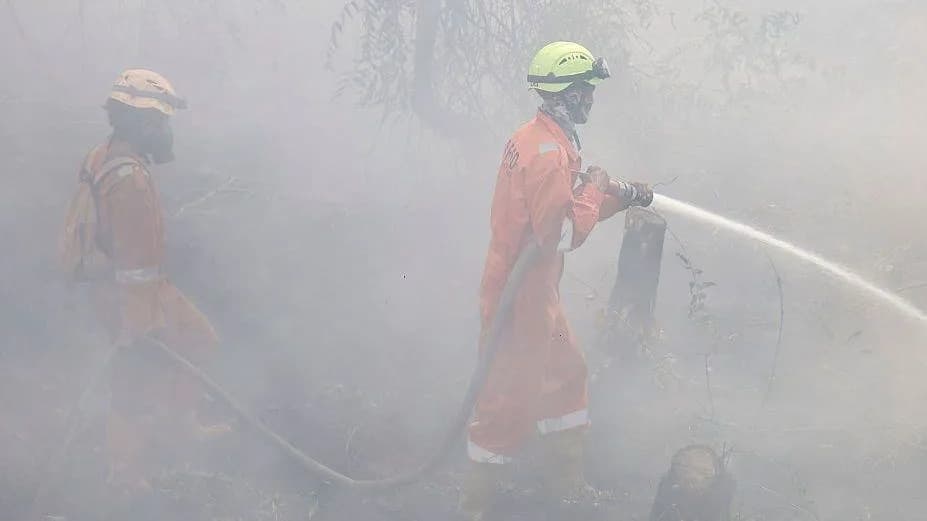
The Navotas landfill outside Manila has been smouldering as deep as 15 metres, producing methane-rich smoke that has forced nearly 500 island residents to evacuate to Obando. Authorities are capping the site with dredged soil to smother the subsurface fire — about 50% of the affected area is covered — while rejecting flooding to avoid liner damage. Air quality has improved but residents continue to report breathing problems and disrupted livelihoods; health agencies warn of possible long-term risks from landfill-fire emissions.
Underground Fire at Navotas Landfill Chokes Manila Bay Communities — Nearly 500 Evacuated
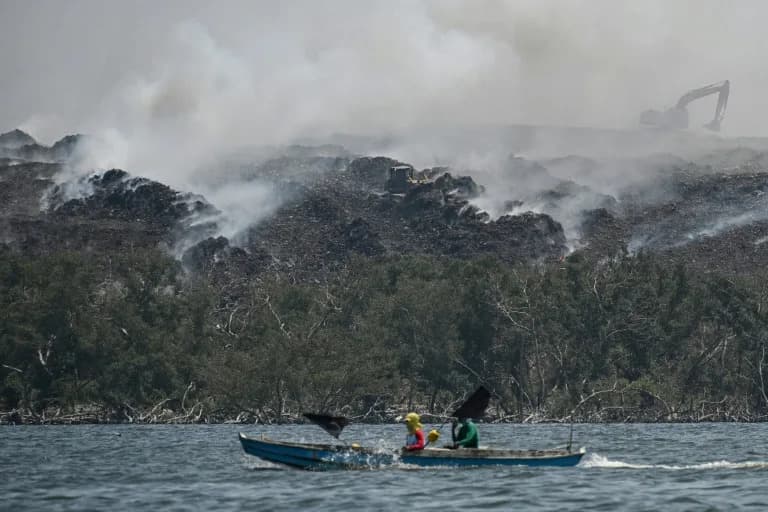
The fire at Metro Manila's Navotas landfill is largely invisible to the naked eye, combusting as deep as 15 metres (50 feet) (Ted ALJIBE)(Ted ALJIBE/AFP/AFP)
For almost three weeks, a persistent underground fire at the Navotas landfill has sent smoke and toxic gases over parts of Manila Bay, forcing nearly 500 residents from nearby islands to seek refuge in Obando town centre.
The blaze burns deep below the surface — authorities estimate it reaches as far as 15 metres (50 feet) into the refuse — and emits a hazardous mix of methane and carbon dioxide. Ferry dispatcher Dave Delos Reyes has been handing out N95 masks to passengers and neighbours to help protect them from the acrid smoke.
“Honestly, sometimes the smell is so strong that it can still seep through the N95 masks. It hurts our throat and heads,”
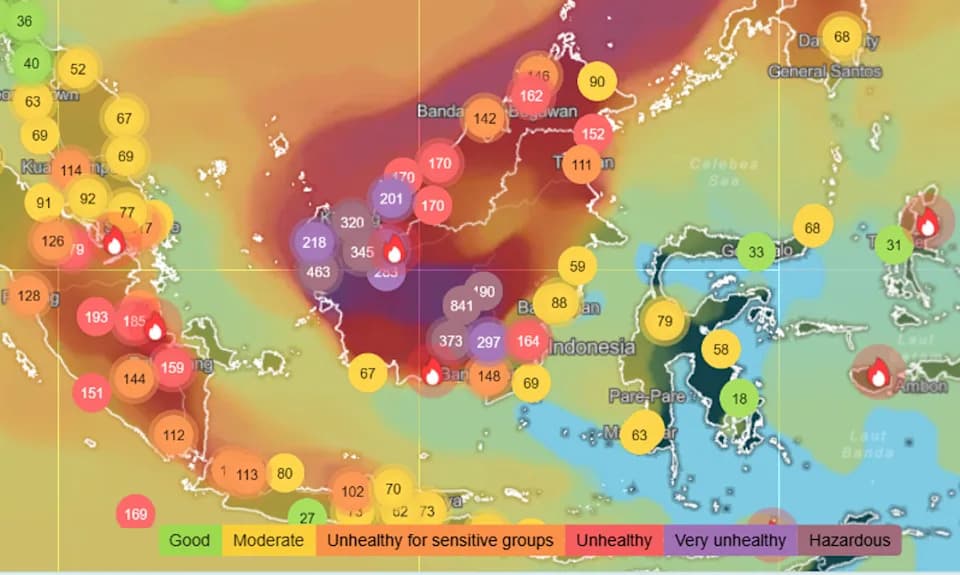
At its peak, the smoke reduced air quality across Metro Manila to readings classified as “acutely unhealthy.” Although monitoring agencies report improving numbers after intensive mitigation work, evacuees and local residents say the smoke still causes respiratory distress and disrupts livelihoods.
Why This Fire Is Harder to Fight
Superintendent Anthony Arroyo of Manila's fire bureau explained that subsurface landfill fires behave differently from surface blazes. They often start spontaneously as organic waste decomposes and produces heat; oxygen trickling into cracks then fuels combustion deep underground.
“It's not a typical fire with surface combustion or a blaze... there's layers of rubbish in a mountainous area, and below that... methane gas,”
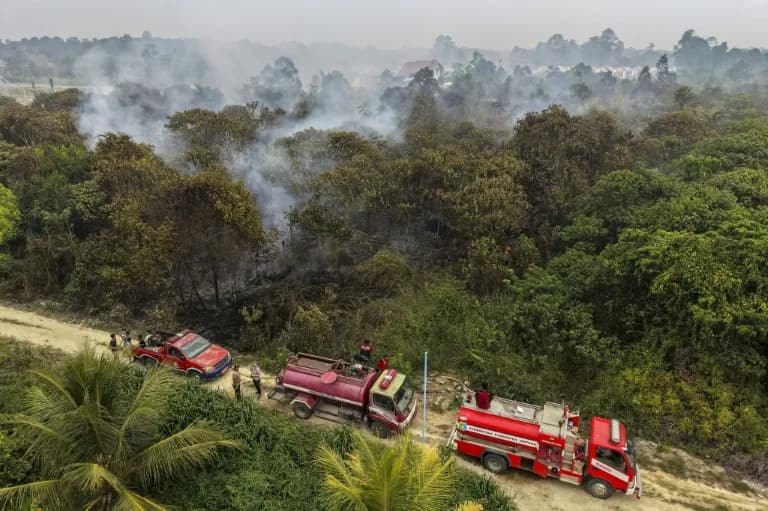
Flooding the site with water was rejected because it could damage the landfill’s impermeable liner and risk contaminating soil and groundwater. Instead, crews have been capping the affected area with dredged soil, inch by inch, to smother the fire by cutting off its oxygen supply. About 50% of the affected zone has been covered so far, but progress is slow where steep, unstable walls of refuse prevent heavy machinery from operating.
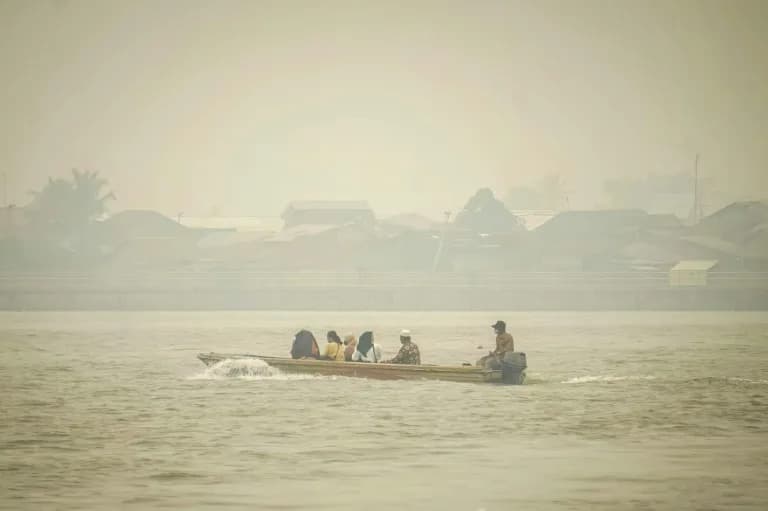
Reporters who visited by boat observed thick, grey smoke occasionally engulfing homes on Salambao island. Residents describe waves of smoke that last for minutes at a time, triggering coughing, chest tightness and breathing difficulties. Evacuees sheltering in crowded classrooms and temporary sites say they will not return until the smoke threat is gone.
“I'm slightly better now, but I'm still struggling to breathe normally... It's like I'm always catching my breath,”
Health authorities warn that emissions from landfill fires can contain harmful compounds linked to long-term illnesses. The US government's disaster agency has associated such emissions with increased risks of cancer, liver damage, skin rashes and reproductive problems. Local officials continue monitoring air quality while emergency teams work to fully extinguish the subsurface blaze and support displaced families.
What authorities are doing: distributing protective masks, capping the fire with dredged soil, monitoring air quality, and evacuating vulnerable residents until conditions are safe.
Help us improve.