The world's first summit dedicated to phasing out fossil fuels opened in Santa Marta, Colombia, with delegations from more than 50 countries. Convened outside UN climate talks, the meeting highlights growing concern that recent Middle East-related energy shocks strengthen the case for accelerating renewables for both climate and security reasons. Organizers do not expect binding commitments, but a scientific panel urged participants to consider halting new fossil-fuel expansion. Experts warn that existing reserves alone could push warming toward about 2.5°C by 2050 without faster action.
World's First Global Summit on Phasing Out Fossil Fuels Opens in Colombia
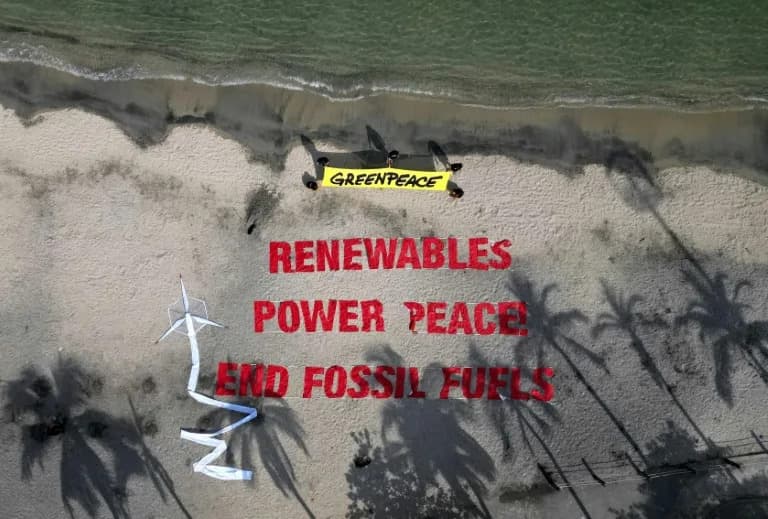
Colombia is hosting the first global conference on the transition away from fossil fuels. (Raul ARBOLEDA)(Raul ARBOLEDA/AFP/AFP)
Delegations from more than 50 countries gathered in Santa Marta, Colombia, on Tuesday to open the world's first dedicated conference on phasing out fossil fuels. The two-day summit aims to revive momentum for the global transition away from oil, gas and coal amid energy shortages and sharply rising fuel prices.
Colombia's Environment Minister Irene Velez Torres called on participants to seize the moment: "Let's make this a turning point in history." The meeting, held outside the United Nations climate framework, reflects impatience with the pace of UN negotiations on fossil fuels, the primary driver of global warming.
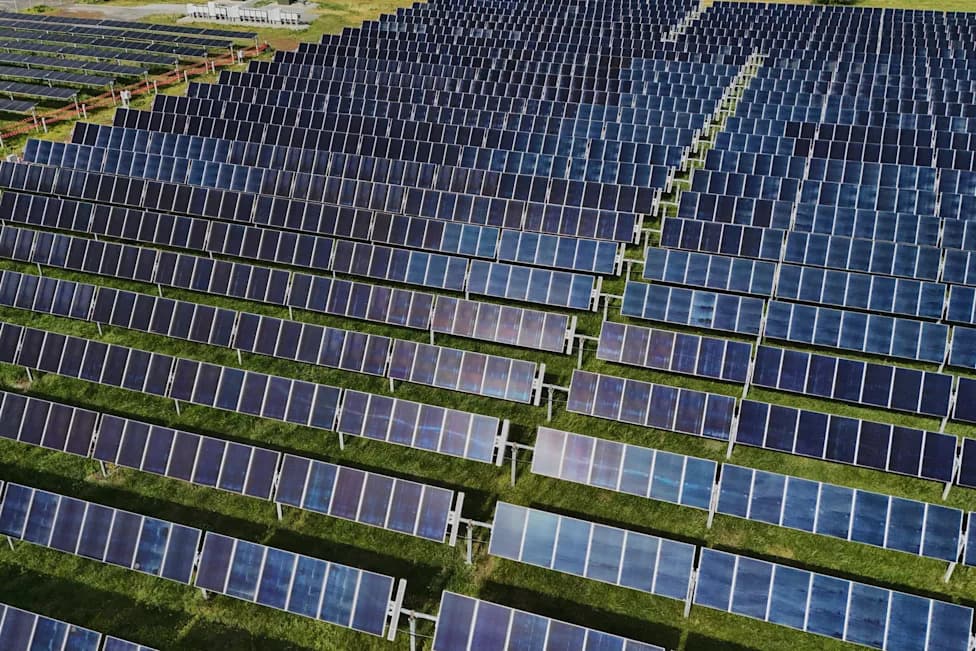
Speakers emphasized that the recent energy shock linked to the Middle East conflict—during which Gulf exports have fallen—has sharpened arguments for accelerating renewables on both climate and energy-security grounds. European climate envoy Wopke Hoekstra warned delegates: "We in Europe... are losing half a billion euros each day this war continues," adding that there are clear commercial and independence reasons to move away from fossil fuels.
Agenda, Attendees and Tensions
Organizers say the summit was planned late last year, but the Middle East war has increased urgency for discussing an orderly phaseout. Some governments, however, are considering short-term boosts to fossil fuel production to fill immediate supply gaps—illustrating the tension between long-term climate goals and near-term energy security.
Attendees include major producers such as Canada, Norway and Australia, rapidly expanding oil exporters like Nigeria, Angola and Brazil, coal-reliant emerging economies such as Turkey and Vietnam, and climate-vulnerable small island states. Notably absent are several of the world's largest greenhouse-gas emitters—the United States, China and India—as well as oil-rich Gulf states.
"People seem refreshed to be able to talk about these issues without having to... argue the existential question of — do we need to do this at all?" — UK special climate envoy Rachel Kyte.
Science, Policy Options and Protests
The summit is not expected to deliver binding commitments. A scientific advisory panel released a 12-point "menu" of policy options urging participating governments to consider measures including "halting all new and expanding fossil fuel extraction and infrastructure projects." Brazilian scientist Carlos Nobre, formerly of the UN climate advisory panel, said: "There is no justification whatsoever for any new exploration of fossil fuels."
Activists staged protests on the streets and beaches of Santa Marta—a major Colombian coal hub—underscoring public pressure for urgent action. Colombia, co-host with the Netherlands, remains economically dependent on coal and oil exports, as do several other developing producers present at the talks.
Analysis by the International Institute for Sustainable Development presented at the summit shows governments still direct roughly five times more public money to fossil fuels than to renewable energy—an imbalance summit delegates identified as a major barrier to faster clean-energy uptake.
Why This Matters
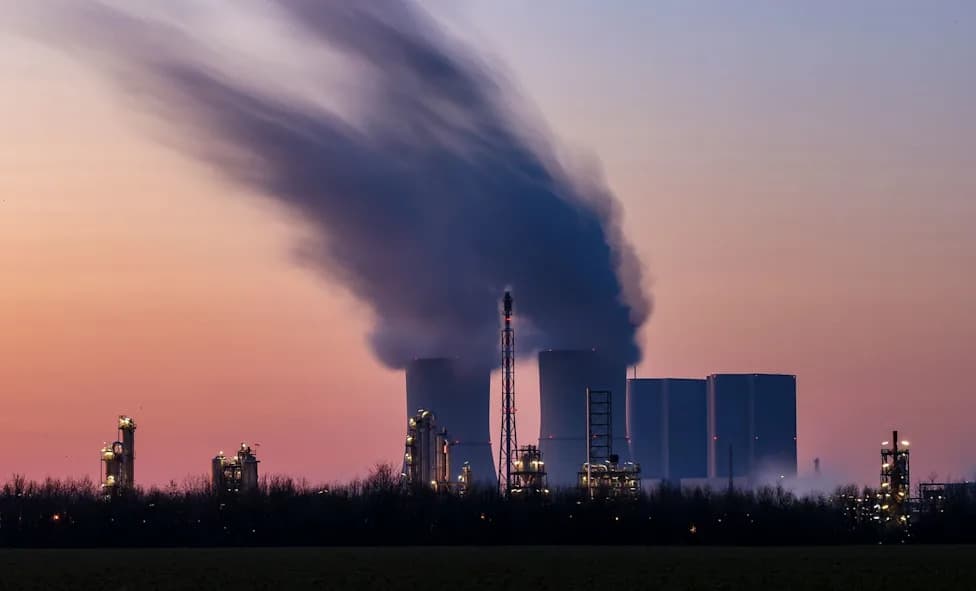
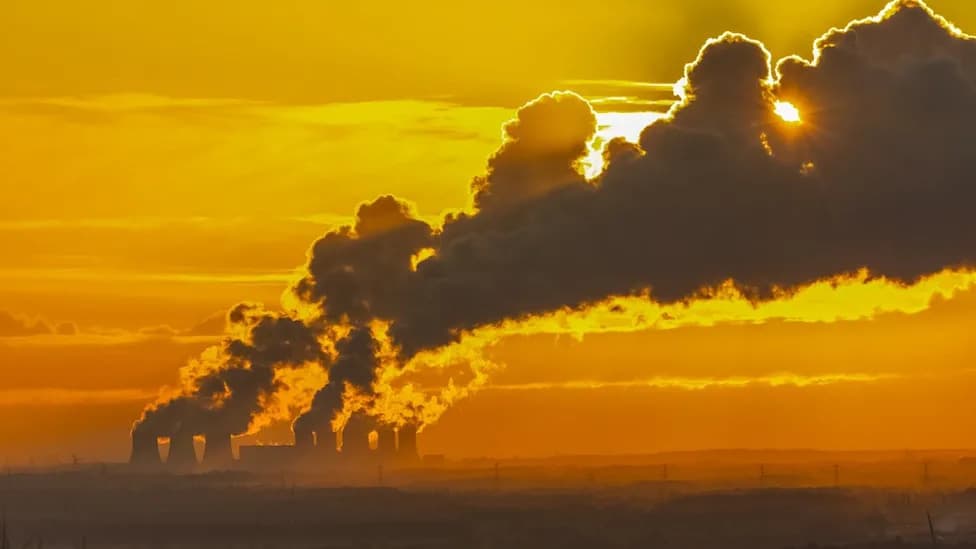
Scientists warn that even if no new fossil-fuel projects are approved, existing reserves could drive global temperatures toward roughly 2.5°C by 2050—well beyond the 1.5°C target associated with avoiding the worst climate impacts. That trajectory raises risks of large-scale, irreversible losses, from coral reef collapse to rapid ice-sheet decline in Greenland.
Delegates at Santa Marta will discuss equitable pathways to reduce fossil fuel production and consumption, reform subsidy regimes that hinder renewables, and explore finance and transition support for nations reliant on fossil-fuel revenues. While immediate outcomes may be modest, the conference represents a new, focused platform for debating a managed global exit from fossil fuels.
Help us improve.