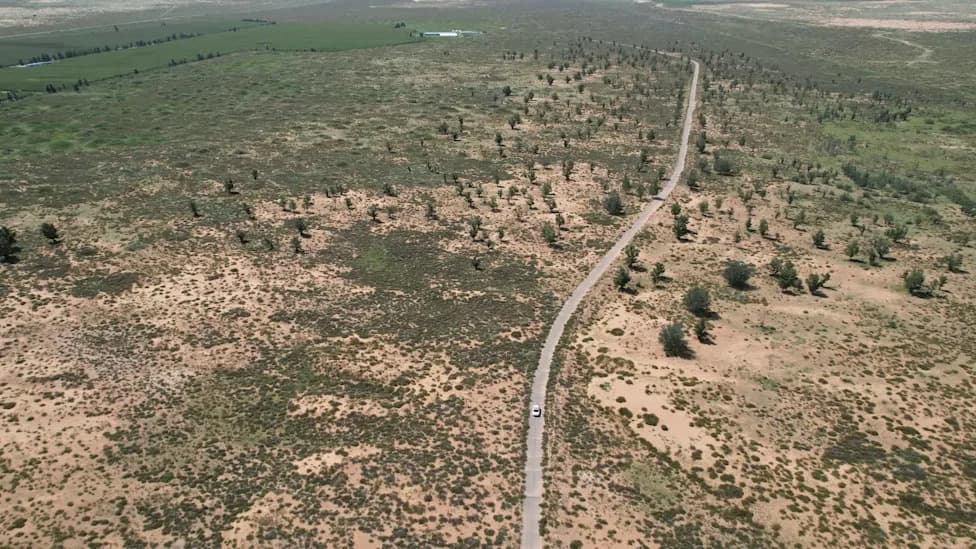
China’s long-running reforestation programs—including the Three-North Shelterbelt and later national initiatives—have dramatically increased tree cover, with estimates of roughly 78 billion trees planted since the early 1980s. A 2025 study in Earth’s Future shows vegetation growth raised evapotranspiration between 2001 and 2020, redirecting moisture toward the Tibetan Plateau while reducing water availability in eastern and northwestern China. Given that northern China holds a large share of people and farmland but a small share of water, the authors recommend integrating hydrological impacts into future reforestation planning to avoid unintended water shortages.
China Planted Roughly 78 Billion Trees — And It Reshaped The Country’s Water Cycle
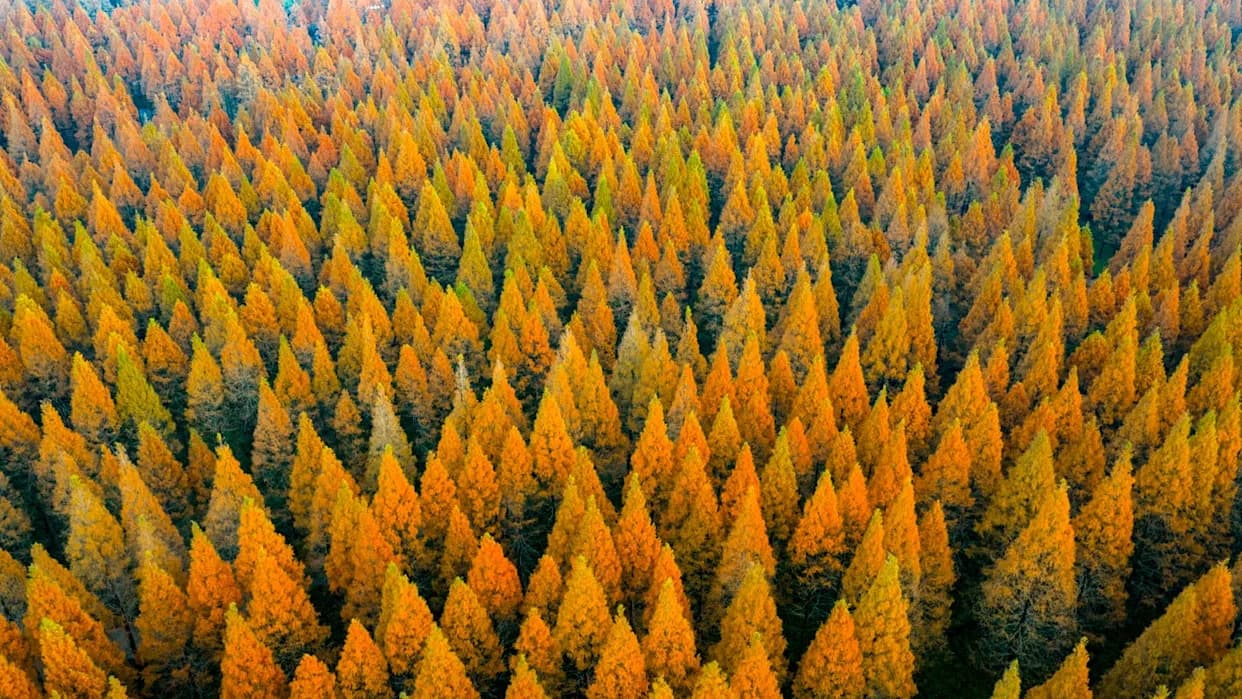
China’s Regreening Has Messed Up Its Water CycleNurPhoto - Getty Images
China’s massive reforestation drive has restored large swaths of land, but research shows planting billions of trees has also changed how water moves across the country.
New research published in Earth’s Future (2025) finds that large-scale greening between 2001 and 2020 increased evapotranspiration—the combined effect of evaporation and plant transpiration—shifting precipitation and redistributing water between regions.
What China planted and why
Beginning with the Three-North Shelterbelt (the "Great Green Wall") in 1978 and later programs such as the Grain for Green Program and the Natural Forest Protection Program (both launched in 1999), China expanded forest cover dramatically. Reuters reports roughly 116,000 square miles of new forest were added, raising tree cover from about 10% in 1949 to roughly 25% by 2024. Some estimates put the number of newly planted trees since the early 1980s at about 78 billion.
What the study found
Scientists from Tianjin University, China Agricultural University and Utrecht University analyzed land-use and land-cover changes from 2001–2020 and found that increased vegetation elevated evapotranspiration. That change in surface moisture fluxes altered atmospheric circulation of moisture, redirecting rainfall and available water.
"These shifts caused changes in precipitation, directing more moisture to the Tibetan Plateau, which saw an increase in water availability," the authors wrote. "In contrast, eastern and northwestern China experienced a decrease in water availability, with the northwest losing the most due to substantial moisture moving to the Tibetan Plateau."
Specific land conversions mattered. For example, converting grasslands to forests tended to raise local evapotranspiration and precipitation but did not always increase usable water—in some cases it reduced downstream water availability.
Why this matters
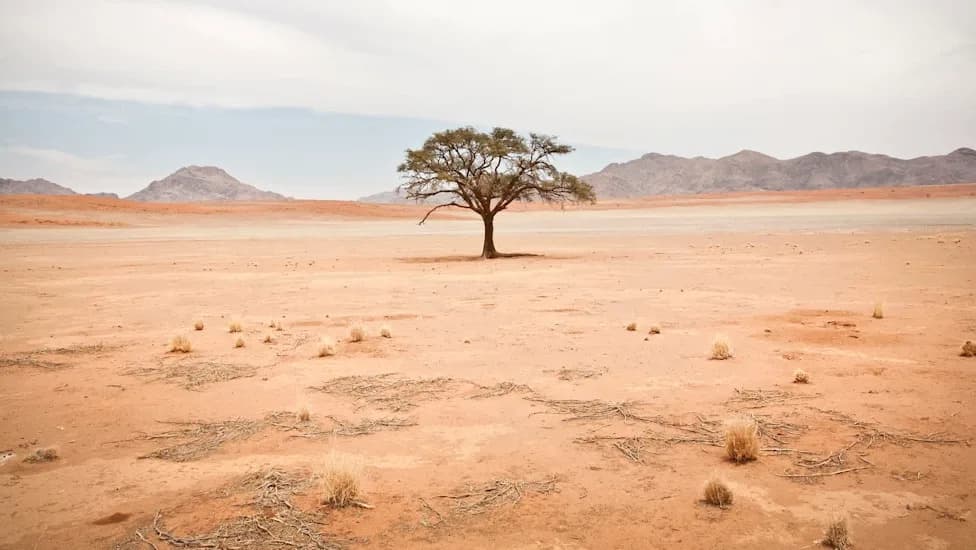
The geographic pattern of these changes is important because water, population and farmland are unevenly distributed in China. The study notes that northern regions contain roughly 46% of the population and more than half of arable land, yet receive only about 20% of national water resources. Drying trends in eastern and northwestern regions therefore have serious implications for agriculture, water security and livelihoods.
Recommendations
The authors recommend that future afforestation and restoration projects explicitly account for regional hydrological impacts. In practice this means planning tree planting with attention to species choice, location, density and the downwind water effects so that greening efforts do not inadvertently worsen water stress in populated or farmed regions.
Bottom line: Large-scale reforestation delivers clear environmental benefits, but when deployed at continental scale it can reshape the water cycle. Integrating hydrology into land-use planning will be essential for balancing reforestation goals with water security.
Help us improve.