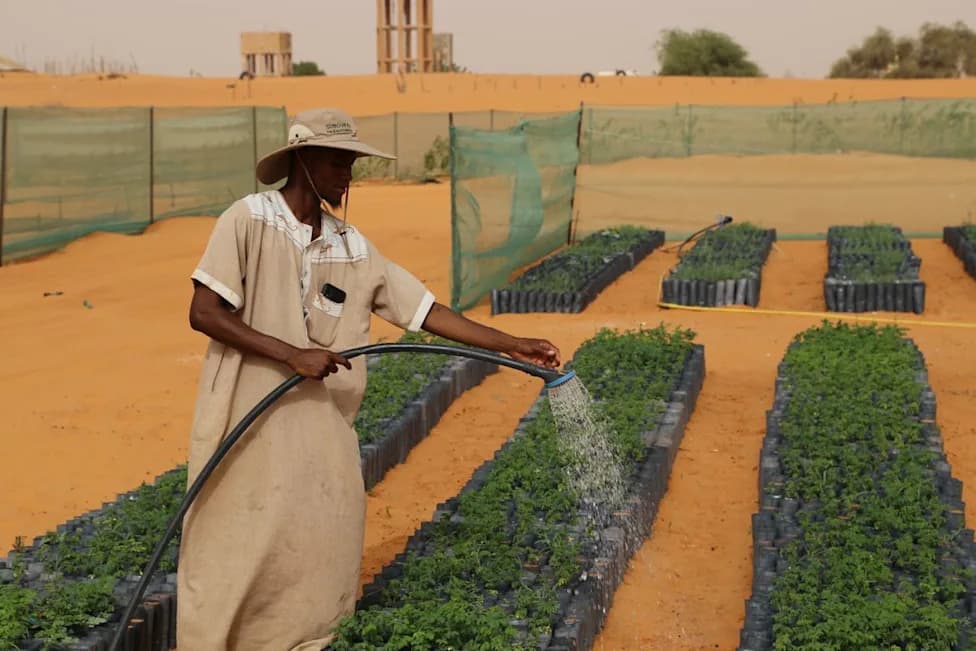
Halima Kedir of Berbere district in Oromia transformed her plot by planting thousands of banana, olive and grevillea trees despite initial ridicule. Her efforts persuaded neighbours to adopt similar practices and helped spark a broader local restoration movement supported by WaterAid Ethiopia, which distributed roughly 55,000 seedlings with an estimated 85% reported success. Nationally, Ethiopia's Green Legacy Initiative reports large-scale planting and improvements in forest cover, though seedling survival rates remain under independent review.
From Mockery To Movement: Ethiopian Farmer Plants Thousands Of Trees And Inspires Her Community
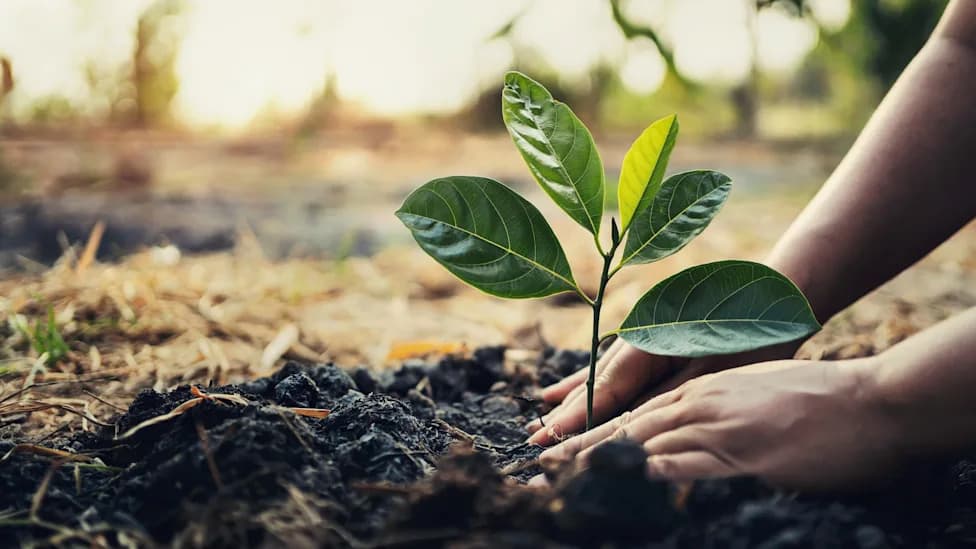
Photo Credit: iStock
When Halima Kedir began planting trees on her small plot in Berbere district, Oromia, many neighbours scoffed. Over time, the woodlots she developed — hundreds of banana, olive and grevillea trees — transformed her garden, persuaded others to follow and helped seed a broader local restoration effort.
Local Determination, Visible Results
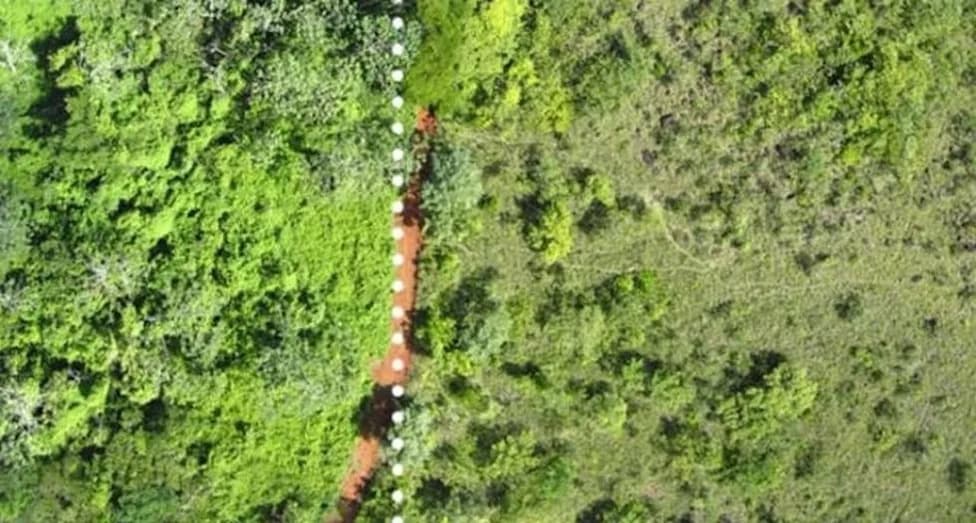
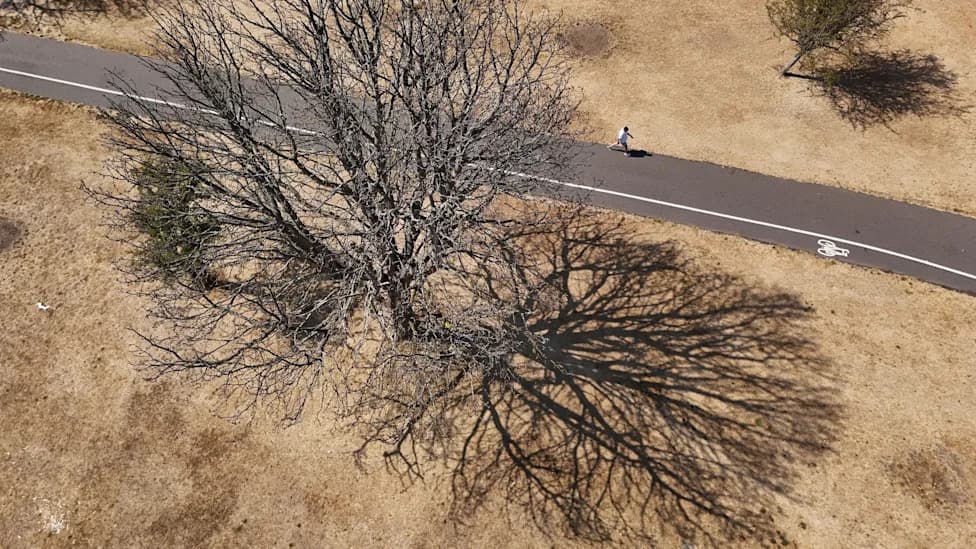
Kedir's work stands out against a troubling national backdrop: Ethiopia lost roughly 560,000 hectares (about 2,160 square miles) of tree cover between 2000 and 2025 because of expanding farmland, logging and charcoal production, according to The Guardian. While the scale of loss is large, community-led efforts like Kedir's offer tangible examples of how households can restore landscapes and bolster food and water security.
'My neighbours discouraged me,' she said. 'They thought I was striving for nothing, but with time, many are realising that trees can be part of the solution to our problems as a way to fight climate change and food insecurity.'
National Programs And Community Support
Authorities credit the Green Legacy Initiative (GLI), launched in 2019, with measurable progress: annual deforestation is reported to have fallen from about 92,000 hectares in 2013 to 27,703 hectares in 2023, and national forest cover is said to have risen from 15.5% to 23.6%. Officials also report that roughly 48 billion trees have been planted under the campaign since 2019, with a target of 50 billion by 2030. These figures are significant but subject to continued verification and independent assessment.
Local partners have helped scale the work. With backing from WaterAid Ethiopia, distribution efforts reached thousands of households across nearby kebeles (neighbourhoods). Alebachew Adem, director of WaterAid Ethiopia, said the organisation distributed about 55,000 indigenous seedlings to households and community institutions in the area, reporting an approximate 85% success rate for those seedlings.
Keeping Seedlings Alive: The Hard Work
Maintaining young trees requires persistent care in Berbere's dry conditions. Kedir sometimes spends an hour fetching water to irrigate seedlings. She links that devotion to the Oromo tradition of guddifachaa, saying:
'Just like we adopt a child in our tradition, I see them like my own children.'
Government technical committees have produced GLI survival estimates — for example, an estimated 83.4% average seedling survival for 2019 and 79% for 2020 — but those numbers have been debated. Yitebitu Moges, coordinator of the REDD+ programme for the U.N. Environment Programme in Ethiopia, says researchers are building and committing to a more systematic assessment of survival rates.
Why It Matters
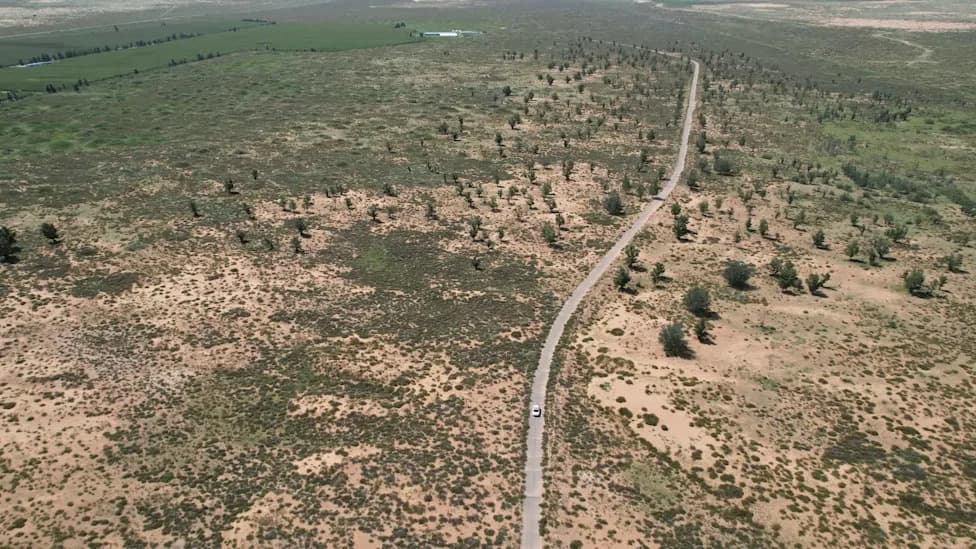
Expanding tree cover in drought-prone regions can improve soil structure, retain moisture, support biodiversity, provide shade, stabilise farmland and reduce erosion — all benefits that strengthen resilience to climate shocks and food insecurity. At the national level, Ethiopia's parliament established the Green Legacy and Landscape Restoration Special Fund and allocated between 0.5% and 1% of the federal budget (from a 2.339 trillion birr annual budget) to restore degraded landscapes.
Kedir's example illustrates how persistent local action, supported by NGOs and national programs, can shift attitudes and produce visible environmental and social benefits. Her neighbours' initial mockery has given way to imitation and, potentially, to a wider community movement in landscape restoration.
Help us improve.