Florida’s orange industry has collapsed from 242 million boxes in 2003 to a USDA projection near 12 million in 2026, driven by citrus greening (HLB), hurricanes, degraded soils and land conversion. Temporary measures such as oxytetracycline injections provide short relief while GMO and other long‑term solutions remain years away. Processing and packing infrastructure has been gutted, major growers are abandoning production or repurposing land, and much orange juice now comes from abroad. Recovery, if possible at scale, will take a decade or more.
The Orange That Built Florida Is Dying — How HLB, Hurricanes and Development Collapsed the Citrus Industry
Scott McIntyre
Quiet fell over a modest crowd as the 2026 Florida Citrus Show opened. A speaker’s brittle optimism — “It should be a great day. Rain should hold off today, even though we definitely need more rain” — landed with little laughter. The hush reflected more than seasonal worries: it reflected an industry in existential decline.
Scott McIntyre
From Dominance to Near Disappearance
Florida’s orange industry once defined the state’s economy and identity. In 2003 the state produced about 242 million boxes of oranges (a box ≈ 90 pounds). Less than 25 years later the U.S. Department of Agriculture projected roughly 12 million boxes — a decline exceeding 95% from that peak. Many growers at the Citrus Show believed even the USDA number was optimistic.
Scott McIntyre
The Disease That Won’t Quit: HLB
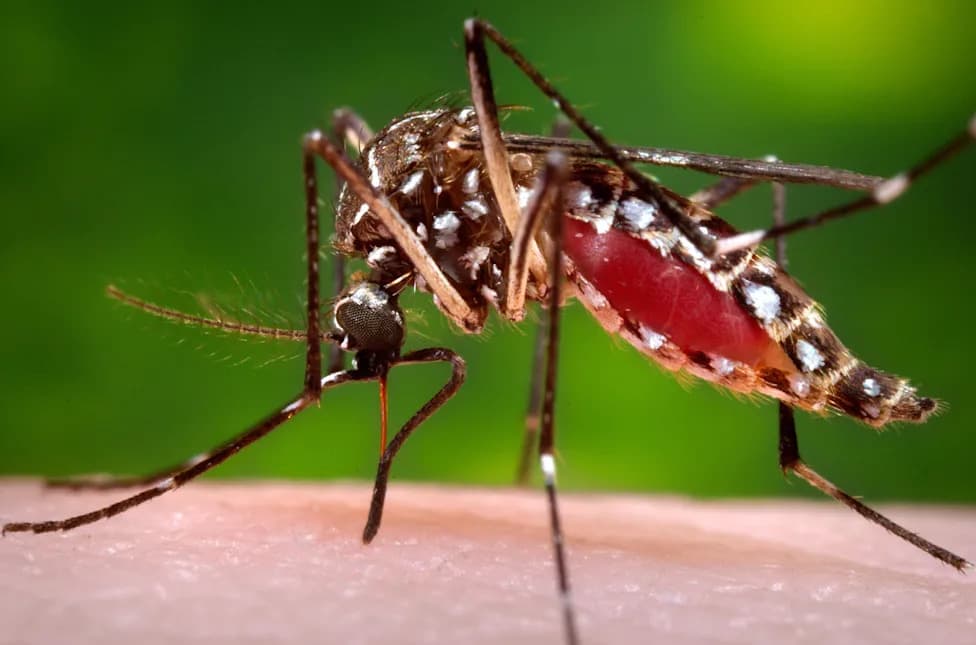
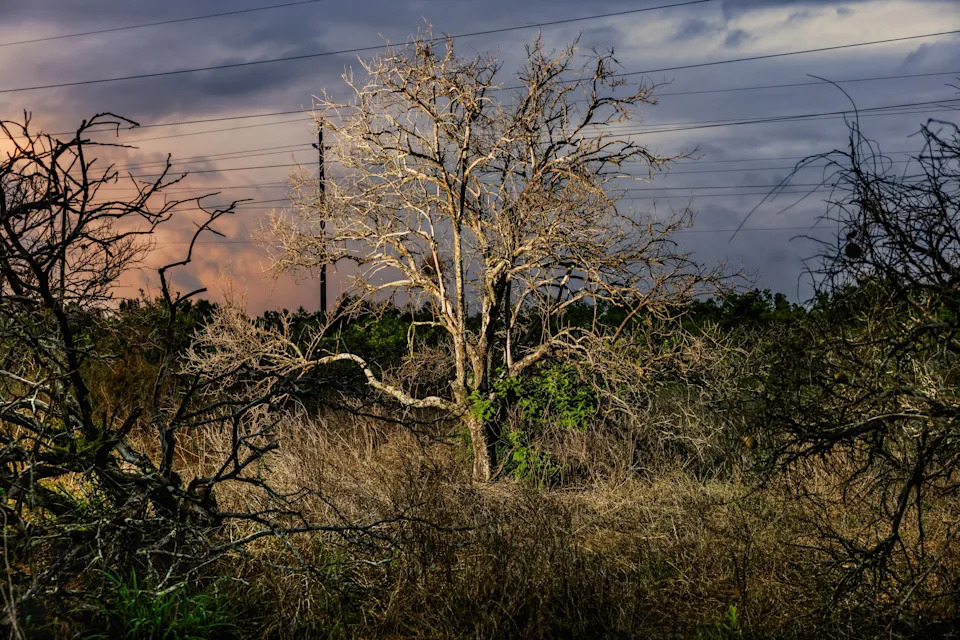
Citrus greening disease, Huanglongbing (HLB), first showed up in Florida groves around 2005 and is spread by the tiny Asian citrus psyllid, likely introduced near Miami in 1998. The bacterium attacks the tree’s vascular system; symptoms usually take three to five years to appear, by which time infection is well established. The University of Florida now describes HLB as effectively incurable: infected trees typically become unproductive and eventually die.
Scott McIntyre
Short-Term Fixes and Long-Term Research
Growers have tried many tactics. One current stopgap is trunk injections of oxytetracycline (OTC), an antibiotic that can suppress bacterial symptoms for months and temporarily improve leaf color and fruit quality. OTC is expensive, labor‑intensive and not a cure; trees tend to re‑infect. Researchers are also developing genetically modified and disease‑tolerant trees, but realistic timelines for commercial fruiting range from roughly 5 years to first fruit (optimistic) to 10–18 years (more realistic), leaving most growers operating on borrowed time.
Scott McIntyre
Compounding Threats: Weather, Pests and Chemicals
Hurricanes in recent years — including Irma, Ian, Idalia and Milton — battered groves that historically were sheltered, stressing shallow roots and weakening trees already compromised by disease. Decades of intensive monoculture and heavy herbicide use (notably widespread glyphosate adoption since the 1970s) degraded soil health and resilience. Other pests and diseases (root nematodes, citrus canker, and the more recent citrus black spot) further multiply management challenges.
Scott McIntyre
Industry Unraveling: Processing, Ownership and Markets
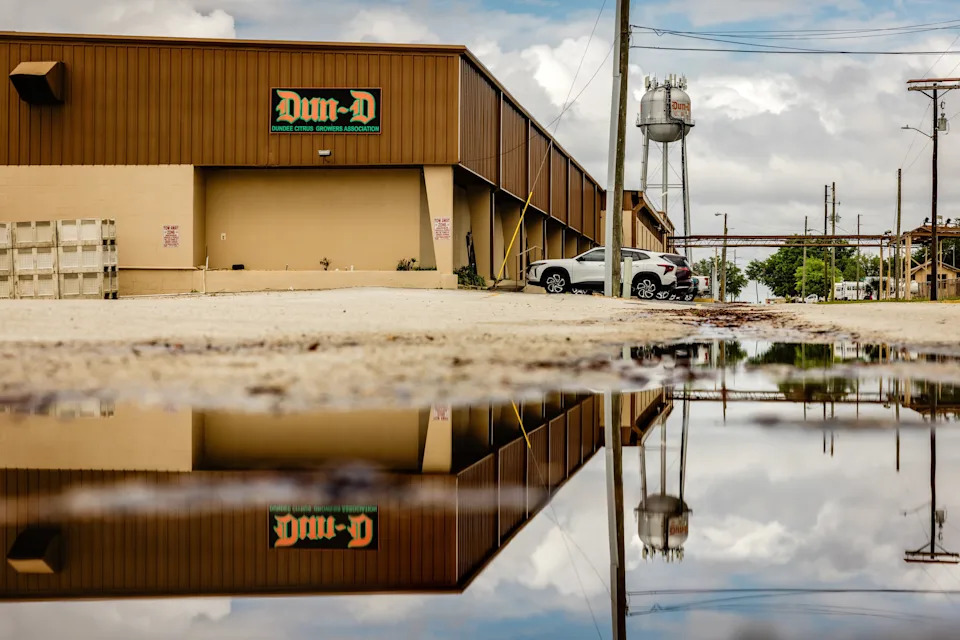
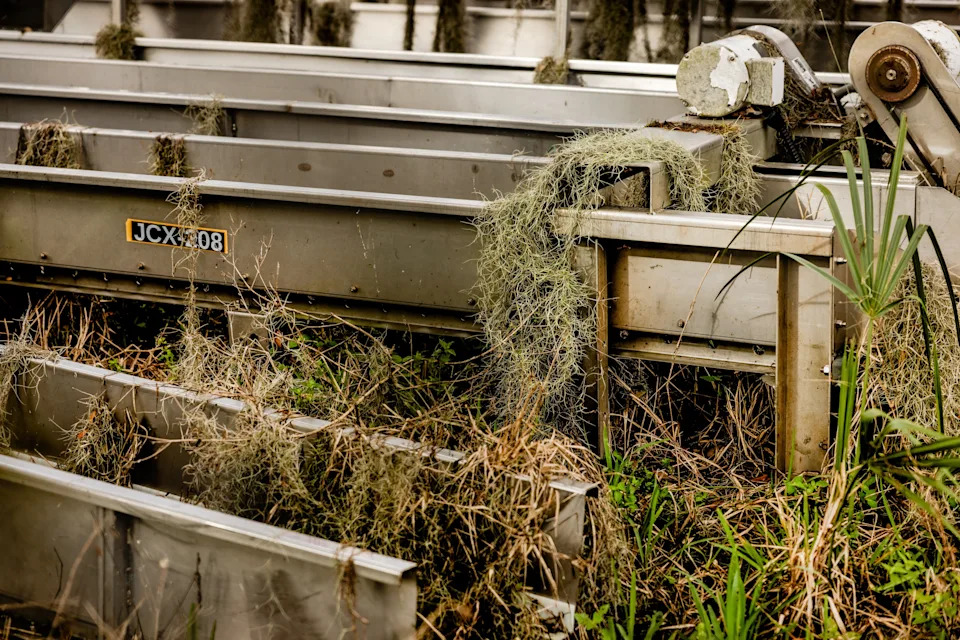
Infrastructure has collapsed alongside production. Packinghouses in Florida fell from about 88 to 8, while processing facilities that once numbered 53 are now roughly 4. Major corporate moves and financial engineering hastened the shift: Tropicana moved from long‑time corporate stewardship into private‑equity ownership (PAI Partners in early 2022), and processors consolidated or moved sourcing offshore. Today much U.S. orange juice is sourced from Brazil, Costa Rica and Argentina and shipped to Florida for packaging. Meanwhile, Brazil itself is seeing rising HLB infection — Fundecitrus reported a record 47.63% infection in 2025.
Scott McIntyre
Land Use Change: Development, Solar and Data Centers
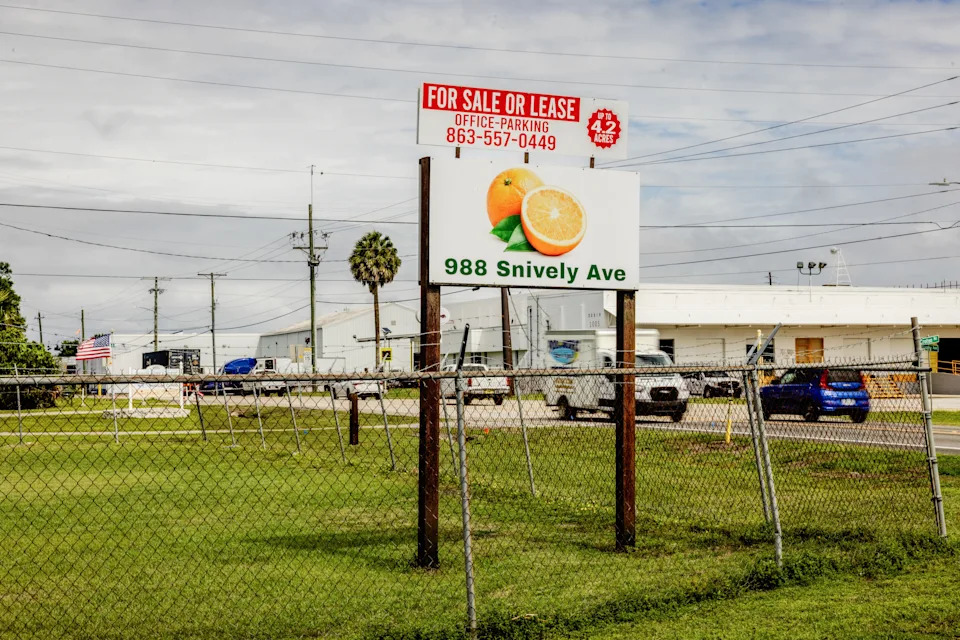
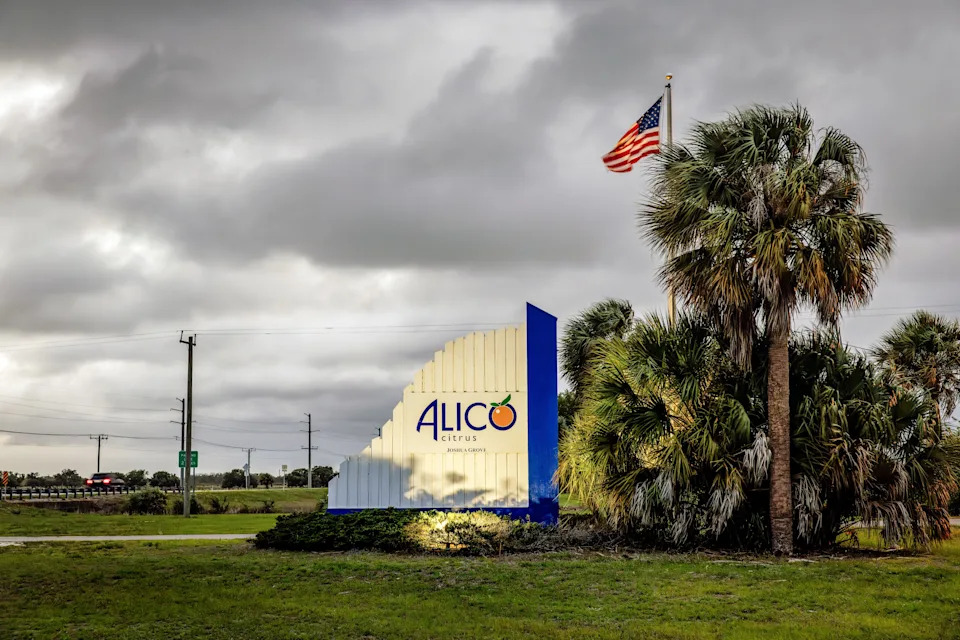
As groves declined, landowners sold valuable sandy uplands to developers, solar companies and hyperscale data centers. Policy shifts after the 2007 recession reduced growth‑management constraints, accelerating sprawl. Polk County and other former citrus strongholds are among the fastest‑growing regions in the U.S.; former groves now host housing developments, grocery parking lots and industrial projects. Large growers have converted land at scale: in January 2025 Alico announced it would cease orange production and began clearing roughly 53,000 acres, repurposing much for development, row crops, grazing, mining and energy extraction.
Scott McIntyre
People, Places and What’s Left
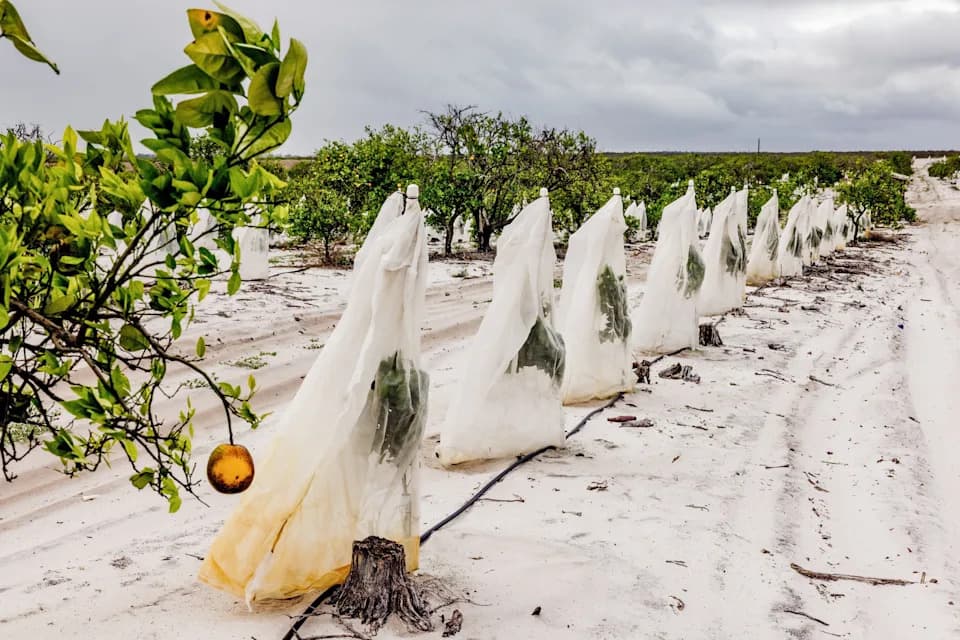
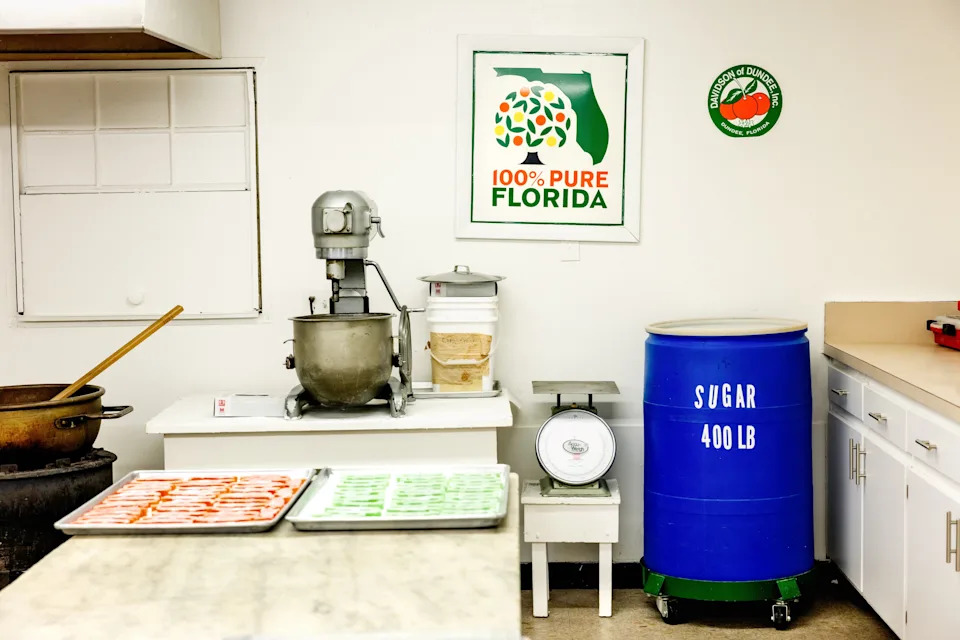
Communities built around packinghouses and processing plants have lost jobs and identity as facilities shuttered or shifted to cold storage for imported juice. Test groves, protective screens and high‑density plantings show promise in pockets, but they represent a very different model: shorter tree lifespans, quicker production cycles and far greater reliance on technology and intensive inputs. For many growers the choice is stark: continue costly treatments, sell, or convert land to other uses.
Scott McIntyre
Outlook
The forces arrayed against Florida citrus are interlocking: a nearly ubiquitous bacterial disease, extreme weather, degraded soils from decades of chemical‑heavy agriculture, market shifts and land conversion driven by policy and profit. Temporary treatments may extend the life of some groves; transformative solutions — scalable disease‑tolerant genetics, major changes to management practices, or significant market shifts — will likely take a decade or more to materialize. For now, the orange that once sat on countless American breakfast tables is being produced elsewhere while Florida’s citrus landscape and communities are irrevocably changing.
“It’s been a dumpster fire of a year,” Rick Dantzler, COO of the Citrus Research and Development Foundation, told growers — a candor that captured both the industry’s loss and the slim, stubborn will to keep trying.
Help us improve.