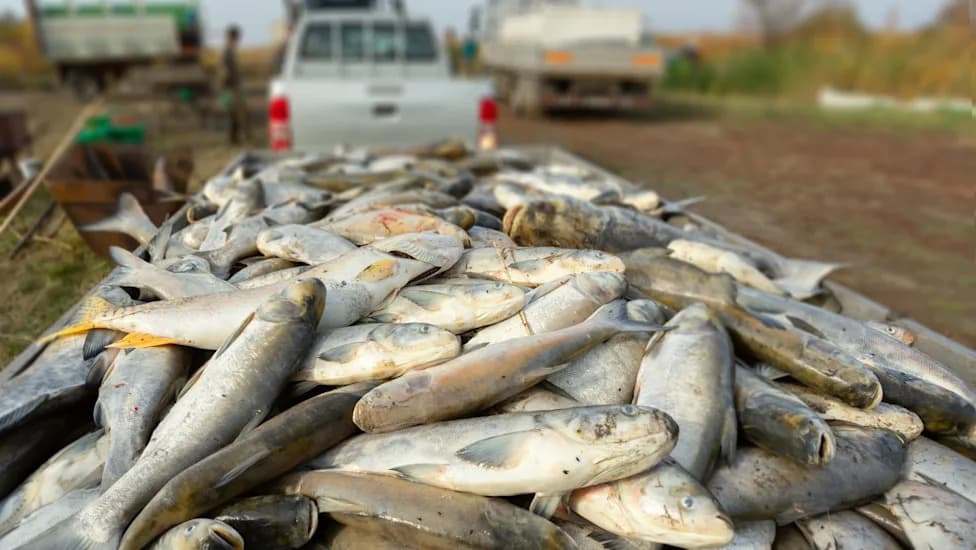
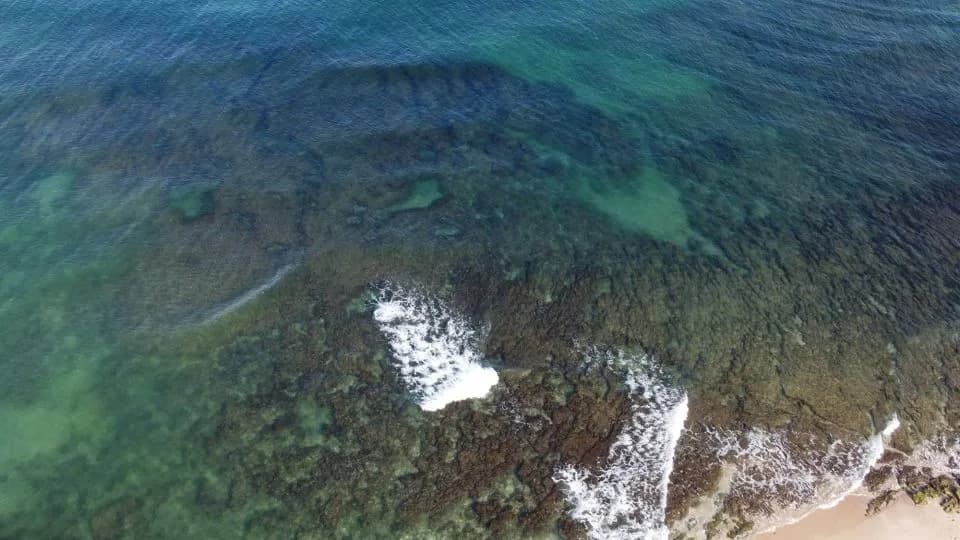
The Tigris region in Iraq suffered a large fish die-off after polluted water from the Diyala tributary—made worse by released dam waters and visible in Copernicus satellite imagery—flooded fish farms in late March. Officials estimate more than 1,000 tonnes of fish were killed across Wasit province; individual farmers reported losses exceeding $1 million. About 20 poisoning and skin-rash cases were recorded. Authorities pledged to expand wastewater treatment, but damaged infrastructure, drought and upstream dams complicate recovery.
Polluted Floodwaters From Diyala Wipe Out Hundreds Of Tonnes Of Fish Along Iraq's Tigris
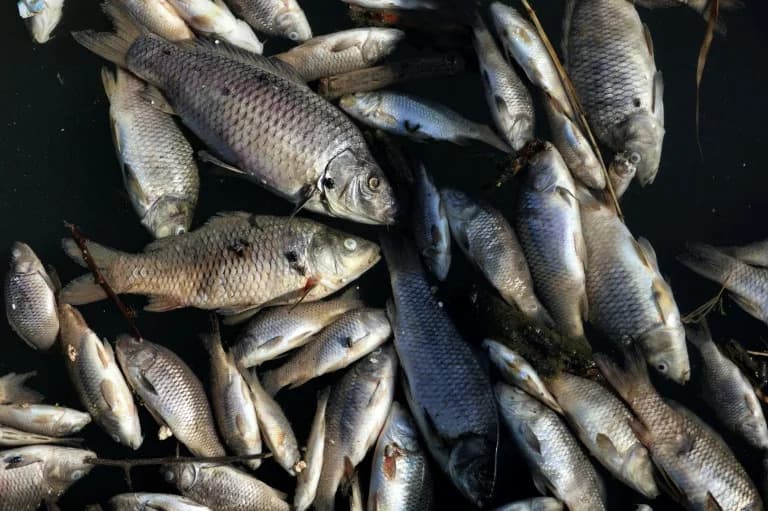
A massive fish die-off in Iraq has left farmers worried (AHMAD AL-RUBAYE)(AHMAD AL-RUBAYE/AFP/AFP)
On the banks of the Tigris River in Wasit province, Iraq, fish farmer Haidar Kazem stood amid ruined ponds after a surge of contaminated water destroyed roughly 300 tonnes of carp he had raised for more than a year.
Flooding, Pollution And Satellite Evidence
After an unusually dry season, late-March rains prompted authorities to open the gates of the Hamrin Dam. The released water flowed into the Diyala River—a tributary that has long received untreated sewage—and then into the larger Tigris. The contamination was intense enough to be visible in Copernicus Sentinel satellite images analysed by AFP, which show a dark plume flowing from the Diyala into the Tigris between March 28 and April 12.
Human And Economic Toll
Local officials estimate the sewage-laden flow killed more than 1,000 tonnes of fish across Wasit province. Kazem told AFP he lost about 300 tonnes of carp—species commonly used for Iraq's grilled dish masguf—and put his losses at more than one million dollars. Another farmer in al-Numaniyah, Mazen Mansour, said roughly 38,000 fish in his floating cages died overnight.
'In just two hours my whole project was wiped out — fish I had spent a year-and-a-half raising. I am back to zero,' Kazem said.
Farmers described black, sewage-filled water and desperate attempts to save stock by aerating basins; most efforts failed. Many now demand compensation and accountability from authorities.
Health, Infrastructure And Root Causes
Authorities temporarily restricted treated water supplies in parts of Wasit and reported about 20 documented cases of poisoning and skin rashes linked to the contamination. Officials say multiple treatment plants have been discharging untreated sewage into the Diyala; years of drought have left the river shallow and malodorous. Baghdad also points to upstream dams in Turkey and Iran and to climate-driven declines in rainfall and rising temperatures as factors exacerbating the crisis.
Officials pledged to improve wastewater treatment and the Iraqi news agency INA said authorities plan to bring seven additional treatment plants online in Baghdad. Still, decades of conflict have degraded Iraq's water infrastructure, complicating recovery and long-term solutions for communities that depend on the Tigris for drinking water, irrigation and fisheries.
Outlook
Farmers face immediate economic hardship and uncertain prospects for restitution. Environmental investigators warn that similar events could recur unless wastewater management, dam coordination with neighbours and drought adaptation measures are addressed.
Help us improve.