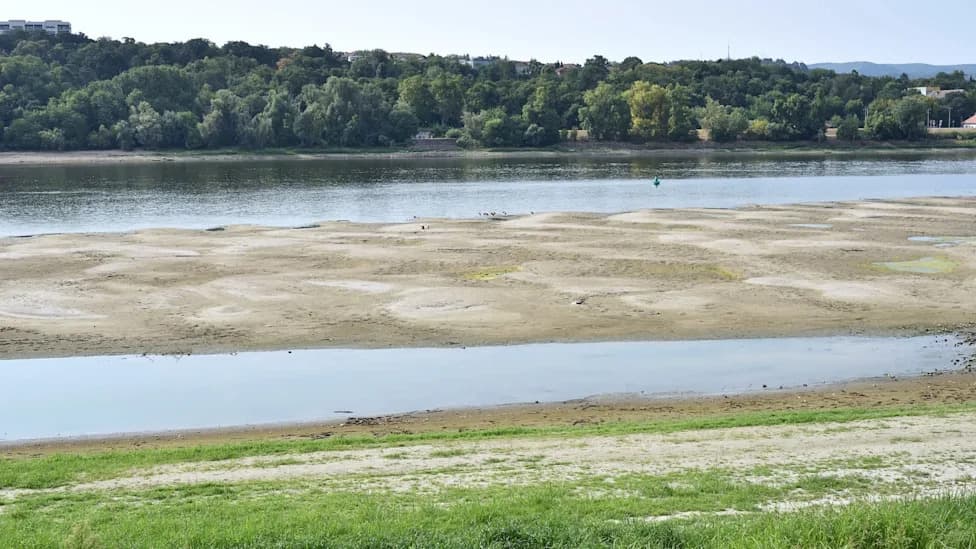
The Rétimajor fishpond complex south of Budapest lost an estimated 331–386 tons (300–350 tonnes) of fish in August after drought and extreme heat drained parts of an 1,980-acre (800-hectare) wetland. The die-off caused estimated losses of 400–500 million forints (≈ €1.1–1.4 million) and affected an area protected under Natura 2000 and the Ramsar Convention. Authorities point to extreme heat and evaporation, while the farm owner cites water-allocation priorities; both sides now call for reviews and long-term changes to prevent repeat events.
Drought Drains Rétimajor Wetlands, Killing 331–386 Tons of Fish and Threatening Protected Habitat
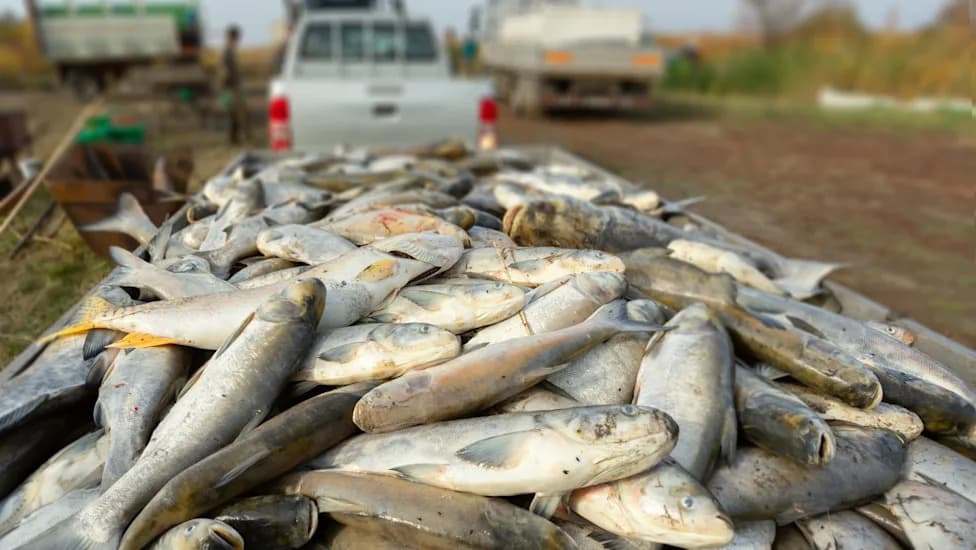
Photo Credit: iStock
A severe summer drought at Rétimajor, one of Hungary's largest aquaculture complexes south of Budapest, led to the loss of hundreds of tons of fish and exposed serious tensions between food production, water management and nature conservation.
What happened
In August, falling water levels across a 1,980-acre (800-hectare) network of shallow basins and reedbeds in the former Sárrét marshlands contributed to a large-scale fish kill. Ferenc Lévai, owner and CEO of Aranyponty Zrt., estimated that roughly 331–386 tons (300–350 tonnes) of fish died, causing financial losses of about 400–500 million forints (≈ €1.1–1.4 million).
Conditions on the ground
Lévai described extensive drying at the site: approximately 150 hectares were completely dry, about 400 hectares held only 30–40 cm of water—conditions he said left fish "eking out an existence"—and just 200–250 hectares retained more than half their normal depth for proper fish farming. He argued that water allocation decisions and upstream irrigation demands limited the ability to maintain ecological minimum water levels.
Authorities' response and technical details
The Central Transdanubian Water Directorate said it followed drought restrictions introduced on July 26 and denied deliberately withholding water. Officials said around 311.7 million gallons (1.18 million m³) were released from the Fehérvárcsurgó reservoir into the ponds over two weeks in August, but that evaporation across the 1,980-acre surface may have been as high as 26.4 million gallons (100,000 m³) per day.
As water became shallower and warmer, atmospheric and sediment-related gas buildup accelerated and emissions from sludge proved lethal to fish. The water authority said it is reviewing local hydrology, committed water reserves and permits to determine potential changes to management.
Ecological and economic implications
The Rétszilasi Lakes area is protected under both the Natura 2000 network and the Ramsar Convention, meaning the loss has both economic and conservation consequences. Beyond immediate financial damage to the farm, the event threatens habitat used by rare birds and amphibians and underscores risks to freshwater biodiversity and food production from climate-driven drought and heat.
Next steps and local proposals
Lévai emphasized prevention over blame and proposed that irrigated crop producers build independent reservoirs to store water during wetter periods rather than competing for the same supplies in droughts. The water authority is conducting a system review to assess hydrological conditions and existing water allocations.
Broader context
The Rétimajor incident reflects a global trend: drought, extreme heat and growing demand on freshwater systems increasingly threaten fish farms, riverine habitats and food security. Freshwater species worldwide are under pressure from shrinking habitats, pollution and invasive species—factors that make localized disasters like Rétimajor more frequent and consequential.
Help us improve.