Farmers in Manicaland Province face severe crop stress after a prolonged heatwave and a month without significant rainfall, threatening maize and causing false ripening in tobacco. Debt-related disconnections of irrigation by the national utility have left many farms exposed. Leaders recommend small, solar-powered boreholes and other support, but limited capital constrains uptake; calls are growing for emissions cuts and stronger support for local agriculture.
Heatwave Threatens Maize and Tobacco in Zimbabwe's Manicaland — Farmers Urge Solar Boreholes as Irrigation Fails
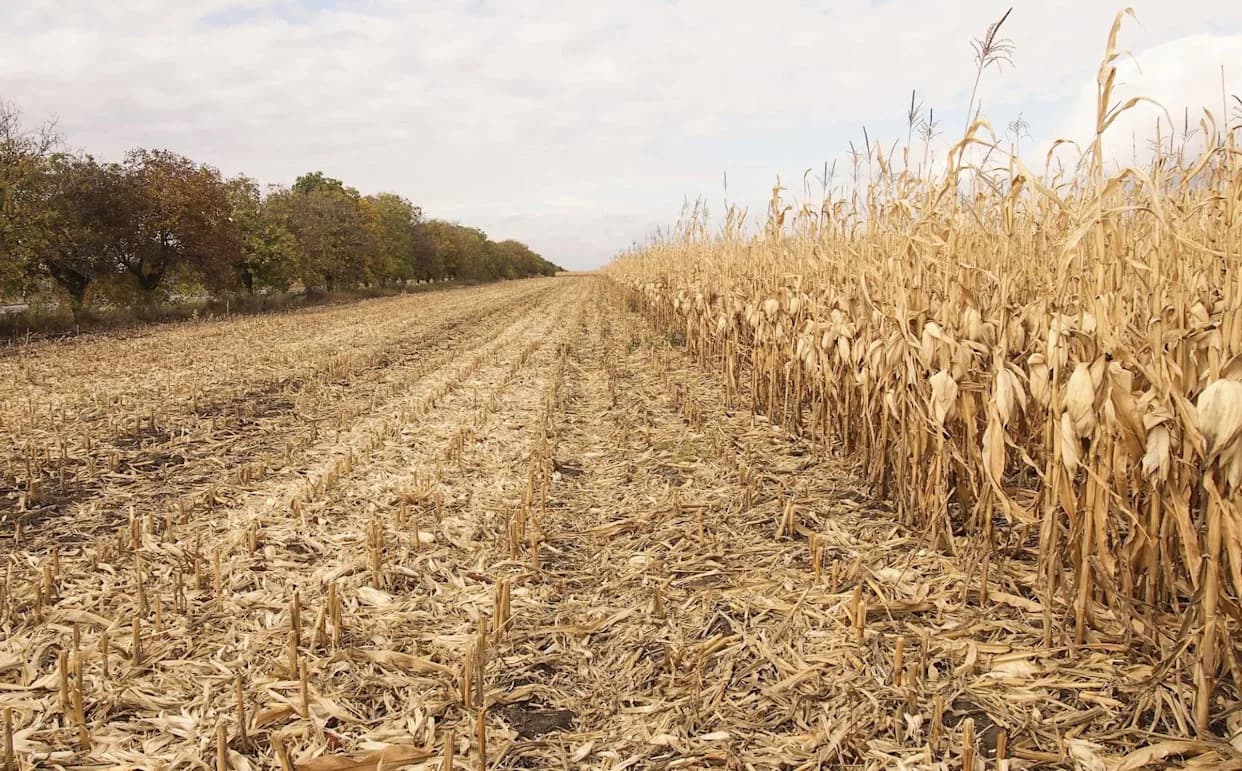
Photo Credit: iStock
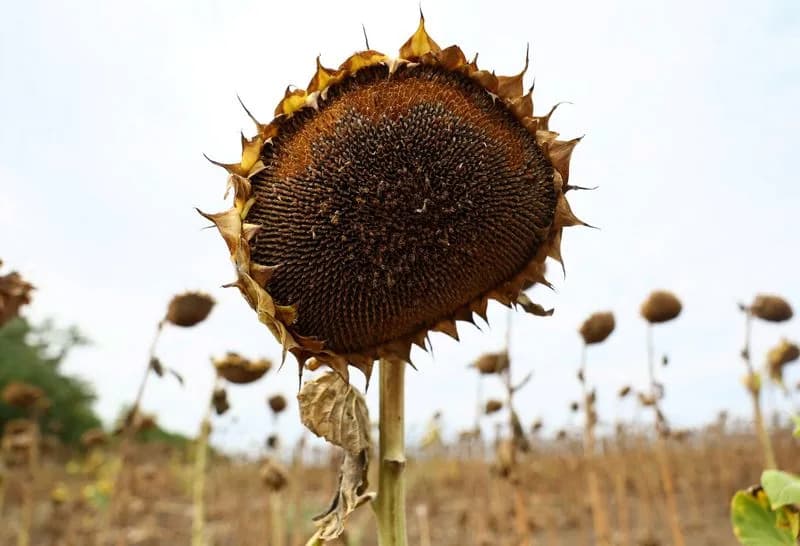
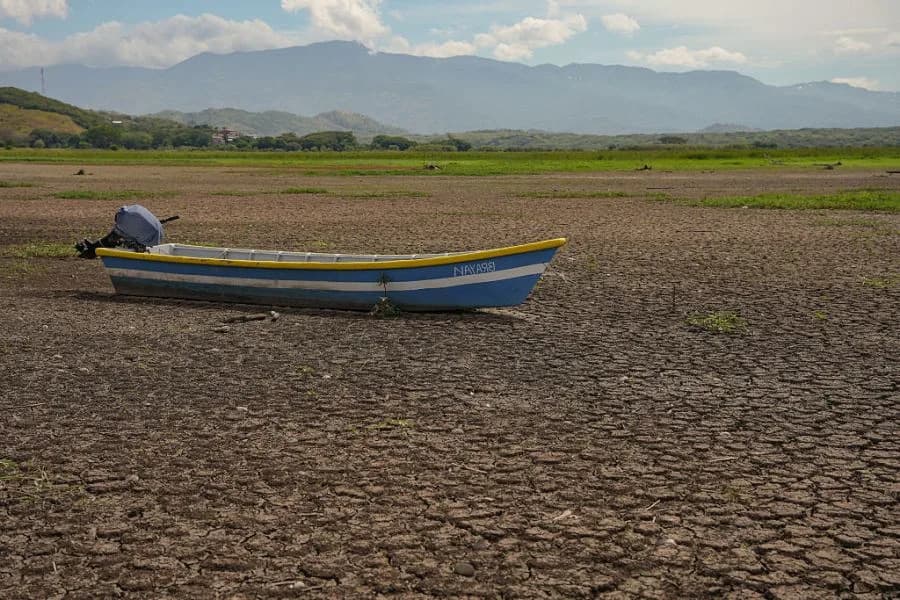
Farmers across Manicaland Province in eastern Zimbabwe are sounding the alarm after a sustained heatwave and a month-long dry spell have placed staple crops under severe stress, The Manica Post reports. Maize at the critical flowering stage is particularly vulnerable, while tobacco plants are showing signs of false ripening.
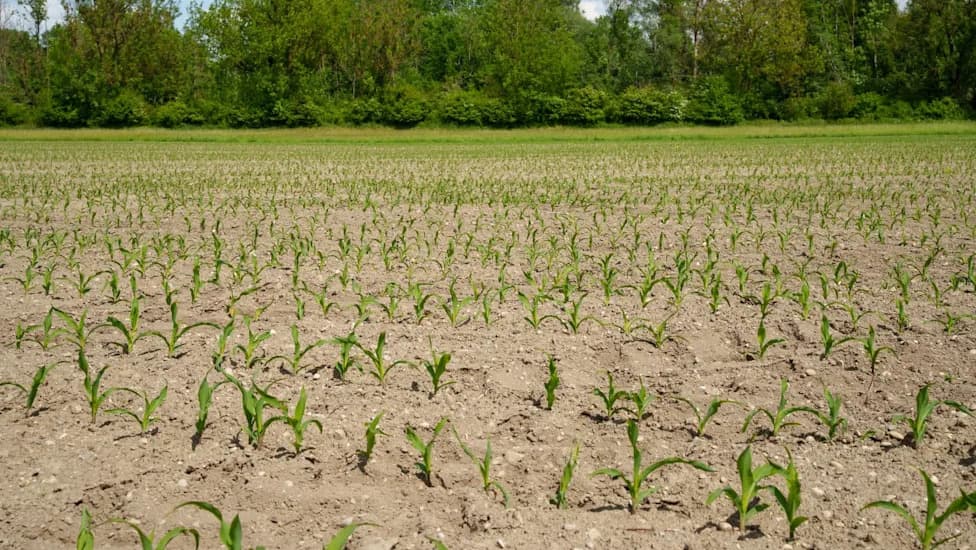
'The dry spell here has prolonged and our crops are under severe threat. Farmers had planted mainly maize and rapoko,' said Middle Sabi Farmers Association chairman Skumbuzo Todhlana. 'The maize is at the flowering stage, which requires a lot of water for it to produce a healthy cob.'
Todhlana noted that irrigation historically supplemented rainfall, but mounting farm debts have led the Zimbabwe Electricity Supply Authority (ZESA) to disconnect irrigation systems on some properties for unpaid bills. That loss of backup water supplies has left many growers exposed during the current heat and dry spell.
Edward Dune, president of the Tobacco Farmers Union Trust, urged farmers to prioritise irrigation investments where possible. The Manica Post highlighted his suggestion that farmers consider small-scale, off-grid options such as solar-powered boreholes, which can provide targeted watering without relying on grid electricity. However, Dune and other community leaders acknowledge that many households lack the capital to install even modest systems.
Climate Context and Global Comparisons
Experts say intensifying extreme weather — made more likely and severe by rising global temperatures — is contributing to more frequent crop failures. Zimbabwe is not alone: last year drought contributed to the loss of more than 50,000 hectares of crops in Ukraine’s Kherson region, while late frosts and heavy spring rains cut fig production by roughly 70% in parts of Italy.
These events damage farmland, raise food prices for staples like maize and soybeans, and impose high recovery costs on rural communities and infrastructure.
Local Resilience and Policy Options
Despite the crisis, some drought-tolerant staples are performing relatively well in parts of Manicaland. Farmers report better results with finger millet, groundnuts, round nuts and rapoko in pockets of the province.
Local leaders say the situation highlights two urgent priorities: accelerate policies and actions to cut greenhouse gas emissions and rapidly scale support for farming communities so they can adapt. Practical measures include targeted financial support, debt relief or payment plans for smallholders, subsidies or microloans for solar-powered irrigation, community-shared water infrastructure, and extension services to promote drought-resilient crops and water-saving techniques.
Supporting community solar projects and backing local farmers through purchases, policy measures and investment can both help protect yields and reduce pollution. In the short term, making flexible financing available for small solar boreholes and irrigation systems could help vulnerable households protect this season’s harvests.
Reporting note: This article compiles local reporting from The Manica Post and places the local impacts in a broader climate and agricultural context.
Help us improve.