Germany's farms are under growing strain as recurring drought and extreme heat cut yields, degrade pastures and increase costs for irrigation and feed. DW News warned on Aug. 25 that government aid has been promised but cannot cover all losses. Emergency support can prevent immediate collapse, but long-term public investment and adaptation are essential to stabilise food production and rural livelihoods. The German crisis reflects a broader global pattern of flash droughts, soil degradation and climate-driven pressure on agriculture.
German Farmers Face Rising Losses As Drought and Extreme Heat Become The New Normal
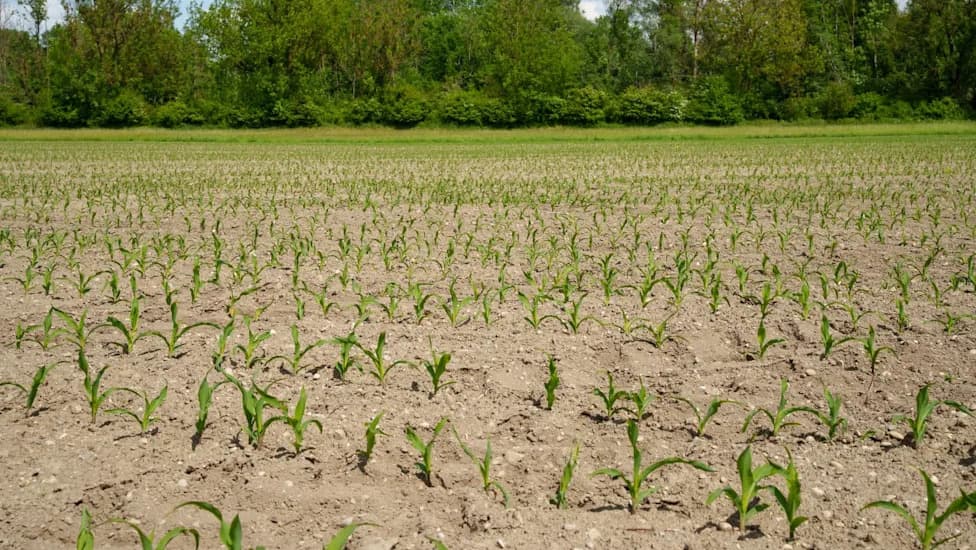
Photo Credit: iStock
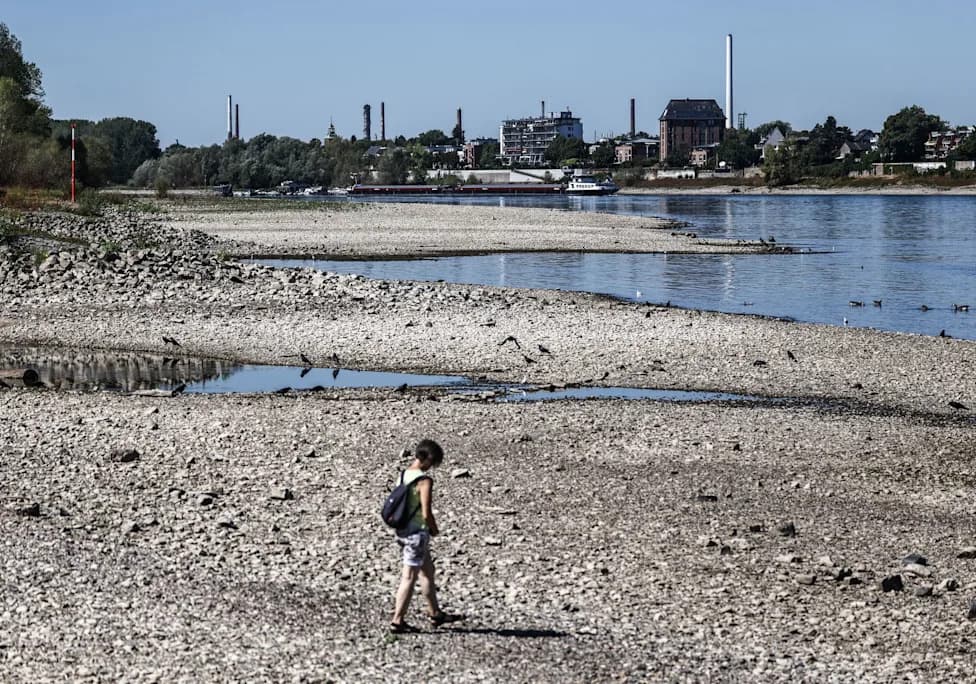
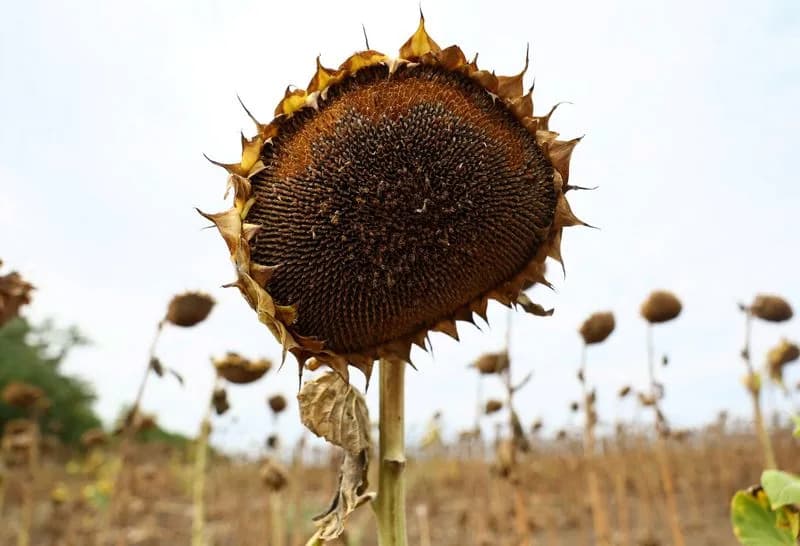
Germany's farmers are grappling with recurring drought and extreme heat that increasingly look less like a temporary setback and more like a permanent shift. Persistent dry conditions are driving crop losses, raising production costs and intensifying financial pressure across the agricultural sector.
Widespread Impact Across Farms
Prolonged hot, dry weather has reduced yields, degraded pasture quality and strained local water supplies. When rain fails to arrive and temperatures remain high, crops can struggle to develop, forcing farmers to spend more on irrigation, supplemental feed and other adaptive measures just to maintain basic operations.
Government Support and Its Limits
"Major crop losses, financial dire straits and fears for the future: Germany's ongoing drought is hitting farmers hard," broadcaster DW News said in an Aug. 25 Instagram post, noting that while the government has promised assistance, some costs will still fall to farmers.
Emergency aid can be critical to prevent immediate collapses—helping farms stay afloat, preserving jobs, and buying time for recovery. But short-term payments do not remove the need for strategic investment in adaptation, risk management and longer-term resilience.
Why This Is More Than A Single Bad Season
Farming depends on timing, soil moisture and predictability. As heat waves and dry spells become more frequent, producers must rethink planting schedules, irrigation infrastructure and feed planning—decisions that require cash, technical support and policy backing many operators currently lack.
Wider Consequences
These climate-driven extremes reach beyond fields: consumers may see tighter supplies and upward price pressure, while rural communities face lost income and diminished opportunities. Germany's situation also mirrors global trends—flash droughts, soil degradation and climate volatility are making farm livelihoods increasingly fragile in many regions.
What’s needed: sustained public investment, targeted adaptation programs, improved water and soil management, and policies that treat drought as a chronic challenge rather than a single disaster. Without a combination of relief and long-term planning, the risks to food security, rural economies and farm viability will continue to grow.
Help us improve.