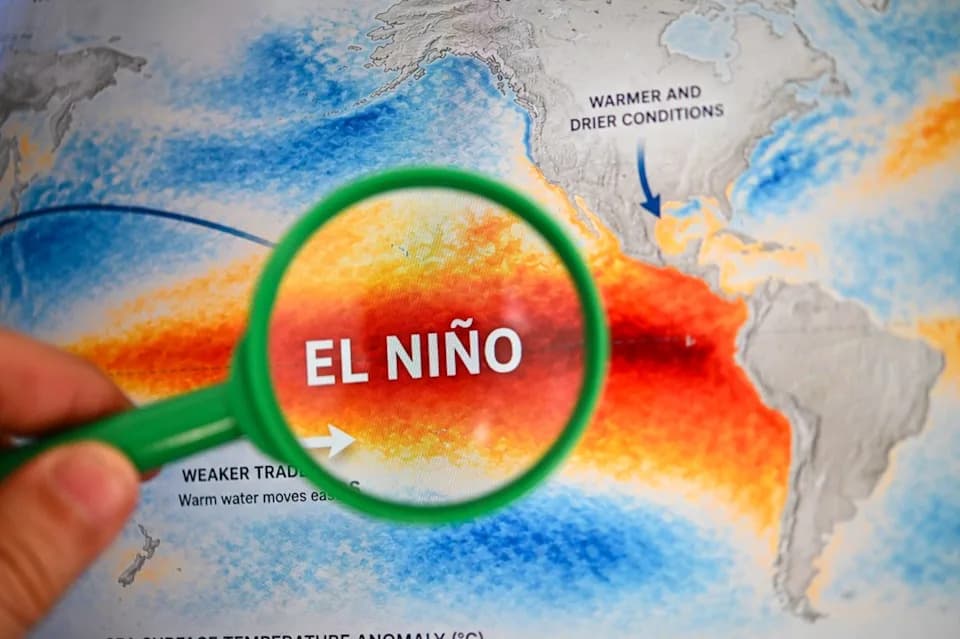
FAO says a rapidly strengthening El Niño could raise the risk of agricultural drought across the Sahel, Southern Africa, South and Southeast Asia, Central America's dry corridor and parts of the Caribbean, with some areas facing >50% drought probability. Over 80% of projected impacts would hit agriculture in low- and middle-income countries. FAO urges early use of seasonal forecasts to protect crops, livestock and livelihoods—recalling that the 2015–16 El Niño affected over 60 million people and prompted about $5 billion in humanitarian appeals.
FAO Warns Rapidly Strengthening El Niño Could Trigger Widespread Agricultural Drought
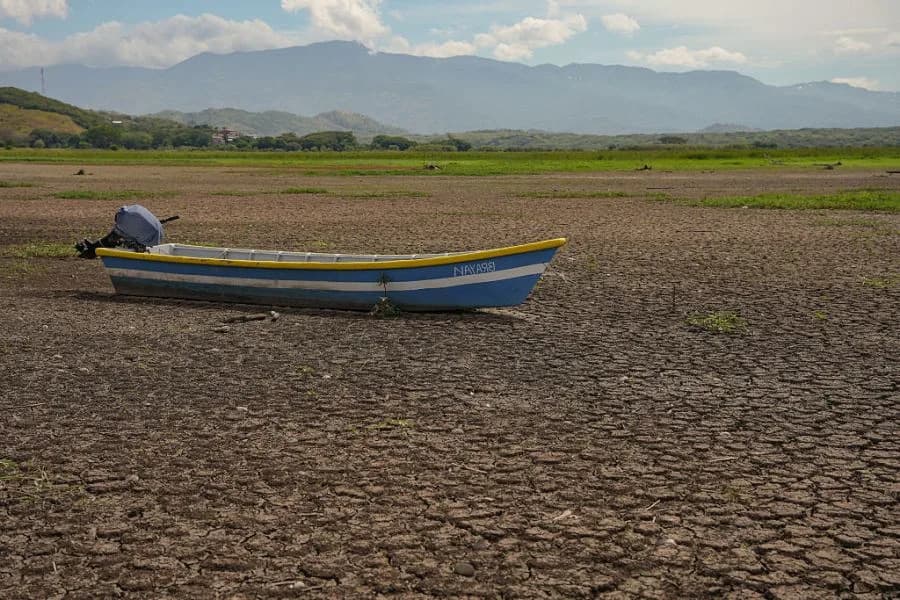
Strong El Niño is raising drought risk in these areas, UN agency warns
The Food and Agriculture Organization of the United Nations (FAO) warns that a rapidly strengthening El Niño this year could significantly raise the risk of agricultural drought across multiple vulnerable regions, threatening crops, livestock and food supplies where communities already face food insecurity and limited coping capacity.
High-Risk Regions and Probabilities
FAO's analysis identifies a high probability of agricultural drought during key growing periods in several major regions. The greatest risks are concentrated in:
- The Sahel in Africa
- Southern Africa (including large parts of Namibia and Botswana, extending into Angola, Zambia, Zimbabwe, South Africa, Mozambique and Madagascar)
- South and Southeast Asia (from Pakistan and India through Myanmar, Thailand, Cambodia, Vietnam, the Philippines and Indonesia)
- Central America's dry corridor (Guatemala, Honduras, El Salvador and Nicaragua) and parts of the Caribbean (including Cuba, the Dominican Republic and Haiti)
In some areas FAO notes a greater than 50% probability of agricultural drought over the coming months. Overall, more than 80% of projected drought impacts are expected to affect agriculture in low- and middle-income countries.
Why This El Niño Matters
El Niño is a recurring climate pattern marked by warming sea-surface temperatures in the central and eastern tropical Pacific. Those ocean temperature changes can alter global weather patterns—shifting rainfall and temperature thousands of miles away. FAO says this year's El Niño is strengthening rapidly, increasing the likelihood of months of extreme heat, floods, drought and other disruptive weather.
"This isn't like previous El Niños," said Jorge Alvar-Beltrán, FAO's natural resources officer. "The planet is much warmer today, and with conflict and food insecurity widespread, this will hit hardest in places that are already vulnerable and have limited coping capacity."
Impacts on Food Systems
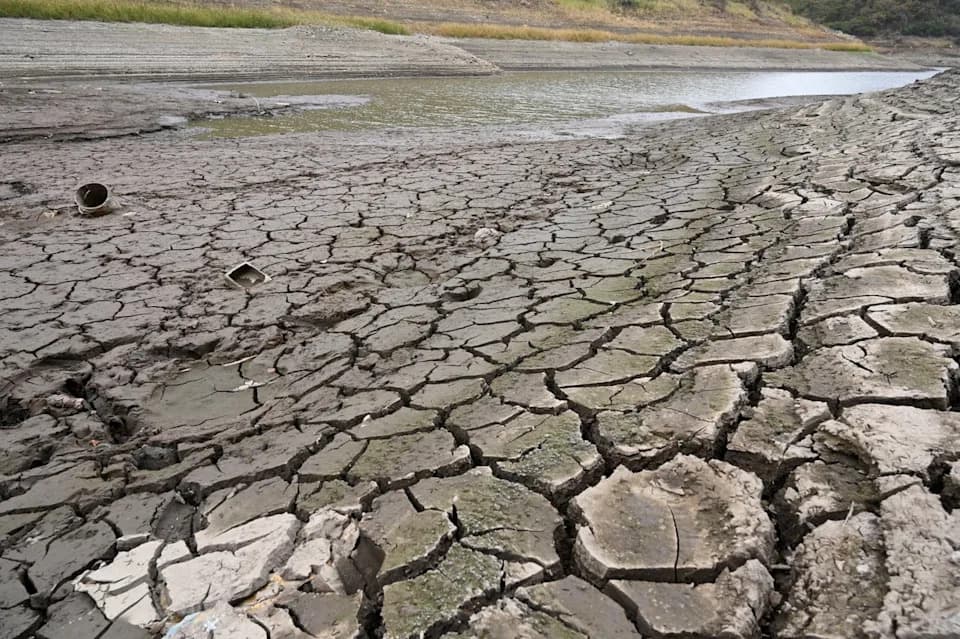
FAO highlights that even a moderate drought can be catastrophic in regions with chronic hunger and few resilience options. In southern Africa, for example, the loss of pasture quickly translates into lost household wealth and increased food insecurity where livestock are central to livelihoods. In South Asia, El Niño can weaken the summer monsoon and threaten the Indian rice crop and other staples.
FAO recalled that the 2015–16 El Niño affected more than 60 million people and triggered roughly $5 billion in humanitarian appeals across 23 countries—illustrating the scale of potential impacts if communities are not prepared.
Preparedness and Early Action
One of FAO's core messages is that detailed seasonal forecasts offer a window to reduce harm before planting and peak demand periods. The agency urges governments, local authorities and farmers to:
- Use seasonal forecasts to adjust planting dates, crop choices and water management
- Protect livestock and pasture through targeted feed and water interventions
- Scale up social safety nets and early humanitarian responses in high-risk areas
"Early warning becomes effective prevention when it is acted upon timely and decisively," FAO said.
What To Watch Next
Stakeholders should monitor FAO and national meteorological services for updated seasonal outlooks, and international agencies are likely to issue further guidance as El Niño evolves.
Sources: Food and Agriculture Organization of the United Nations (FAO); historical impacts from the 2015–16 El Niño.
Help us improve.