The sacred namele leaf (Cycas seemannii), featured on Vanuatu’s flag, is being used as a traditional taboo to protect key forest areas such as the 2,720-hectare Vatthe Conservation Area on Espiritu Santo. Community chiefs and grassroots groups place the leaf to deter logging and reinforce local bans, while the national government encourages such cultural protections. Persistent threats—poverty-driven clearing, alleged post-cyclone logging, and weak enforcement—underscore the need for sustainable funding, including carbon-credit schemes, to pay rangers and secure long-term conservation.
Sacred Namele Leaf Guards Vanuatu's Forests: Tradition Becomes a Conservation Tool
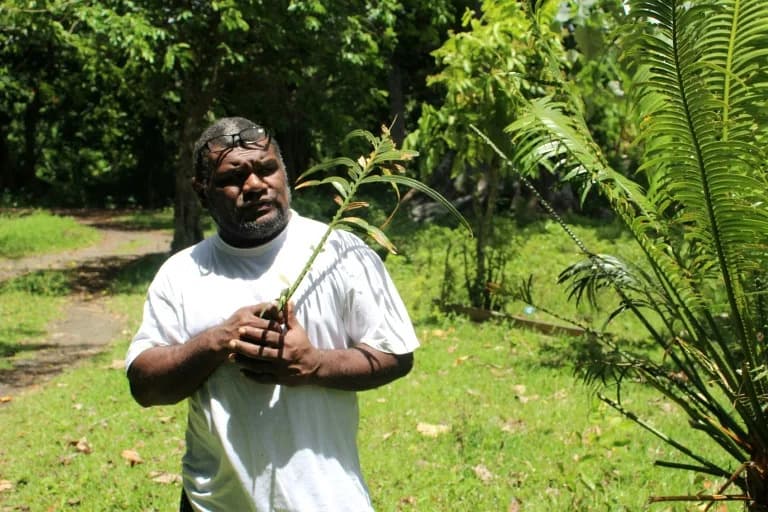
The feather-shaped namele leaf is being enlisted to protect some of the country's most important forests (Chris McCALL)(Chris McCALL/AFP/AFP)
The feather-shaped namele leaf—so central to Vanuatu that it appears on the national flag—is being repurposed as a grassroots conservation symbol to protect some of the country’s most valuable forests.
Tradition Meets Conservation
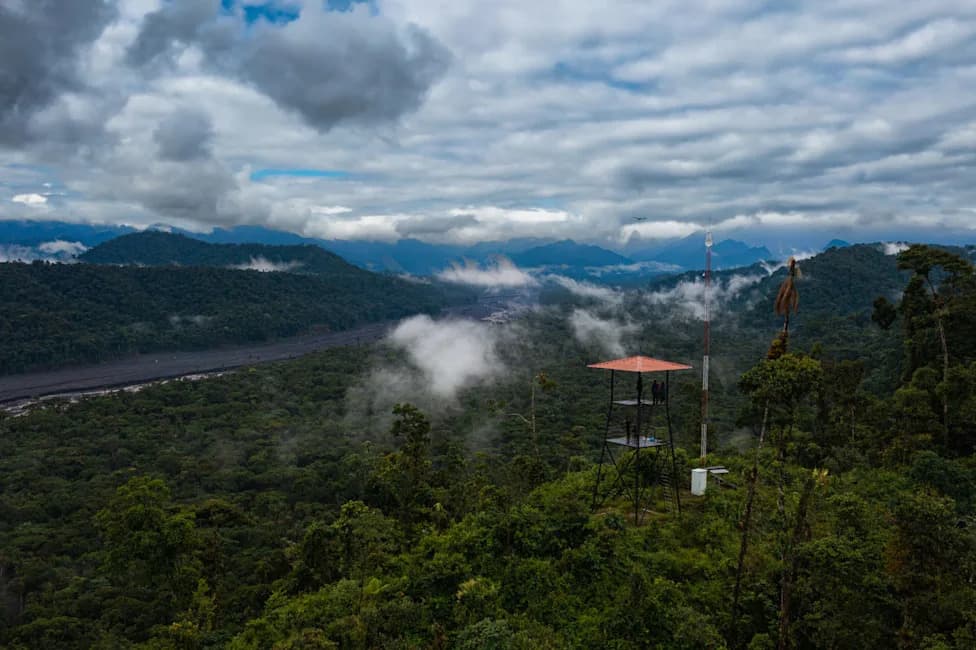
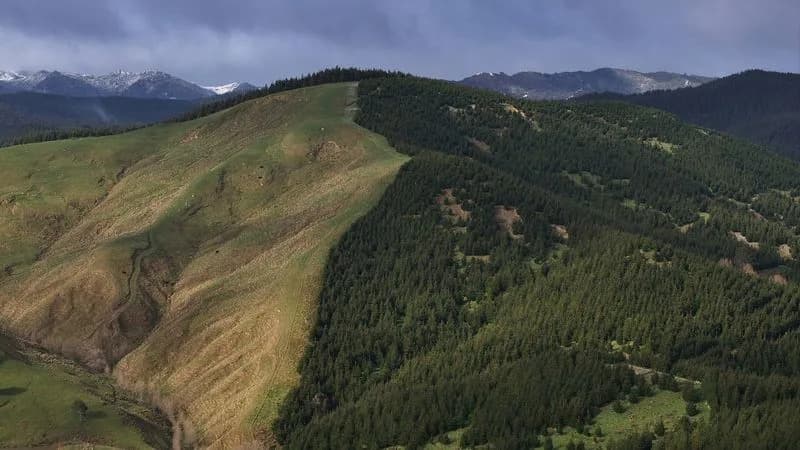
On Espiritu Santo, Vanuatu’s largest island, the 2,720-hectare Vatthe Conservation Area shelters remarkable biodiversity, including more than two-thirds of the archipelago’s land and freshwater bird species and numerous endemic plants and animals. Yet the reserve has only one ranger: traditional chief Bill Tavue, who patrols a landscape threatened by logging, subsistence clearing and weak enforcement.
Locals and conservationists are invoking a traditional taboo around the namele leaf (Cycas seemannii) to deter outsiders from entering protected areas. When a namele leaf is placed at a site, community members understand that the location should not be disturbed—an ancient practice historically used to mark boundaries and enforce peace agreements.
"In our culture, no one is allowed to touch the namele, only the moli," Tavue said, referring to the local word for chieftain. "When a namele leaf is placed somewhere, people know not to touch anything nearby."
Local Action and Broader Support
Villages such as Matantas have revived the tradition to protect remaining forest. Grassroots groups like the Santo Sunset Environment Network make long trips to remote communities to raise awareness, persuade chiefs to ban logging, and encourage the use of traditional taboos to back those bans. Violators may face customary fines—often a chicken or a pig—reflecting the social enforcement mechanisms that still carry weight in Vanuatu.
Vanuatu’s central government in Port Vila now encourages chiefs to use such cultural measures alongside formal protections. The Malvatumauri Council of Chiefs, composed of customary leaders from across the nation, retains significant political influence and helps give traditional rules legal and moral force.
Threats and Gaps
Despite cultural protections, the forest faces ongoing threats. Poverty and the need to expand subsistence crops (yams, cassava, taro, sweet potato) drive some communities to clear land. After a cyclone, permission granted to collect dead wood in reserves was allegedly used as a pretext for broader logging inside Vatthe—claims that local communities have made while government forest and environment officials did not respond to requests for comment.
Although Vanuatu has strict forestry laws on paper, enforcement on the ground is inconsistent. Tavue trained four volunteers to help patrol Vatthe, but they abandoned the unpaid work, underscoring the challenge of sustaining protection without funding.
Funding the Future
Conservationists and community leaders urge sustainable financing—such as payments for ecosystem services or carbon credit schemes—to provide regular pay for rangers and support long-term protection. As Tavue puts it: "We really want this conservation area to continue. If you don't have money you cannot continue."
Vatthe is a candidate for UNESCO World Heritage status, and supporters hope that national recognition and international attention—paired with local tradition and secure funding—can keep the island’s forests intact for future generations.
Help us improve.