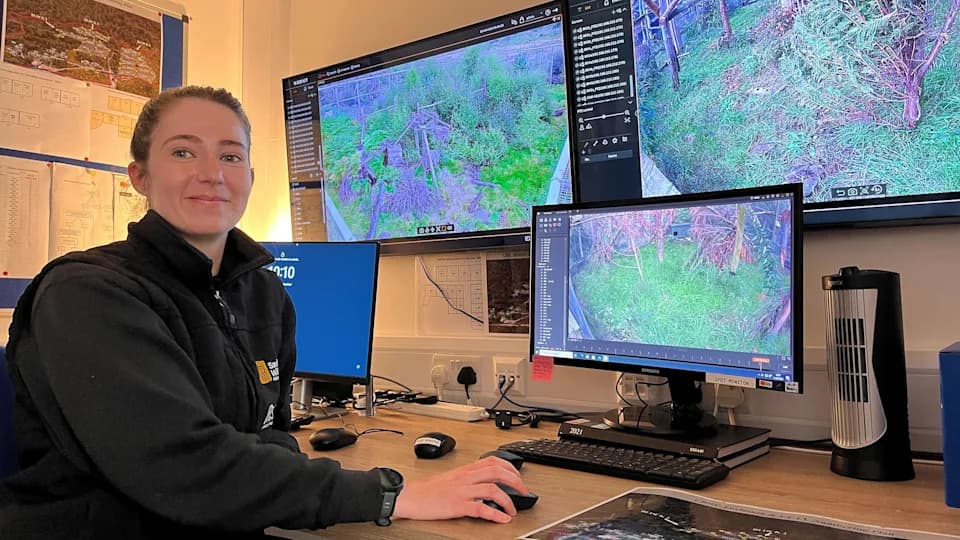
Rathlin Island has been declared ferret-free following the Life Raft eradication project led by RSPB Northern Ireland. The multi-year campaign, launched in 2021, removed invasive ferrets that were preying on more than 250,000 seabirds, including puffins and Manx shearwaters. Detection methods included thermal drones, specialist teams and a scent-detection dog named Woody, and early signs show seabird populations beginning to recover. New biosecurity measures are now in place to prevent reintroduction.
Rathlin Island Declared Ferret-Free After Pioneering Eradication That Protects 250,000+ Seabirds
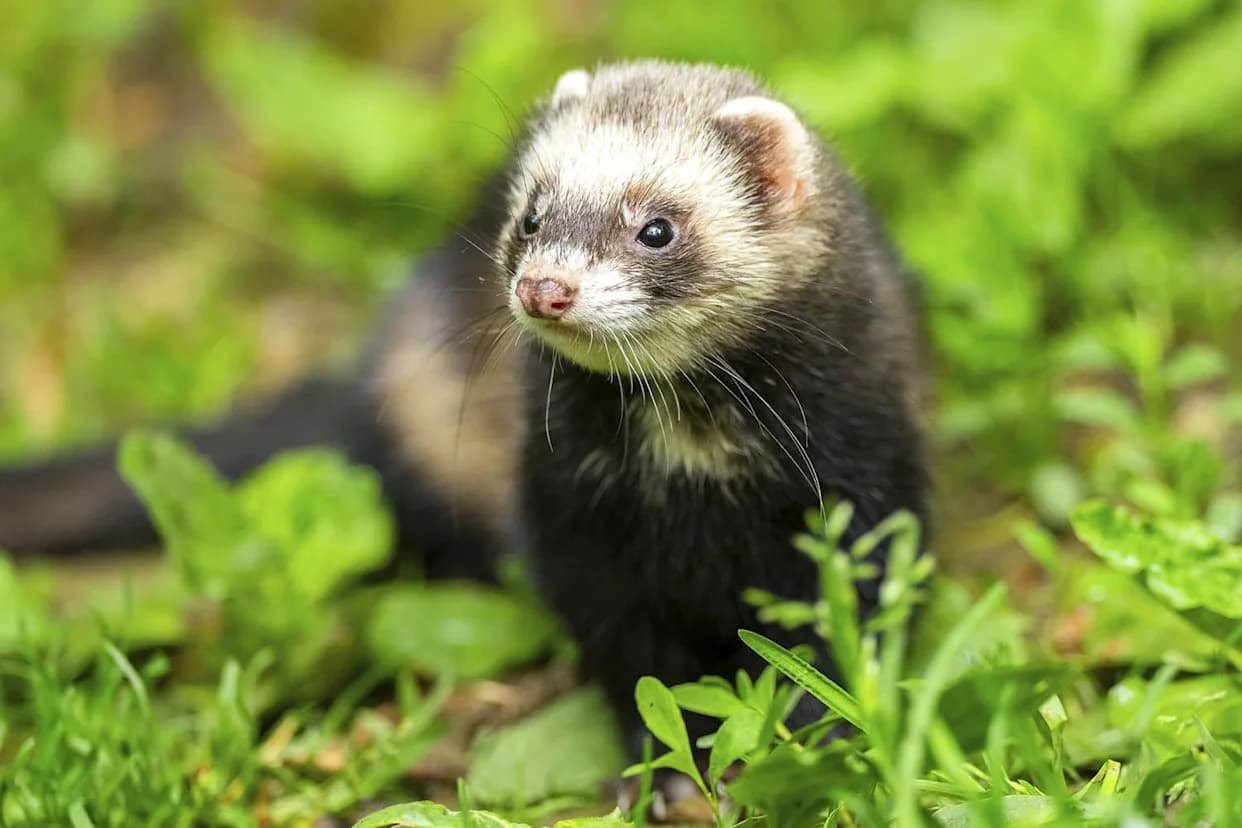
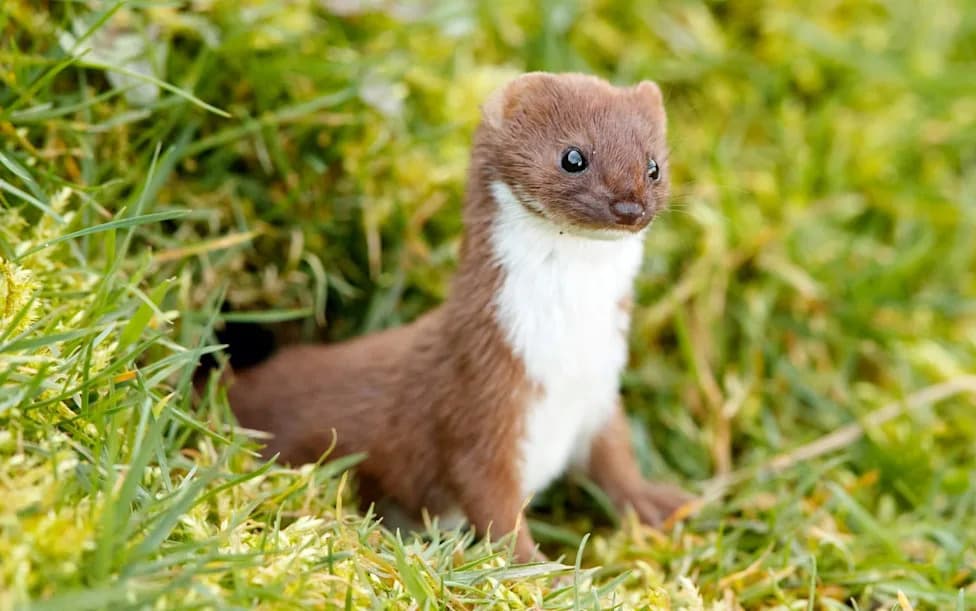
A photo of a ferret (Mustela putorius furo) in the grass in Bavaria, GermanyCredit: Getty
An island off the coast of Northern Ireland has reached a major conservation milestone: Rathlin Island is now officially free of feral ferrets after a targeted, multi-year eradication campaign aimed at protecting the island’s large seabird colonies.
The Royal Society for the Protection of Birds (RSPB) Northern Ireland announced in a press release on March 23 that the Life Raft project, launched in 2021 and led by RSPB Northern Ireland alongside partner organisations, successfully removed invasive ferrets that were preying on nesting birds across the island.
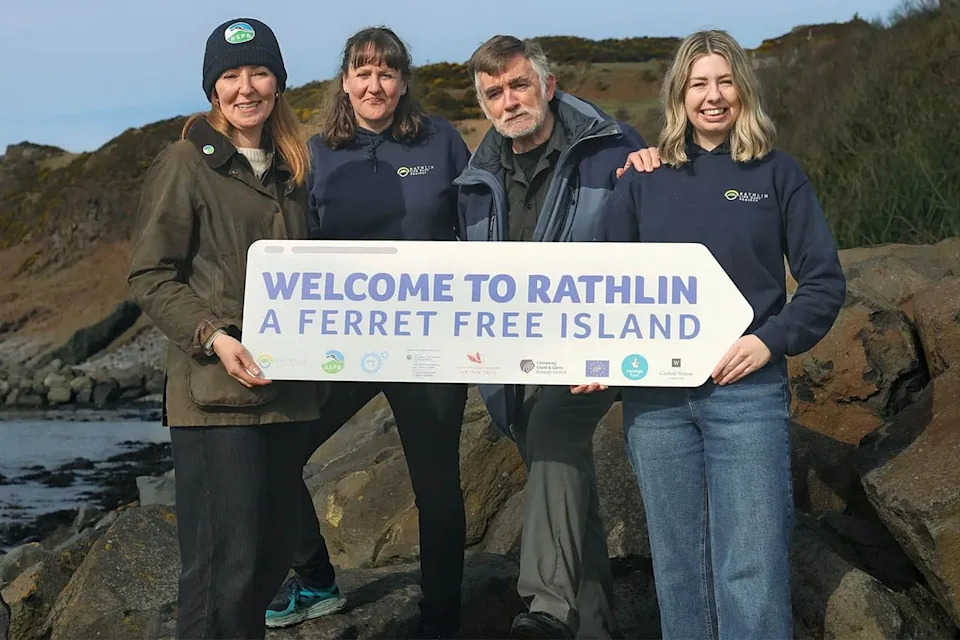
Members of the RSPB Northern Ireland holding up a sign celebrating a "ferret free" Rathlin IslandCredit: Royal Society for the Protection of Birds
Why It Mattered
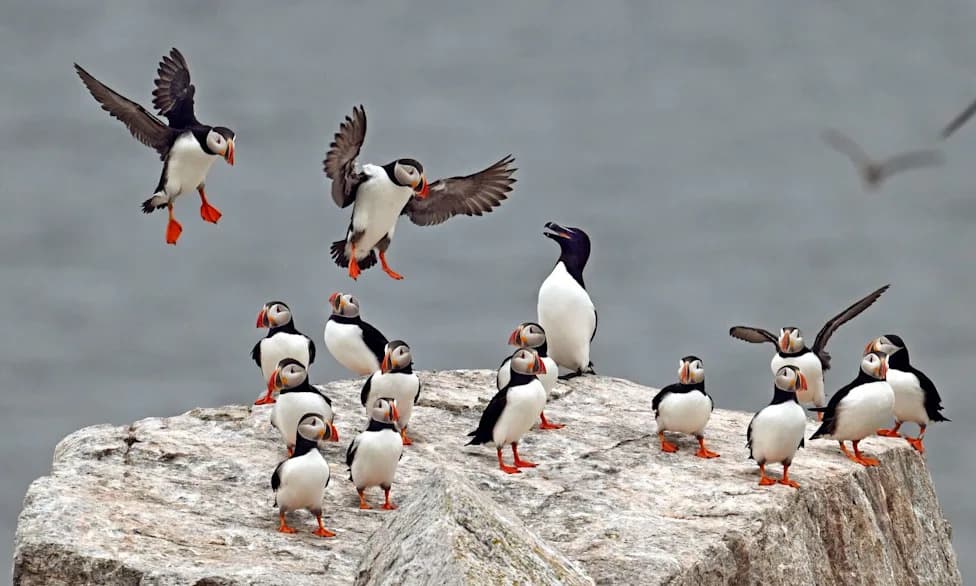
Experts say the operation was necessary to safeguard more than 250,000 seabirds on Rathlin, including puffins, razorbills, guillemots and Manx shearwaters. The ferrets — which arrived on the island in the 1980s — were documented preying on eggs, chicks and adult birds; in one instance a single ferret was recorded killing 27 adult birds in just two days.
How The Eradication Was Achieved
Officials credited years of meticulous planning combined with modern detection methods for the eradication’s success. Techniques included thermal drones, specialist detection teams and the assistance of a scent-detection dog named Woody, who located ferrets hiding in difficult terrain. Project staff describe the effort as a multi-pronged approach that used both technology and on-the-ground expertise.
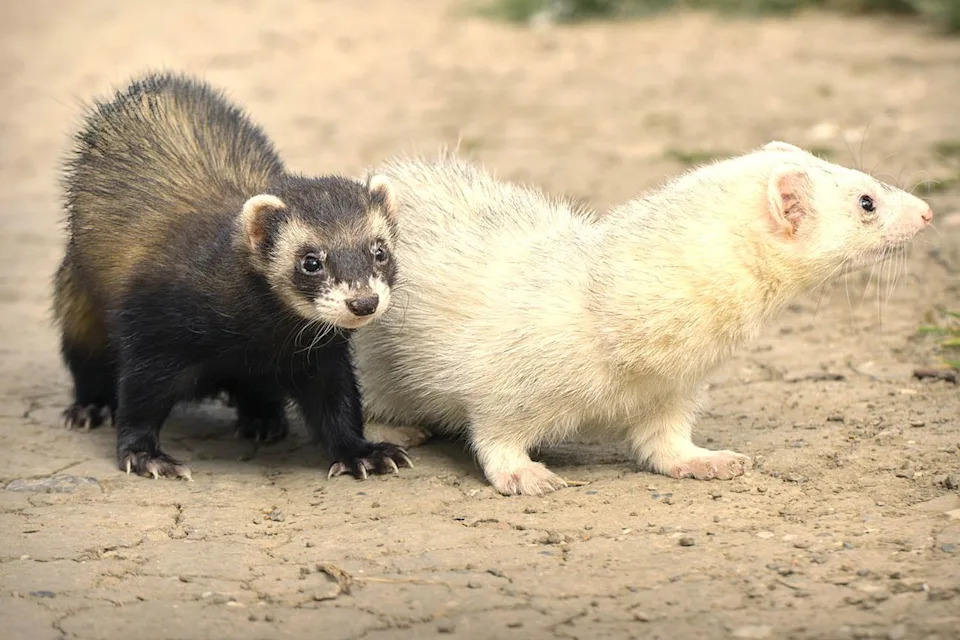
Two ferrets, one with black fur and the other with white, crawling on the groundCredit: Getty
"This is an extraordinary moment for Rathlin, for Northern Ireland, and for conservation globally," said Joanne Sherwood, Director of RSPB Northern Ireland. "The removal of the ferrets allows seabirds to breed more safely for the first time in generations."
Early Signs Of Recovery And Community Benefits
Project leaders report encouraging early signs: Manx shearwaters, which had not nested on Rathlin for about 20 years, have recently returned to the island. Local residents also supported the effort; the project provided jobs and extra resources for the small community, and offered practical benefits such as increased security for raising domestic poultry.
"This is a brilliant red letter day for Rathlin Island," said Michael Rafferty, Life Raft’s eradication manager, praising the dedication of the project team and the local community.
With eradication declared complete, authorities announced strengthened biosecurity measures to reduce the risk of ferrets being reintroduced to Rathlin in the future. Conservationists say the methods and outcomes from the Life Raft project could guide similar invasive-species eradication efforts on other islands threatened by non-native predators.
Project At A Glance: Life Raft launched in 2021; led by RSPB Northern Ireland with local partners; employed thermal drones, specialist teams and a detection dog; targeted protection for 250,000+ seabirds; now implementing new biosecurity to prevent reintroduction.
Help us improve.