Researchers measured heat tolerance in over 2,000 tropical insects and found many already near their thermal limits. Climate models project several degrees of Amazon lowland warming by 2100, which could regularly expose up to half of species in some regions to damaging temperatures. Declines in pollinators, decomposers and predators would cascade through food webs, affecting plant reproduction, soil fertility and wildlife. Protecting intact forest, preserving shaded microhabitats and reducing emissions can help buffer insect communities.
Up to Half of Amazon Insects at Risk From Rising Temperatures, New Study Warns
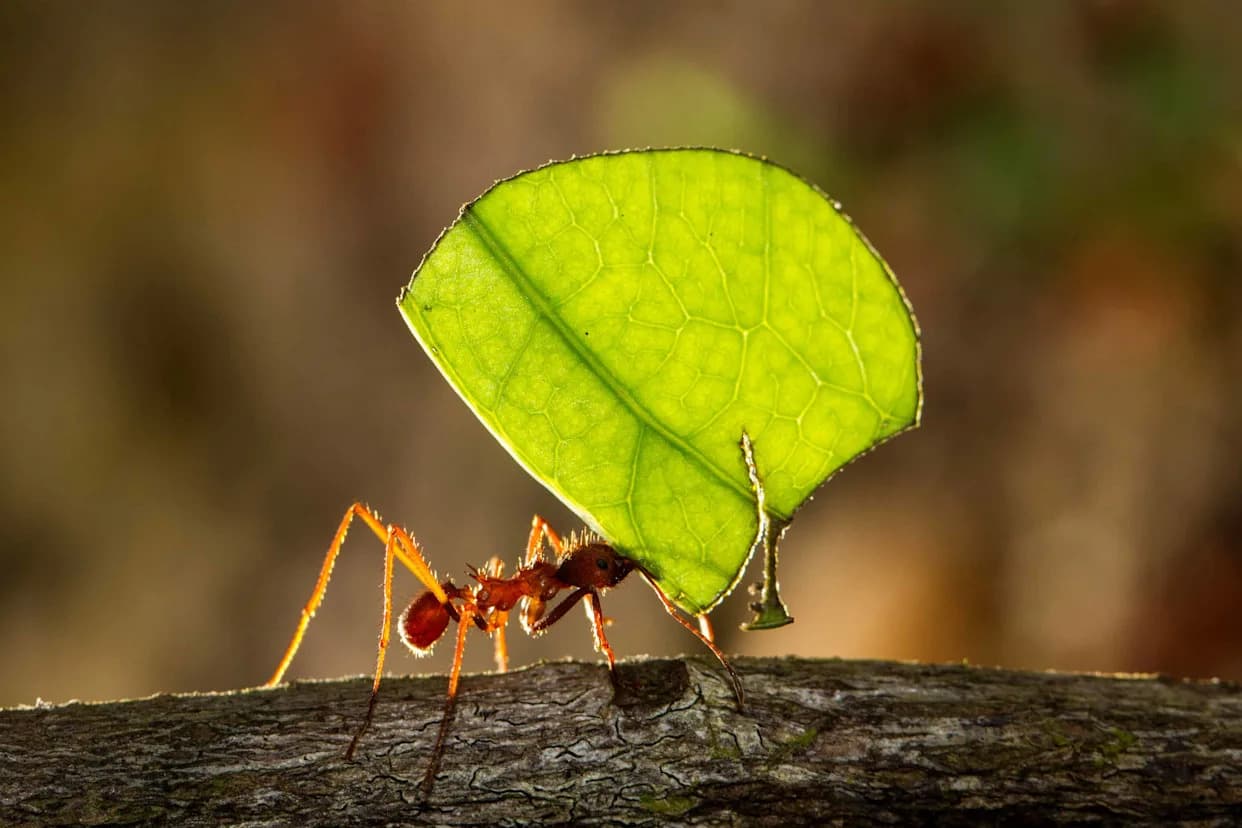
Leafcutter ant carrying a leaf to its nest.© Ken Griffiths/Shutterstock.com
A new study suggests a large share of Amazon insect species already live near their upper heat limits, raising the prospect that warming could put as many as half of species in some lowland areas at risk by the end of the century.
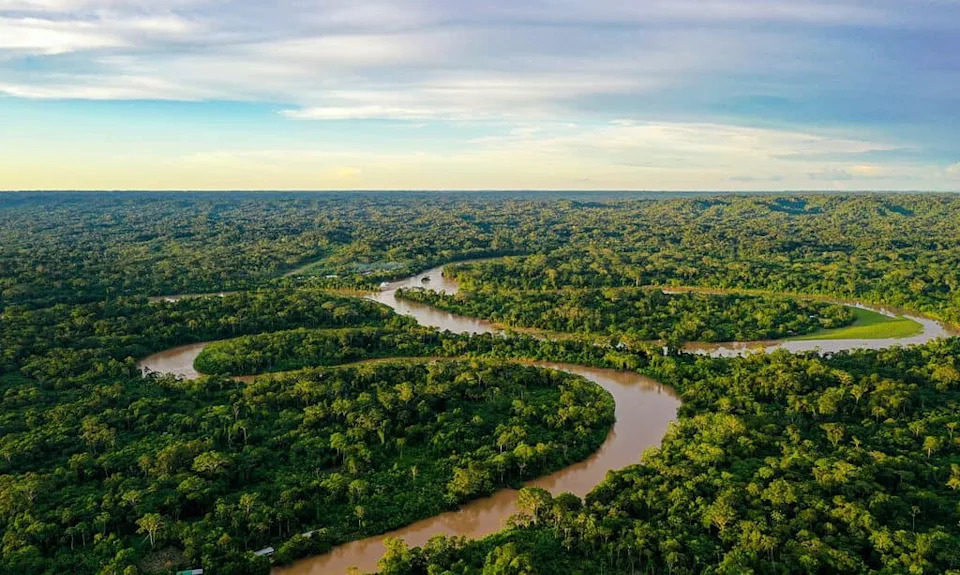
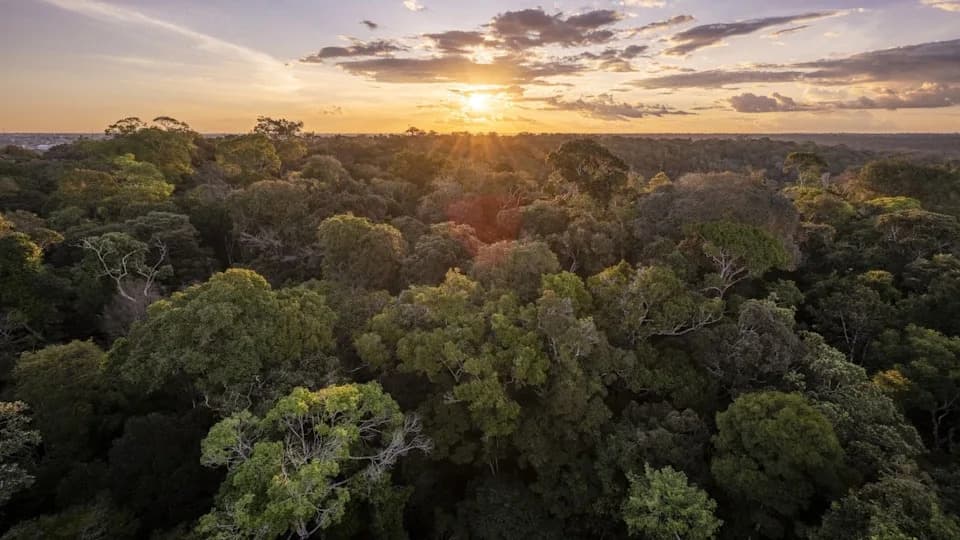
The Amazon rainforest is home to a tenth of the planet’s land animal and plant species.©iStock.com/JarnoVerdonk(iStock.com/JarnoVerdonk)
Study Findings and Scope
Scientists measured thermal tolerance in more than 2,000 tropical insect species from South America and East Africa. Their results show clear differences between insects from cooler mountain habitats—some of which can temporarily tolerate higher temperatures—and lowland forest species that appear far less flexible. Climate projections for Amazon lowlands under high-emission scenarios indicate several degrees of warming by 2100, which could regularly expose many species to temperatures that impair activity or cause heat coma.
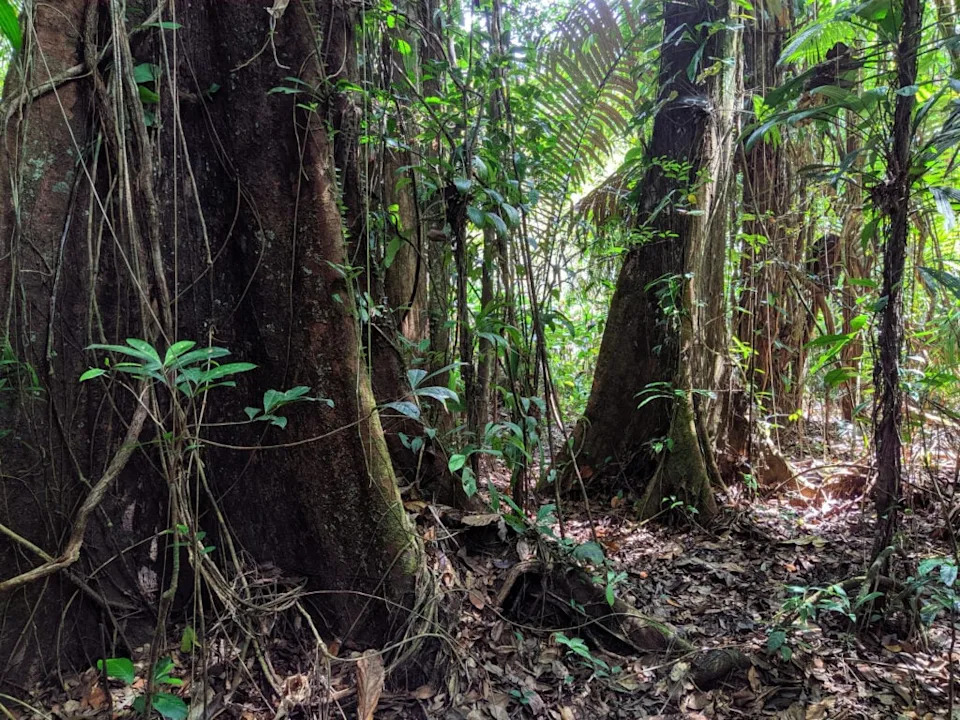
Most insects live in the understory of the rainforest.©Petr Muckstein/Shutterstock.com(Petr Muckstein/Shutterstock.com)
Why Small Temperature Changes Matter
Insects are ectothermic, meaning their body temperatures follow ambient conditions. Their muscles, nervous systems and metabolic processes respond directly to environmental temperature, and cellular proteins operate properly only within a narrow range. Slight increases in average temperature can therefore disrupt movement, digestion, reproduction and development—sometimes within a few degrees of current conditions.
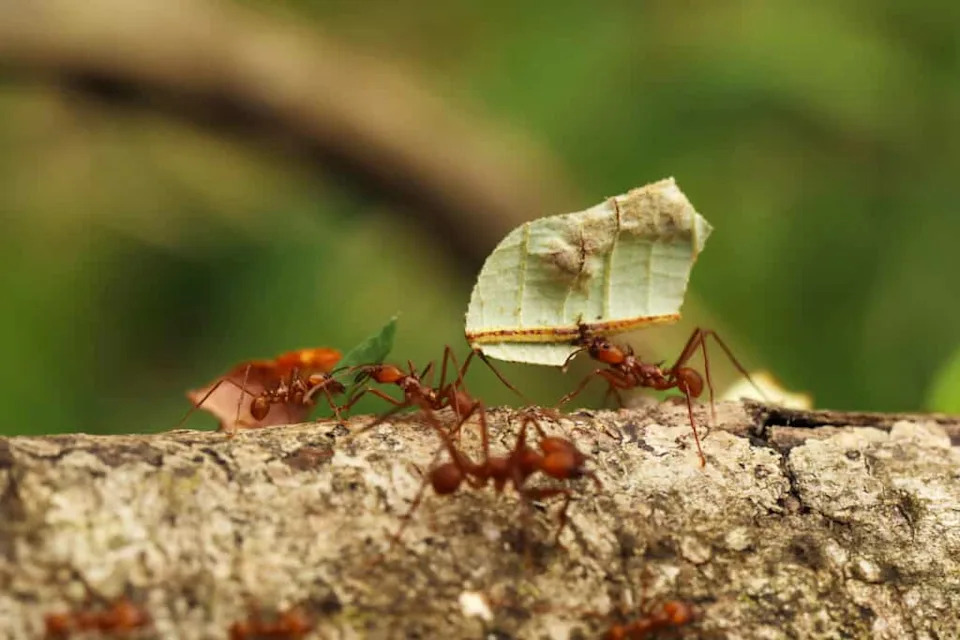
Leafcutter ants cultivate fungi from sections of leaves they clip and collect.©iStock.com/scigelova(iStock.com/scigelova)
Microclimates and Humidity Make It Worse
Amazon lowland forests combine high temperatures with high humidity, reducing evaporative cooling and increasing thermal stress for small animals. Many insects live year-round in warm, moist microhabitats such as the forest floor and understory, where seasonal temperature variation is minimal and species have evolved narrow thermal tolerance windows.
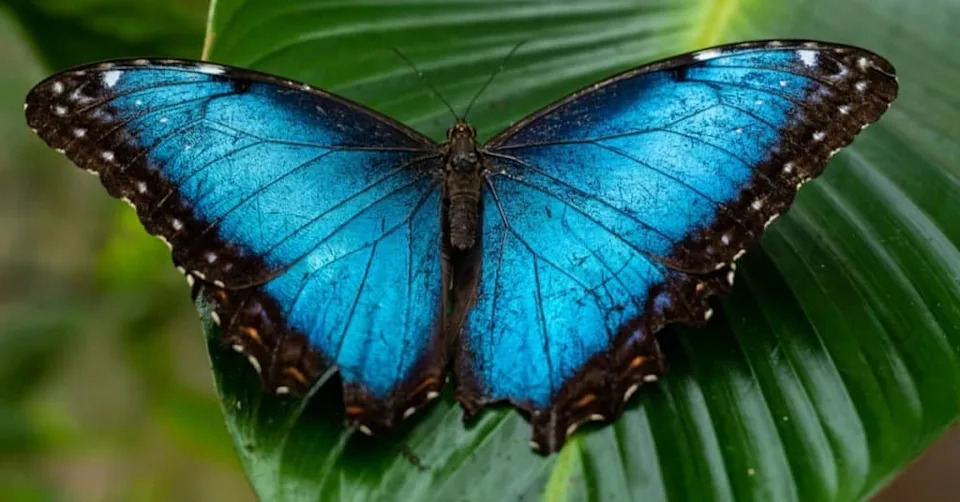
The blue morpho butterfly is one of the most beautiful insects living in the Amazon.©Gianfranco Vivi/Shutterstock.com(Gianfranco Vivi/Shutterstock.com)
Ecological Consequences
Insects perform critical ecosystem services: they pollinate flowers, decompose organic matter, recycle nutrients and regulate herbivore populations. Declines in pollinators, decomposers or predators would ripple through food webs—reducing seed and fruit production, slowing nutrient cycling, and altering habitat quality for birds, mammals and reptiles.
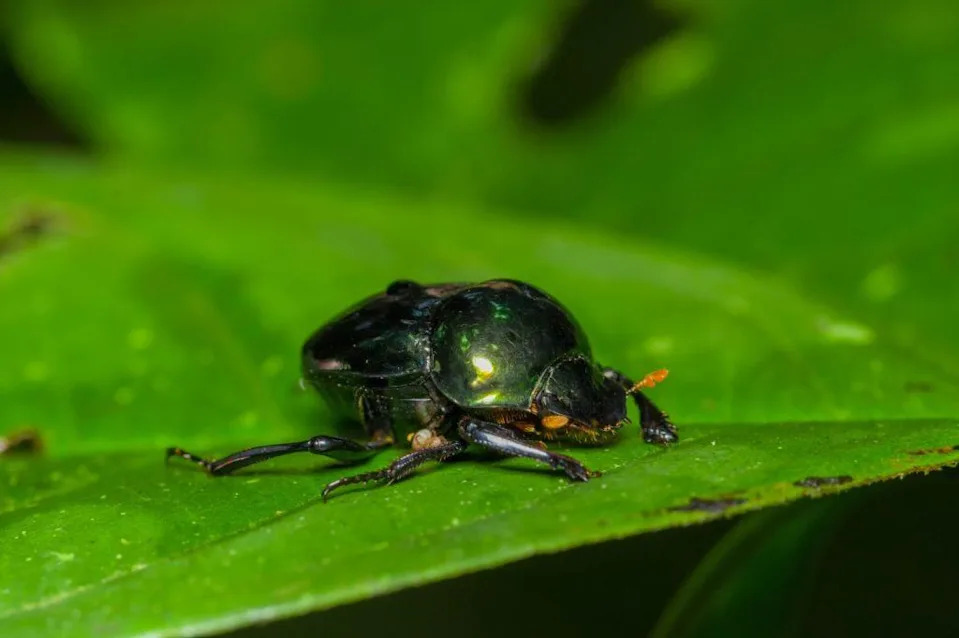
The Amazon has several species of scarab beetle with a metallic sheen.©Fotos593/Shutterstock.com(Fotos593/Shutterstock.com)
Examples From the Forest
- Leafcutter Ants: These ants cultivate fungal gardens in underground nests. Heat stress can reduce worker activity and slow the fungus, undermining colonies that strongly influence vegetation and soil mixing.
- Dung Beetles: By burying droppings, dung beetles move nutrients into the soil and limit parasites. Dryer, hotter conditions can reduce larval food and beetle activity, impairing soil fertility.
- Parasitoid Wasps: These tiny wasps control herbivore numbers by timing egg-laying to host development. Warming-driven phenological shifts can decouple host–parasite timing and allow herbivore outbreaks.
Possible Responses And Limits
Some insects may shift behaviorally—becoming active at cooler hours or seeking shade—or move upslope to cooler habitats. But many Amazon lowland populations live far from mountains and cannot migrate, and evolutionary adaptation may be too slow relative to current rates of warming. Repeated heat waves could progressively reduce reproduction and survival, causing slow declines in abundance.
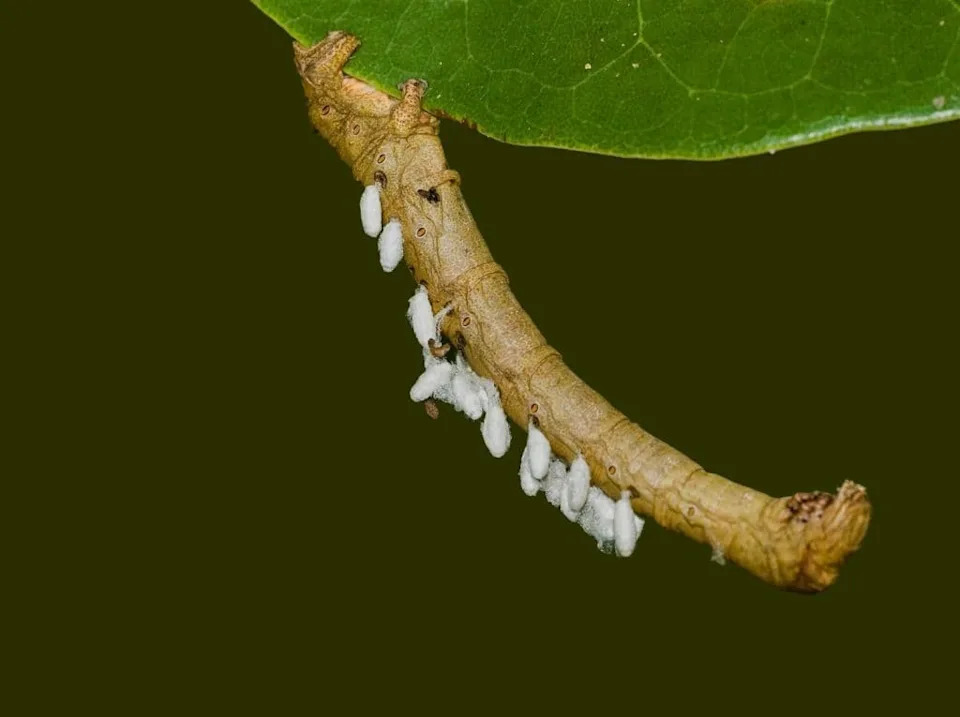
A caterpillar infected with the larvae of a parasitoid wasp.©Donna Bollenbach/Shutterstock.com(Donna Bollenbach/Shutterstock.com)
Conservation And Mitigation
Conservation measures can help buffer insect communities: protecting large tracts of intact forest preserves shade and humidity, limiting deforestation reduces local heating, and maintaining habitat connectivity creates options for range shifts. Reducing greenhouse gas emissions remains essential to limit the magnitude and frequency of future heat extremes.
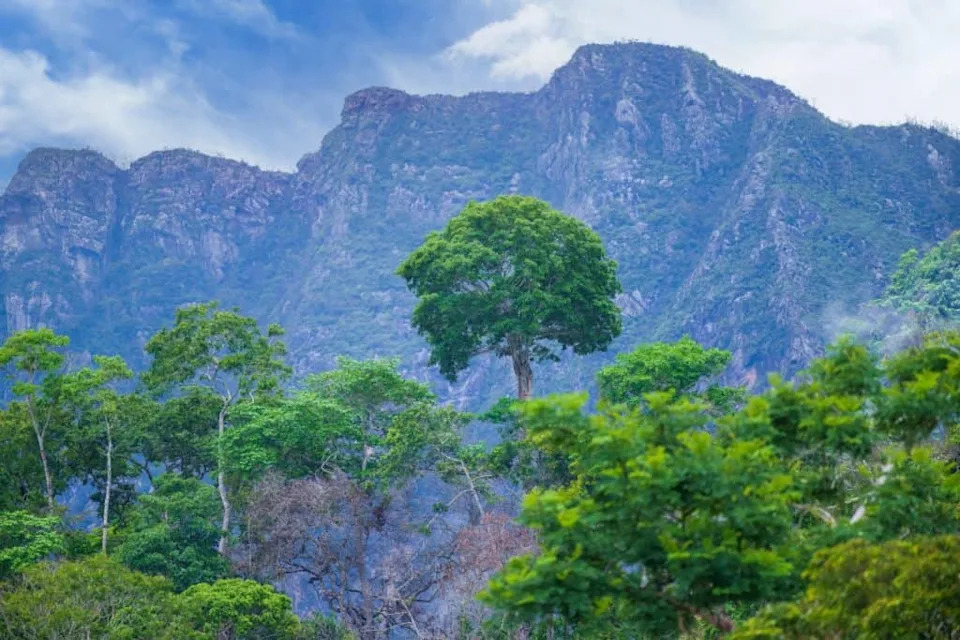
Some species may adapt to skyrocketing temperatures by migrating to higher elevations.©Miroslav Srb/Shutterstock.com(Miroslav Srb/Shutterstock.com)
Conclusion: Insects are small but foundational: they sustain pollination, decomposition and the base of many food webs. The study highlights that many Amazon species are already near thermal limits, and continued warming could cause widespread ecological stress. Protecting microclimates and reducing emissions will be central to preserving these essential services.
Help us improve.