The BMJ published a large observational study of more than 600,000 U.S. Veterans Affairs patients with diabetes that found starting GLP‑1 drugs was associated with lower risks of developing substance use disorders for alcohol, cannabis, cocaine, nicotine and opioids. GLP‑1 users showed relative reductions of 14%–25% for new addictions and, among patients already addicted, large decreases in emergency visits, hospitalizations, overdose and death. The analysis is observational, limited to a VA diabetes population, and cannot prove causation; randomized trials are needed before using GLP‑1s specifically to prevent or treat addiction.
Large VA Study Finds GLP‑1 Drugs Associated With Lower Risks Of Substance Use Disorders And Serious Harms
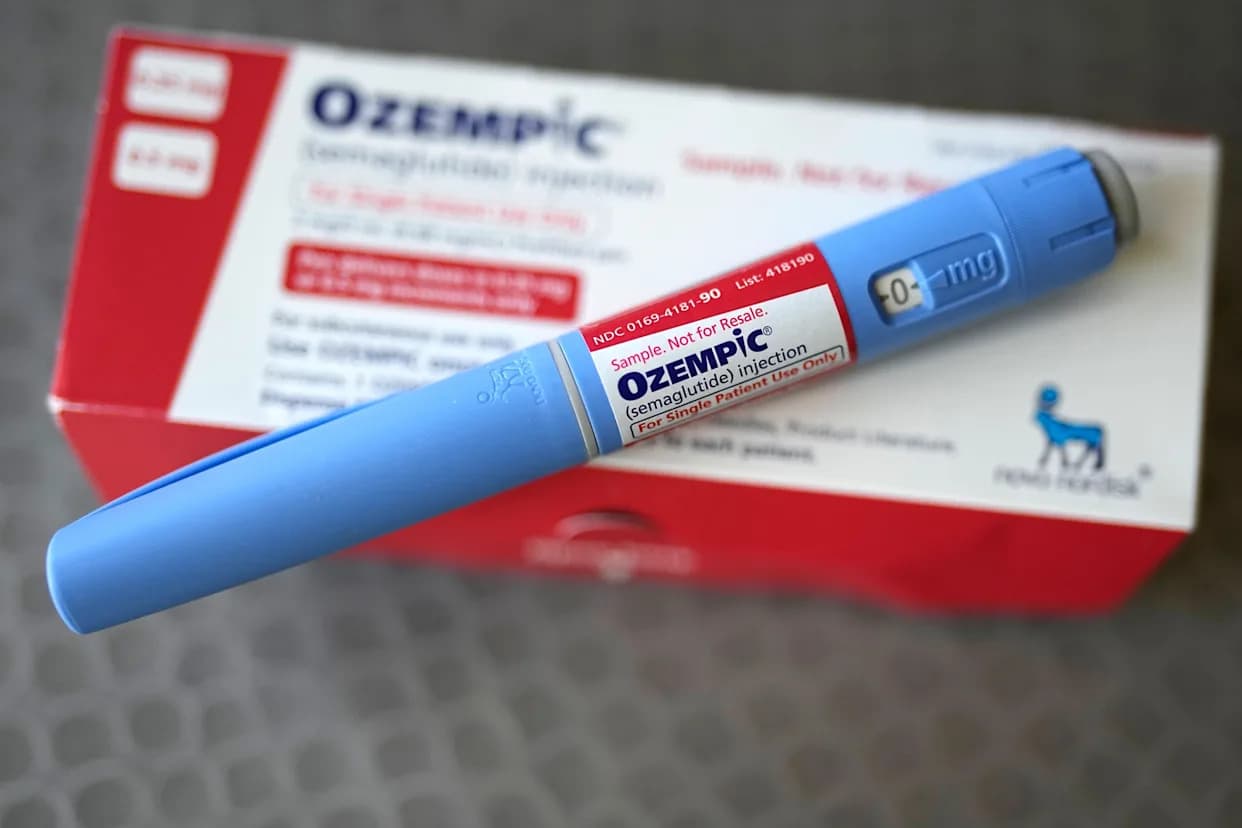
FILE - The injectable drug Ozempic in Houston on July 1, 2023. (AP Photo/David J. Phillip, File)(ASSOCIATED PRESS)
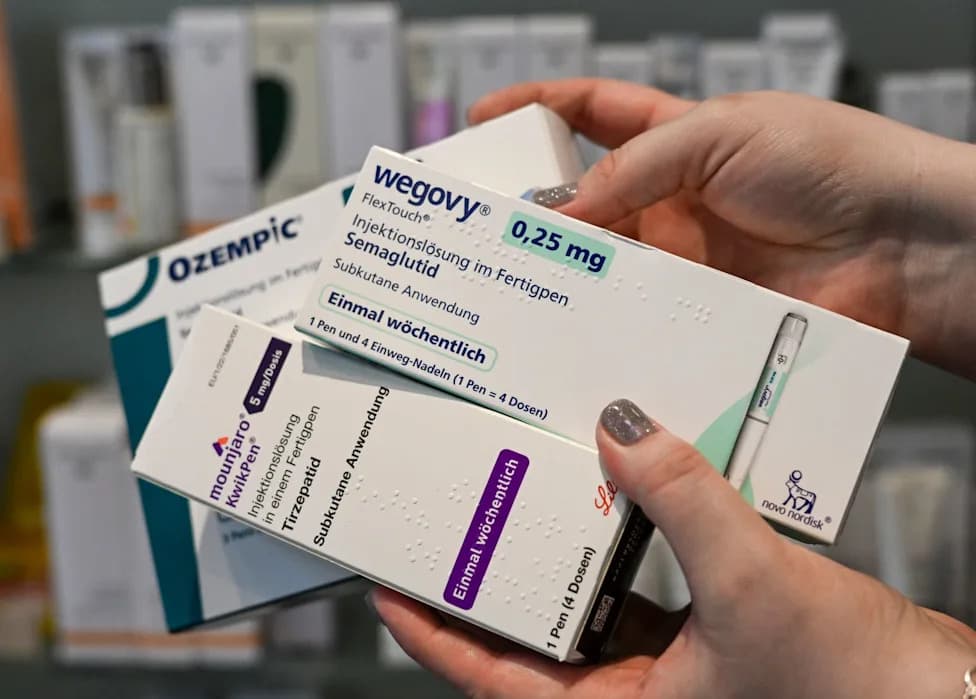
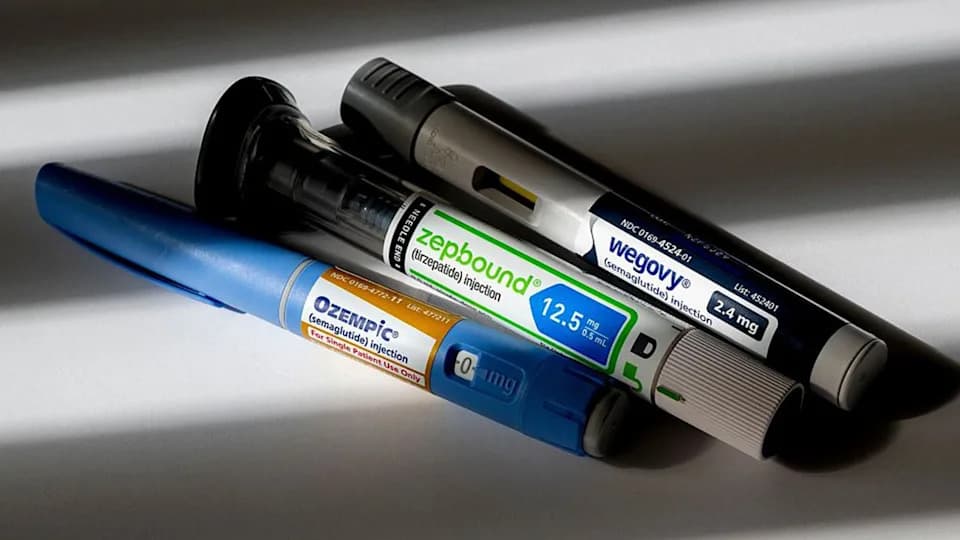
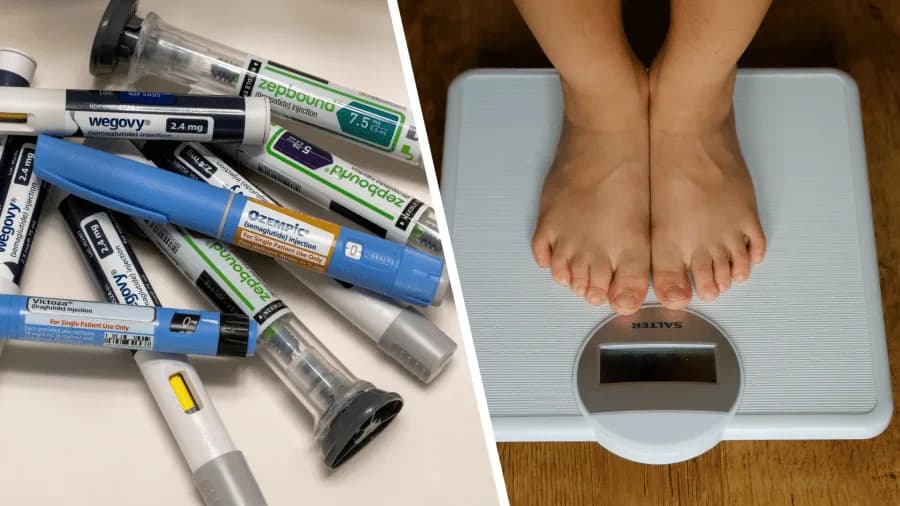
The GLP‑1 medications that have transformed diabetes and obesity care — including drugs such as Ozempic and Mounjaro — were associated with lower rates of developing multiple substance use disorders and with fewer severe harms among people already addicted, a large observational analysis published in The BMJ reports.
What the Study Did
Researchers analyzed electronic health records for more than 600,000 U.S. Department of Veterans Affairs patients with diabetes over a three‑year period. They compared people who began treatment with glucagon‑like peptide‑1 (GLP‑1) receptor agonists against those who started on other glucose‑lowering medications. The investigators ran seven parallel analyses to estimate the risk of developing addictions to alcohol, cannabis, cocaine, nicotine and opioids, and a separate analysis examined serious outcomes among people with existing substance use disorders.
Key Findings
- Starting a GLP‑1 drug was associated with lower relative risks of new substance use disorders: 18% less for alcohol, 14% less for cannabis, 20% less for cocaine, 20% less for nicotine, and 25% less for opioids compared with other glucose‑lowering medications.
- Among patients who already had substance use disorders, initiating GLP‑1 therapy was linked to substantial reductions in severe outcomes: 31% fewer emergency department visits, 26% fewer hospitalizations, 25% fewer episodes of suicidal ideation or attempts, 39% lower overdose risk and a 50% lower risk of death.
- The authors estimate that GLP‑1 treatment likely prevented about seven new cases of substance use disorder and roughly 12 incidents of serious harm for every 1,000 users over three years.
Interpretation and Limits
These results are notable but do not prove causation. The study is observational and compares GLP‑1 drugs with other glucose‑lowering medications rather than with no treatment or placebo. Important limitations include the VA study population (predominantly older, male and white, though the authors reported consistent results in a subgroup of more than 35,000 women) and the fact that all participants had diabetes. The researchers could not fully account for some potential confounders such as socioeconomic status, lifestyle factors or unmeasured clinical differences.
“They're actually working against the root cause of all these different addictions,” said Dr. Ziyad Al‑Aly, the study’s lead author, describing how GLP‑1s might act on core craving biology. Outside experts called the findings striking but emphasized randomized controlled trials are needed to confirm benefit and safety for addiction prevention or treatment.
Why This Matters
GLP‑1 receptor agonists are known to influence gut and brain hormones that regulate appetite and intrusive food cravings. The new data suggest a similar effect may reduce intrusive cravings for substances of abuse, potentially addressing a shared biological pathway across multiple addictions. Some clinicians have begun off‑label prescribing of GLP‑1s for addiction cases when other therapies fail, but experts urge caution because these drugs have side effects and are not universally effective.
Bottom Line
The BMJ analysis provides strong, hypothesis‑generating evidence that GLP‑1 medications may reduce the risk of developing substance use disorders and lower serious harms in people with existing addictions. However, because the study is observational and limited to a VA diabetes population, randomized clinical trials comparing GLP‑1s with placebo are required before recommending these drugs specifically for addiction prevention or treatment.
Support and disclosures: The original reporting noted support for the Associated Press Health and Science Department from research education foundations; the AP is solely responsible for the content.
Help us improve.