Study Finds Targeted Kidney Benefit From GLP-1 Drugs. An observational analysis of roughly 75,000 people (average follow-up 32 months) reported that GLP-1 weight-loss/diabetes medications were associated with slower kidney-function decline in patients with albuminuria. The benefit was not seen in patients without albuminuria. Experts say the results are promising but observational, and further trials are needed. CKD affects nearly 900 million people worldwide and is often undiagnosed in early stages.
GLP-1 Weight-Loss Drugs May Slow Kidney Decline in Diabetics With Albuminuria, Large Study Finds

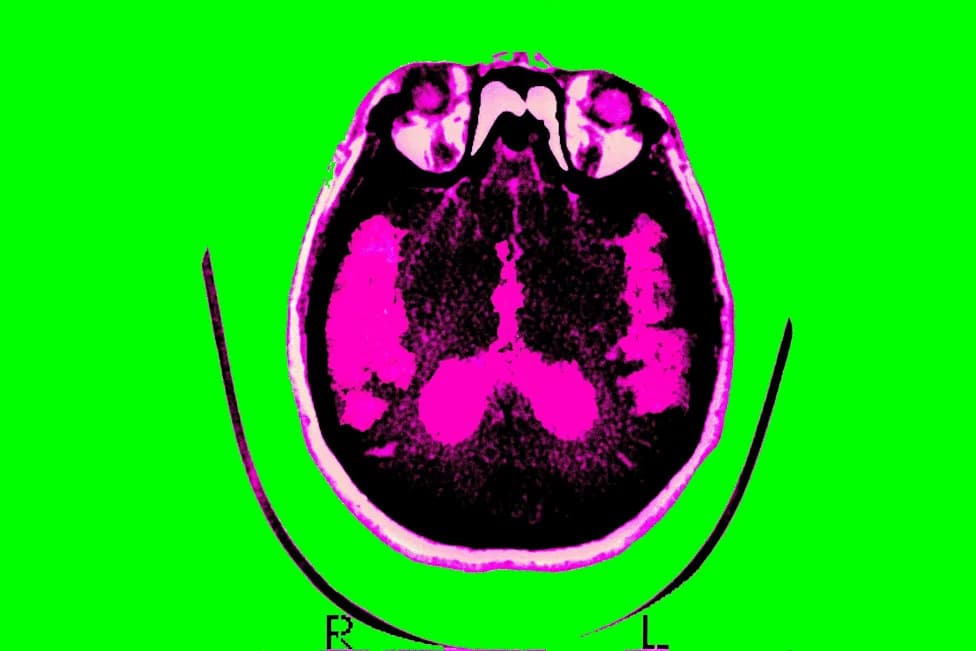
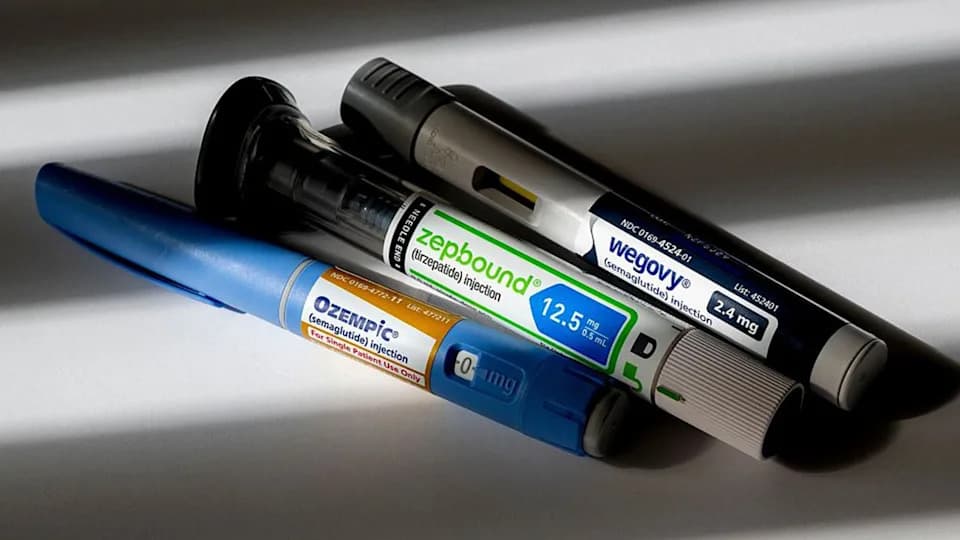
Hair loss, eased asthma and other surprising side effects are showing up as weight-loss drugs go mainstream. Now a major study of 75,000 patients suggests GLP-1s may slow kidney decline in one group. Jens Kalaene/dpa
As use of GLP-1 receptor agonists — drugs commonly prescribed for weight loss and type 2 diabetes — has surged, reports of both beneficial and adverse effects have followed, from improved asthma control to hair thinning. A new large analysis adds a potentially important benefit: slower kidney decline in a subgroup of patients.
Study Overview
Published in the British Medical Journal, the study analyzed medical records for about 75,000 people who were followed for an average of 32 months. Kidney function was tracked through routine blood tests, and the research team compared rates of decline among patients who did and did not use GLP-1 medications.
Key Finding
GLP-1 drugs were associated with a slower decline in kidney function among patients with albuminuria — a condition defined by elevated levels of protein in the urine that signals kidney damage. The benefit was not observed in patients without albuminuria: the authors reported "little evidence" of a kidney-protective effect for that group.
Context and Cautions
The multi-center team included researchers from Brigham and Women's Hospital and Harvard Medical School and builds on prior studies suggesting GLP-1 medications can reduce progression of chronic kidney disease (CKD) in people with diabetes. This analysis used observational health-record data, so it can identify associations but cannot prove cause and effect. The authors and other experts emphasize the need for randomized trials and careful clinical evaluation before changing treatment solely to protect kidney function.
Broader Public-Health Note
The paper followed a warning from Duke University and the National University of Singapore that as many as half of CKD cases worldwide may be undiagnosed because early stages are often silent. "Symptoms of CKD may develop only in the most severe or advanced stages, close to the time of kidney failure when dialysis or kidney transplant is required," the researchers noted.
CKD is currently ranked among the top 10 causes of death globally, affecting nearly 900 million people, according to Duke-NUS.
Clinicians and patients should view these findings as promising but preliminary: GLP-1 therapies may offer kidney benefits specifically for diabetics with albuminuria, but further research is needed to confirm benefits, determine which patients gain the most, and weigh risks and side effects.
Help us improve.