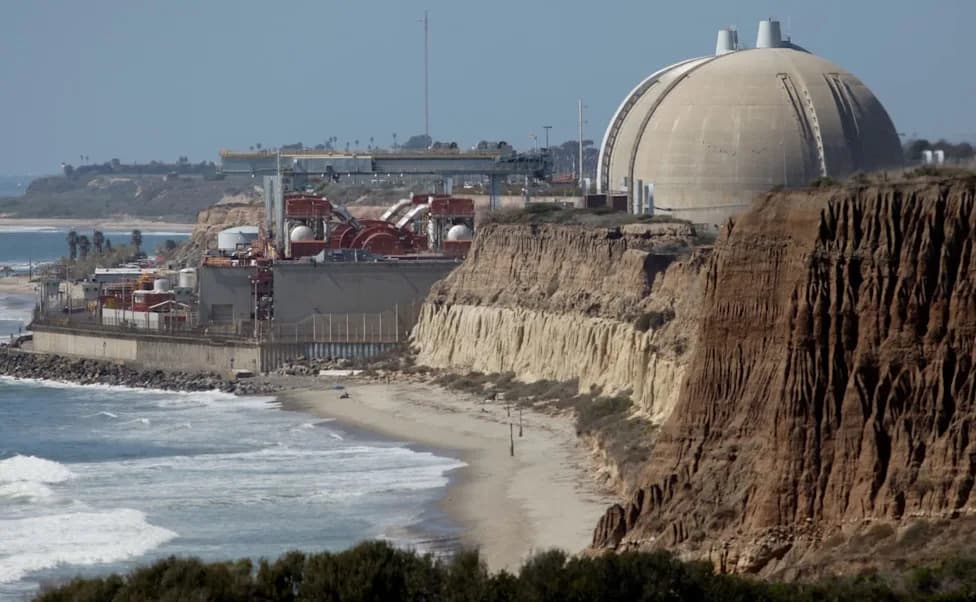
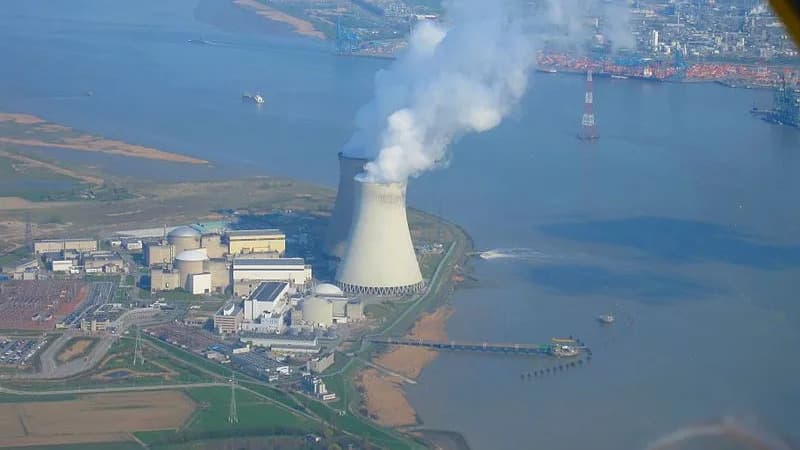
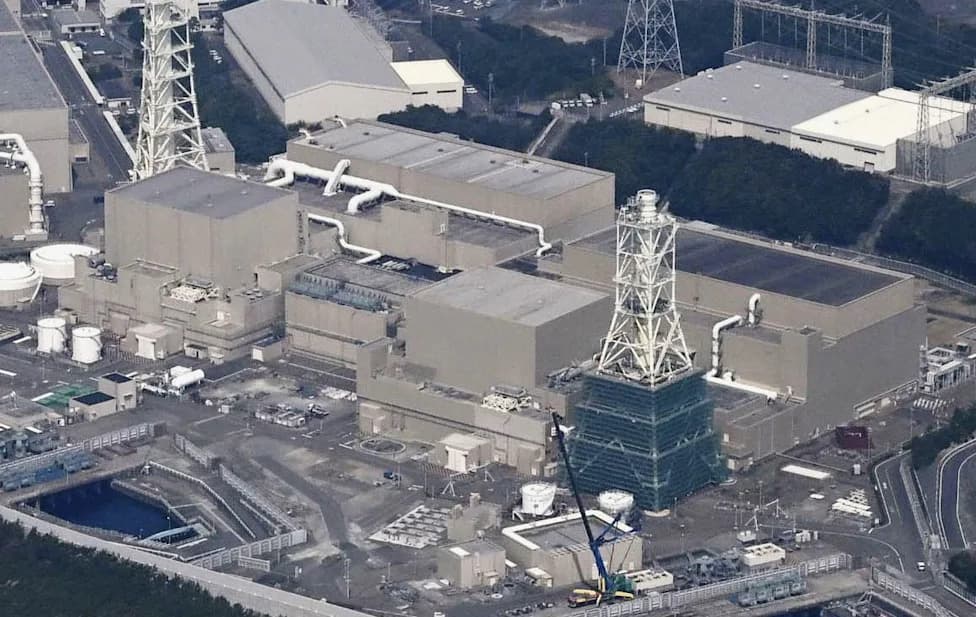
Japan has proposed an initial geological review of Minamitorishima, a remote uninhabited Pacific island nearly 2,000 km east of Tokyo, to evaluate its suitability for burying spent nuclear fuel. The state-owned, 1.5 km² island is off-limits to civilians and has been described by officials as having "scientifically favourable" traits. The request to review geological and volcanic documents is the first step in a three-part site-selection survey, part of Japan's broader shift back toward greater nuclear power use following the 2011 Fukushima disaster. Finland's Onkalo deep geological repository is cited as an international reference point.
Japan Eyes Remote Minamitorishima Island for Spent Nuclear Fuel: Preliminary Survey Proposed
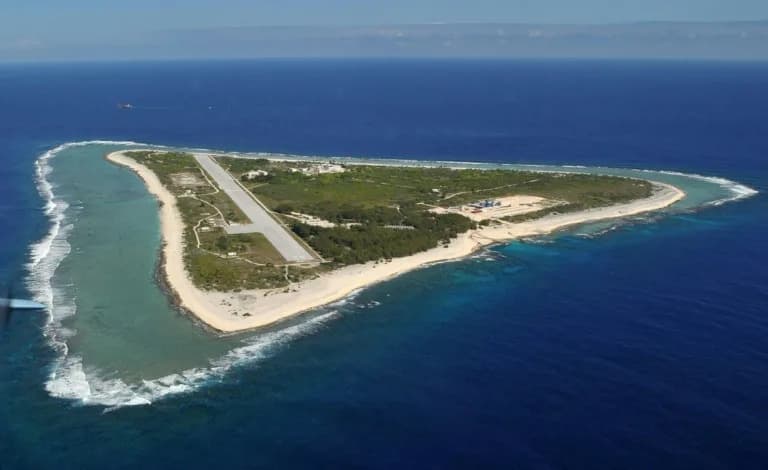
Japan is looking into using its remote and easternmost Pacific island Minamitorishima for long-term storage of nuclear waste (STR)(STR/JIJI PRESS/AFP)
Japan has proposed a preliminary survey of Minamitorishima, a remote, uninhabited Pacific island nearly 2,000 kilometres (about 1,250 miles) east of Tokyo, to assess whether it could host a facility for burying spent nuclear fuel.
What the Government Is Proposing
State-owned Minamitorishima, roughly 1.5 square kilometres (0.6 square miles) in area and ringed by a coral atoll, is off-limits to civilians and tourists. Industry Minister Ryosei Akazawa told reporters the island contains "some unexplored landmass capable of hosting a facility" and has "scientifically favourable traits." Authorities have asked the Tokyo municipality that administers the island to review geological documents on land conditions and volcanic activity — the first stage of a planned three-part survey to select a final disposal site.
Context And Previous Steps
Locating permanent repositories for spent nuclear fuel — which can remain hazardous for thousands of years — is a global challenge. Japan has already conducted exploratory probes at three locations on two of its four main islands, including two sites in Hokkaido and one in Kyushu. Minamitorishima appears to be the first candidate selected directly by the central government rather than through local applications.
Why This Matters
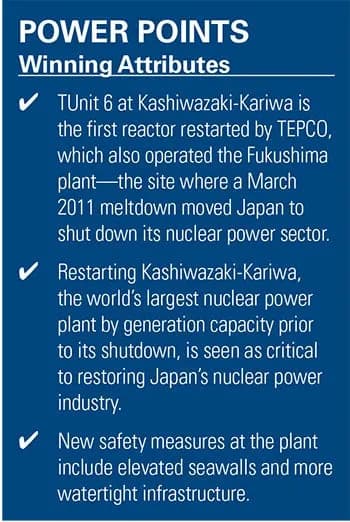
The move comes as Japan shifts its energy policy back toward what it calls the "maximum use of nuclear power," 15 years after the Fukushima disaster. In January, Japan restarted a reactor at one of the country's largest nuclear power plants in Niigata Prefecture — a sign of the broader return to nuclear generation.
International Comparison: Finland has completed Onkalo, the world’s first deep geological repository for spent nuclear fuel, designed to isolate waste about 400 metres (1,300 feet) below ground. Onkalo is often cited as an operational model for long-term disposal.
Outstanding Questions
Officials will need to address environmental, technical and legal considerations, including the island's coral ecosystem, seismic and volcanic risk, long-term containment safety, and local and international perceptions. Further surveys and stakeholder consultations would follow if preliminary results are positive.
Key facts: Minamitorishima is state-owned, uninhabited, about 1.5 km² in size, and the central government has requested a geological review as the first step in a three-stage selection process.
Help us improve.