A study in the Journal of Animal Ecology finds Adélie, Chinstrap and Gentoo penguins on the Antarctic Peninsula are breeding earlier, with Gentoos advancing about 13 days per decade and some colonies shifting up to 24 days. Researchers link the change to accelerating sea-ice loss and regional warming — colony sites warmed roughly 0.3°C per year, about four times the wider average. Scientists warn generalist species may gain an advantage while specialists could decline, potentially disrupting food webs; they call for continued monitoring to assess impacts on reproductive success.
Antarctic Penguins Are Breeding Earlier — Climate Change Could Create 'Winners And Losers'
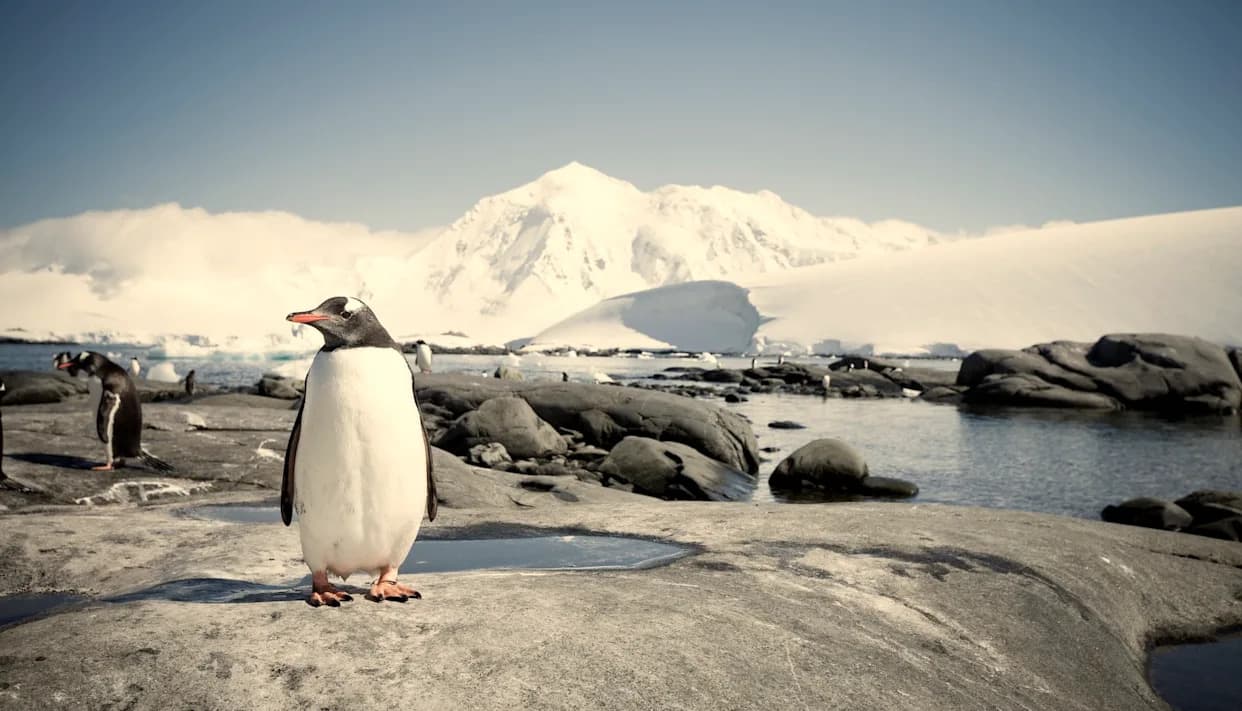
Photo Credit: iStock
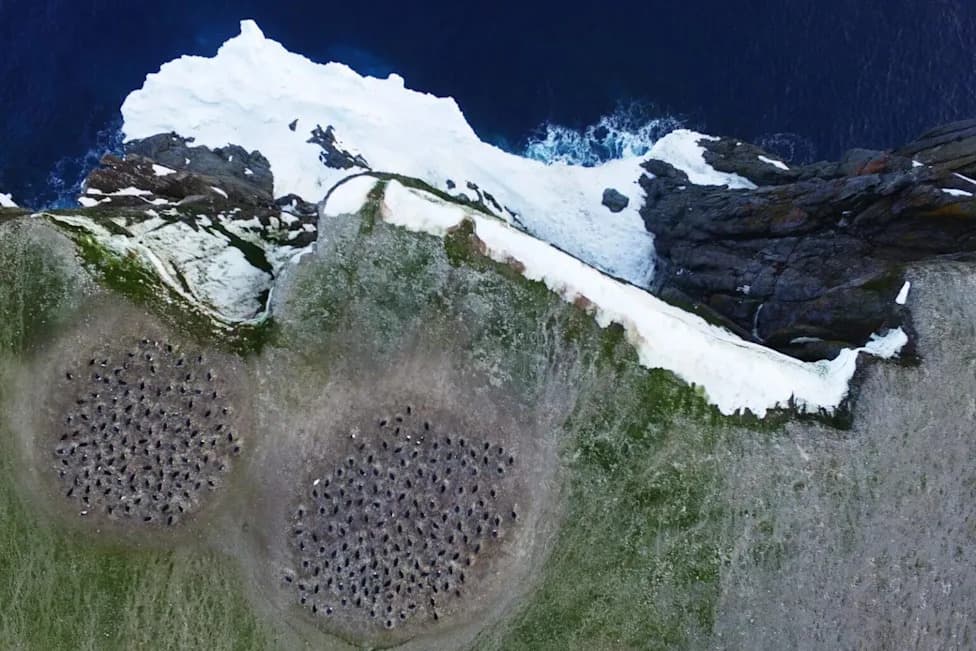
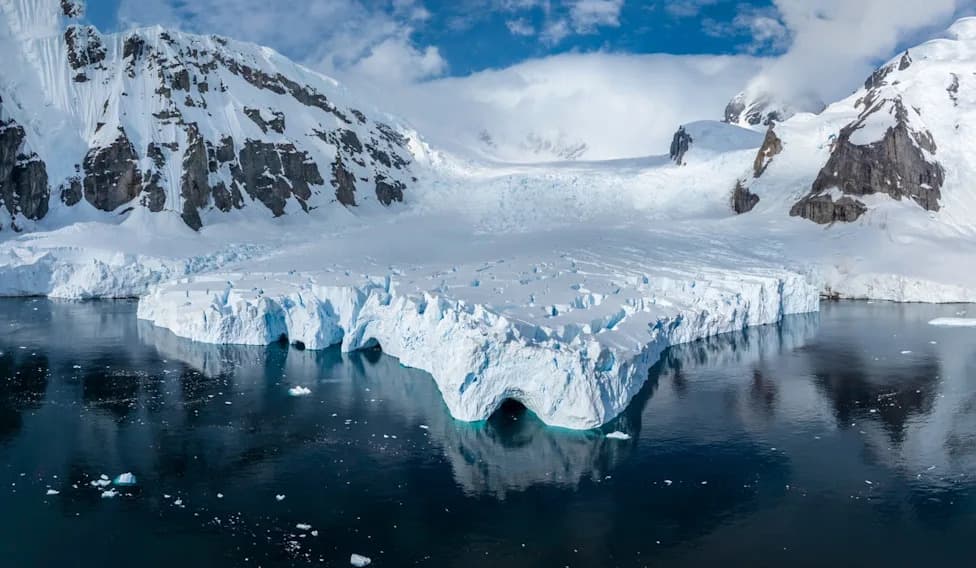
Researchers report that several Antarctic penguin species are beginning their breeding seasons progressively earlier as regional temperatures rise and sea ice declines. A new paper in the Journal of Animal Ecology analyzed long-term records for Adélie, Chinstrap and Gentoo penguins and found notable advances in breeding timing across the Antarctic Peninsula.
Key Findings
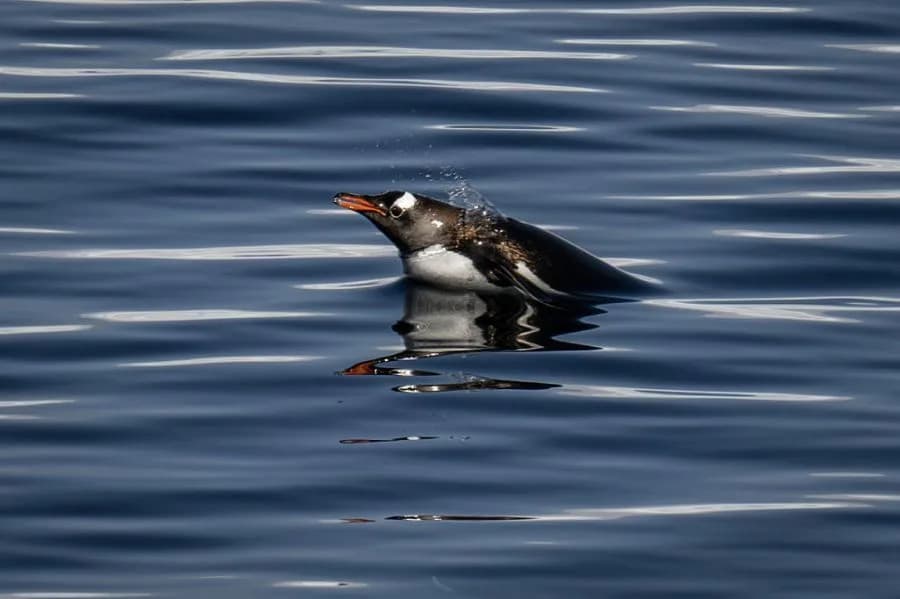
The study found that Gentoo penguins showed the largest shift, advancing their breeding by an average of 13 days per decade, with the most extreme colonies shifting as much as 24 days. Adélie and Chinstrap penguins moved their breeding seasons earlier by about 10 days per decade on average. These timing changes coincided with accelerated sea-ice loss and regional warming: colony locations in the study warmed by roughly 0.3°C per year, about four times the broader average for the region reported by the authors.
Scientists warn that changing breeding windows will not affect all species equally. Generalist feeders such as Gentoos may be better able to exploit new conditions, while specialists — including the krill-reliant Chinstraps and the ice-dependent Adélies — could face declines, intensifying interspecies competition and disrupting established food webs.
“There will likely be winners and losers of climate change,” said lead author Dr. Ignacio Juarez Martínez in a University of Oxford write-up cited by Phys.org. “The increasingly subpolar conditions of the Antarctic Peninsula likely favor generalists like Gentoos at the expense of polar specialists.”
Why Penguins Matter
Penguins play a central role in Southern Ocean ecosystems: they consume fish, squid and krill, and they are prey for larger marine predators. Because their populations and behavior respond quickly to environmental change, penguins are considered a bellwether for broader climate impacts on polar systems.
The study also notes indirect links between penguin populations and human communities. For example, penguin guano influences nutrient cycles and can affect local ocean processes that help regulate surface temperatures. Changes to penguin abundance and behavior could therefore have cascading effects on marine ecosystems and, indirectly, on people who rely on those systems.
While the observed pattern of earlier breeding is concerning, the authors emphasize the need for continued monitoring to determine whether these shifts are already harming reproductive success and to inform conservation responses aimed at reducing heat-trapping pollution.
“Further monitoring is needed to understand whether this record advance in the breeding seasons of these penguin species is impacting their breeding success,” said co-author Dr. Fiona Jones, as cited by Phys.org.
Help us improve.