The EPA's repeal of the endangerment finding removes the federal legal basis for vehicle greenhouse-gas limits, freeing automakers from those constraints and undercutting long-standing national climate policy. Legal scholars say the rollback could paradoxically create space for states — notably California — to craft their own tailpipe rules if federal authority is found to have collapsed. Gov. Gavin Newsom has pledged to sue, and lawmakers are actively debating state-level options as automakers warn a patchwork of standards would complicate production and consumer choice.
EPA Repeals Endangerment Finding — Could California Turn a Rollback into a Win?
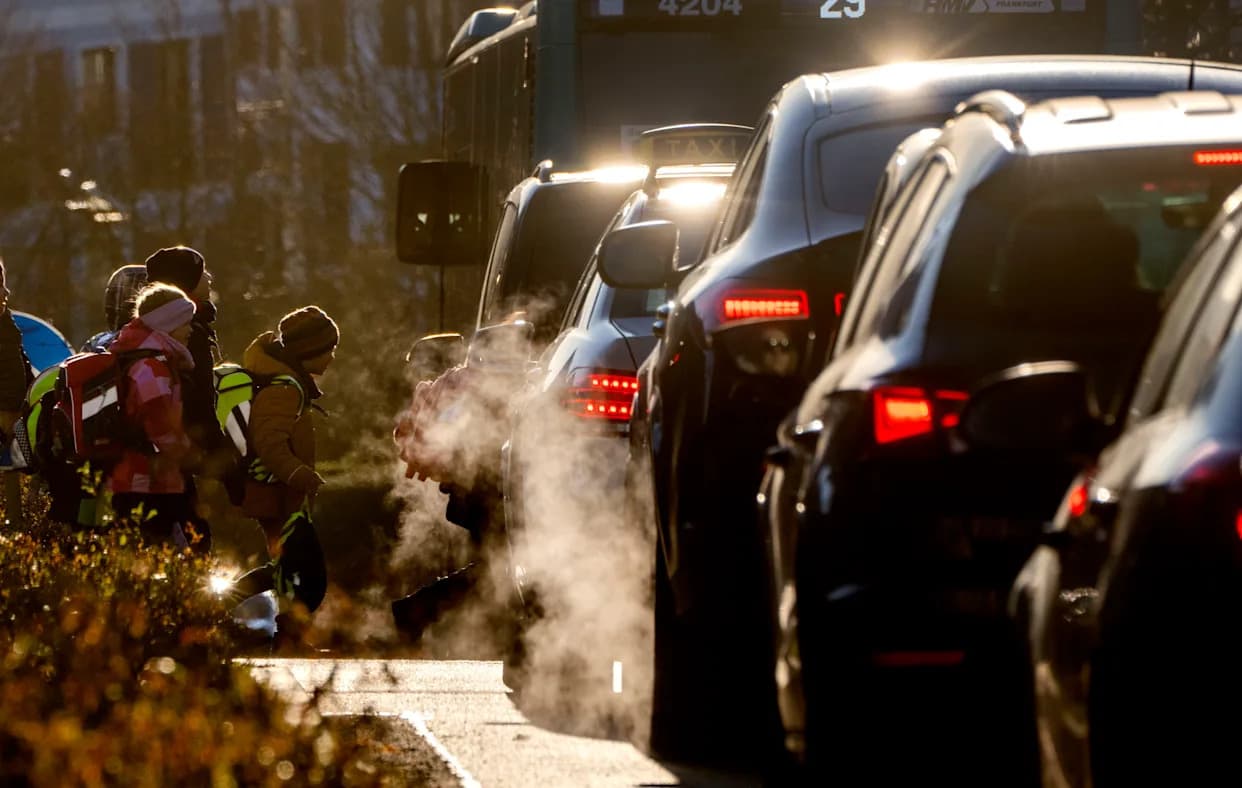
The EPA's recent move to revoke the so-called endangerment finding — the Obama-era determination that provided the federal government its legal basis to regulate greenhouse gases from vehicles — has shaken U.S. climate policy. While the decision frees automakers from federal greenhouse-gas limits, it also sets up a legal and political contest that could, paradoxically, expand state-level authority — and that could benefit California.
What the Repeal Means
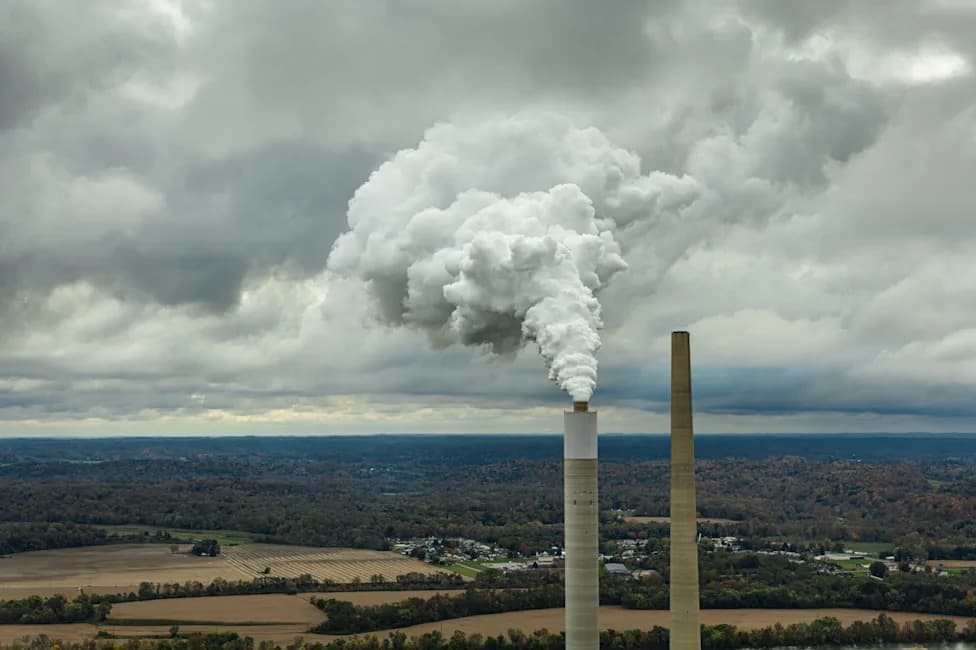
By rescinding the endangerment finding, the agency removes the federal justification for tailpipe greenhouse-gas standards. That change could blunt federal oversight of vehicle emissions and loosen constraints on how car and truck makers design future models.
How States Could Respond
Legal experts say that if federal authority to regulate greenhouse gases from vehicles is curtailed — and if the Supreme Court revisits or overturns Massachusetts v. EPA (2007) — states could seek new regulatory space to fill the gap. Currently, states are generally preempted from setting their own tailpipe rules when federal standards exist. But if federal rules disappear or are found unsupported, that preemption becomes harder to justify.
“If that happens, then EPA lacks any authority to issue standards, including under a new administration,” said Ann Carlson, a legal expert familiar with federal environmental law. “That would leave states as the natural locus for regulatory power.”
California’s Stakes
California has framed much of its climate strategy around electrifying transportation: state officials estimate the transportation sector accounts for roughly half of the state’s carbon emissions. Gov. Gavin Newsom has pledged to sue to block the rollback, and state lawmakers are openly debating whether California should pursue unilateral state rules on tailpipe emissions if federal authority collapses.
California regulators previously relied on an EPA waiver that allowed the state to adopt stricter-than-federal tailpipe standards. That waiver was revoked by congressional action in June, making the legal environment more complicated. Without the endangerment finding, however, the politically fraught process of seeking federal approval could become unnecessary.
Industry Reaction and Practical Risks
Major automakers have historically favored national, uniform standards to avoid a patchwork of state rules. While some manufacturers lobbied to limit California's ability to impose EV mandates, most stopped short of publicly celebrating the endangerment-finding repeal.
“The auto industry in America remains focused on preserving vehicle choice for consumers, keeping the industry competitive, and staying on a long-term path of emissions reductions and cleaner vehicles,” said John Bozzella, president and CEO of the Alliance for Automotive Innovation.
If California and several other states move to set different tailpipe standards, automakers could face a more complex compliance landscape — and consumers could see regional differences in vehicle offerings.
What Comes Next
The repeal will almost certainly be litigated, and the courts — potentially the Supreme Court — will play a decisive role. In the meantime, California lawmakers and air regulators are weighing legal options, from immediate lawsuits to designing state-level regulations that test whether preemption still applies when federal backing is withdrawn.
Ultimately, the EPA’s repeal has injected fresh uncertainty into U.S. vehicle-emissions policy — but it has also created an opening for states, led by California, to reshape the regulatory landscape.
Help us improve.