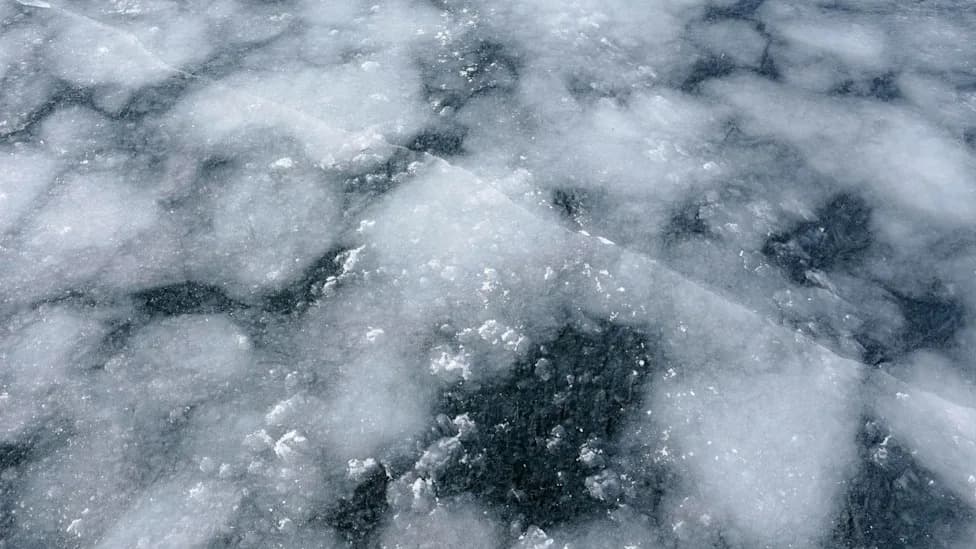
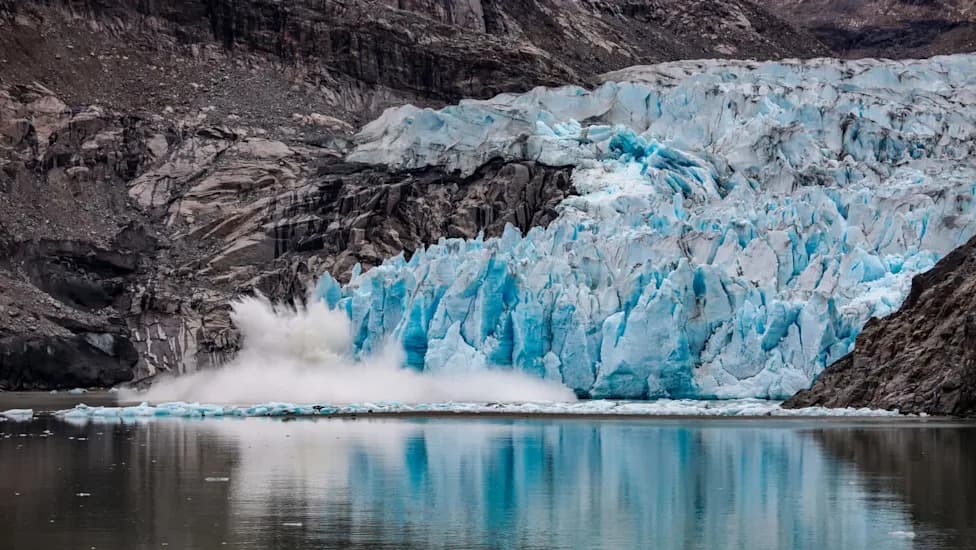
Jørgen Kristensen, a 62-year-old five-time Greenlandic dog-sled champion, says winter ice in Ilulissat has largely disappeared, forcing sleds across rock and soil and undermining traditional hunting and travel. The nearby Sermeq Kujalleq glacier has retreated roughly 40 km (25 miles), contributing to global sea-level rise and exposing mineral deposits that heighten geopolitical interest. Locals warn black carbon and volcanic debris are accelerating surface melt, and call for better climate education and leadership that listens to scientists.
Melting Ice Threatens Greenland Dog-Sled Culture — and the World
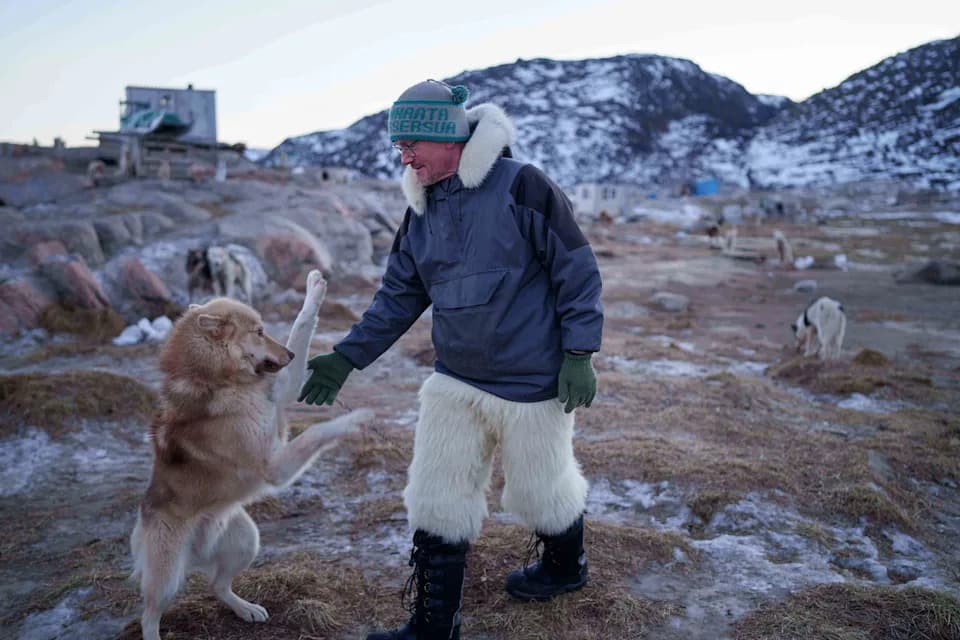
Jørgen Kristensen pets his sled dog before a ride in Ilulissat, Greenland, Tuesday, Jan. 27, 2026. (AP Photo/Evgeniy Maloletka)(ASSOCIATED PRESS)
ILULISSAT, Greenland — Jørgen Kristensen grew up with sled dogs as his closest companions. Bullied at school for his fair hair, he found comfort among the animals that later made him a five-time Greenlandic dog-sled champion. Now 62, Kristensen watches the landscape that shaped his life change before his eyes.
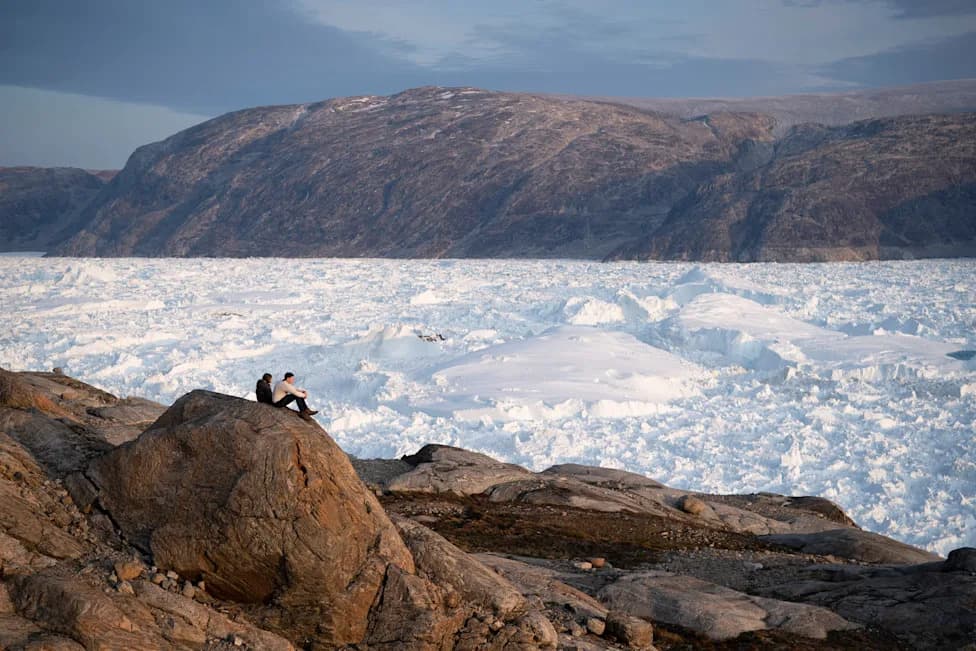
For more than a thousand years, Inuit hunters and fishers have relied on sled dogs to cross sea ice and frozen expanses. This winter in Ilulissat, roughly 300 km (186 miles) north of the Arctic Circle, the ice that once served as a highway has largely disappeared. Kristensen's sled now bumps over exposed soil and rock; he says it is the first January he can remember with no snow on the hills or ice in the bay.
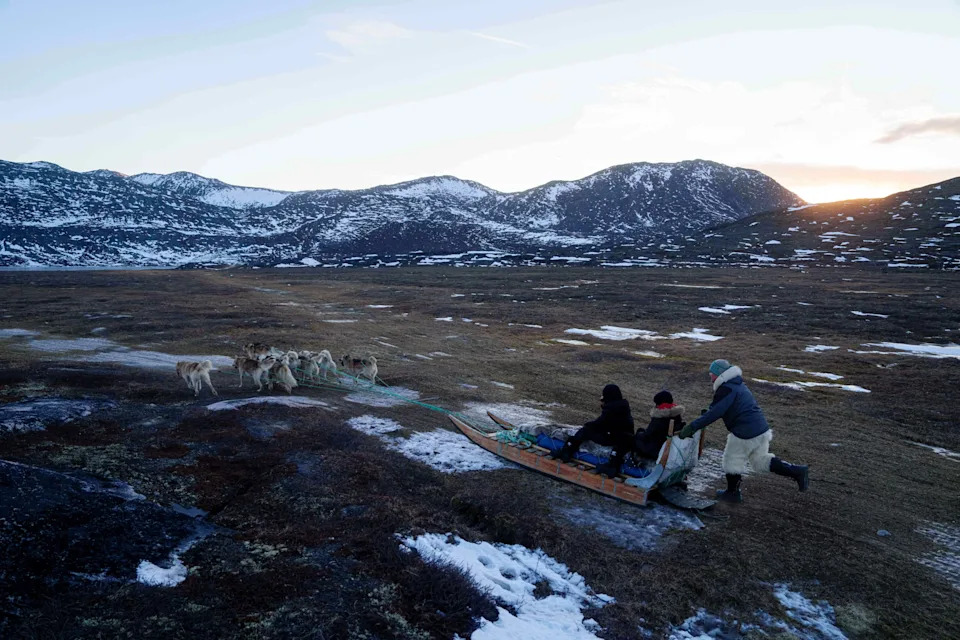
Jørgen Kristensen rides with his sled dogs in Ilulissat, Greenland, Tuesday, Jan. 27, 2026. (AP Photo/Evgeniy Maloletka)(ASSOCIATED PRESS)
Local Losses, Global Consequences
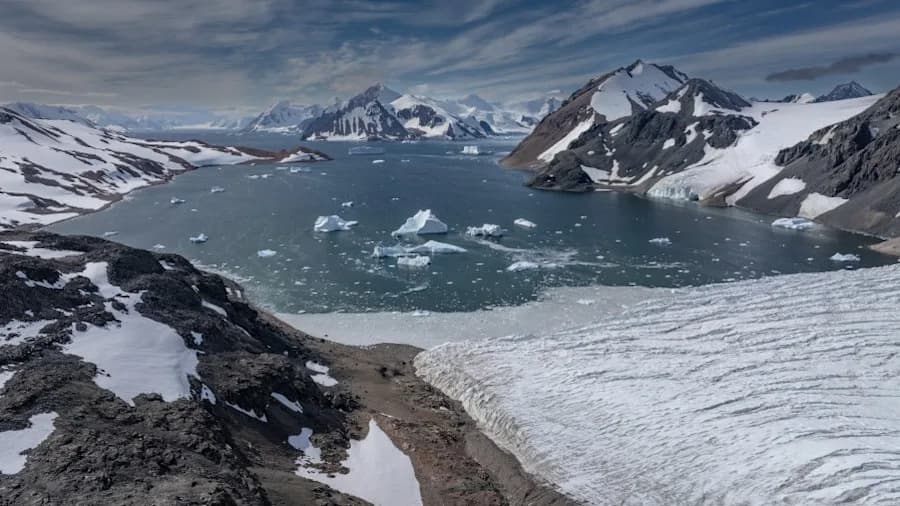
Rising temperatures in Ilulissat are thawing permafrost, causing buildings to settle and pipes to crack. Nearby Sermeq Kujalleq — one of the fastest-moving glaciers on Earth — has retreated by about 40 kilometers (25 miles) in Kristensen’s lifetime. UNESCO notes the glacier calves more icebergs than any glacier outside Antarctica, and NASA scientists warn that its accelerated melt is a measurable contributor to global sea-level rise.
Melting also exposes mineral deposits long locked under ice, which has intensified international interest in Greenland's resources. Many locals cite past remarks by former U.S. President Donald Trump about buying Greenland as evidence of geopolitical pressure tied to newly accessible minerals.
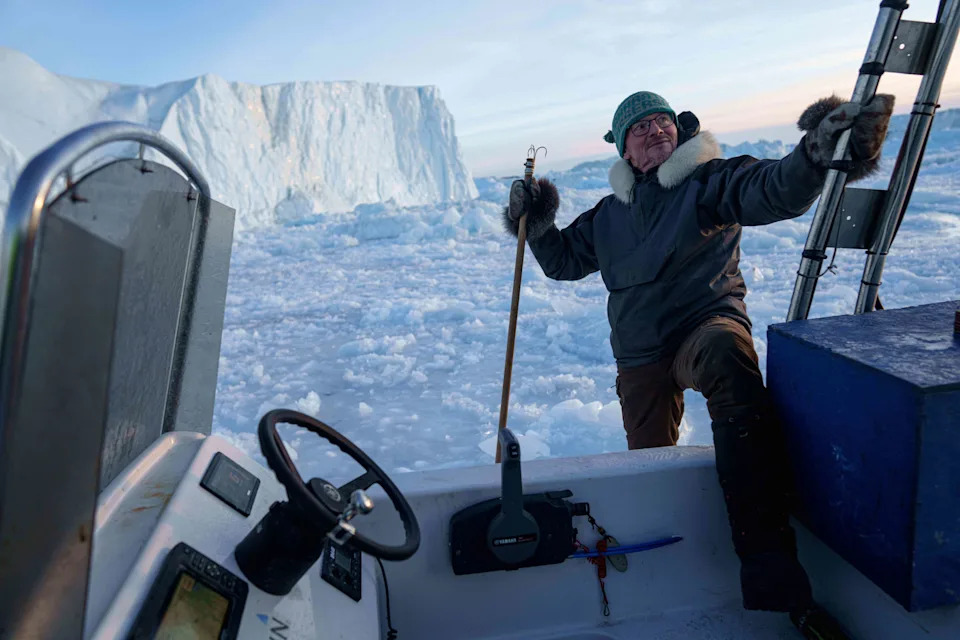
Jørgen Kristensen gets on a boat by an iceberg at Disko Bay near Ilulissat, Greenland, Thursday, Jan. 29, 2026. (AP Photo/Evgeniy Maloletka)(ASSOCIATED PRESS)
Culture, Safety and Livelihoods at Risk
Kristensen says the disappearance of stable winter ice threatens more than transportation: it endangers traditional hunting, disconnects communities, and erodes a cultural way of life. "If we lose the dog sledding, we have large parts of our culture that we’re losing. That scares me," he said, his voice breaking.
When sea ice formed reliably, it acted like "the world’s longest and widest highway," enabling travel between hunting grounds and Inuit communities across the Arctic. This January, the highway was gone.
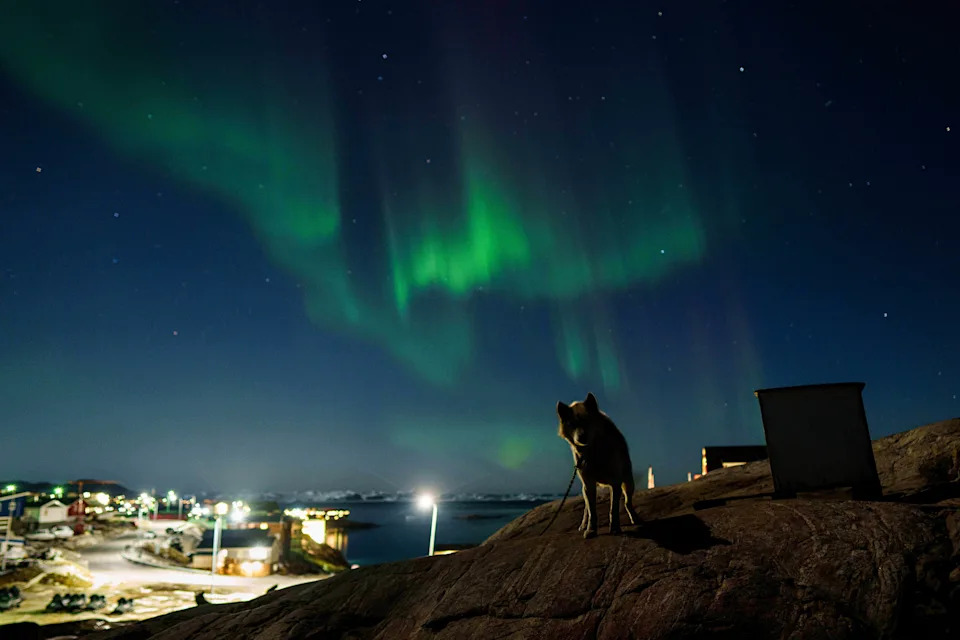
A sled dog stands as the northern lights shine over Ilulissat, Greenland, Wednesday, Jan. 28, 2026. (AP Photo/Evgeniy Maloletka)(ASSOCIATED PRESS)
Sara Olsvig, chair of the Inuit Circumpolar Council, said Greenland’s government has at times provided emergency support when sea ice failed to freeze sufficiently for hunting. Meanwhile, fishermen who have switched to boats face new dangers: rain is replacing snow more often, and ice that forms from freezing rain is glassy and transparent, making it hard to detect and potentially deadly.
What’s Speeding the Melt?
Scientists and local observers point to several accelerants. Black carbon (soot) from increased shipping darkens snow and ice, reducing reflectivity and increasing absorption of sunlight. Volcanic ash and dust from eruptions in nearby regions also darken surfaces. Unlike many Antarctic glaciers that mainly melt from below as oceans warm, Sermeq Kujalleq is visibly melting from the surface down as well.
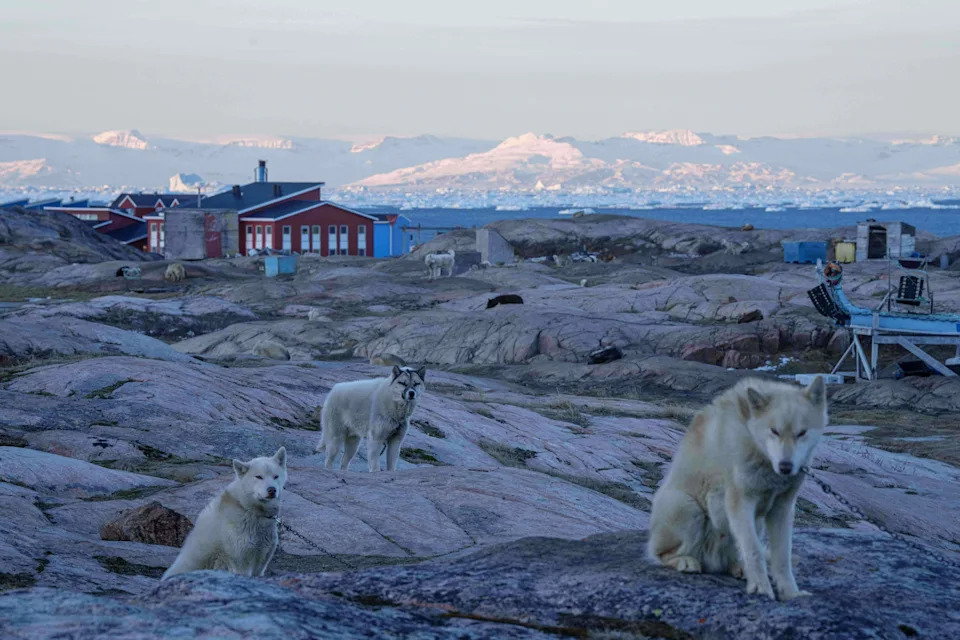
Greenlandic sled dogs stand in Ilulissat, Greenland, Tuesday, Jan. 27, 2026. (AP Photo/Evgeniy Maloletka)(ASSOCIATED PRESS)
“We need leaders to listen to scientists,” said Karl Sandgreen, head of Ilulissat’s Icefjord Center, which documents the glacier and its icebergs. Local guides like Kristensen try to explain to visitors that Greenland’s glaciers are as crucial to the planet as the Amazon rainforest.
Kristensen and others stress that while international climate summits matter, education at all levels is essential. "If we don’t start with the children, we can’t really do anything to help nature," he said. "We can only destroy it."
This report is based on interviews and reporting by The Associated Press. AP is responsible for the content of this article.
Help us improve.