Estonia's foreign minister, Margus Tsahkna, warned that NATO would carry out deep strikes into Russia if Moscow invaded the Baltic states, arguing that Estonia, Latvia and Lithuania would actively repel any assault. He said the region is accelerating defence investment — roughly 5% of GDP — and building capabilities to deter aggression. The warning came after a controversial Die Welt war game that imagined rapid Russian gains and an indecisive NATO, a scenario Baltic officials have rejected as outdated and insulting.
Estonia Says NATO Would Strike Deep Into Russia If Moscow Invades The Baltics
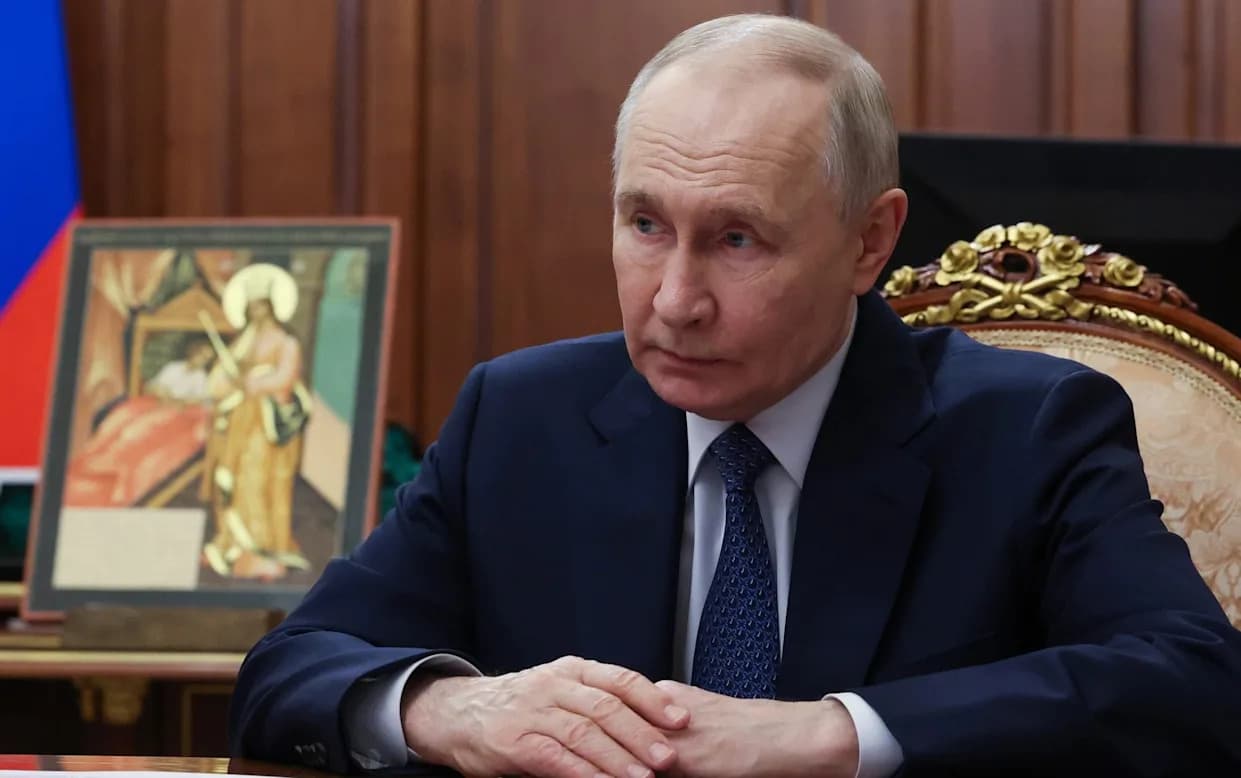
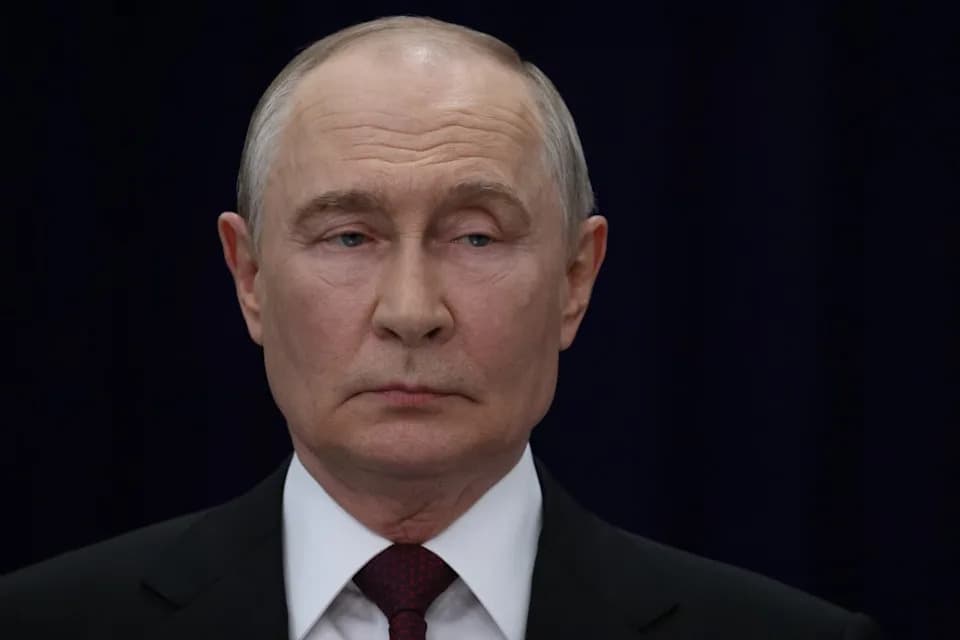
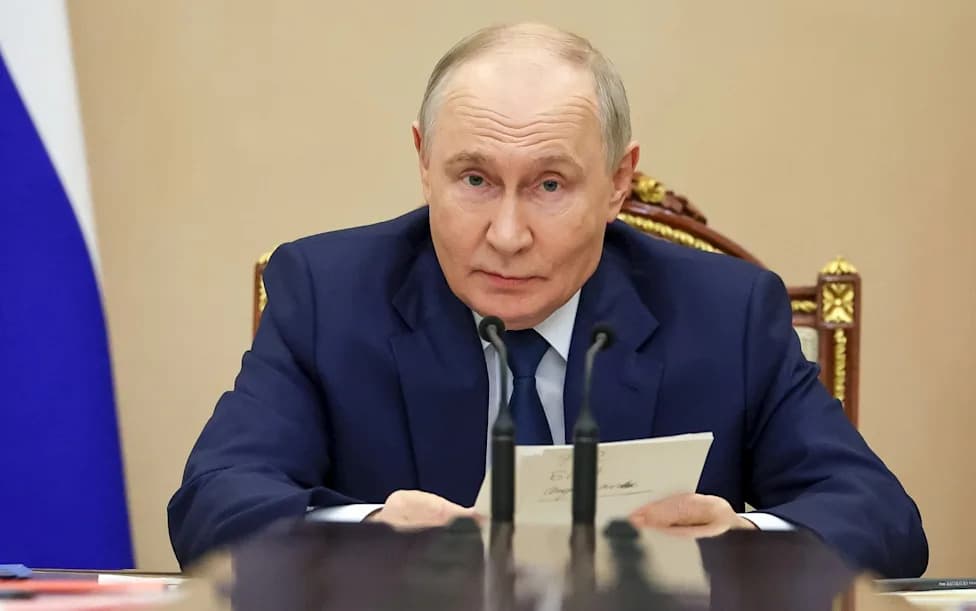
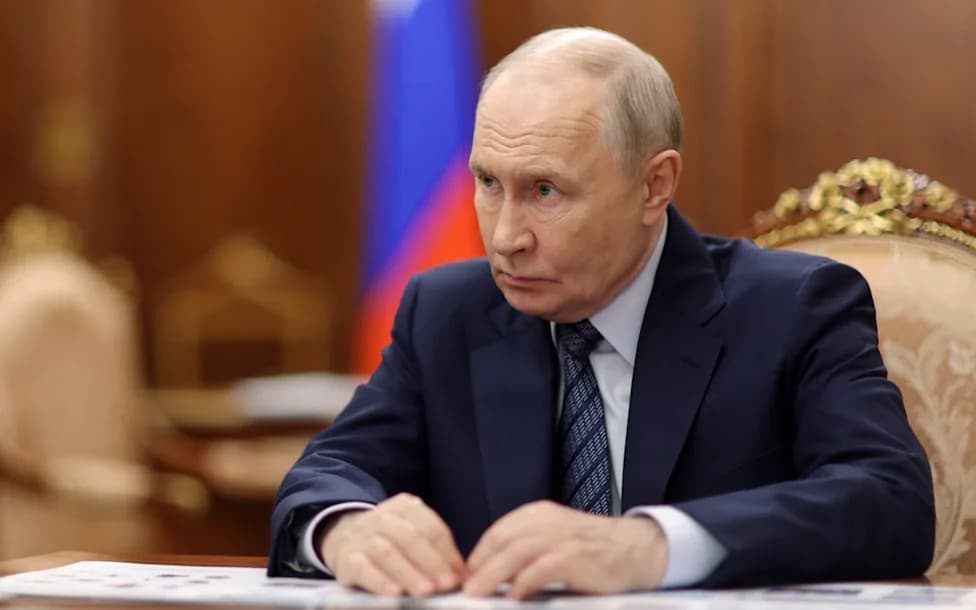
Estonia says the Baltic states are more than capable of fighting back against Putin’s Russia - Vyacheslav Prokofyev, Sputnik, Kremlin Pool Photo via AP
Estonia's foreign minister warned that NATO would carry out strikes deep into Russia if Moscow attempted to invade the Baltic states, dismissing scenarios that portray Estonia, Latvia and Lithuania as unable to resist a rapid Russian incursion.
In an interview with The Telegraph, Margus Tsahkna said the three Baltic states would actively push back any invasion and that deterrence now includes the capacity to take the fight onto Russian territory if necessary.
"We’ll bring the war to Russia and we’ll have deep strikes very far into Russia. We know exactly what to do," Mr Tsahkna said.
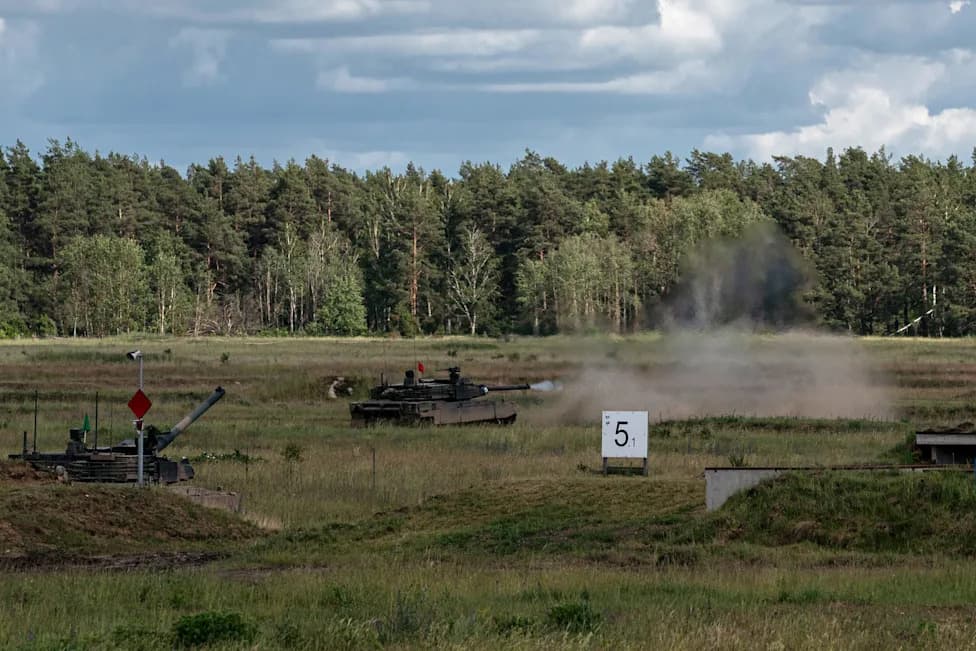
He added that the threat environment has prompted accelerated investments in defence capabilities across the region. "That’s why we are now speeding up our investments and developing our capabilities...it’s why we are investing 5 per cent of GDP on defence in our region," he said.
War-Game Fueling Debate
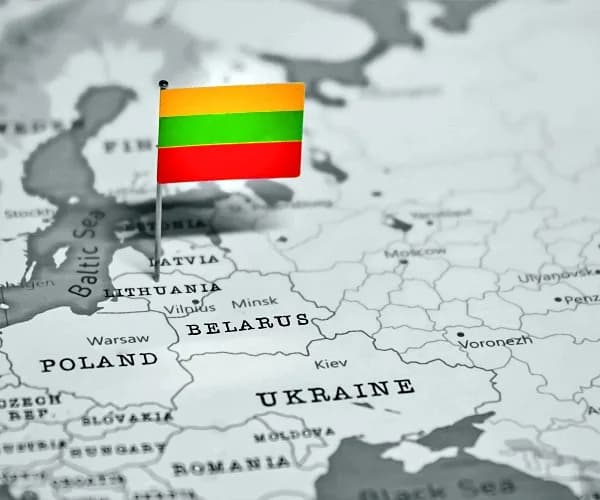
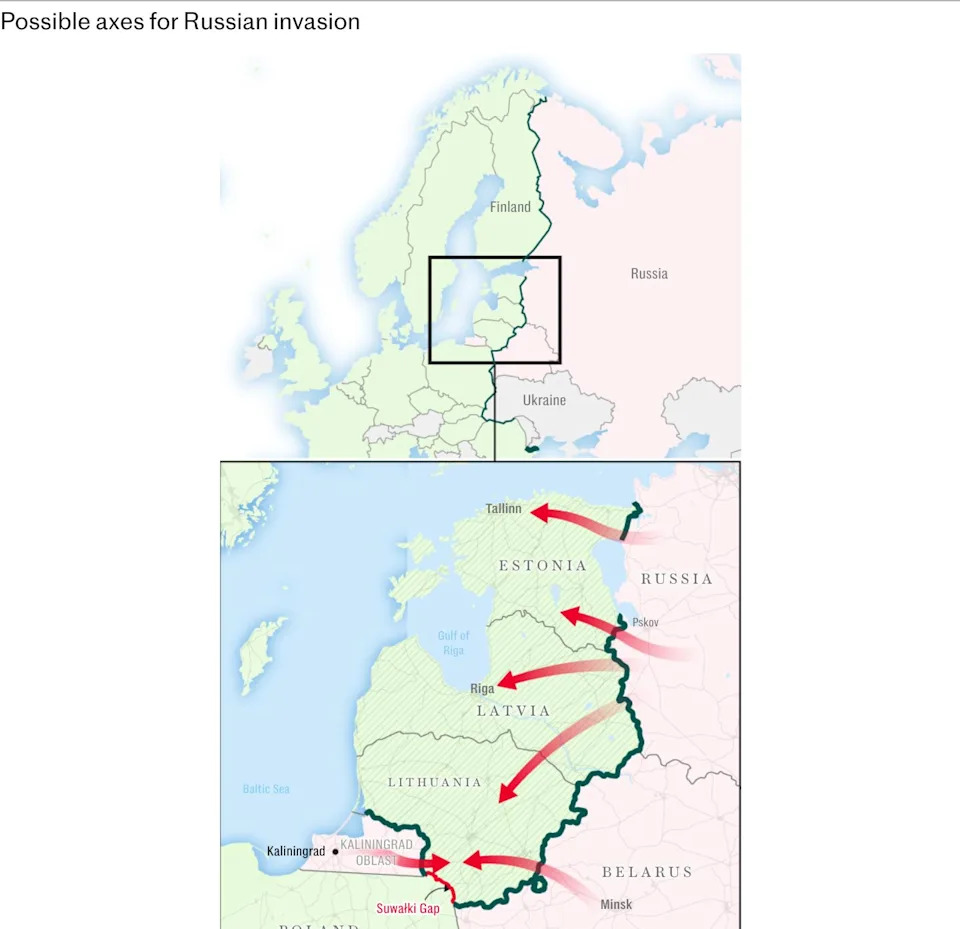
The remarks responded to a controversial war game reported by German newspaper Die Welt, which imagined a rapid Russian advance into Lithuania and a hesitant NATO response. The exercise portrayed Russia seizing key locations — including the city of Marijampole and the strategically vital Suwalki Gap — while NATO allies were slow or unwilling to act decisively.

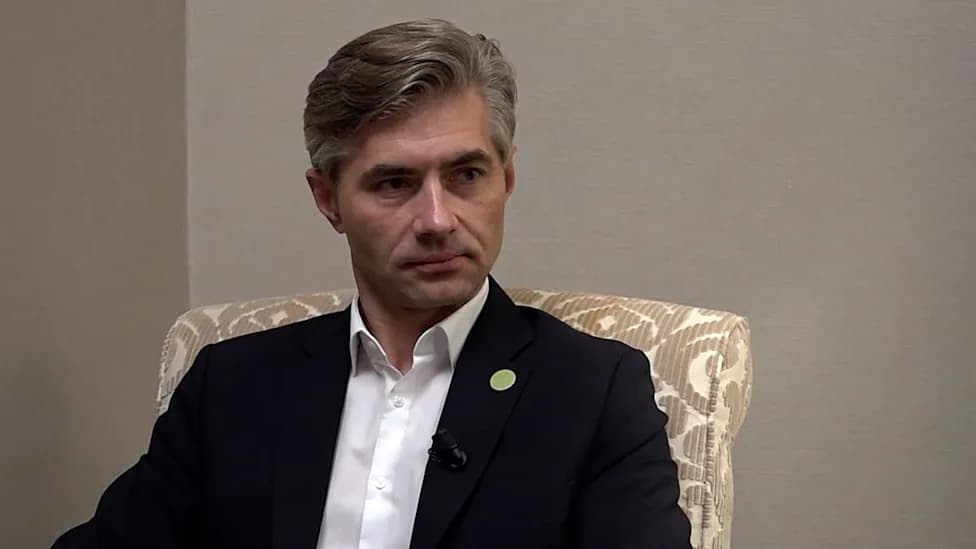
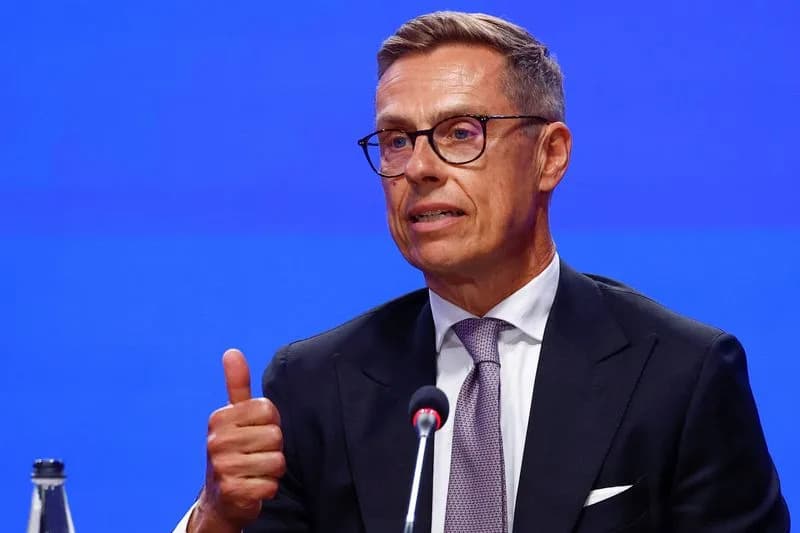
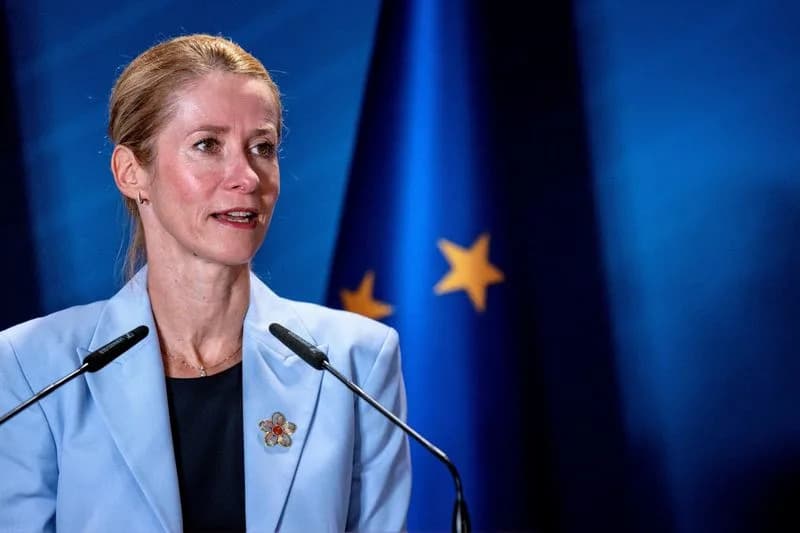
‘We’ll bring the war to Russia,’ Margus Tsahkna, Estonia’s foreign minister told The Telegraph - David Rose for The Telegraph
According to the simulation, the United States declined to invoke Article 5, NATO's collective-defence clause, for fear of escalating into a larger war, and Germany reportedly struggled to stop advancing forces despite having a brigade stationed in Lithuania. The exercise also posited that Russia could manufacture a "humanitarian crisis" as a pretext for intervention, echoing lines used to justify its invasion of Ukraine.
Baltic Response: Agency and Local Defence
Baltic leaders strongly rejected the portrayal of their countries as passive victims. Sven Sakkov, Estonia's ambassador to the UK, described such scenarios as "insulting," saying frontline states are too often depicted as objects rather than actors with agency. Retired Lithuanian colonel Gintaras Bagdonas called the simulation's findings "nonsense," suggesting they may have been politically motivated or intended for domestic audiences.
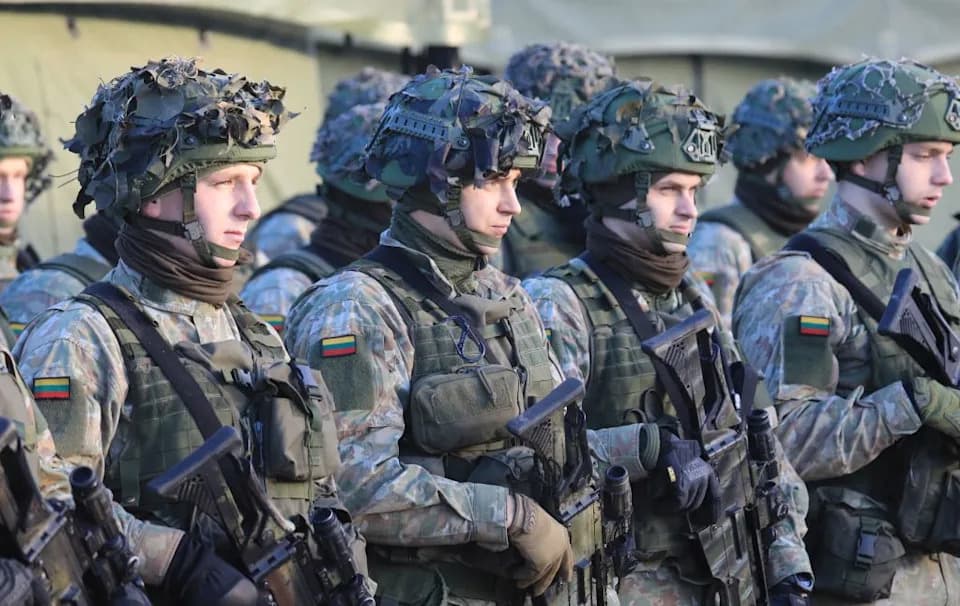
Mr Tsahkna emphasized a different approach: immediate, credible local defence backed by rapid national investments, rather than plans that assume a delayed alliance response that could leave civilians unprotected. The Baltics' increased defence spending and capability development, he said, make the older, pessimistic scenarios outdated.
While the debate over war games and alliance readiness continues, the public exchange underscores a broader shift in Baltic defence policy: prioritizing deterrence through strengthened national forces and clearer plans to resist aggression from the outset.
Help us improve.