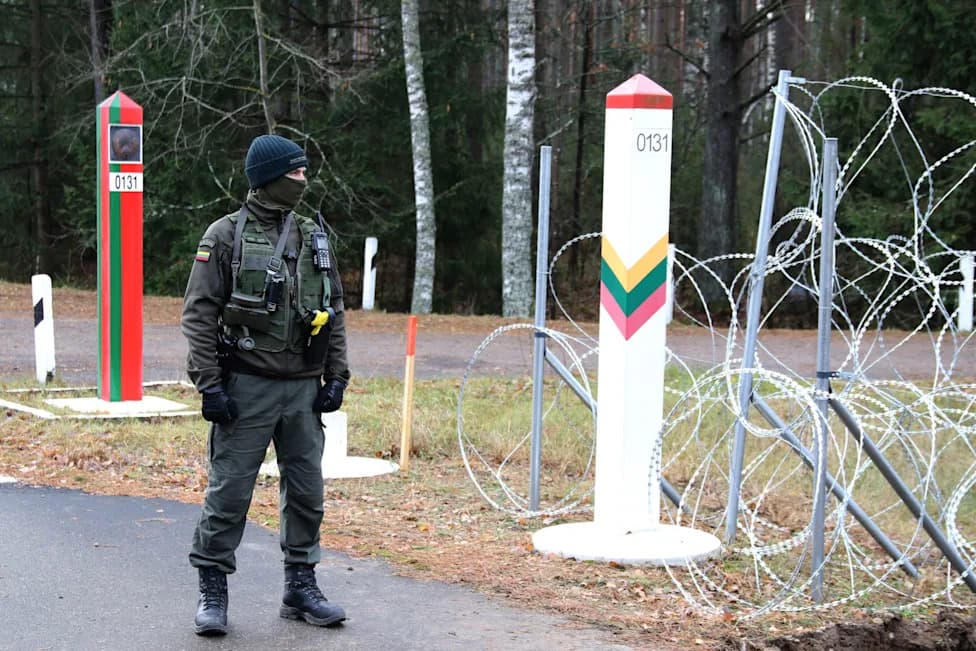
Lithuania has approved a civilian evacuation plan to be used in the event of military or other large-scale threats, with one primary route channeling evacuees through Poland’s Podlaskie province. Authorities urge evacuations to begin before immediate threats materialise and say most people could self-evacuate while municipalities assist the vulnerable. The move follows recent drone incursions from Belarusian airspace and comes as Baltic states shore up defences and NATO partners increase support.
Lithuania Publishes Civilian Evacuation Plan — Poland’s Podlaskie Identified As Transit Corridor
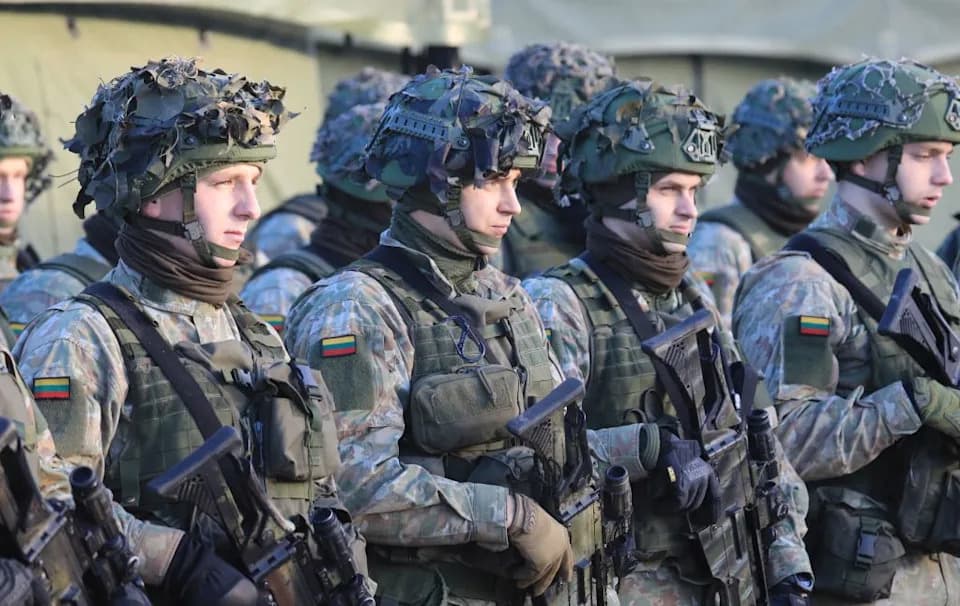
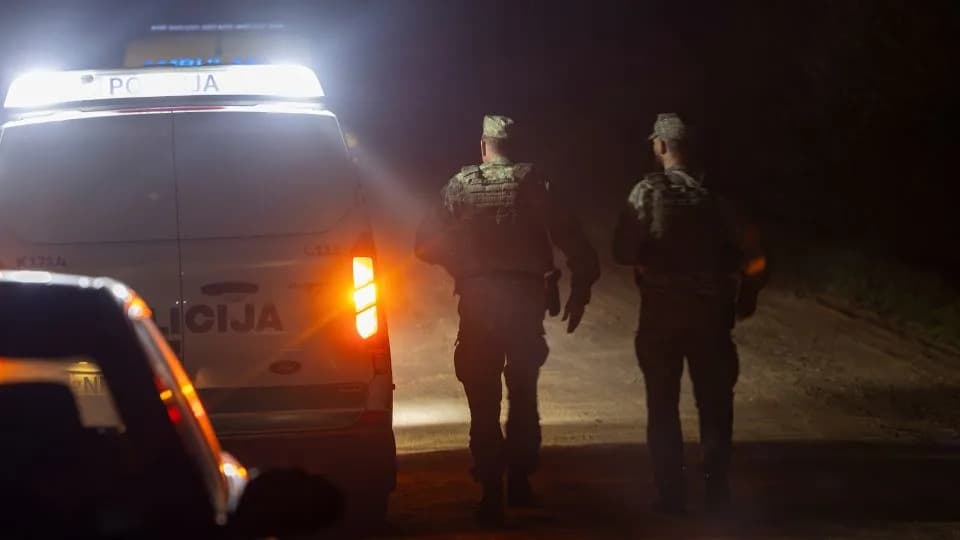
Lithuanian soldiers at the Front Operations Base of the Lithuanian Armed Forces in Druskininkai, Lithuania, on November 22, 2021.
Lithuania has drawn up a formal evacuation plan for its civilian population to be used in the event of a military or other large-scale security threat, according to government announcements and media reports. The plan — approved in July and outlined in greater detail in mid-September — designates one corridor that would channel evacuees through Poland’s Podlaskie province.
What The Plan Says
The Interior Ministry approved an evacuation order in July “in the event of military or civilian threats.” Officials stress that evacuations should begin before an immediate threat is imminent. Žygimantas Solovyovas of Vilnius’s Civil Defence Department told Polish Radio that residents of Vilnius should not expect to be able to leave the city along evacuation routes while shelling is underway; instead, movement is intended to start earlier as a controlled process.
“Evacuation must begin before an immediate threat arises,” Solovyovas said, adding that during active shelling people should take cover in designated shelters rather than attempt to travel evacuation routes.
Routes, Priorities And Local Coordination
Solovyovas outlined three primary evacuation routes from Vilnius: two that run north and west within Lithuania and one that leads to Poland’s Podlaskie province. Polish local governments in Podlaskie are reported to be coordinating emergency plans and preparing to receive transit evacuees.
The Interior Ministry has said roughly three quarters of the population could evacuate using their own means. Municipalities would assist those without private transport or who require additional help, with priority given to families with young children, people with disabilities and the elderly.
Context: Incursions, Defences And NATO Support
The disclosure comes amid heightened security concerns after NATO fighter jets shot down a drone carrying explosives that entered Lithuanian airspace from Belarus. While the evacuation plan does not explicitly name Russia, Polish media and officials link the measures to the war in Ukraine and warnings that the conflict could spill beyond Ukraine’s borders.
Lithuania is also strengthening defensive fortifications along its borders with Belarus and the Russian exclave of Kaliningrad. Defence Minister Robertas Kaunas has said fortifications will be established to cover zones up to 5, 20 and 50 kilometres from the border to limit an adversary’s manoeuvre.
Germany will temporarily deploy four Eurofighter jets to Latvia’s Lielvārde Air Base around Latvia’s October 3 parliamentary elections, a sign of increased allied readiness in the Baltic region. Observers have highlighted how extraordinary such measures are, noting that Baltic states are treating the security threat very seriously.
Why This Matters
The plan underscores both the perceived risk along NATO’s eastern flank and efforts to prepare civilian populations in a measured, organised way. Authorities emphasise that, in active combat or shelling scenarios, designated shelters remain the safest option, and that early, controlled evacuation is the intended approach to reduce chaos and risk.
Newsweek has contacted the foreign ministries of Lithuania, Poland and Russia for comment. Contact Newsweek editor on this story: Edward Pearcey.
Help us improve.