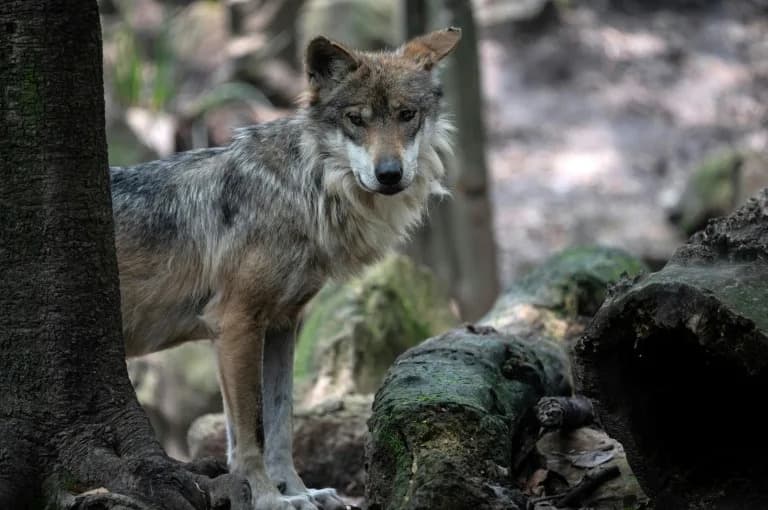
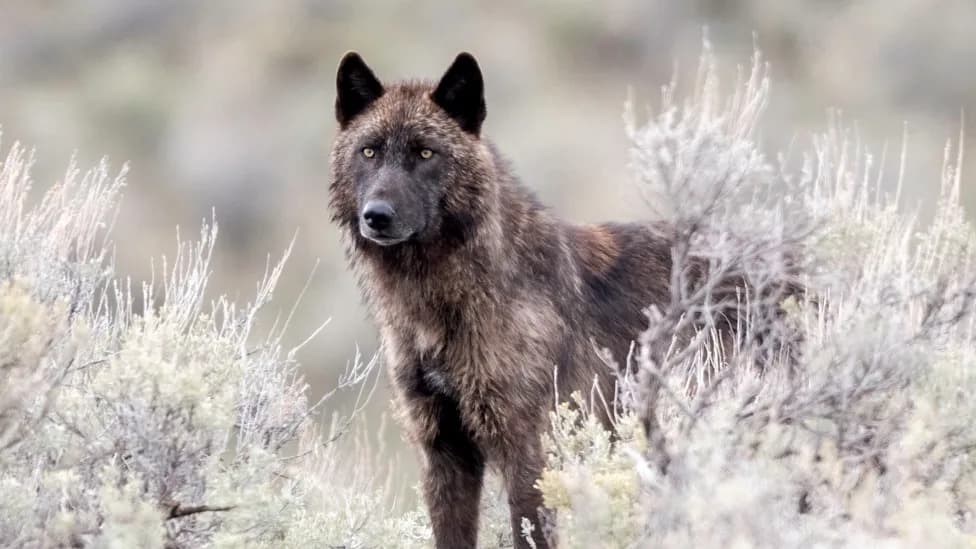
BEY03F, a three-year-old female gray wolf, crossed into Los Angeles County at about 6 a.m. on 7 February — the first verified wolf sighting in the county in over 100 years. Born in Plumas County in 2023, she is being tracked by a GPS collar fitted in May 2025 and appears to be dispersing in search of a mate. Officials warn that highways such as Interstate 5 pose a major risk to traveling wolves, and advocates continue to press for stronger national recovery measures.
Gray Wolf Reaches Los Angeles County — First Verified Sighting in More Than 100 Years
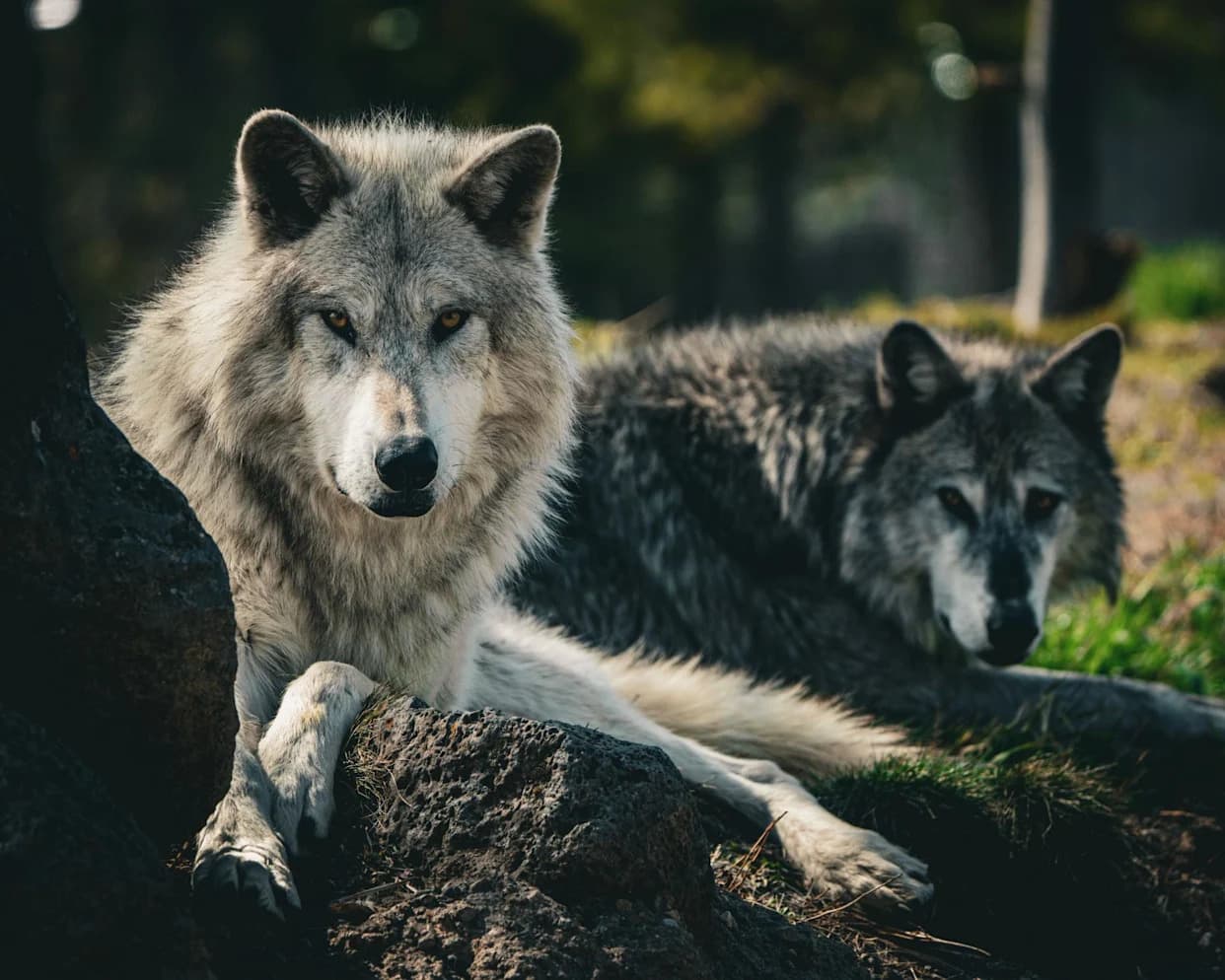
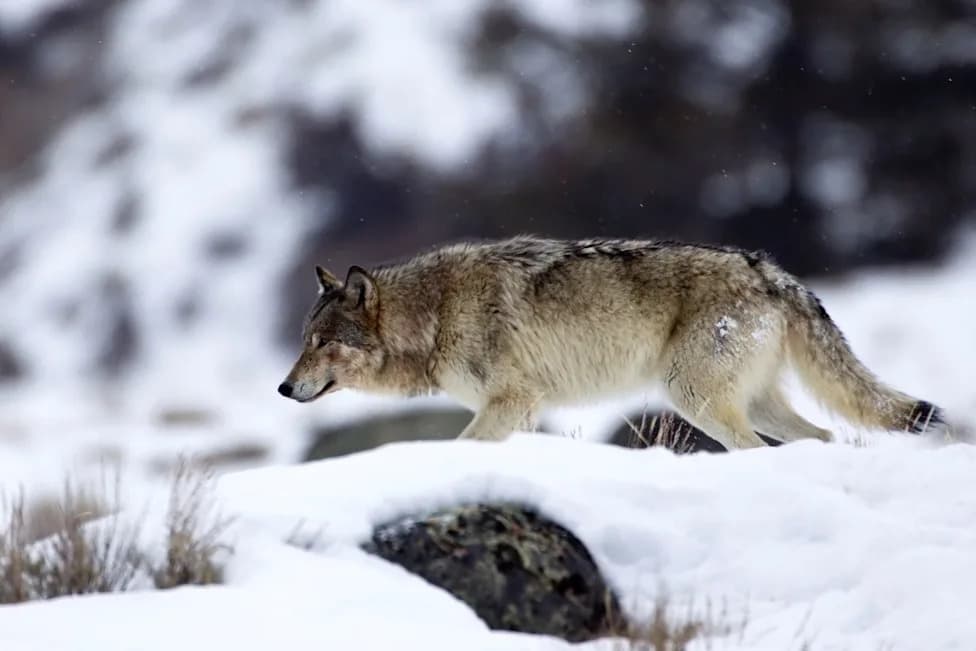
Gray wolves in Yellowstone national park in Wyoming in 2023.Photograph: Prasad Sanam/Getty Images/500px(Photograph: Prasad Sanam/Getty Images/500px)
A gray wolf — a three-year-old female identified as BEY03F — crossed into Los Angeles County early on 7 February, marking the first confirmed presence of the species in the county in more than a century. Wildlife officials say she was likely dispersing in search of a mate and are monitoring her movements with a GPS collar.
What Happened
Officials with the California Department of Fish and Wildlife (CDFW) reported that BEY03F crossed into Los Angeles County at about 6 a.m. on 7 February. The female, born in 2023 in Plumas County as a member of the Beyem Seyo pack, was fitted with a GPS collar in May 2025 while passing through Tulare County, allowing biologists to follow her progress.
“This is the most southern verified record of a gray wolf in modern times,” said Axel Hunnicutt, gray wolf coordinator for the California Department of Fish and Wildlife.
Where She Traveled And The Risks
CDFW said BEY03F appears to have "traversed nearly the entire range of the Sierra Nevada mountains," likely seeking a mate. By Tuesday after the crossing, officials reported she was moving northward, possibly deterred by Interstate 5. Vehicle strikes are a leading cause of mortality for dispersing wolves and represent a serious threat to animals traveling long distances.
Conservation Context
The continental United States once supported thousands of gray wolves before hunting and trapping nearly eliminated them across much of their range; the last wild wolf in California was shot in 1924. Federal protections began with the Endangered Species Act in 1973, and wolves were reintroduced to Yellowstone National Park and central Idaho in the 1990s. Descendants of those reintroduced animals have since dispersed widely, with the first modern-era crossing into California recorded in 2011.
By 2024, CDFW estimated there were at least 70 gray wolves in California, up from 44 the previous year, reflecting ongoing reproduction and pack expansion driven by natural dispersal.
Policy And Legal Developments
While conservationists hailed BEY03F's passage into Los Angeles County as a milestone, legal and policy debates over national protections continue. On 10 February, the Center for Biological Diversity filed a lawsuit challenging a prior administration's refusal to develop a national gray wolf recovery plan. In 2024 the U.S. Fish and Wildlife Service announced plans to create a national recovery plan, but in 2025 the agency published a finding that it would not prepare an updated recovery plan and described the species' listing under the Endangered Species Act as "no longer appropriate." Advocates continue to press for stronger, clear federal recovery measures.
Current Status
Authorities say there have been no public reports or verified sightings of BEY03F from Los Angeles County residents to date. CDFW continues to monitor the collared wolf and will update the public if her status or location changes.
Help us improve.