Scientists have not yet confirmed extraterrestrial life, but any convincing detection would raise complex scientific, moral and social questions. Communication will be crucial: experts warn that explaining subtle, technical evidence requires clear frameworks, like NASA’s Confidence of Life Detection scale, and interdisciplinary outreach. Lessons from the COVID-19 response, combined with collaboration among scientists, communicators, artists and educators, can help manage public concern and counter misinformation.
If Strong Evidence of Alien Life Appears, Explaining It to the Public Will Be Harder Than You Think
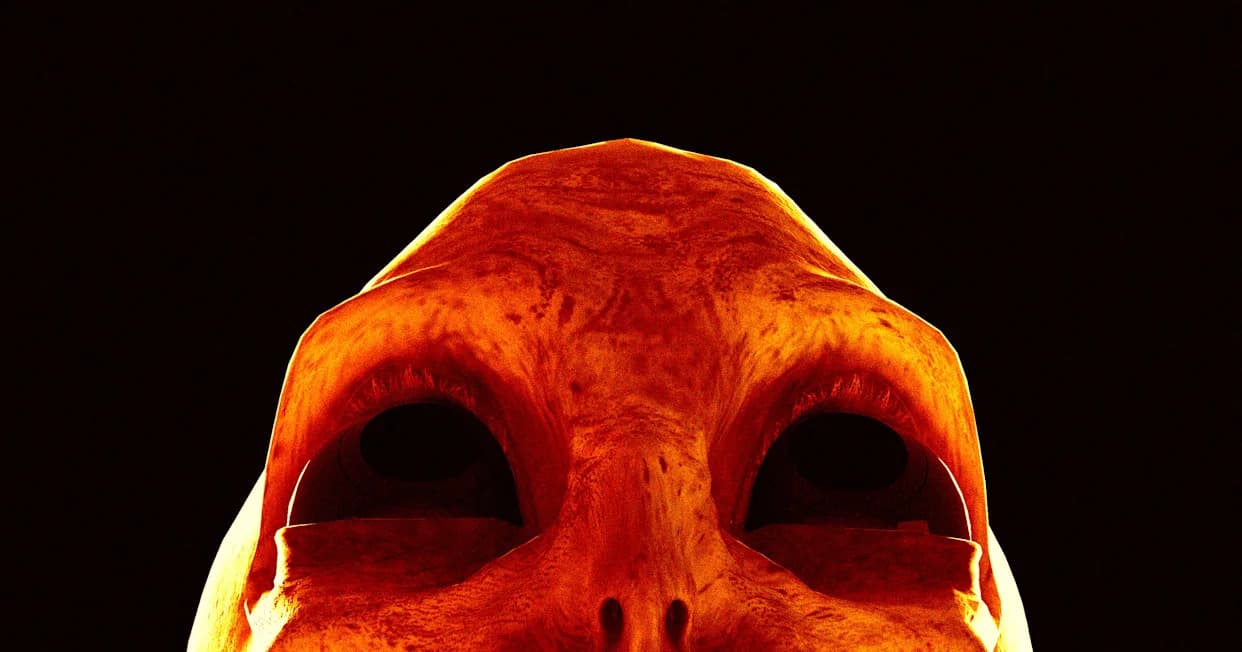
If we were to ever find alien life, breaking the news to the general public could be much more difficult than one might think.
Scientists have not yet found definitive proof of extraterrestrial life, but the search has intensified—and so has the challenge of explaining what discoveries would mean to the public. A potential detection of alien biology or technology would raise scientific questions as well as moral, philosophical and religious ones. How the news is communicated could shape public reaction, trust in science, and policy decisions about planetary protection.
Why Communication Matters
As Portland State University researcher Brianne Suldovsky told Time, "The search for life in space isn't just a science question. It's a moral question, it's a philosophical question, for some it's a religious question." Lessons from the COVID-19 pandemic—about uncertainty, risk communication and public trust—are relevant here, but astrobiology introduces unique concerns such as contamination, quarantine of samples, and long-term planetary protection.
"Managing public fear is going to be incredibly challenging," Suldovsky said. "But it is possible to communicate in a way that gives the public clear information about how concerned they should be and what they can do to protect themselves."
What the Data Would Look Like
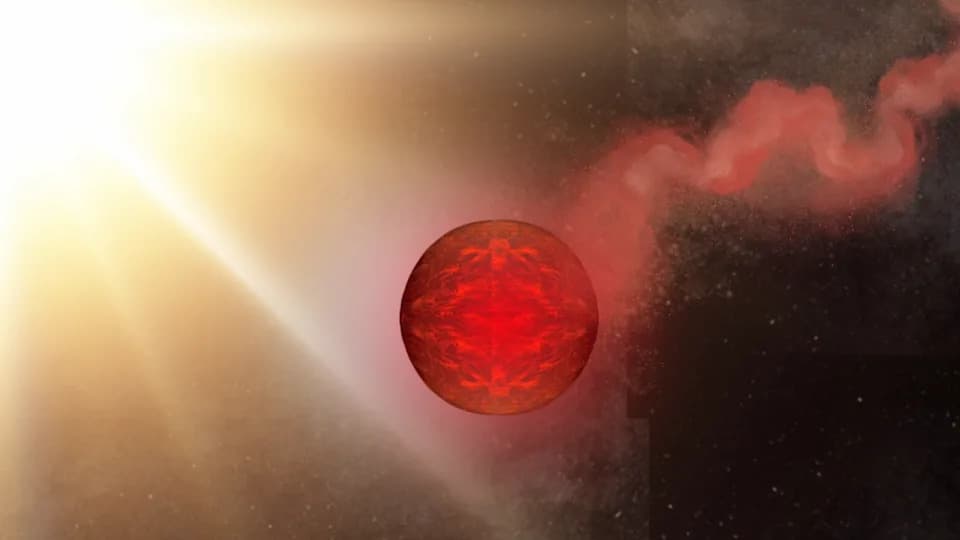
Most upcoming missions do not return images of extraterrestrial organisms. Instead, they deliver indirect clues: spectrographic spikes, unusual chemical ratios, or anomalous signals that require interpretation. For example, NASA's recently launched Pandora Space Telescope is designed to analyze transiting exoplanets for molecular signatures that could be the building blocks of life. Translating those subtle measurements into public-facing statements requires careful, accurate explanation.
Tools for Judging Evidence
To help scientists and communicators distinguish tentative hints from robust discoveries, NASA developed the Confidence of Life Detection scale. It ranks evidence from Level 1—"a detection of a signal known to result from a biological activity"—up to Level 7—"independent, follow-up observations of predicted biological behavior in the environment." Such frameworks standardize how findings are discussed and can reduce premature hype.
Combating Misinformation
The rise of advanced AI and coordinated disinformation campaigns makes clear, trustworthy communication even more urgent. False or exaggerated claims could spread rapidly, eroding public trust and creating unnecessary alarm. Communicators must therefore combine transparent scientific updates with proactive measures to counter false narratives.
Recommendations From Experts
A 2024 white paper coauthored by Suldovsky and a multidisciplinary team urges inclusive, interdisciplinary approaches to communication. Their recommendations include:
- Engaging artists, educators and science communicators early to craft accessible explanations.
- Collaborating with experts in risk and uncertainty communication to present clear, evidence-based messages.
- Developing preplanned communication protocols that describe what different Confidence scale levels mean for the public and policymakers.
- Investing in public education to build long-term trust in science and reduce susceptibility to misinformation.
Ultimately, the way researchers announce and contextualize a potential detection could determine public reaction and policy outcomes. Proactive, inclusive communication—grounded in transparent explanation of evidence, uncertainties, and protective measures—will be essential if we ever cross the threshold from speculation to confirmation.
Help us improve.