Scientists warn that the first credible evidence of extraterrestrial life is more likely to be ambiguous than cinematic. Historical false alarms (1906 Martian canals, the contested 1996 meteorite) show the risks of premature claims. A 2024 NASA workshop and an Astrobiology white paper recommend using tools like the seven-level CoLD scale, embedding communicators with research teams, and improving public scientific literacy to reduce fear and misinformation.
When the Cosmos Speaks: Why Scientists Fear How News Of Life In Space Would Be Announced
Waiting for definitive proof of life beyond Earth? Scientists warn that the discovery is more likely to arrive as ambiguous, incremental evidence than as a cinematic moment — and how that discovery is communicated could matter as much as the science itself.
Why Communication Matters
False starts and contested claims have long shaped public expectations. In 1906 The New York Times ran a front-page claim that Martian canals proved intelligent life. Nearly a century later, a 1996 announcement that chemicals in a Martian meteorite might be fossilized bacteria prompted a Rose Garden news conference by President Bill Clinton — but the result was never confirmed. Those episodes illustrate the risk of premature or sensational reporting and the lasting confusion it can create.
What Experts Recommend
In 2024 NASA convened a virtual workshop, Communicating Discoveries in the Search for Life in the Universe, attended by journalists, astrobiologists, social scientists and communications specialists. The meeting’s recommendations were summarized in a white paper published in Astrobiology. Participants urged proactive strategies to manage public expectations and counter misinformation when evidence for life — microbial or technological — emerges.
“The search for life in space isn’t just a science question,” says Brianne Suldovsky, associate professor of communications at Portland State University. “It’s a moral and philosophical question, and for some, a religious one. That has deep implications for what it means to be human.”
Types Of Discoveries And Likely Reactions
Potential discoveries generally fall into two categories: biological signatures (microbes or chemical traces) and technological artifacts (e.g., unexplained aerial phenomena). Public beliefs are already strong: a 2021 Pew Research Center survey found 51% of Americans believe some unidentified aerial phenomena (UAPs) are extraterrestrial, while 87% said such craft would not be hostile. Still, incontrovertible proof — a clearly alien craft or confirmed extraterrestrial organism — could trigger widely varying reactions from excitement to fear to conspiracy-driven mistrust.
Preparing For Subtle Signals
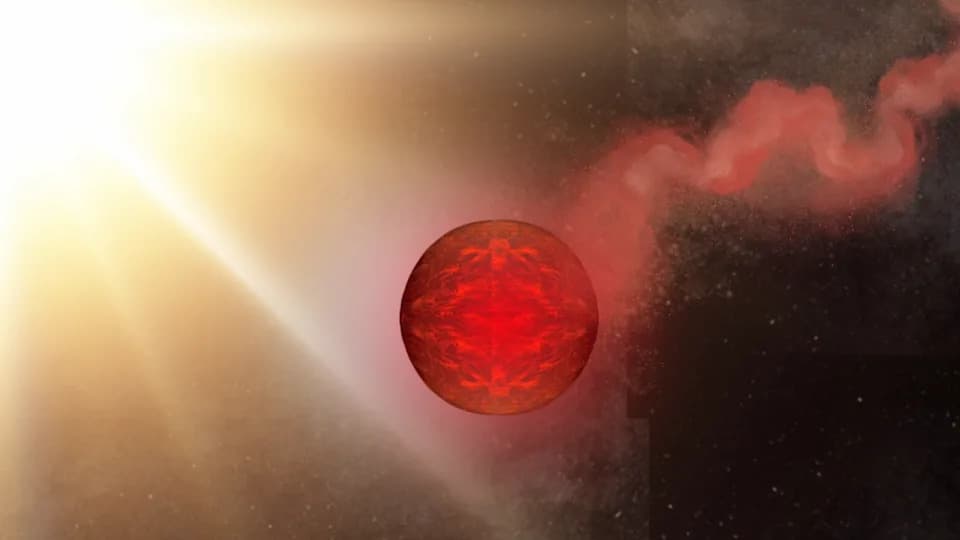
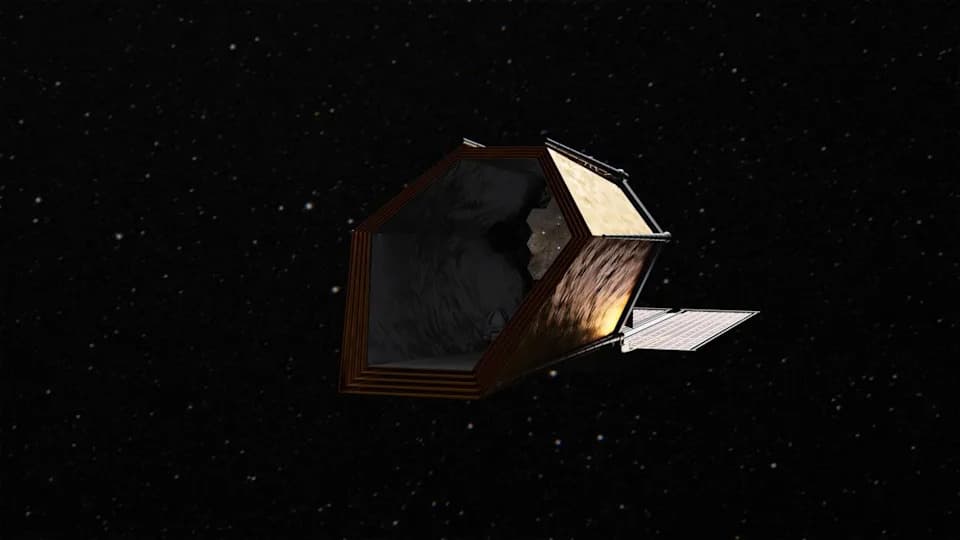
Most near-term detections are expected to be indirect: a spectral “wiggle” in an exoplanet’s atmosphere, or chemical signatures in ice or rock that are consistent with biology but not definitive. Instruments and missions now in play include the Pandora Space Telescope (exoplanet atmospheres), NASA’s Europa Clipper and ESA’s JUICE mission (studying icy moons such as Europa, Ganymede and Callisto), and planning for Martian sample-return missions. These efforts make it likely the first hints of life will be ambiguous and require careful explanation.
The CoLD Scale And Clear Messaging
To guide announcements, the astrobiology community developed the CoLD (Confidence Of Life Detection) scale, a seven-level framework ranking evidence from preliminary signals to independent, repeatable observations that would justify a confirmed claim. Communicators and scientists are urged to use such frameworks to convey uncertainty clearly and avoid overstating results.
Practical Recommendations
- Embed communications professionals with research teams so experts can explain methods, limitations and next steps in accessible language.
- Prebunk and educate: Provide steady outreach before discoveries — explain the scientific method, how evidence accumulates, and common sources of error.
- Distinguish misinformation from disinformation: Counter honest misunderstandings and actively challenge deliberate falsehoods (including deepfakes and AI-generated content).
- Advance scientific literacy: Integrate lessons on the scientific method, critical thinking and uncertainty into primary and secondary education.
Why This Matters
In a universe with perhaps trillions of planets, the odds that some host life are nonzero. But our ability to detect and interpret signs of life depends not only on instruments and missions but on how findings are explained to the public. Careful communication can reduce panic, limit misinformation, and help society respond thoughtfully when the first credible evidence finally arrives.
Contact: Jeffrey Kluger at jeffrey.kluger@time.com.
Help us improve.