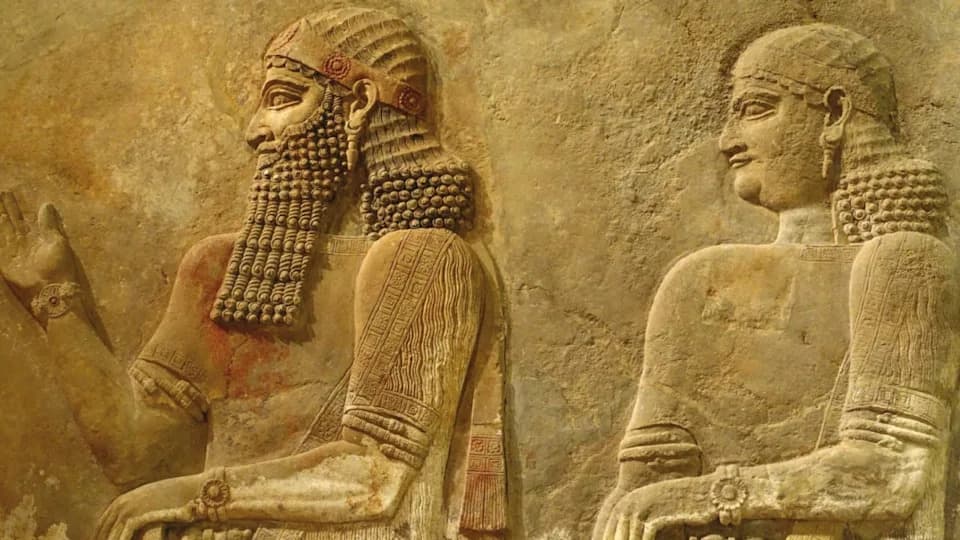
Scholars have fully deciphered 73 Babylonian cuneiform omens—many tied to lunar eclipses—that predict disasters such as famine, plague, invasion and the death of a ruler. The tablets, written in Akkadian and following the Mesopotamian divinatory-list format, were acquired by the British Museum in the early 20th century and rediscovered in the 1970s. When ominous predictions appeared, courts used extispicy and rituals to assess and attempt to avert threats. The translations illuminate how divination shaped governance and crisis response in ancient Babylonia.
4,000-Year-Old Cuneiform Omens Decoded — One Reads, "A King Will Die"
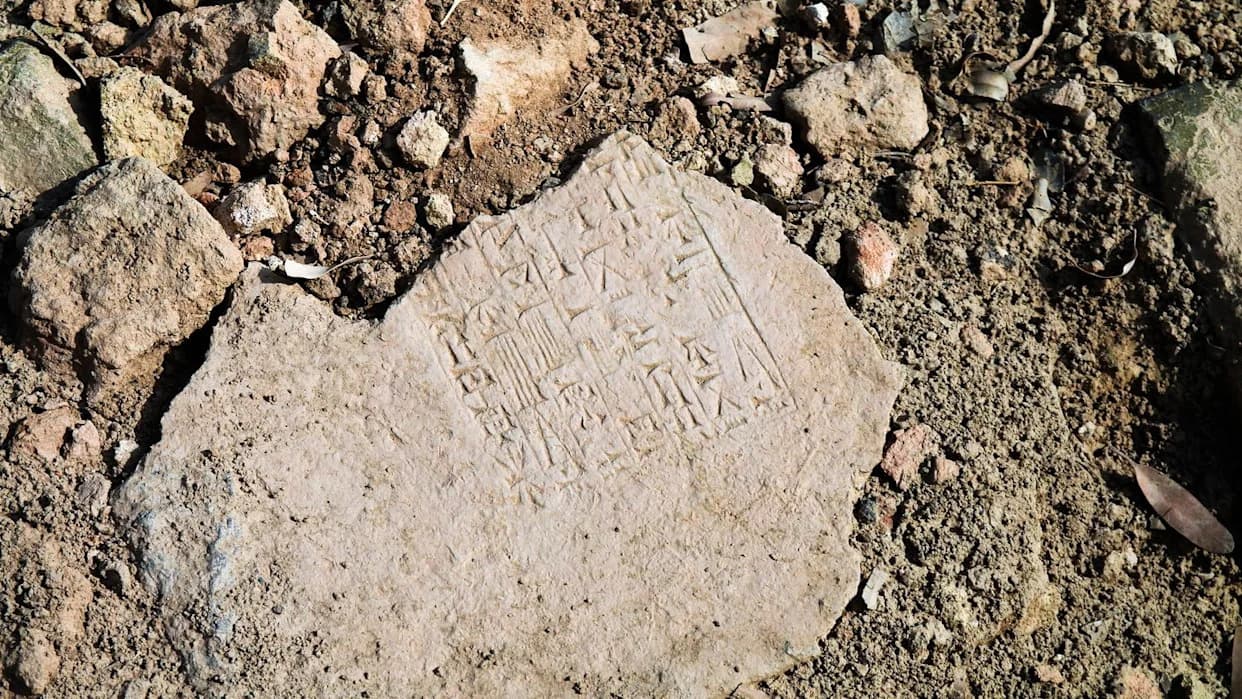
Newly Decoded Tablet Warns, 'A King Will Die'HomoCosmicos - Getty Images
After more than a century in museum storage, a set of ancient cuneiform tablets has been fully deciphered, revealing 73 ominous predictions tied to lunar eclipses. The newly published translations—presented by Andrew George and Junko Taniguchi in the Journal of Cuneiform Studies—describe portents of famine, plague, invasion and political violence in ancient Babylonia.
What the Tablets Reveal
One stark, repeated prophecy reads:
"A king will die."Such forecasts were part of a broader Babylonian practice of interpreting celestial and terrestrial signs to anticipate crises. The omens follow the standard Mesopotamian divinatory-list format and are written in Akkadian, the Semitic language of ancient Iraq, confirming the texts' Babylonian provenance.
Origins and Historical Context
Many of these omens were linked to lunar eclipses, which Babylonian scribes and priests treated as warnings of impending disaster. As Andrew George told Live Science, some omens likely grew from observed patterns: an eclipse followed, at times, by famine, disease or political upheaval, and over generations these correlations became encoded as formal predictions.
How Babylonians Responded
The texts show that ominous predictions prompted concrete actions. When an especially threatening omen appeared—for example, the warning that a king would die—courts often conducted oracular inquiries such as extispicy (divination by examining the entrails of a sacrificed animal) to judge whether the danger was imminent. If diviners and advisors confirmed a threat, priests performed rituals designed to avert disaster and protect the state.
Discovery and Decipherment
The tablets themselves are not newly discovered. The British Museum acquired three tablets in the 1890s and added the final tablet in 1914. They joined the museum's much larger cuneiform archive and remained effectively overlooked until a scholar recognized their importance in the 1970s. Systematic study then proceeded by standard Assyriological methods: slow, line-by-line reading, careful line drawings, and repetitive comparison with other texts.
Why This Matters
Beyond sensational headlines, these translations help historians reconstruct the fears and administrative practices of ancient Mesopotamia—showing what kinds of disasters preoccupied rulers and how divination shaped political decision-making. As George notes, the steady publication of cuneiform texts over the past 150 years has transformed our understanding of Babylonian and Assyrian civilization, from religion and literature to social and economic life.
Key facts: 73 omens translated; tablets written in Akkadian; omens linked to lunar eclipses; British Museum acquisitions spanned the 1890s–1914; rediscovered in the 1970s; published in the Journal of Cuneiform Studies.
Help us improve.