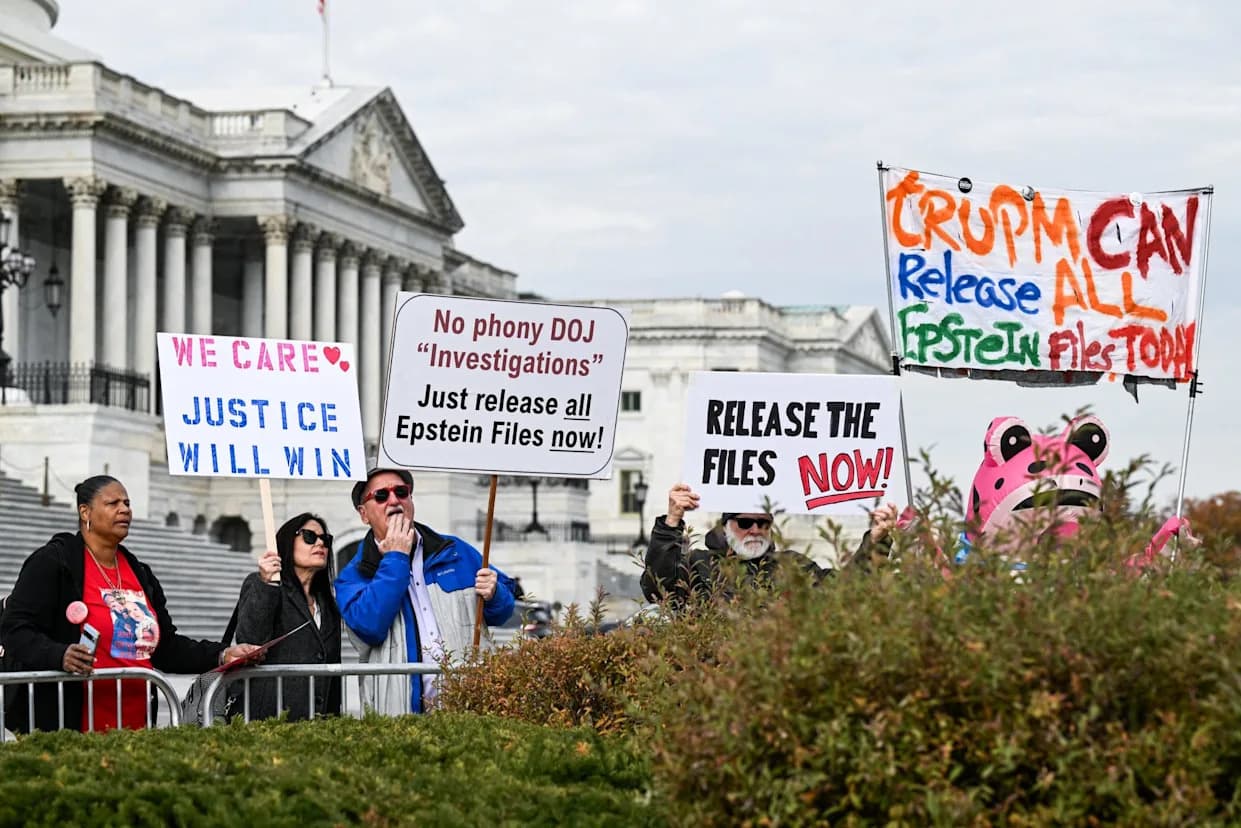
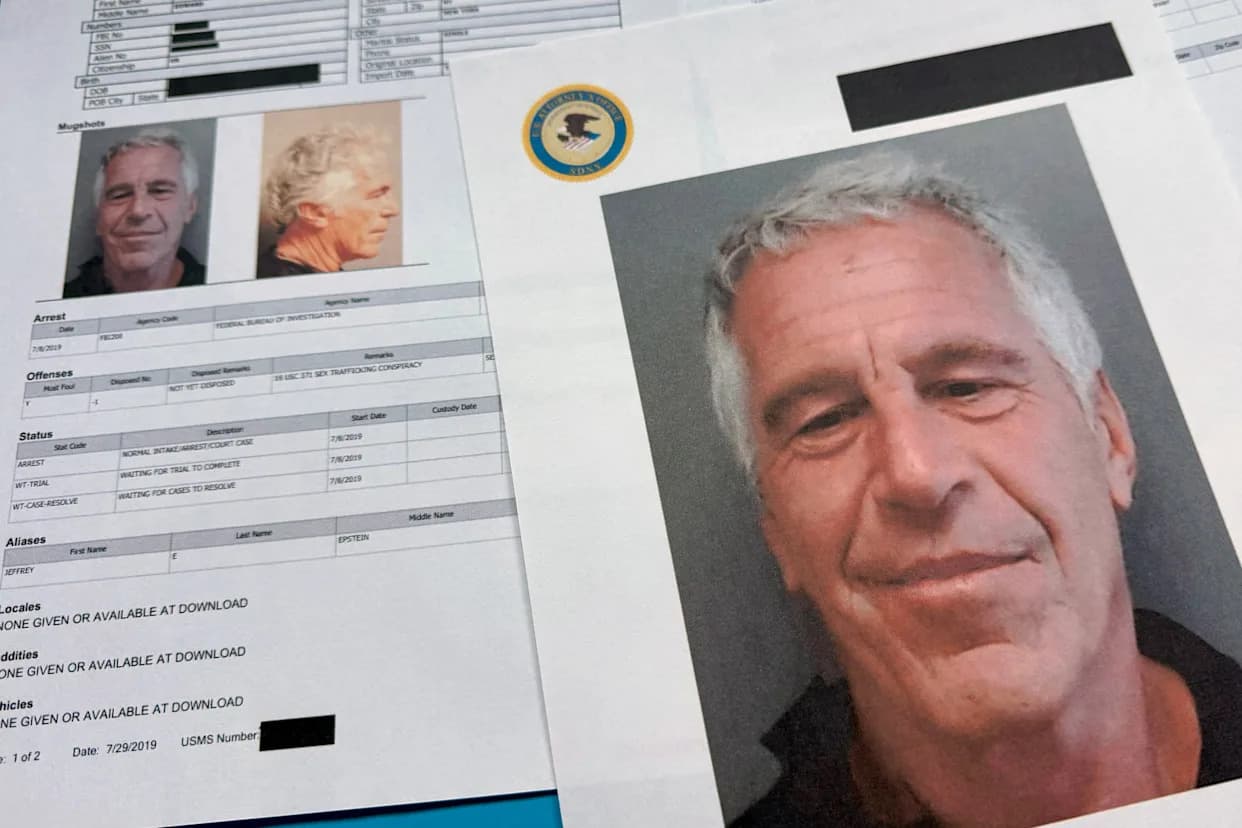
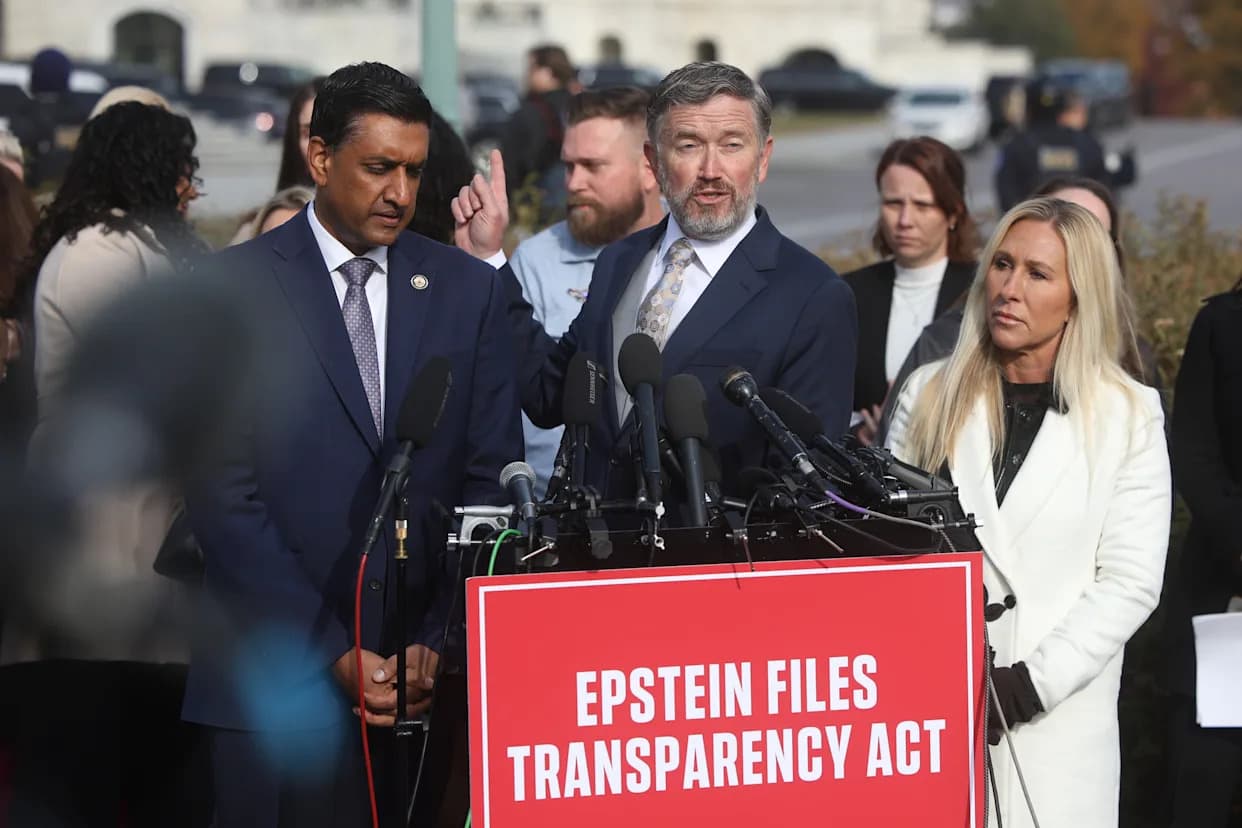
The Justice Department told judges it expects to finish reviewing and publishing records related to Jeffrey Epstein "in the near term," but provided no specific timeline. DOJ has released more than 100,000 pages and reported 12,285 documents (125,575 pages) produced so far, while saying more than 2 million documents remain in various stages of review. Lawmakers who sponsored the Epstein Files Transparency Act accused DOJ of defying the statute and urged appointment of a special master; DOJ says careful manual redactions are necessary to protect victims' identities.
DOJ Says Epstein File Review Nears Completion but Offers No Firm Timeline

Top officials at the U.S. Department of Justice told judges this week that they expect to finish reviewing and publishing records tied to Jeffrey Epstein "in the near term," but they did not provide a specific completion date.
What the DOJ Reported
In a letter to judges overseeing matters connected to Epstein and his convicted associate Ghislaine Maxwell, senior Justice Department officials said the department has made "substantial progress." The letter says hundreds of DOJ employees are manually reviewing millions of pages and running electronic name searches to identify and redact hundreds of potential victims' names before publication.
"The Department currently expects that it will complete these processes with respect to substantially all of the potentially responsive documents, including publication to the Epstein Library website, in the near term."
Volume Of Records And Legal Requirements
The department has posted more than 100,000 pages to date and told a judge earlier this month that it has released 12,285 documents totaling 125,575 pages. It also said more than 2 million documents remain "in various stages of review," meaning the department has reviewed under 1% of its potentially responsive records so far. DOJ warned some still-unreviewed records may be duplicates.
The disclosures are driven by the Epstein Files Transparency Act, enacted in mid-November, which directed the Justice Department to make files related to Epstein and Maxwell public within 30 days. That required collection includes decades-old investigation materials, records from the 2019–2020 prosecutions, and documents related to Epstein's death while in pretrial custody.
Redactions And Oversight
The law permits limited redactions, including removal of victims' names, and a federal judge has required the U.S. attorney in Manhattan to personally certify that any released grand jury materials have been rigorously reviewed to remove identifying information for victims.
Political Pushback
Some lawmakers — including Reps. Ro Khanna (D-Calif.) and Thomas Massie (R-Ky.), co-sponsors of the Transparency Act — sharply criticized the pace of the DOJ review. They have urged the court to appoint an independent "special master" to oversee the process, accusing the department of defying the law by not meeting the statutory deadline (Dec. 12).
The Justice Department has responded that the law does not give those members of Congress a direct right to seek court remedies and defended its approach, saying careful, manual review is necessary to protect victims.
Judicial Ruling And Next Steps
The judge overseeing Maxwell's case recently ruled he lacked authority to enforce the Justice Department's compliance with the statute, but he noted that nothing prevents members of Congress from filing a separate lawsuit and acknowledged that the lawmakers raised "legitimate concerns about whether DOJ is faithfully complying with federal law."
Bottom line: DOJ says publication is nearing completion but will not commit to a calendar date, emphasizing victim-protection redactions and careful manual review as the reason for the slow pace.
Help us improve.