The Justice Department posted more than 3 million documents related to Jeffrey Epstein after Congress passed the bipartisan Epstein Files Transparency Act, but critics say heavy redactions and withheld files leave major questions unanswered. Representatives Ro Khanna and Thomas Massie say victims still lack access to some statements and allege inconsistent redactions. The DOJ identified over 6 million potentially responsive files and cleared roughly 3.5 million for release; it will submit a redaction report to Congress within 15 days. Victims’ attorneys and lawmakers say the release is disorganized and further review and investigation are needed.
DOJ Publishes 3M+ Epstein Records — Redactions, Withheld Files Leave Major Questions
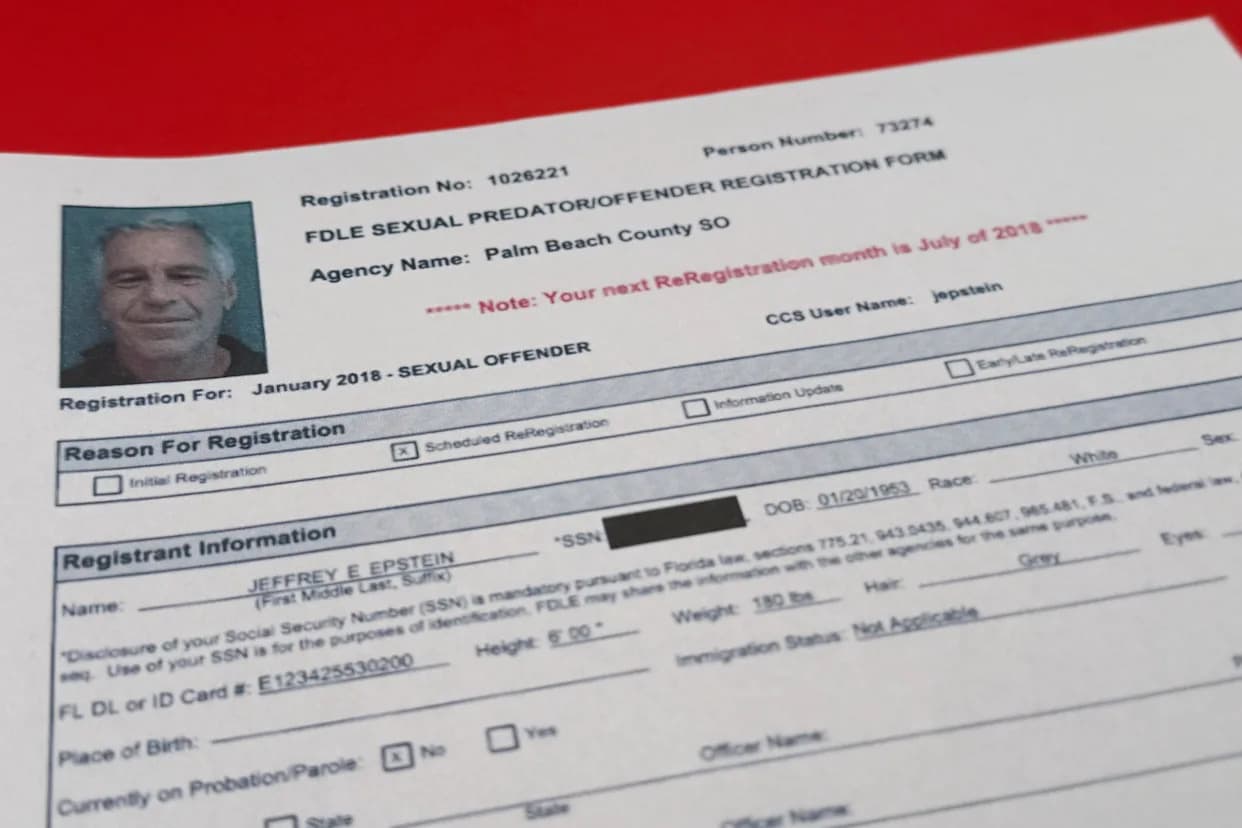
A document that was included in the U.S. Department of Justice release of the Jeffrey Epstein files, photographed Monday, Feb. 2, 2026, shows Epstein's Florida sexual predator/offender registration form for July 2018. (AP Photo/Jon Elswick)(ASSOCIATED PRESS)
Last Friday the Justice Department posted more than 3 million documents tied to convicted sex offender Jeffrey Epstein on its public website — the most substantial disclosure to date, but far from complete. Officials identified over 6 million potentially responsive files and have cleared roughly 3.5 million for public access, while millions more remain withheld and many released records contain heavy redactions.
What Was Released — And What Wasn't
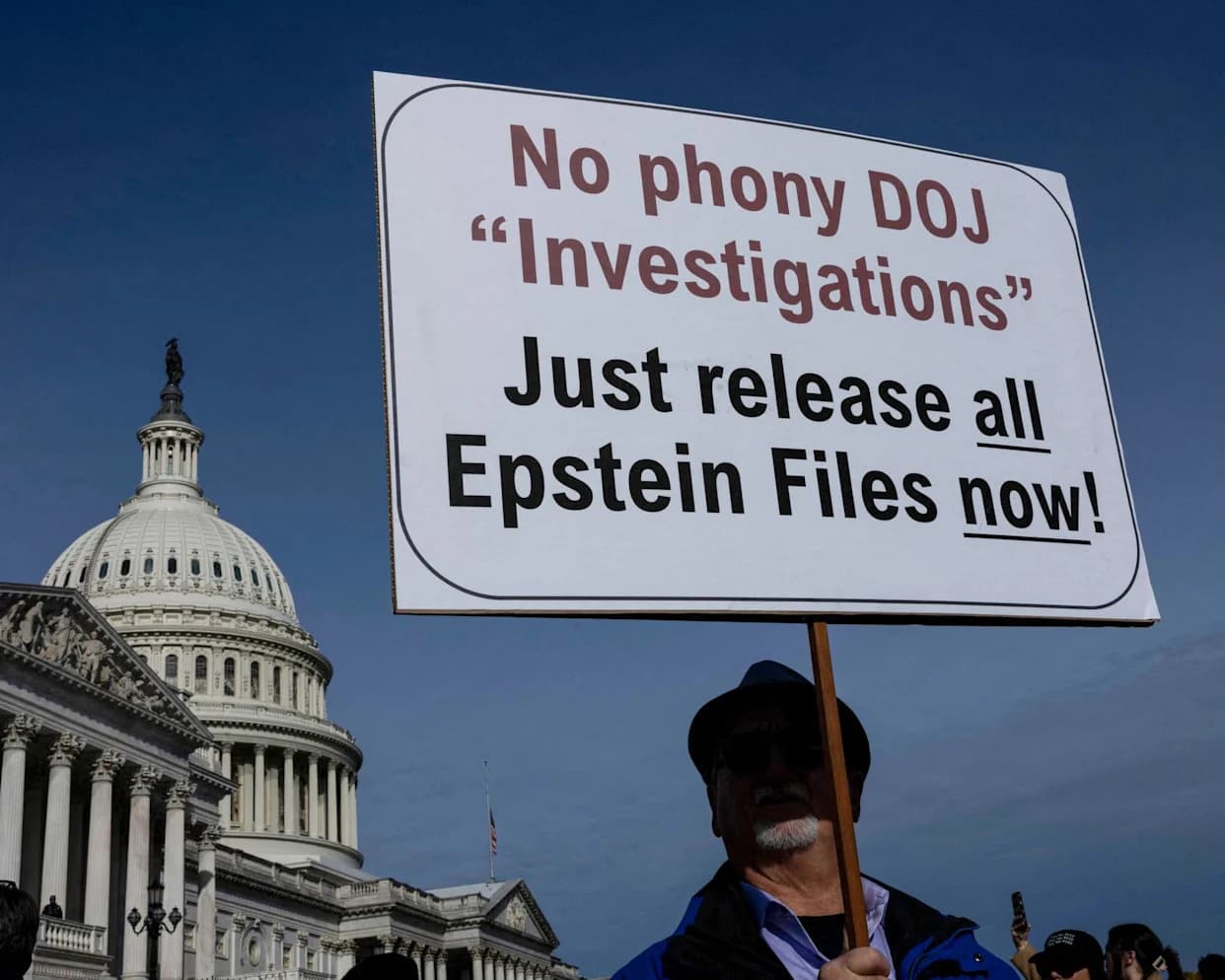
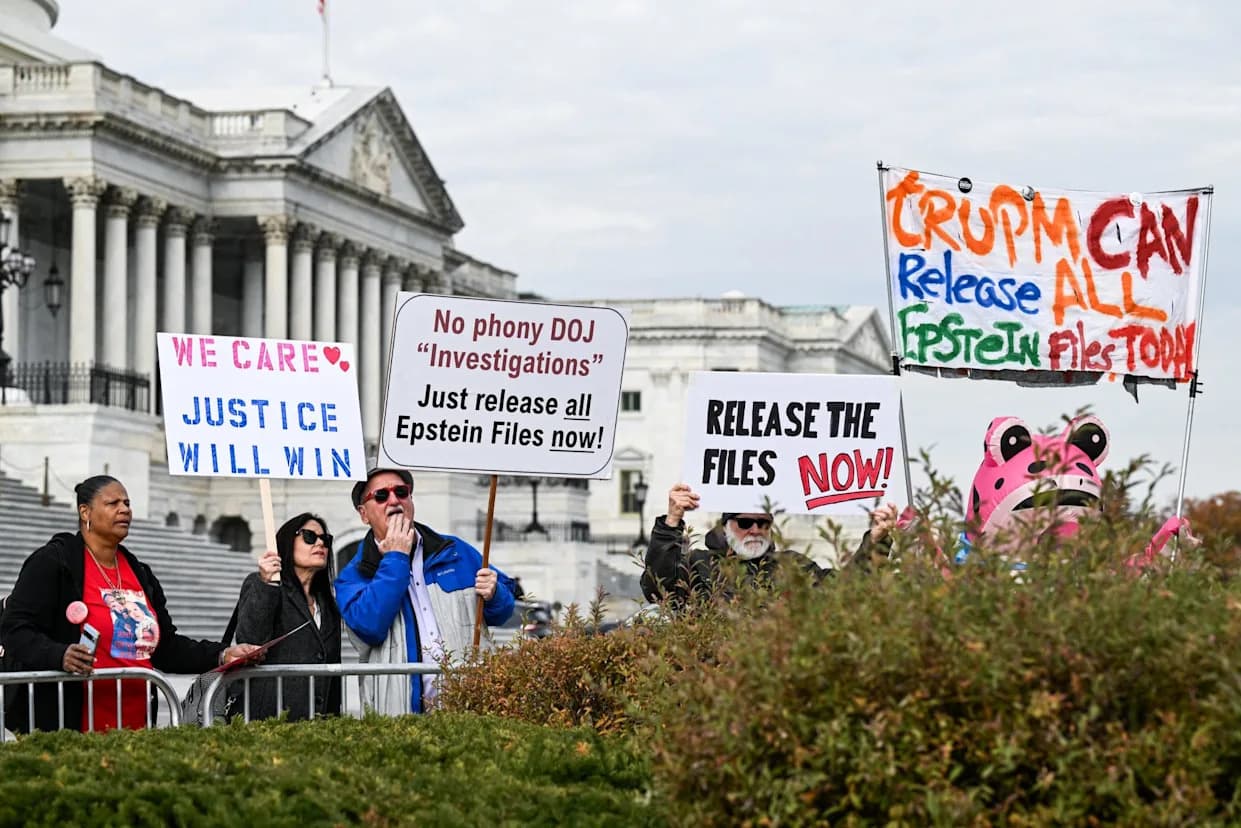
The bulk of the disclosure followed Congress’s bipartisan Epstein Files Transparency Act. While the public posting revealed communications between Epstein and powerful associates and other materials, critics say the rollout has been disorganized and heavily redacted, which they argue undermines transparency and public trust.
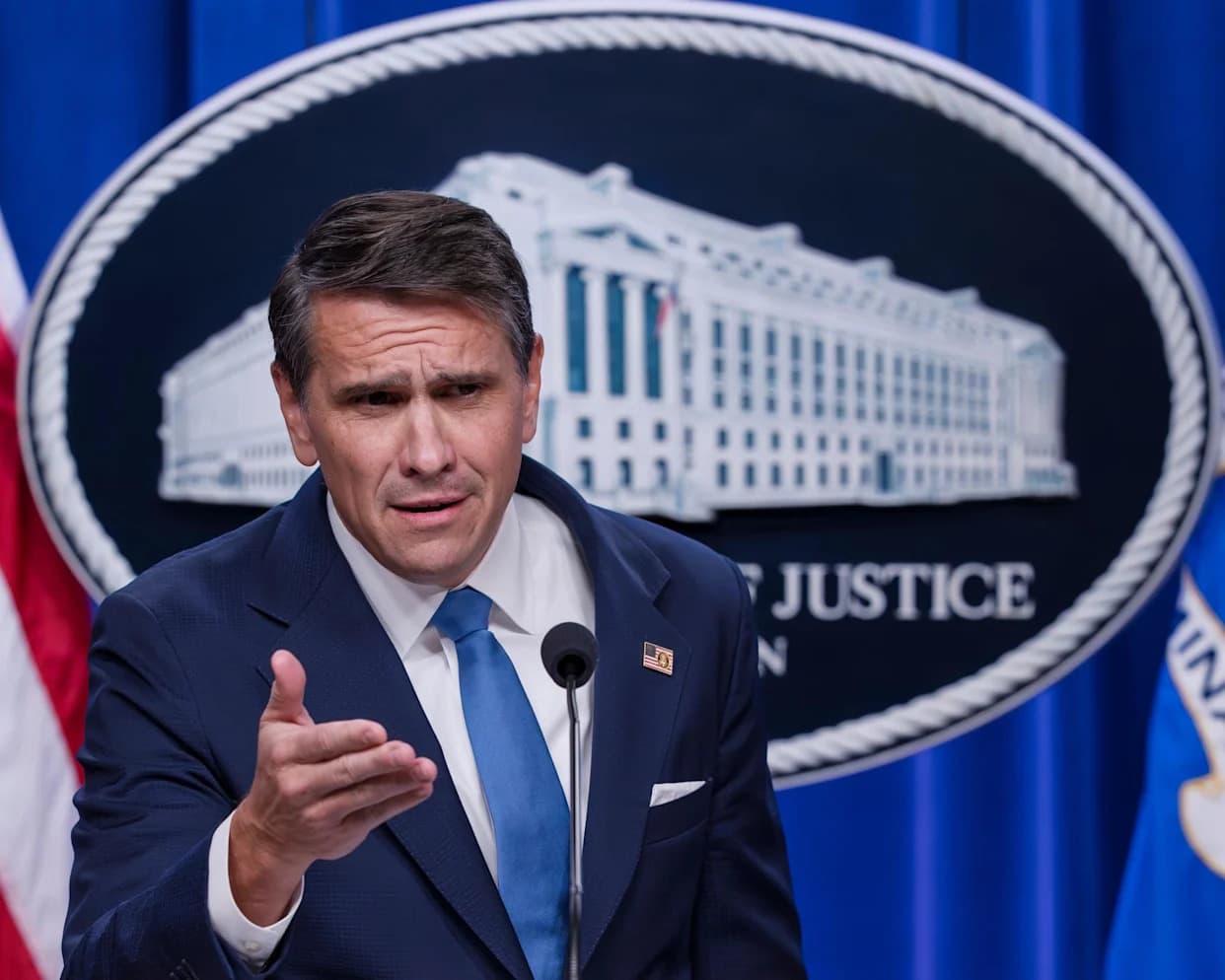
Deputy Attorney General Todd Blanche said investigators flagged more than 6 million potentially responsive files and have cleared about 3.5 million for release. Some graphic images initially posted — including nude photos of minors — were removed from the website after they drew widespread concern.
Lawmakers, Victims And Lawyers Seek More
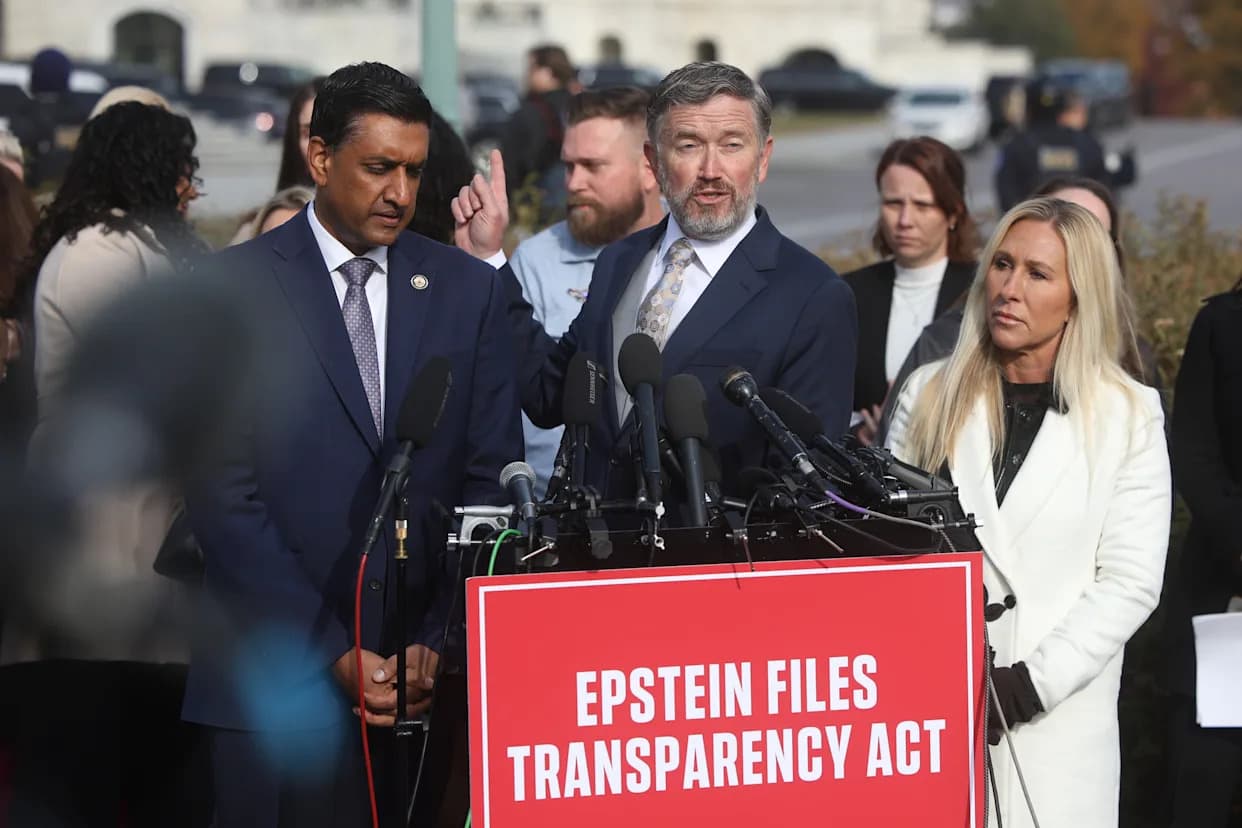
Representatives Ro Khanna (D-Calif.) and Thomas Massie (R-Ky.), sponsors of the transparency law, say victims have told them they still have not seen statements they gave to law enforcement. They also contend some redactions appear inconsistent with the law’s prohibition on withholding material for reasons of "embarrassment, reputational harm, or political sensitivity," which the statute says should not be used as grounds for redaction.
“They, through incompetence, failed to redact the victims’ names,” Rep. Massie said, “while at the same time intentionally withholding documents and redacting documents that contain names of people that should probably be investigated.”
Massie highlighted a 2007 draft indictment of Epstein — a long‑anticipated item — suggesting that many blacked‑out passages could conceal names of alleged co‑conspirators. Khanna and Massie have requested a meeting with Blanche to review documents they believe were improperly withheld or redacted. Blanche said his office is willing to allow lawmakers to review the materials.
Next Steps And Reactions
The Justice Department has said it will submit a report to Congress within 15 days explaining the rationale for its redactions, as the transparency law requires. Officials are also seeking permission to release additional material tied to a grand jury subpoena from the investigation into Epstein associate Ghislaine Maxwell.
Victims’ attorneys described the publication as messy and lacking context. James Marsh, who represents several alleged victims, said his team is combing the files for leads but warned that documents alone may not explain why Epstein remained so insulated from accountability. One client, Maria Farmer, said she felt vindicated after releases showed she had warned the FBI in 1996 that Epstein possessed and distributed child pornography.
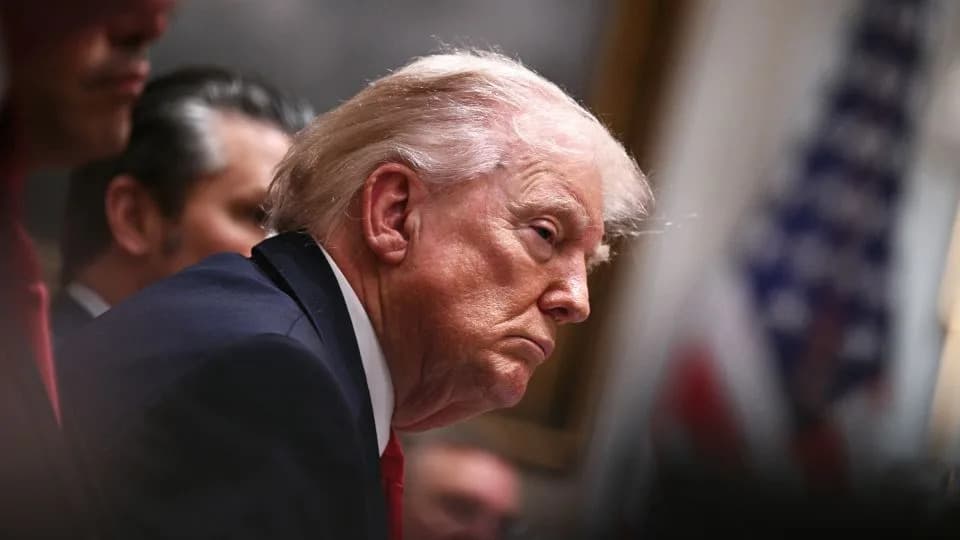
Political reactions were swift and polarized. President Donald Trump dismissed the disclosure effort as a distraction, saying the Justice Department had other priorities. Others called for deeper investigations, additional document releases, and interviews with former agents to fully understand how Epstein evaded earlier scrutiny and who may have enabled him.
Notable Mentions
Reporting on the newly posted records identified appearances by prominent figures, including files that reference Andrew Mountbatten‑Windsor, the Duke of York. Lawmakers and advocates say journalists and investigators must continue to scrutinize the material to determine the scope of Epstein’s connections and possible co‑conspirators.
The release represents a significant step toward transparency, but for many survivors, advocates and some lawmakers it raises as many questions as it answers.
Help us improve.