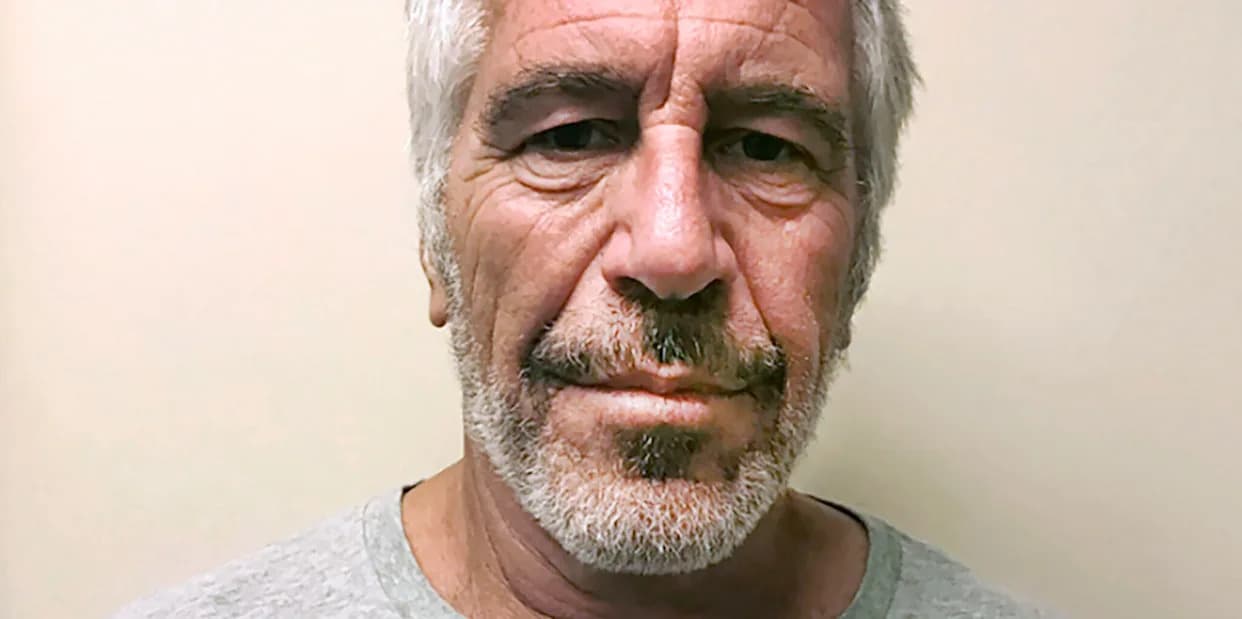
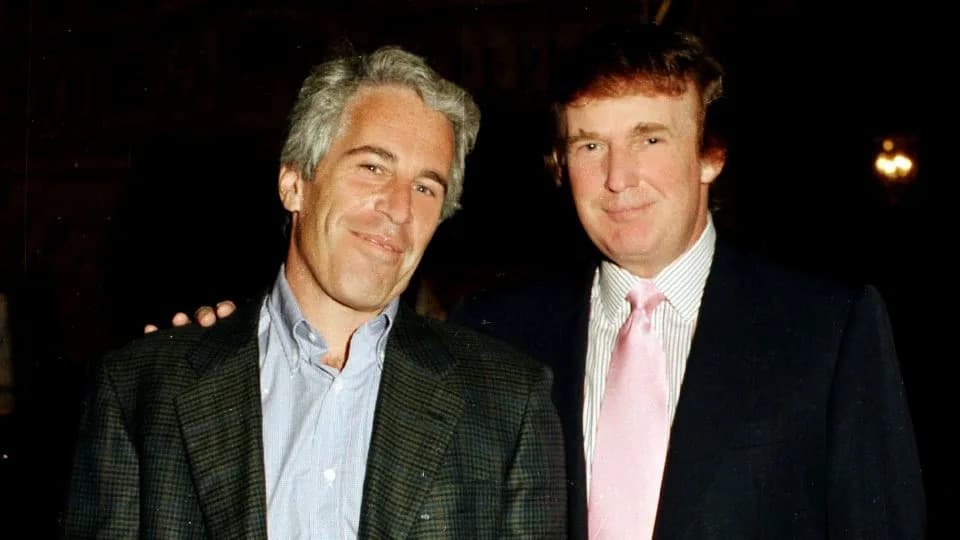
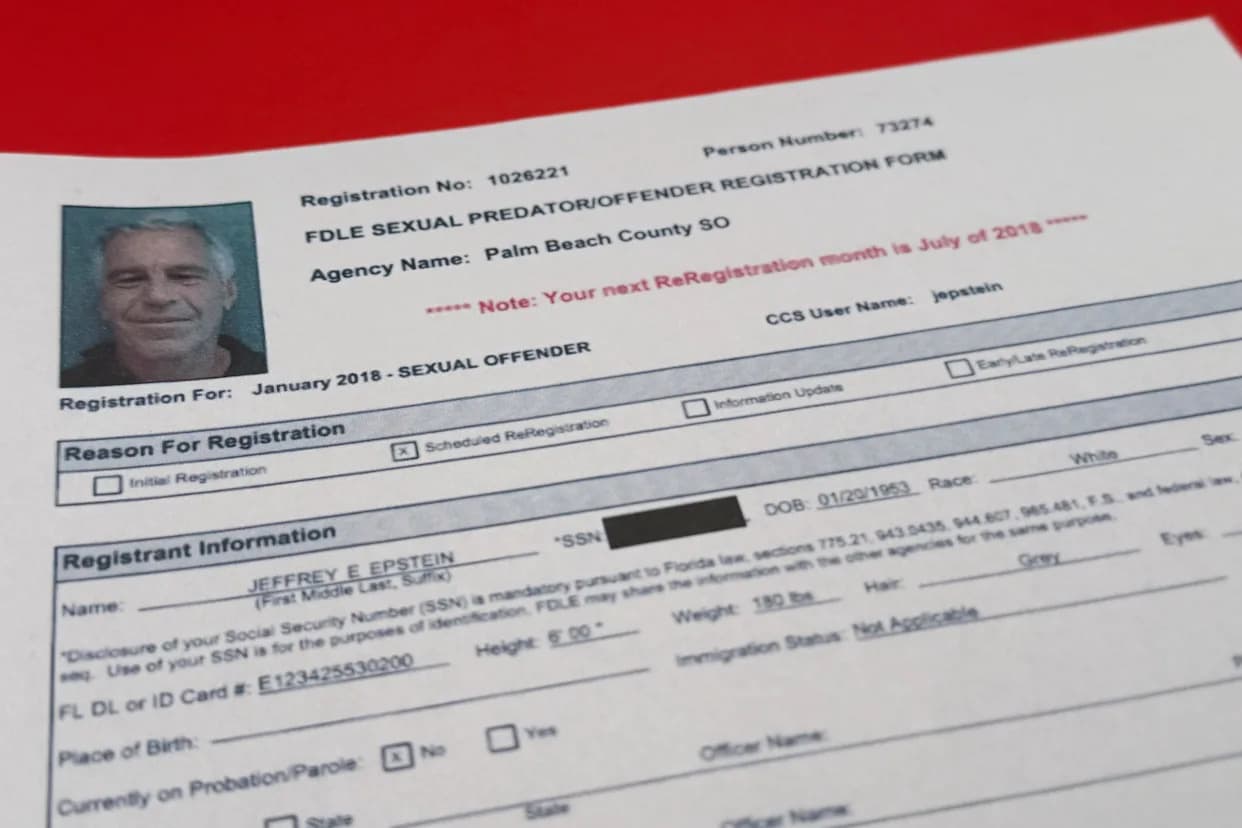
Juan Williams argues the Jeffrey Epstein case reveals systemic protections for the wealthy and powerful, a point echoed by political provocateurs across the spectrum. He criticizes Republican leaders for resisting full disclosure of government records and notes similar caution among Democrats at both federal and state levels. With public demand for transparency high and polls showing many Americans believe files are being withheld, Williams says the scandal could become a rare opportunity for bipartisan accountability.
Epstein Files: Unlocking the Secret Architecture of Power
Regular readers may expect me to avoid certain voices, yet Frederick Douglass advised us to 'unite with anyone to do right and no one to do wrong.' That principle leads me to highlight observations from commentators I rarely cite — because the Jeffrey Epstein saga cuts across partisan lines and exposes how power protects the privileged.
“Epstein unlocks the secrets, the secret architecture of our world — the way power is structured and operates over all of us… for the enrichment and protection of a couple of people,” Milo Yiannopoulos said in conversation with Candace Owens. He added that Epstein “represents, in one person, everything that we worry about” — a stark symbol of systemic protection for the wealthy and well-connected.
Steve Bannon made a similar point, calling the Epstein matter “the key that picks the lock on so many things — not just individuals but also institutions.” Those assessments help explain why the story still matters as the midterm elections approach: it is not only about individual wrongdoing but about how institutions respond, or fail to respond, to allegations against powerful people.
Political Response And Questions Left Unanswered
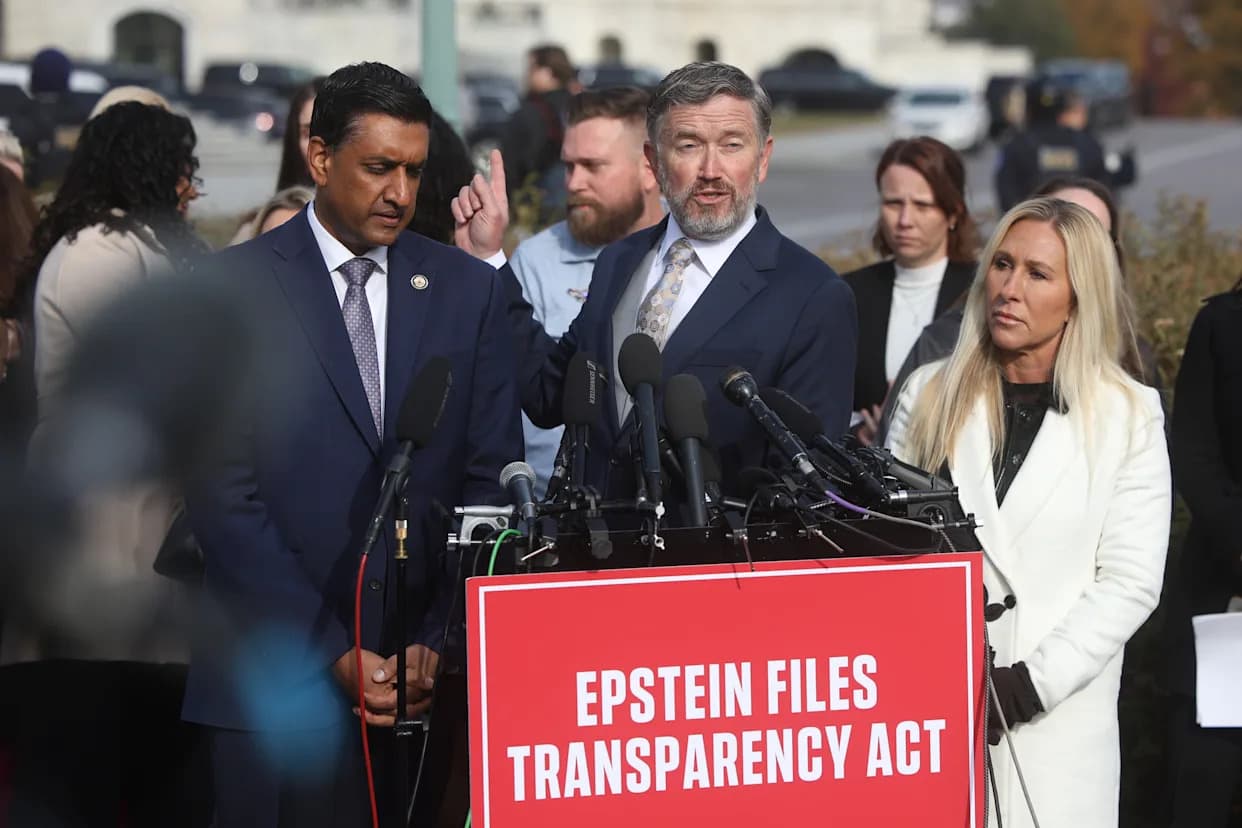
Why, then, have many Republican leaders in Congress been tepid about pushing for the full release and examination of government records related to Epstein? Despite emotional public appeals from victims, the Republican congressional majority has shown limited urgency. House Speaker Mike Johnson (R-La.) extended a congressional recess and delayed swearing in a Democratic member who later voted to disclose documents, a move critics say aligned with President Trump’s public urging to move the country on.
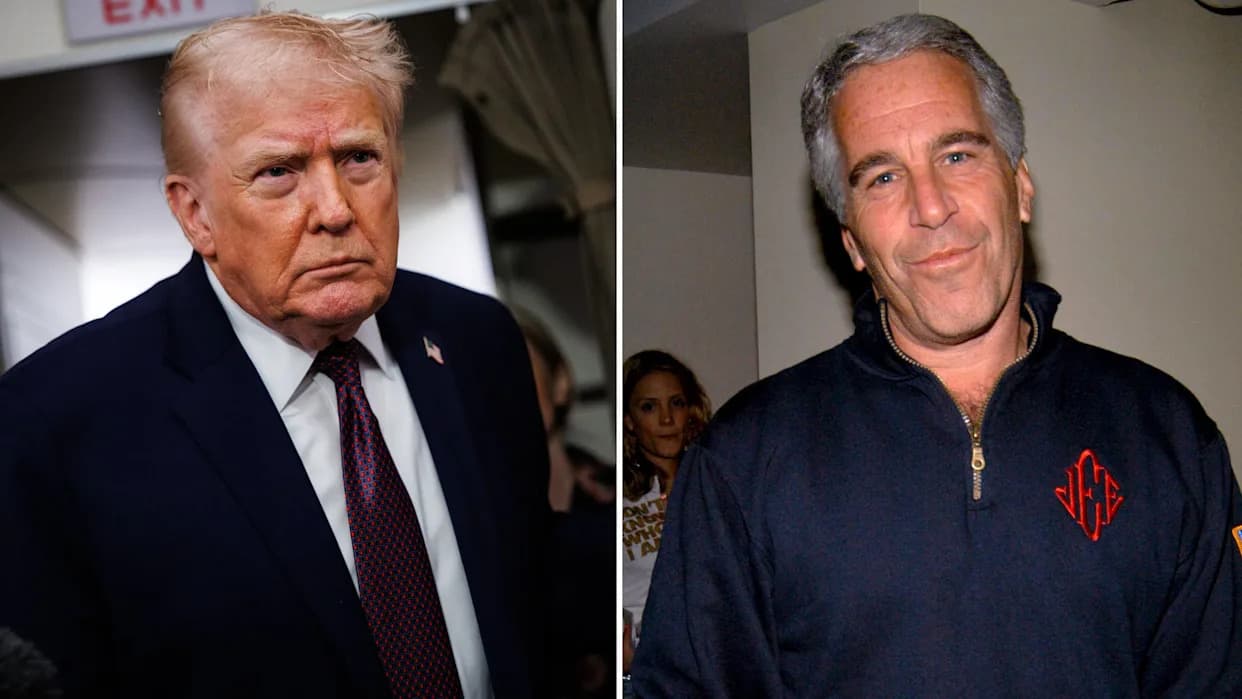
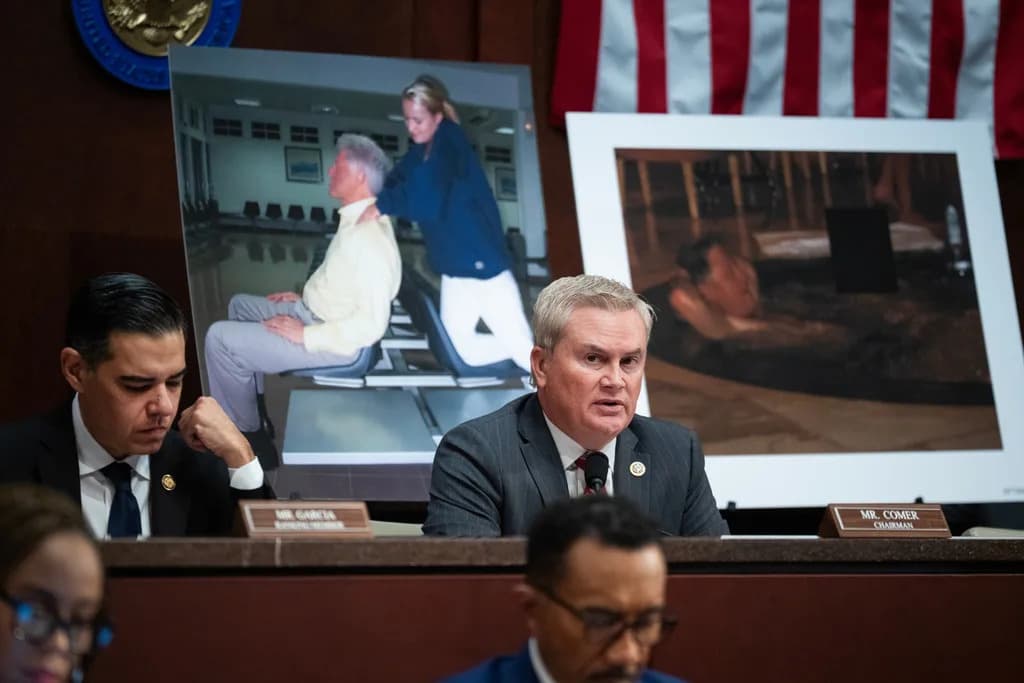
Shortly after a batch of documents contained disturbing allegations that mentioned Mr. Trump, some items were briefly removed from the FBI website, drawing further scrutiny. Meanwhile, House Oversight Committee Chair James Comer (R-Ky.) has sought testimony from former President Bill Clinton and former Secretary of State Hillary Clinton, even threatening subpoenas — yet he has not sought sworn testimony from Donald Trump, who is referenced repeatedly in the records.
CNN correspondent Manu Raju noted that “President Trump is mentioned more than a thousand times in these documents,” and asked why investigators have not pursued sworn answers from him. Informal press encounters are not the same as testimony under oath, and critics say avoidance of formal inquiry undermines public trust.
Partisan Reluctance And Public Pressure
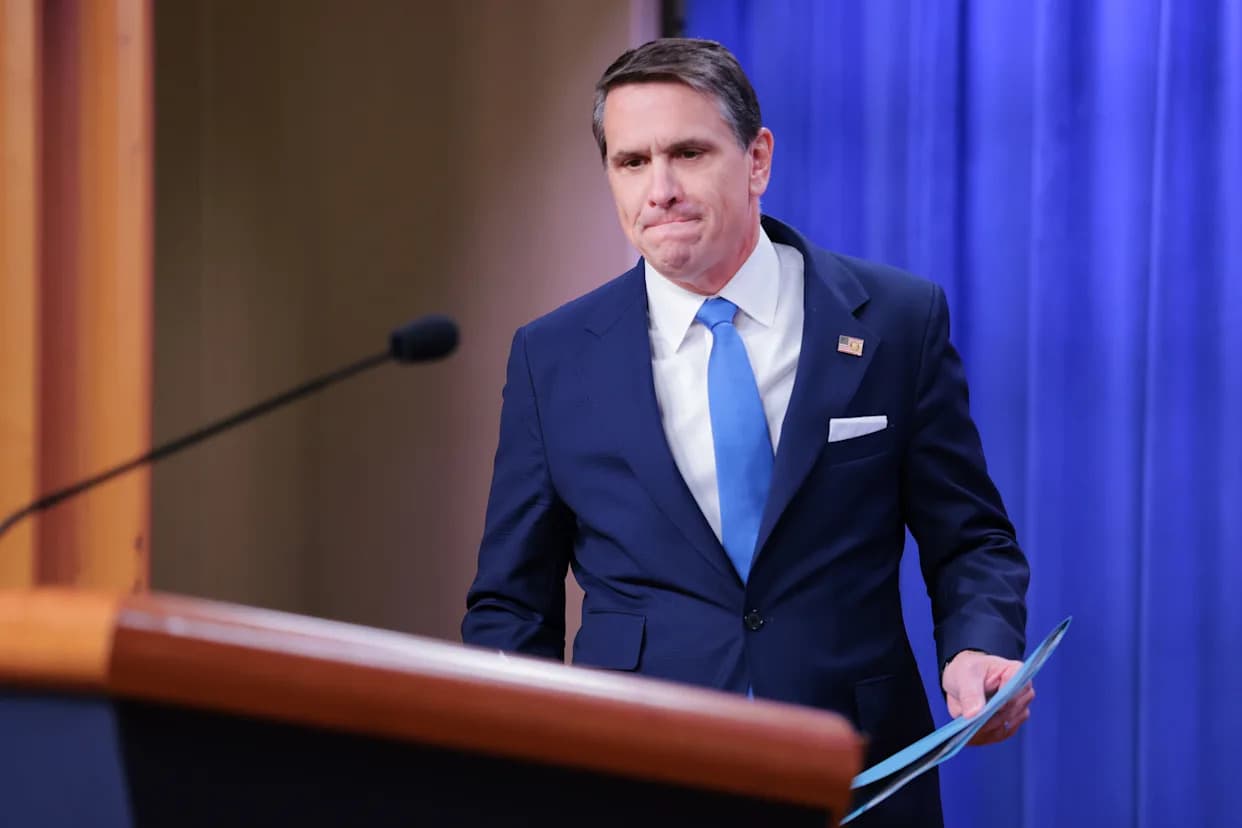
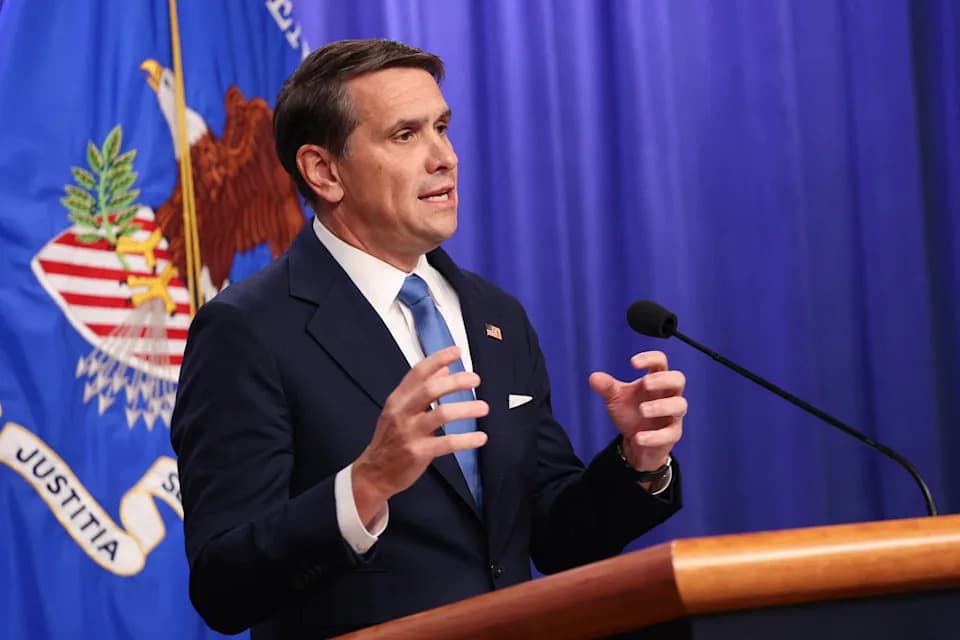
Democrats, for their part, have often been cautious about using Epstein as a political cudgel. Under Attorney General Merrick Garland, the FBI has faced criticism for hesitating despite what now appears to be a significant body of evidence. State-level officials in Democratic jurisdictions could pursue independent investigations, given the released material, but many have been reluctant to do so for fear of appearing partisan.
That caution is notable in New York, where Attorney General Letitia James and Manhattan District Attorney Alvin Bragg previously prosecuted President Trump on financial matters but have not opened publicly visible probes tied to the newly disclosed allegations of sexual abuse. Epstein’s misconduct has been reported in multiple jurisdictions, including the U.S. Virgin Islands, a New Mexico ranch, a New York City townhouse, and a Florida mansion, which complicates jurisdictional responsibility and potential investigations.
Politics, Polls And The Prospect Of Accountability
Public opinion underscores the stakes. Polling indicates roughly two-thirds of Americans believe the government, now under Mr. Trump’s influence, is withholding Epstein files. Senator Jon Ossoff (D-Ga.) drew national attention when he raised those concerns at a reelection event, asking whether the president would release the records while being linked to Epstein in the documents.
With President Trump’s national disapproval reported near 54.6 percent by Decision Desk HQ, some Republicans and conservative commentators appear increasingly receptive to accountability that transcends partisan loyalty. Exposing predatory behavior among the wealthy and well-connected could serve both moral and political interests for members of either party willing to press the matter.
Ultimately, the Epstein records are less about a single man and more about revealing how power, privilege, and institutions intersect — and whether the nation’s political leaders will prioritize transparency and justice over partisan protection.
Juan Williams is a senior political analyst for Fox News Channel and a historian of civil rights. He is the author of New Prize for These Eyes: The Rise of America’s Second Civil Rights Movement.
Help us improve.