Key fact: Congress passed the Epstein Files Transparency Act requiring the DOJ to release specified records by 19 December, but the department has produced only a small fraction of the files. Legal experts say the main options left are court-ordered production, FOIA litigation, congressional suits and sustained public pressure. Practitioners and advocates also warn EFTA lacks an explicit enforcement mechanism—prompting calls to amend the law to add judicial oversight. Survivors say the delay is retraumatizing and insist that forceful legal or legislative action is needed for full transparency.
How Can Trump’s DOJ Be Forced to Release All Epstein Files? Legal Experts Outline Next Steps
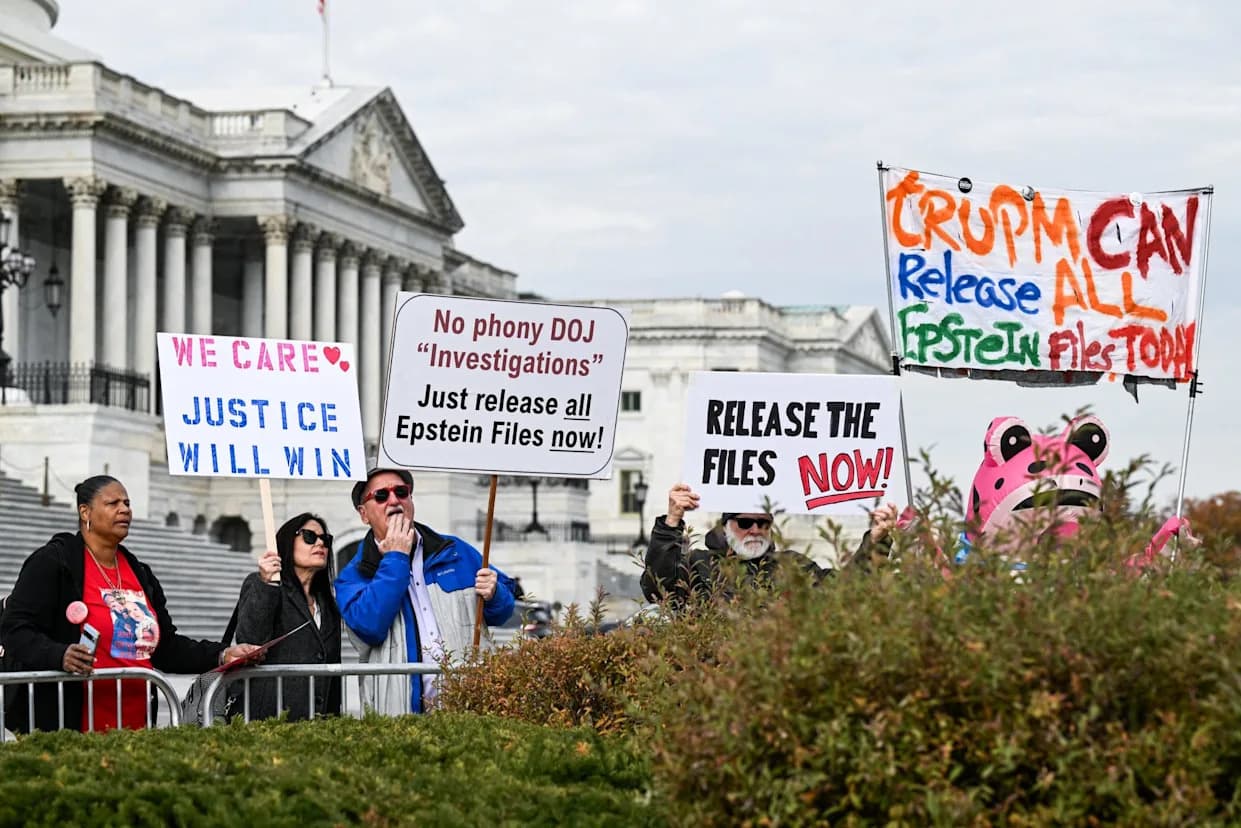
Protesters call for the release of the Epstein files in Washington DC on 18 November 2025.Photograph: Annabelle Gordon/Reuters(Photograph: Annabelle Gordon/Reuters)
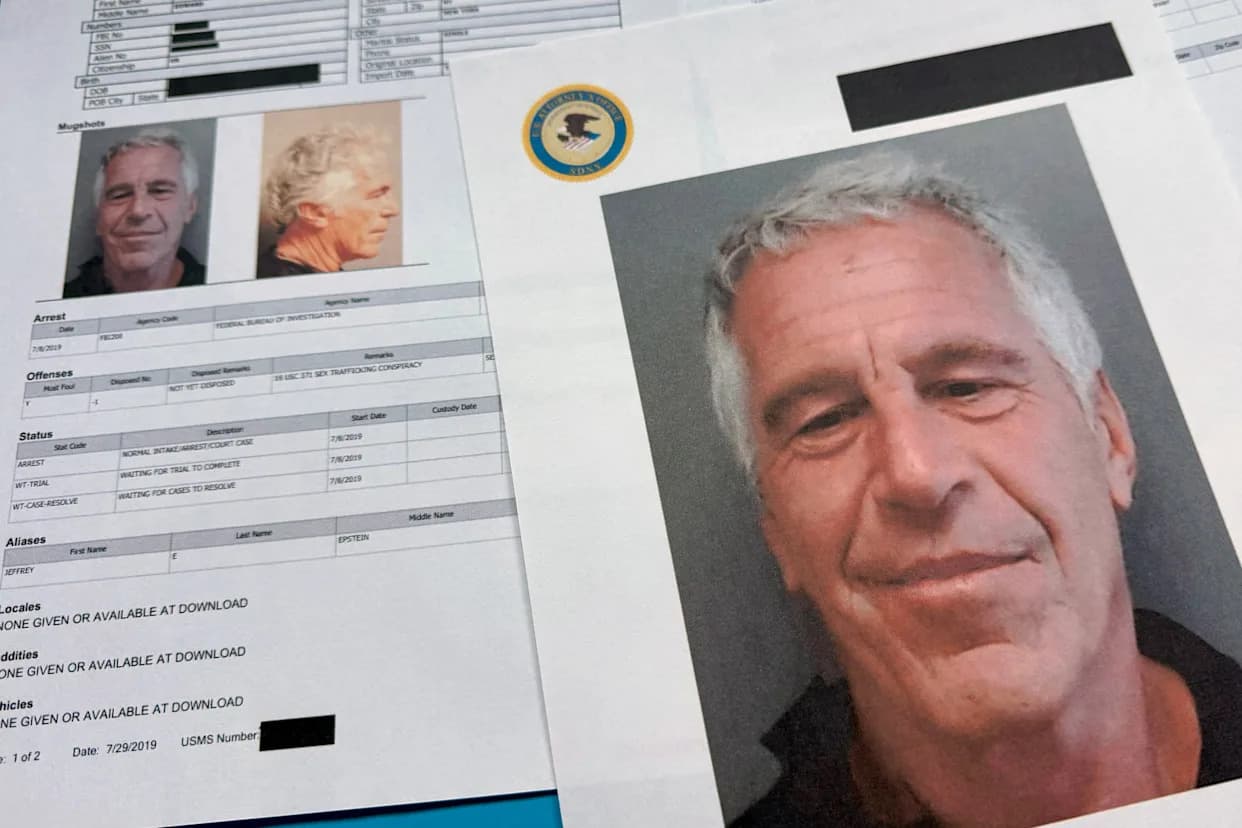
Public outrage over the secrecy around investigative records tied to Jeffrey Epstein intensified in 2025 after President Donald Trump did not immediately fulfill campaign promises to disclose those files. In response, Congress passed the Epstein Files Transparency Act (EFTA), which President Trump signed into law and which required the Department of Justice to release the specified records by 19 December.
That deadline passed with the DOJ producing only a small fraction of the disclosures required by the law. Limited releases so far have offered little clarity about how Epstein operated for years and have left victims, advocates and lawmakers seeking next steps to compel full transparency.
Why Transparency Has Stalled
Attempts to appoint a court-supervised independent monitor (a special master) to oversee document disclosure were unsuccessful. Legal experts told the Guardian that those failed efforts underscore both the available legal tools and the significant obstacles—especially when the agency responsible for compliance is the same department resisting disclosure.
Top Legal Options Identified by Experts
Court Orders and Litigation: Attorneys say plaintiffs or Congress can seek equitable relief in federal court—a judicial order compelling production. If a court issues an order and the DOJ fails to comply, judges can impose sanctions or contempt remedies to force compliance. However, litigation can take time, and enforcement is complicated when the DOJ is the target.
FOIA Enforcement: Freedom of Information Act litigation remains a tool to obtain records, either through individual FOIA suits or special FOIA provisions if incorporated by Congress.
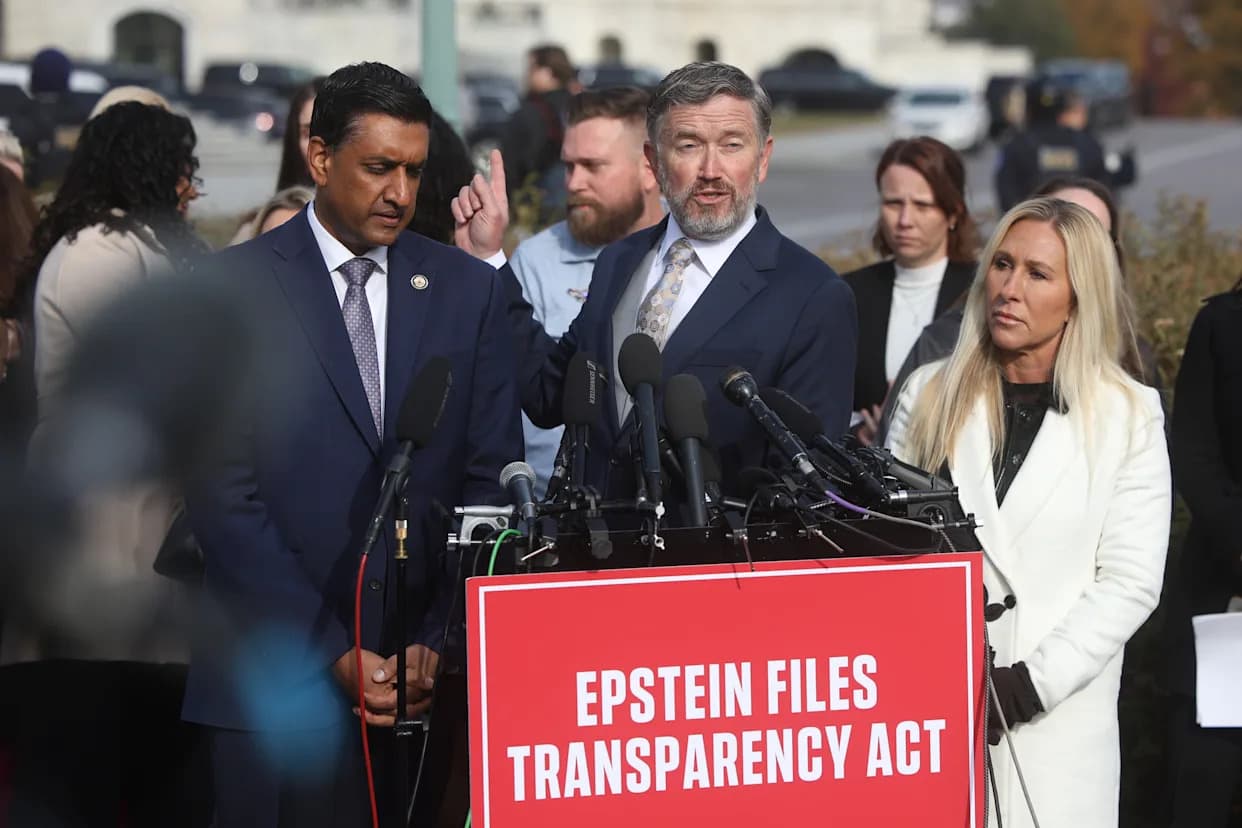
Congressional Lawsuits and Oversight: Lawmakers could sue to enforce the statute or use oversight powers, including public hearings and subpoenas, to pressure the department. Representatives Ro Khanna and Thomas Massie—co-sponsors of the EFTA—have signaled they will pursue all available legal avenues to compel disclosure.
Public Pressure and Advocacy: Survivors’ advocates and attorneys stress that sustained media scrutiny, public campaigns and survivor testimony can increase political and legal pressure for release.
Practical and Legal Challenges
Former federal prosecutor Neama Rahmani noted a practical enforcement dilemma: courts can issue orders, but contempt and criminal enforcement of those orders are typically prosecuted by the DOJ itself—creating a conflict when the DOJ is the party refusing to comply. Mark Zaid, a national security and transparency attorney, pointed out that EFTA lacks an explicit enforcement mechanism such as direct judicial review or a private right of action, a gap that makes litigation and enforcement more difficult.
Perspectives From Advocates and Lawyers
Mitchell Garabedian, who represents survivors of sexual abuse, recommends a dual strategy: pursue court relief to enforce deadlines while sustaining public pressure. "The release of the files is an important step in transparency, which will help victims try to gain at least a degree of healing, closure and validation," he said.
Spencer Kuvin, who has represented many Epstein survivors, called continued legal pressure "the only real tools left" and described the stalemate as "devastating" for victims who have waited years for answers.
Mark Zaid urged that Congress amend EFTA to include explicit judicial oversight or specific enforcement paths—either a direct congressional enforcement route or FOIA-based private suits—to make compliance more enforceable.
What Comes Next?
Experts say the most likely paths forward include: (1) targeted litigation seeking judicial orders compelling records production; (2) intensified FOIA lawsuits and enforcement actions; (3) congressional litigation or more aggressive oversight; and (4) legislative amendments to add clear enforcement mechanisms or judicial review to EFTA.
While these routes remain available, they are time-consuming and legally complex. Survivors and advocates emphasize that without forceful legal or legislative action, full transparency is unlikely to be achieved voluntarily.
Neither the Justice Department nor the White House immediately responded to requests for comment. Representatives for Ghislaine Maxwell, a convicted Epstein co-conspirator who reportedly said she would plead the Fifth ahead of an expected House oversight deposition, did not immediately respond to requests for comment.
Help us improve.