The first bellwether trial opened this week in Los Angeles, where jurors will consider claims that Meta, Snap, TikTok and YouTube designed features that deliberately fostered addiction and damaged young users' mental health. The initial case—centered on a 20-year-old plaintiff who says she became addicted around age 10—is expected to run six to eight weeks and is the first of about 22 planned test trials. Plaintiffs seek damages and industry-wide safety reforms; tech firms deny the allegations, cite safety tools and parental controls, and plan to contest causation and statutory defences including Section 230.
Landmark Jury Trials Begin Over Alleged Social Media 'Addiction' of Young Users

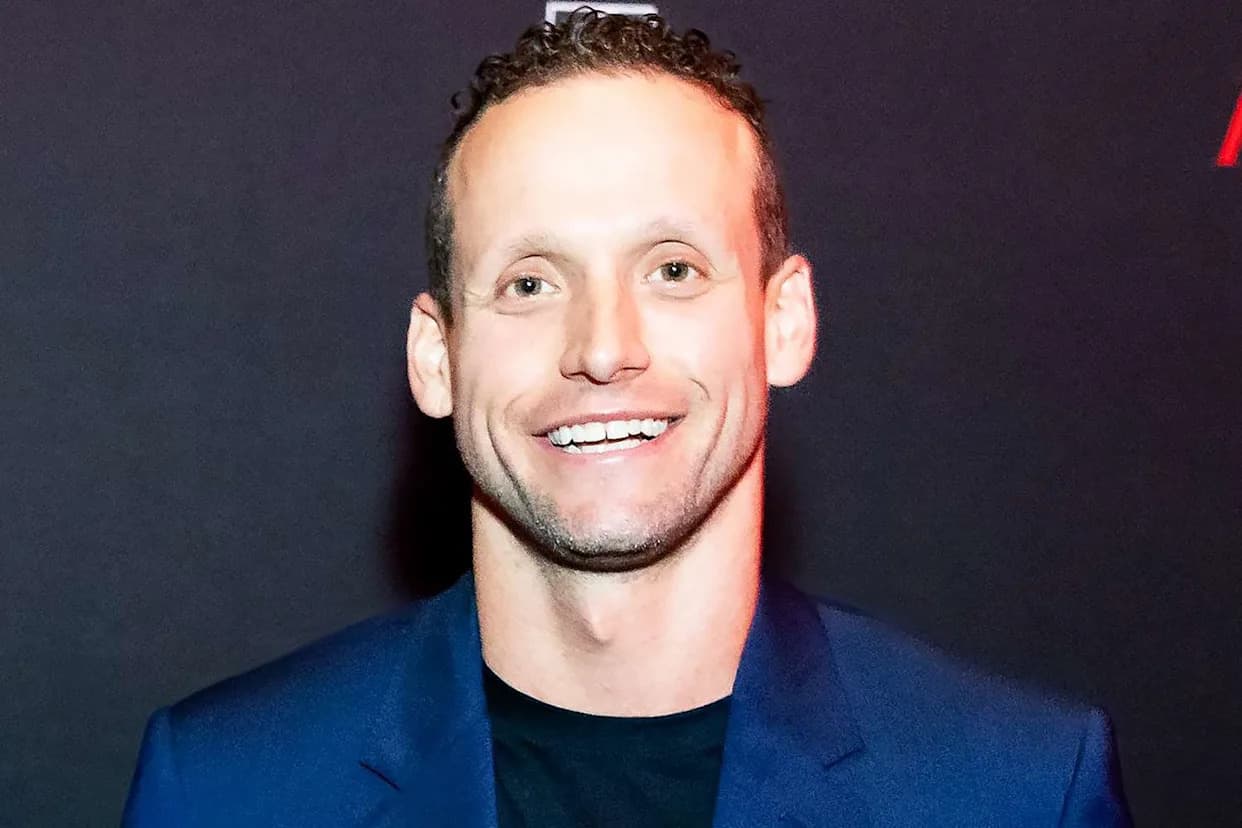
Meta’s Mark Zuckerberg is among the big tech CEOs who are expected to testify.Photograph: David Zalubowski/AP(Photograph: David Zalubowski/AP)
Jury selection has begun in Los Angeles for the first of a series of landmark "bellwether" trials accusing major social media platforms of designing products that intentionally foster addictive behaviour and harm young users' mental health.
What’s At Issue
The opening case centers on a 20-year-old plaintiff identified by the initials KGM, who alleges she became addicted to social media around age 10 and suffered physical and emotional harm as a result. That trial is expected to last six to eight weeks and is the first of roughly 22 planned bellwether cases intended to test legal theories that could shape later litigation.
Who’s Involved
Hundreds of parents, teenagers and school districts have sued Meta, Snap, TikTok and YouTube. Snap and TikTok reached a settlement with the plaintiff in the first case, leaving Meta and YouTube as the remaining defendants in this initial courtroom proceeding. Major executives, including Meta CEO Mark Zuckerberg and YouTube CEO Neal Mohan (and Instagram head Adam Mosseri), are among those expected to testify in the opening trial.
Plaintiffs’ Claims
Plaintiffs seek monetary damages and injunctive relief that would require industry-wide safety reforms. They allege platform design choices—such as infinite scroll, autoplay and algorithmic curation—prioritize engagement over wellbeing and were chosen with knowledge of the risks to children and teens.
Defendants’ Position
Tech companies dispute a direct scientific link between platform design and a diagnosable addiction. They point to safety tools, parental controls and policy changes adopted in recent years, and emphasize that harmful outcomes stem from problematic third-party content rather than platform mechanics. Defendants have raised legal defences including Section 230 of the Communications Decency Act and First Amendment arguments; plaintiffs say those defences do not shield the platforms from claims about how they designed their products.
"Plaintiffs have reconfigured it to say, look: the wrongful thing Meta is doing is running its whole platform in such a way that people get addicted," said Benjamin Zipursky, a law professor at Fordham University.
Evidence, Wider Stakes, And Next Steps
Some unsealed internal messages and documents have intensified scrutiny—allegations that employees compared Instagram to a drug or joked "we're basically pushers" are part of the disclosed material, which companies say is taken out of context. Legal experts expect many rulings to be appealed, and foresee battles over causation, admissibility of expert testimony, and statutory protections. Lawmakers worldwide are watching closely; several jurisdictions have already considered or enacted laws that reflect concerns raised by plaintiffs.
While social media "addiction" is not a formal diagnosis in the latest Diagnostic and Statistical Manual of Mental Disorders, researchers have documented compulsive use with serious consequences in young people. Jurors' verdicts in these early cases may influence settlement negotiations, regulatory action and how platforms are engineered in the future.
Help us improve.