Robby Soave argues that the public release of millions of Jeffrey Epstein documents has produced partisan "witch hunts," reputational harm, and the spread of gossip and unverified claims. While acknowledging the value of transparency — and that the releases have exposed poor judgment by some public figures — Soave warns that many files lack corroboration and can unfairly damage innocent people. He notes the records show no evidence tying Bill or Hillary Clinton or Donald Trump to child sex crimes, and cites the recent 3.5 million-document release and reports that a DOJ tool flagged Trump's name in about 5,300 files.
Robby Soave: Why Releasing Millions Of Epstein Files May Do More Harm Than Good
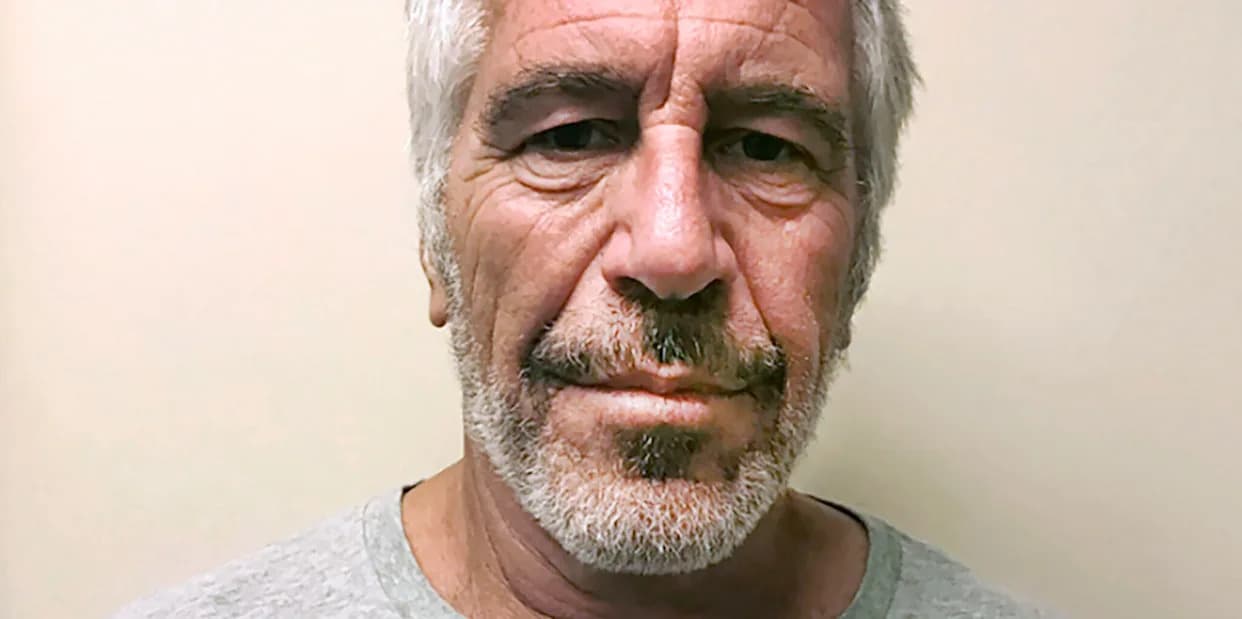
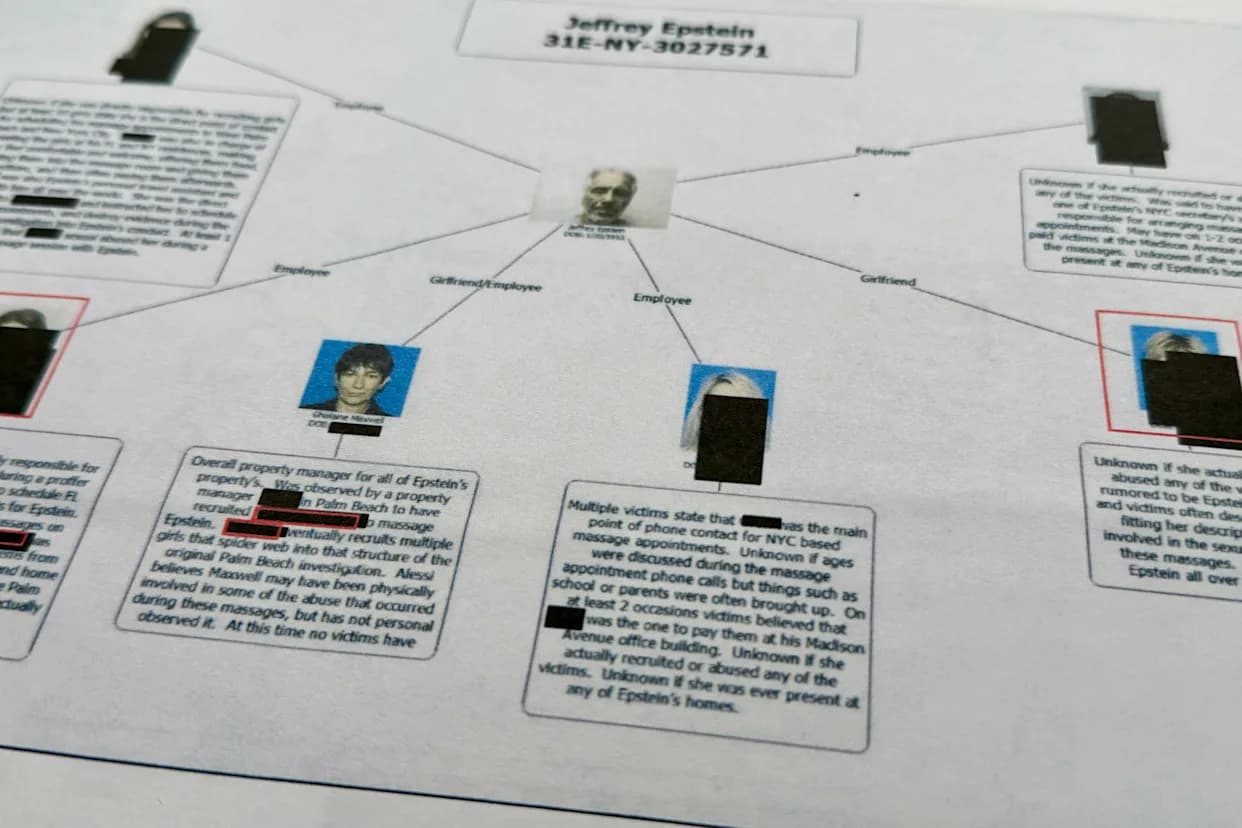
Jeffrey Epstein
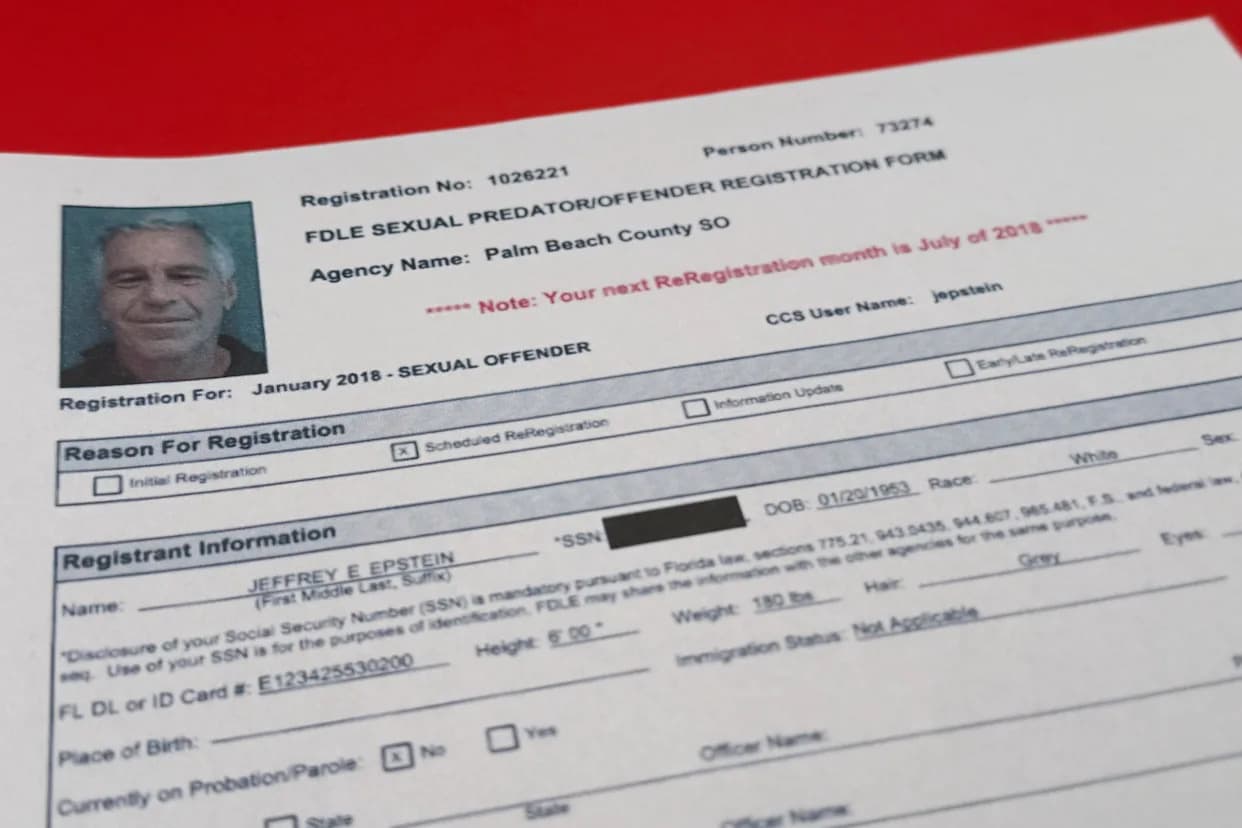
Reason senior editor Robby Soave argues that the public release of millions of documents connected to Jeffrey Epstein has produced unintended, damaging consequences: partisan digging, reputational harm to people only tangentially linked to Epstein, and widespread circulation of gossip and unverified claims.
In a new piece for The Free Press, Soave begins by affirming a baseline most readers share — that sexual abusers should be held accountable and victims deserve justice. But he contends the mass disclosures have become a "goldmine" for political actors whose primary aim is to "dig up dirt" on opponents rather than to advance victims' interests or the cause of truth.
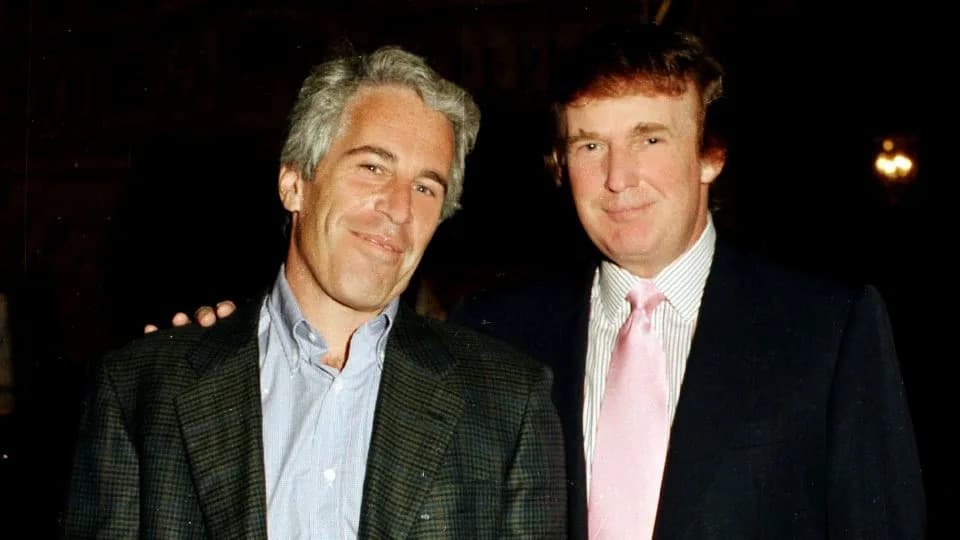
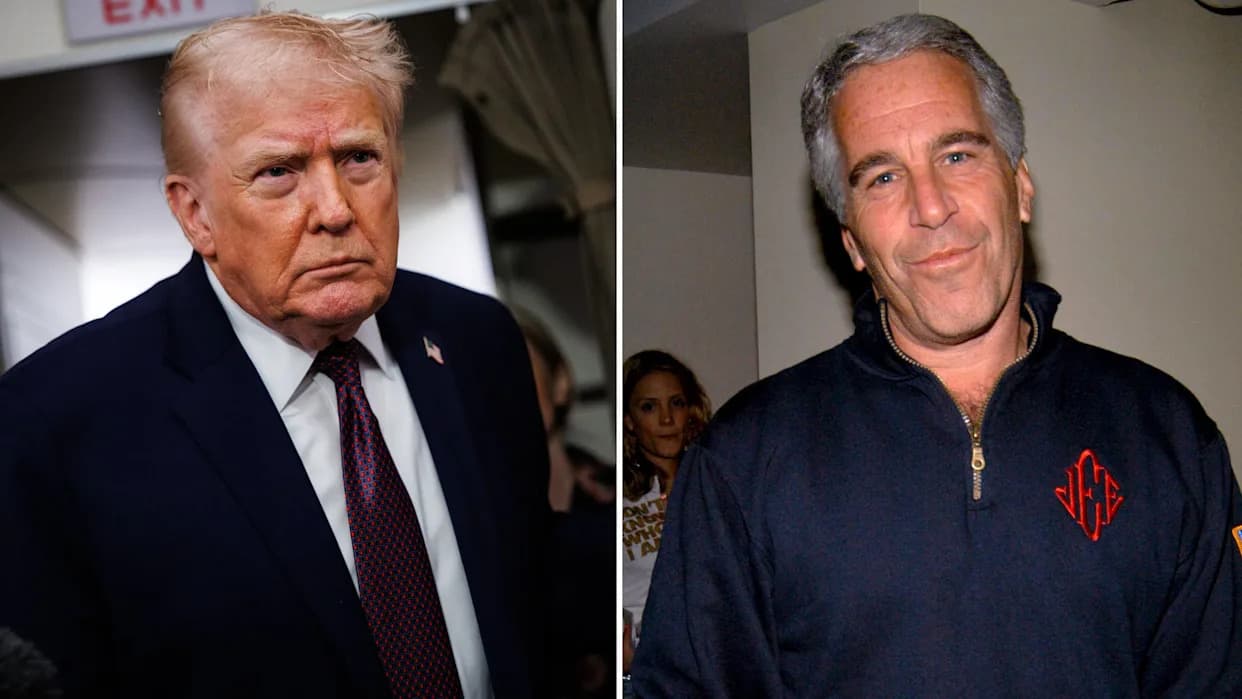
For example: The Epstein files reveal no facts whatsoever to support the idea that Democratic Party elites—namely, Bill and Hillary Clinton—or Republican Party elites—specifically, Donald Trump—were guilty of sex crimes with children. Yet this lack of proof is itself being treated as evidence of some sort of larger cover-up: The Clinton and Trump stuff must be buried even more deeply!
Soave acknowledges the transparency argument has merit: the releases have exposed the poor judgment of respected figures who maintained ties with Epstein, citing names such as Noam Chomsky, Bill Gates, and Steve Bannon as examples whose associations invite scrutiny. Still, he warns that many released files contain gossip, unverified allegations, and outright falsehoods — material that can damage reputations even when it lacks corroboration.
Concern For Collateral Harm
Soave revisits the lone House dissent in last year's 427–1 vote to release more Epstein-related documents: Rep. Clay Higgins (R-LA) warned that handing the files to the public and a "rabid media" could "absolutely result in innocent people being hurt." Given subsequent months of partisan amplification and allegations spread online, Soave suggests Higgins' solitary no vote may look prescient in retrospect.
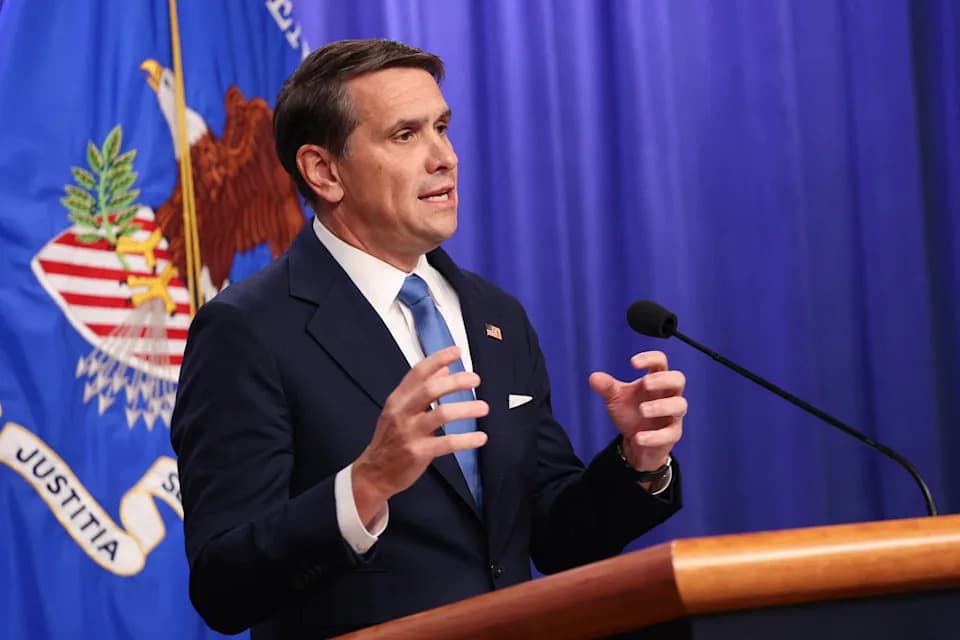
The article follows the Department of Justice's recent publication of roughly 3.5 million Epstein-related documents. The New York Times reported that a DOJ search tool flagged President Donald Trump's name in about 5,300 documents; Trump has said the materials "absolve" him and urged the country to move on to other issues. Soave later added that many "Epstein obsessives" appear unable to substantiate claims of a global pedophile ring and instead respond with hysteria when challenged.
Soave's critique is not an argument for secrecy for its own sake, but for responsible disclosure: balancing transparency against the risk of weaponizing raw, unverified records into politically motivated smear campaigns that distract from victims and the facts.
What To Watch
As additional materials are published and parsed by journalists, activists, and researchers, Soave urges readers and institutions to apply skepticism, verify allegations before amplifying them, and distinguish credible evidence from rumor. The broader debate his piece fuels is about how to make truth-seeking compatible with protecting privacy and preventing collateral damage.
Help us improve.