Donald Trump’s political standing has slid from apparent dominance to renewed vulnerability as political norms reassert themselves. Organic social-video recordings of ICE and Border Patrol encounters and the expanding Jeffrey Epstein files have undercut White House narratives and broadened public concern. Concurrently, media shifts — with The Wall Street Journal breaking damaging financial stories and The Washington Post’s editorial pivot failing to win a clear new audience — suggest sustained scrutiny rather than a short-lived scandal.
How Trump’s Political Altitude Came Down: Viral Videos, Epstein Files and Shifting Media

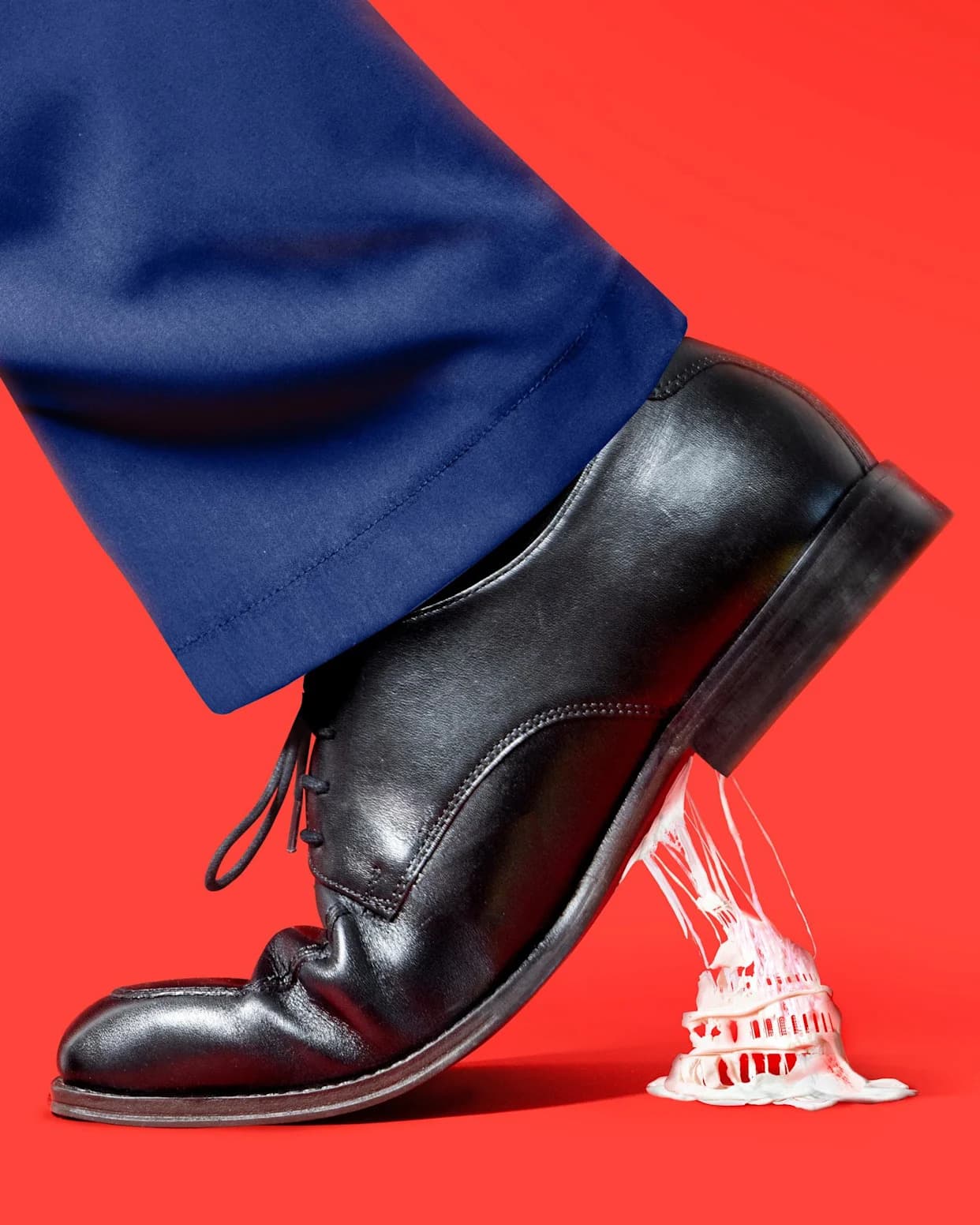
It’s a familiar pattern with President Donald Trump: for stretches it feels as if ordinary political rules no longer apply, prompting commentators to declare a fundamentally altered landscape. Then, as those theories harden — about extreme polarization, algorithm-driven echo chambers, the president’s immunity to scandal, or his dominance over media narratives — political gravity tends to reassert itself.
Over the past few months Mr. Trump’s trajectory has moved from apparent dominance to renewed vulnerability. He now faces a cluster of problems — viral social videos, an expanding trove of Jeffrey Epstein-related files, and renewed investigative pressure from major newsrooms — that together have begun to erode public confidence in White House narratives.
Social Video, Not Deepfakes, Shifts the Story
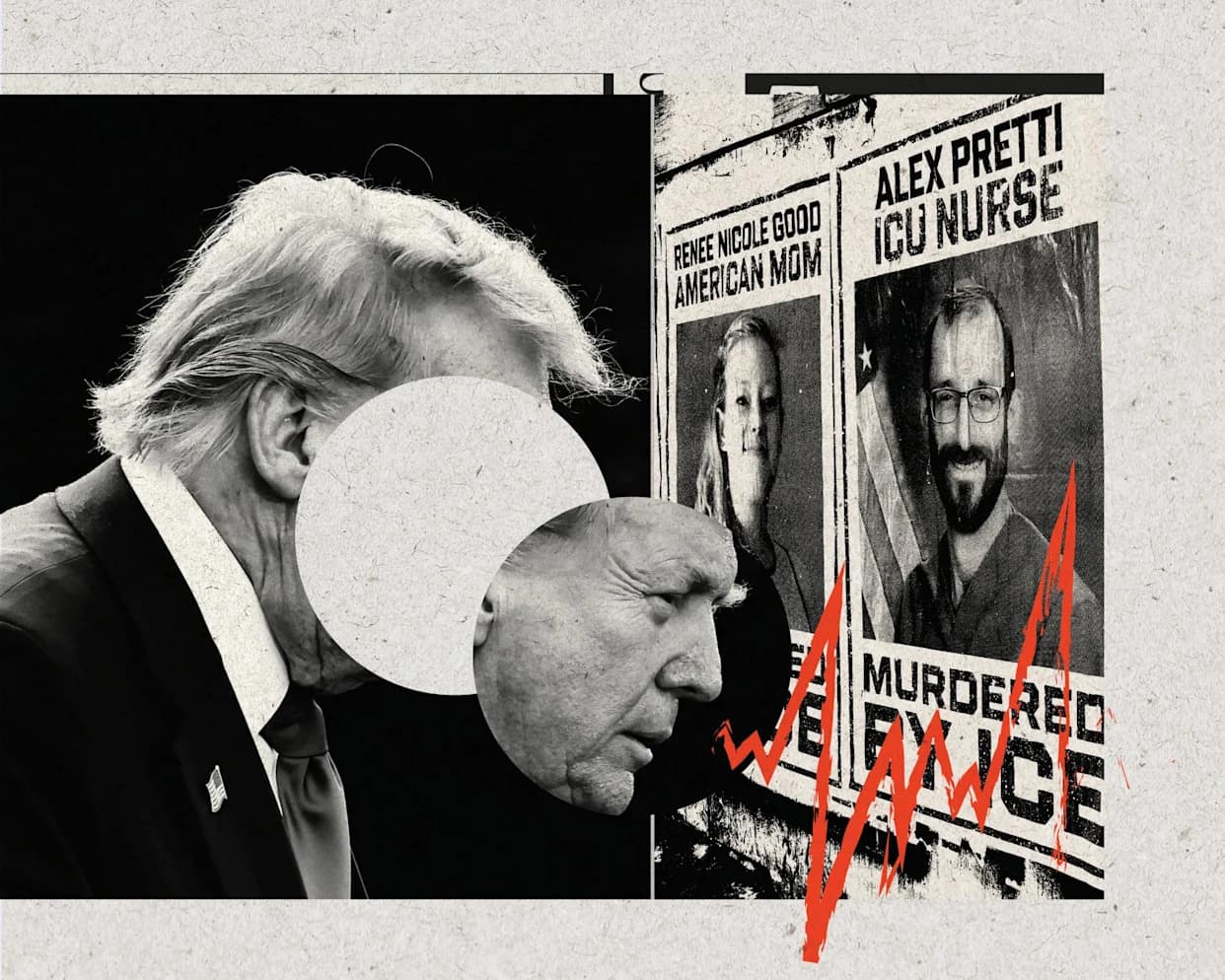
Last year many warned that AI-driven deepfakes would destabilize American politics. Instead, the defining visual story of 2026 has been organic footage on TikTok, Instagram and YouTube — bystanders’ recordings showing Immigration and Customs Enforcement (ICE) and Border Patrol agents roughing up migrants and U.S. citizens, ramming vehicles and confronting crowds while masked. The video connected to the Alex Pretti shooting, among others, has been especially potent, overwhelming both low-quality synthetic clips and polished government messaging.
“When working-class people are now basically coming out and chanting anti-ICE statements, it means that Republicans are losing and they should get back to where the mainstream is,” Senator Ruben Gallego (D-Ariz.) told Semafor after anti-ICE chants erupted at a wrestling event.
The Epstein Files: An Oil Spill Across Establishments
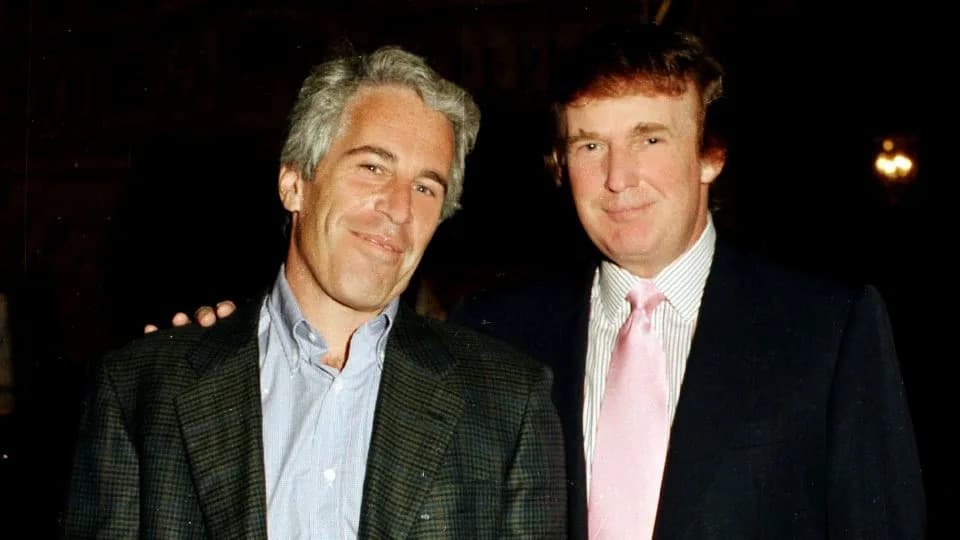
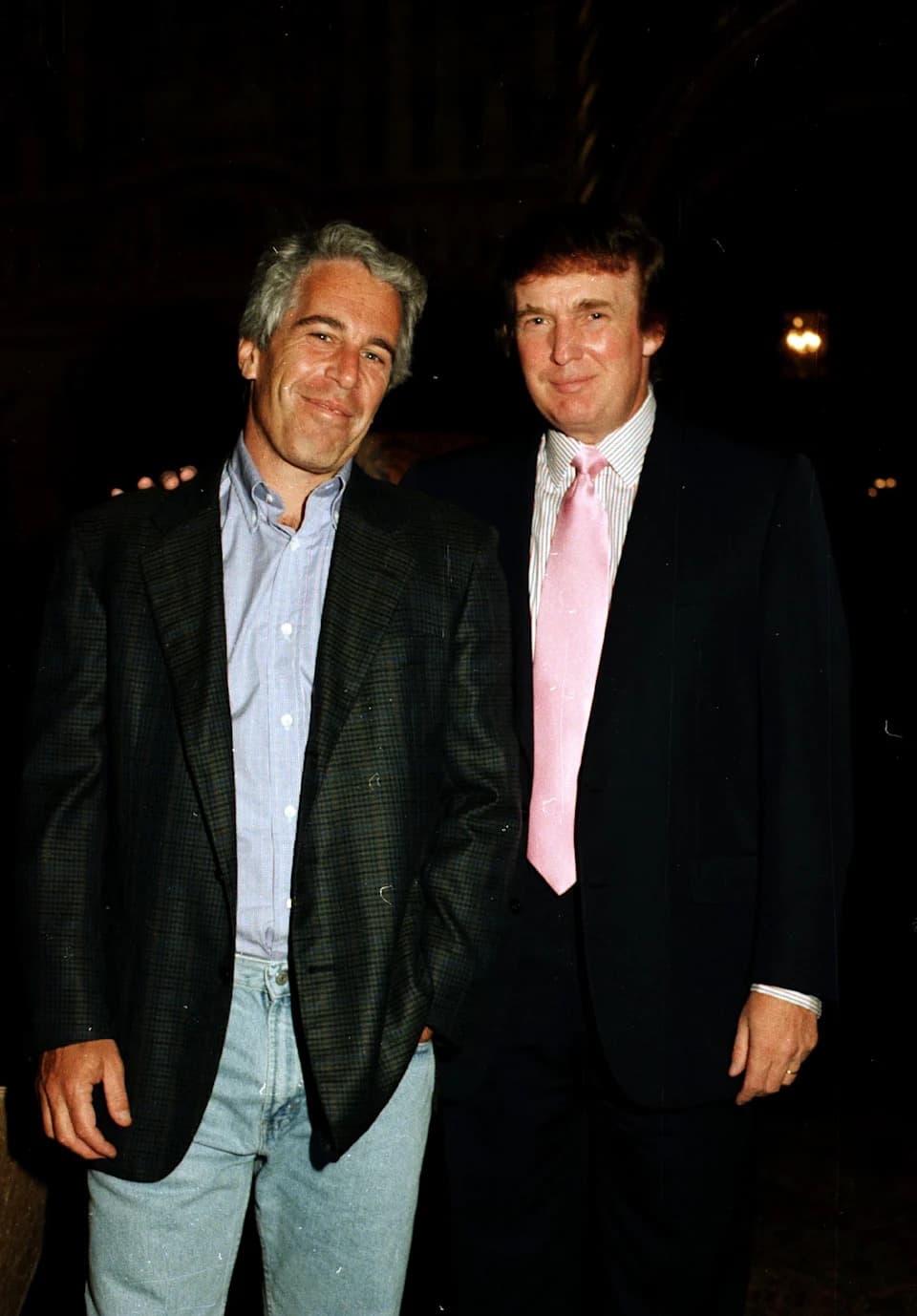
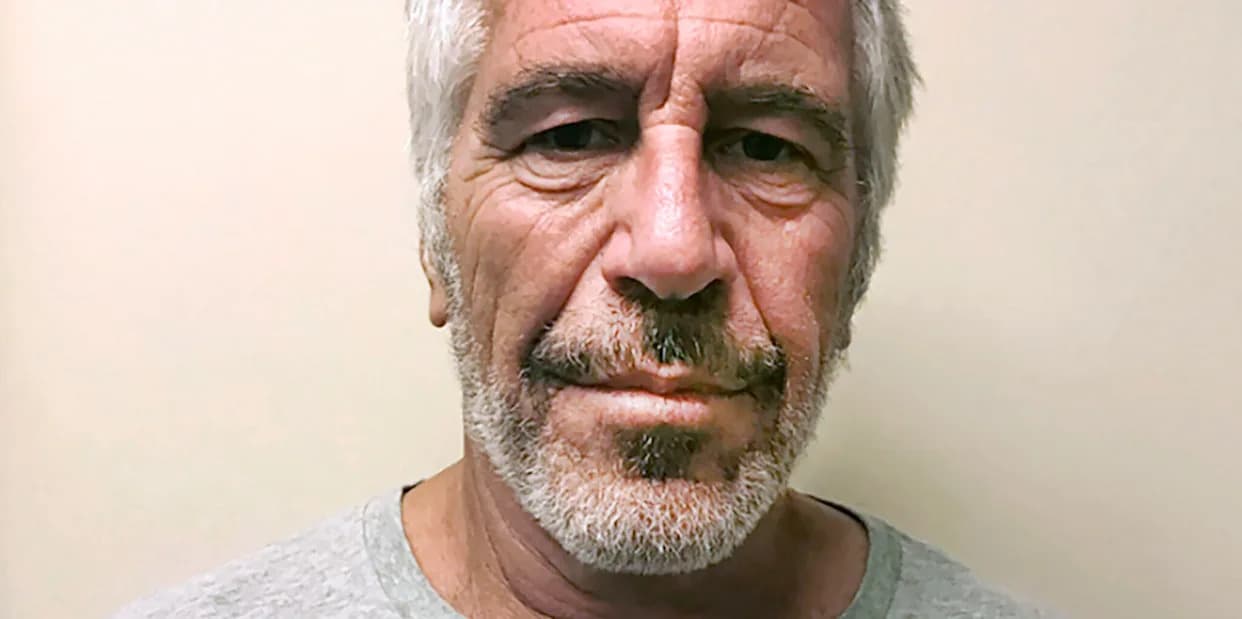
The trove of documents tied to the late sex offender Jeffrey Epstein has acted like an oil spill across global politics, sullying elites and aspirant counter-elites alike. Much of the reputational damage comes not from proven criminal charges but from guilt by association — the judgment that powerful people should have known better than to consort with Epstein. That stain has proven hard to remove.
Early attempts by aides to suppress or control the narrative backfired, while efforts to flood the zone with materials highlighting Epstein’s references to his acquaintances have broadened exposure. The files name figures across the political spectrum — from law-firm leaders like Paul Weiss’s now-former chair Brad Karp to high-profile business leaders — and scheduled congressional hearings are likely to keep scrutiny alive.
Media Dynamics: What Has Changed
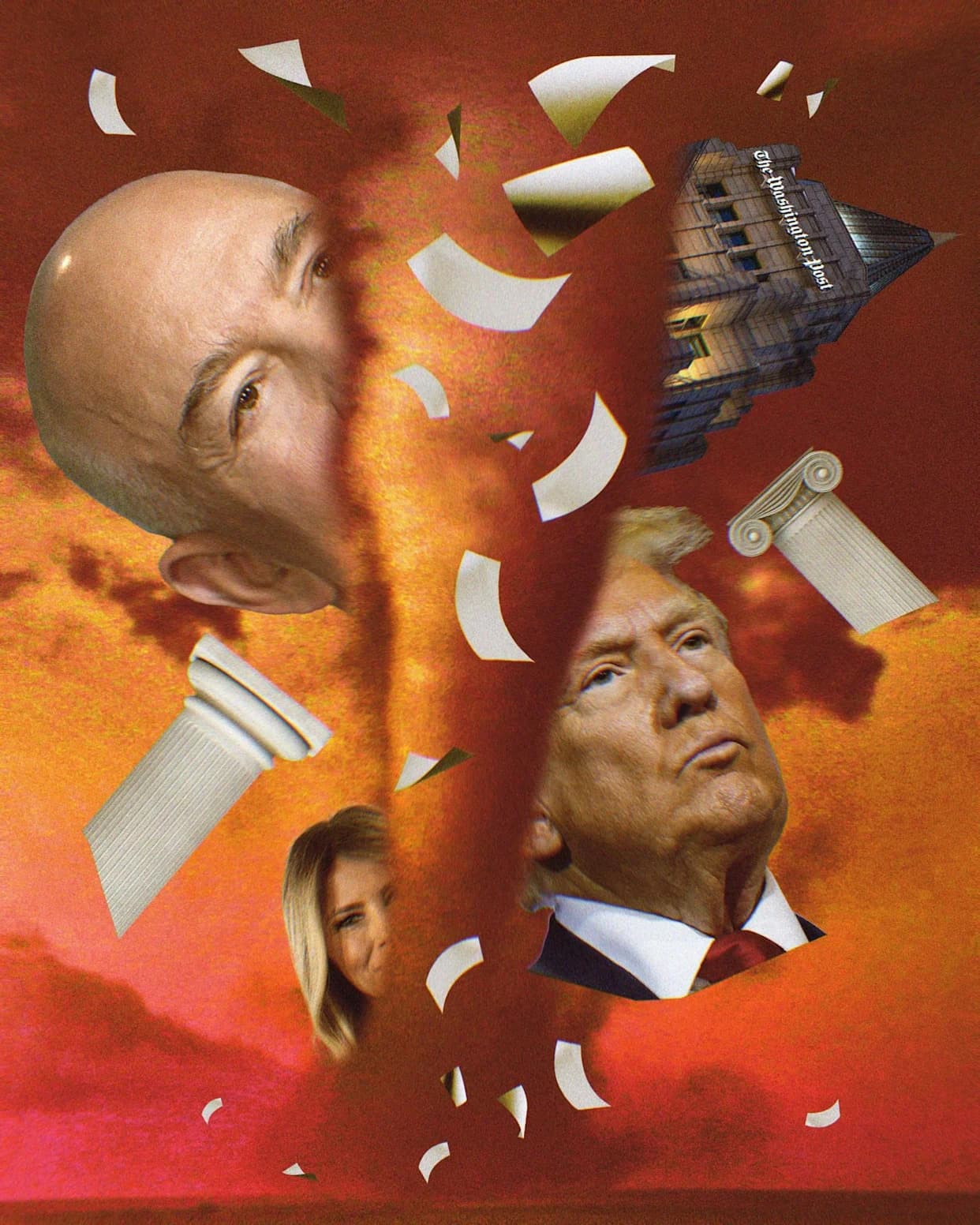
One of Mr. Trump’s early advantages was a subdued media environment: lawsuits and the strategic instincts of diversified conglomerates appeared to nudge some outlets into a more cautious posture. The Washington Post’s pivot toward a less combative editorial stance seemed emblematic of that trend.
But the Post’s experience offers two cautionary lessons: its editorial repositioning appears to have alienated a portion of its original audience without reliably attracting a new center-right readership, and there is little evidence that the outlet gained political favors or protection as a result. By contrast, The Wall Street Journal — operated within Rupert Murdoch’s media interests — has broken major stories about investments tied to the Trump family business that may have similarly long-lasting effects.
What Comes Next
Together these forces suggest a political moment that will not be contained to a single news cycle. Viral videos have reshaped public perceptions of enforcement actions, the Epstein documents have broadened scandal beyond simple partisan lines, and investigative reporting is probing financial ties that could linger. For a president who relied on a narrative of strength and resilience, the conjunction of these developments has produced sustained exposure rather than a brief scandal flash.
Bottom line: Political gravity has returned. Viral, real-world evidence and long-running document disclosures — amplified by investigative journalism and congressional scrutiny — have combined to weaken previously durable political narratives.
Help us improve.