The Justice Department missed its deadline to release Jeffrey Epstein records, and Rep. James Comer’s House Oversight Committee has subpoenaed Bill and Hillary Clinton. Rather than stonewalling, the article argues, the Clintons should testify publicly to answer questions, expose partisan motives, and shift focus to the still-withheld Justice Department files. Public testimony would let voters see the committee’s evidence and motives, and could reduce the appearance of evasiveness.
Why the Clintons Should Testify Publicly About Jeffrey Epstein

The case for the Clintons testifying about Jeffrey Epstein
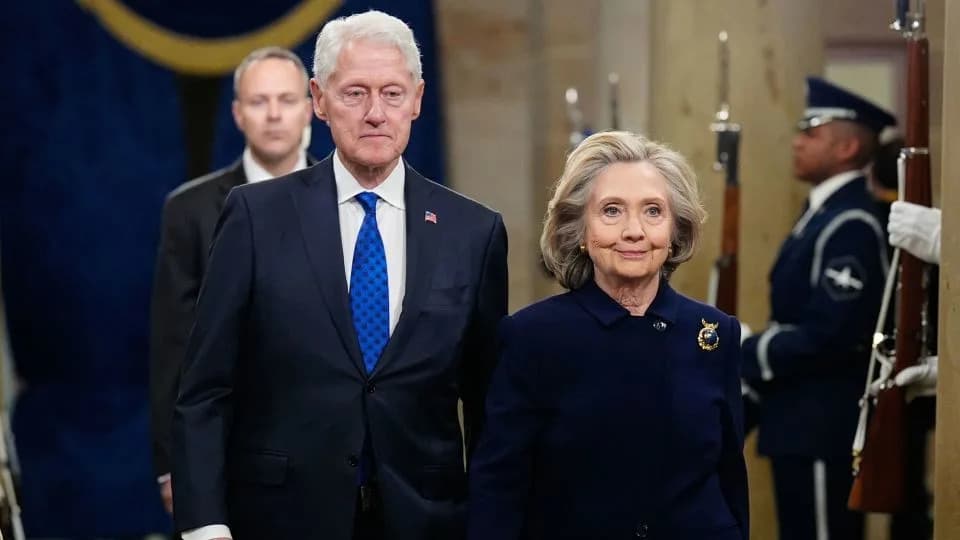
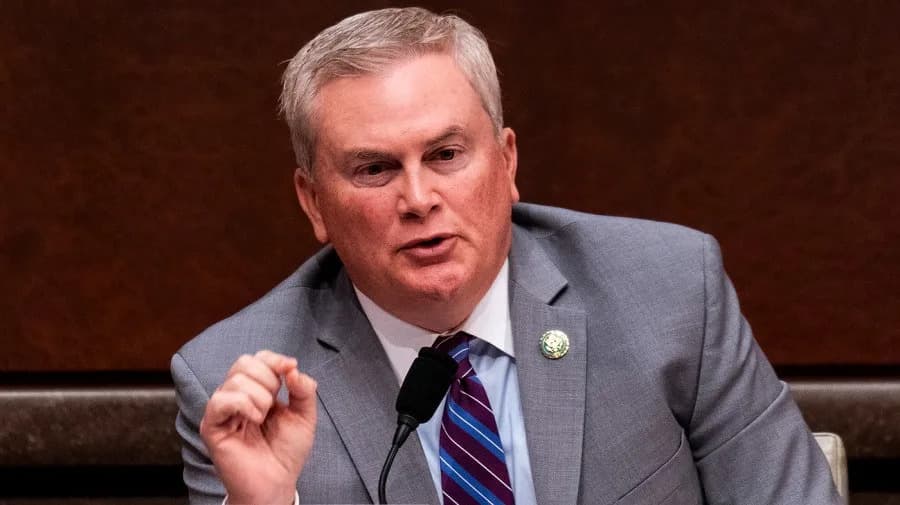
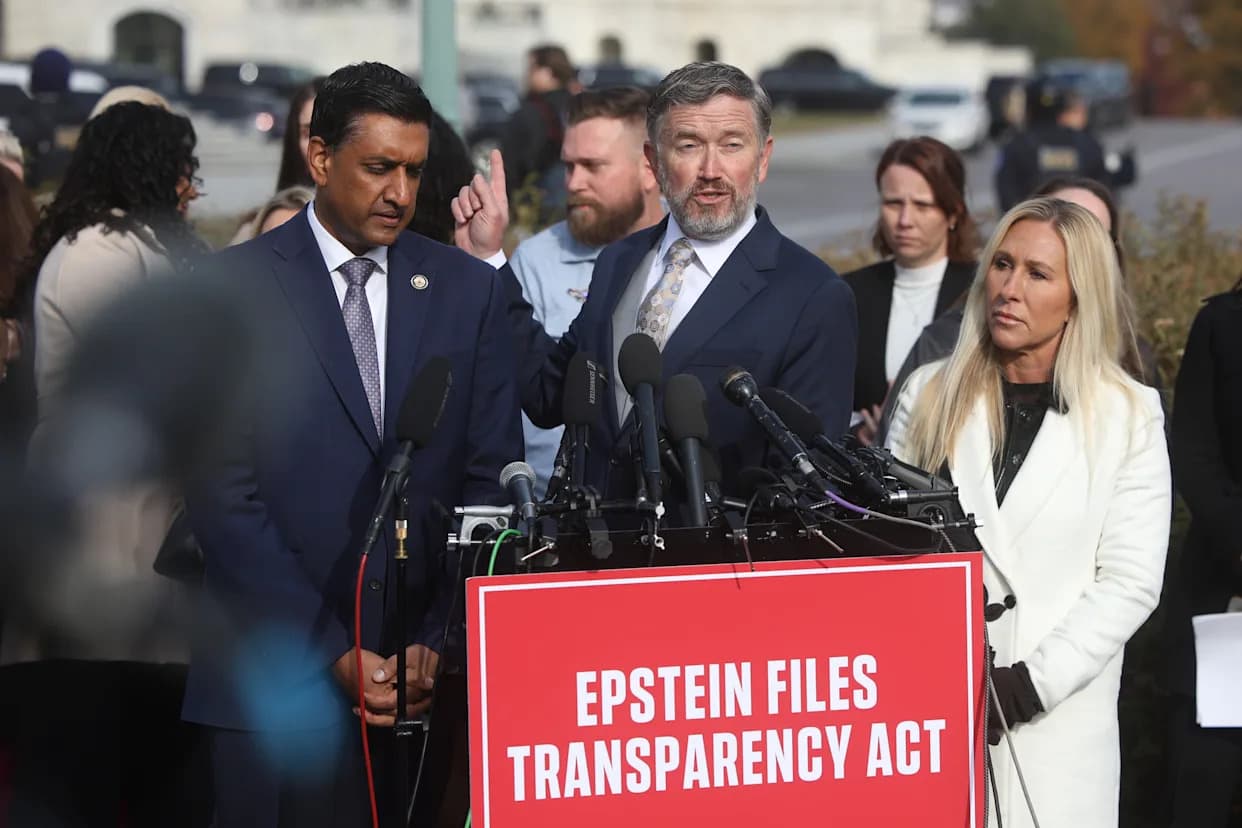
More than a month has passed since the Justice Department’s statutorily mandated deadline to release its files on Jeffrey Epstein, yet only a small portion of the records is public. When the executive branch misses a legal deadline so conspicuously, congressional oversight is an appropriate mechanism for accountability. Under Rep. James Comer of Kentucky, the House Oversight Committee has targeted Bill and Hillary Clinton in its inquiry.
Why Testify Publicly?
Rather than continuing to resist the committee’s subpoenas, the Clintons should consider appearing to testify — and insist that their testimony be public. A transparent hearing would allow them to answer questions directly, invoke privilege where appropriate, and put the committee’s motives and evidence on display for voters and the press.
What Happened
Comer’s panel recently voted to hold both Clintons in contempt of Congress for refusing to comply with subpoenas. To renew procedural norms, a handful of Democrats joined Republicans: three Democrats voted with Republicans on the contempt citation related to Hillary Clinton, and nine Democrats joined Republicans on the vote involving Bill Clinton. The Clintons’ lawyers argue the subpoenas are "invalid and legally unenforceable" and intended primarily to embarrass them, a claim that is politically plausible and legally contestable.
Facts And Context
On the facts publicly known, Bill Clinton had a friendly association with Epstein for a time and flew on Epstein’s private plane several times in 2002 and 2003; he says he did not know about Epstein’s crimes until Epstein’s later arrest. Hillary Clinton says she does not recall speaking with Epstein. Whether more will emerge remains uncertain unless the committee produces new, dispositive evidence.
The political stakes are clear. The Jan. 6 committee previously enforced subpoenas against Trump advisers Steve Bannon and Peter Navarro, who served jail terms for defiance; it also issued — then later withdrew — a subpoena for Donald Trump. The differing treatment of subpoenas by partisan committees has become a recurring complaint on both sides of the aisle.
Why Public Testimony Might Help The Clintons
If the Clintons agreed to testify publicly — or to convert a deposition into an open hearing with immediate video release — they would likely accomplish several things: force the committee to show its cards, give direct answers to lingering questions, and shift public attention back to the stalled release of Justice Department records that could illuminate the case. Absent a dramatic new disclosure by Republicans, there is little reason to expect public testimony would cause major embarrassment to the Clintons; it might instead spotlight the committee’s partisan tone and limited evidence.
Bottom line: Public testimony would let voters judge both the evidence and the motives. It would also refocus scrutiny on the administration’s pace in releasing Epstein-related files.
Note on Participants: The Oversight Committee includes several outspoken Republican members known for high-profile rhetoric rather than nuanced investigations. That dynamic increases the risk that any high-profile hearing will feel politicized rather than forensic.
Ultimately, demanding a public forum for testimony — rather than an extended legal battle over whether subpoenas are enforceable — could be the politically and substantively stronger route for the Clintons. It would answer questions directly, reduce the appearance of evasiveness, and put pressure on the executive branch to release the withheld records that remain central to the public’s understanding of the Epstein case.
Help us improve.