Somaliland is leveraging Israel’s December recognition to intensify diplomatic outreach to Washington and other capitals, pitching itself as a strategic partner with significant mineral and maritime assets. President Abdirahman Mohamed Abdilahi said Somaliland — de facto independent since 1991 — will pursue recognition quietly while deepening ties with Israel. He offered Somaliland’s coastline, minerals, oil and agricultural land to US policymakers as part of a broader effort to attract security and investment partnerships.
Somaliland Courts Washington, Offering Minerals and Strategic Port Access to Trump After Israel Recognition
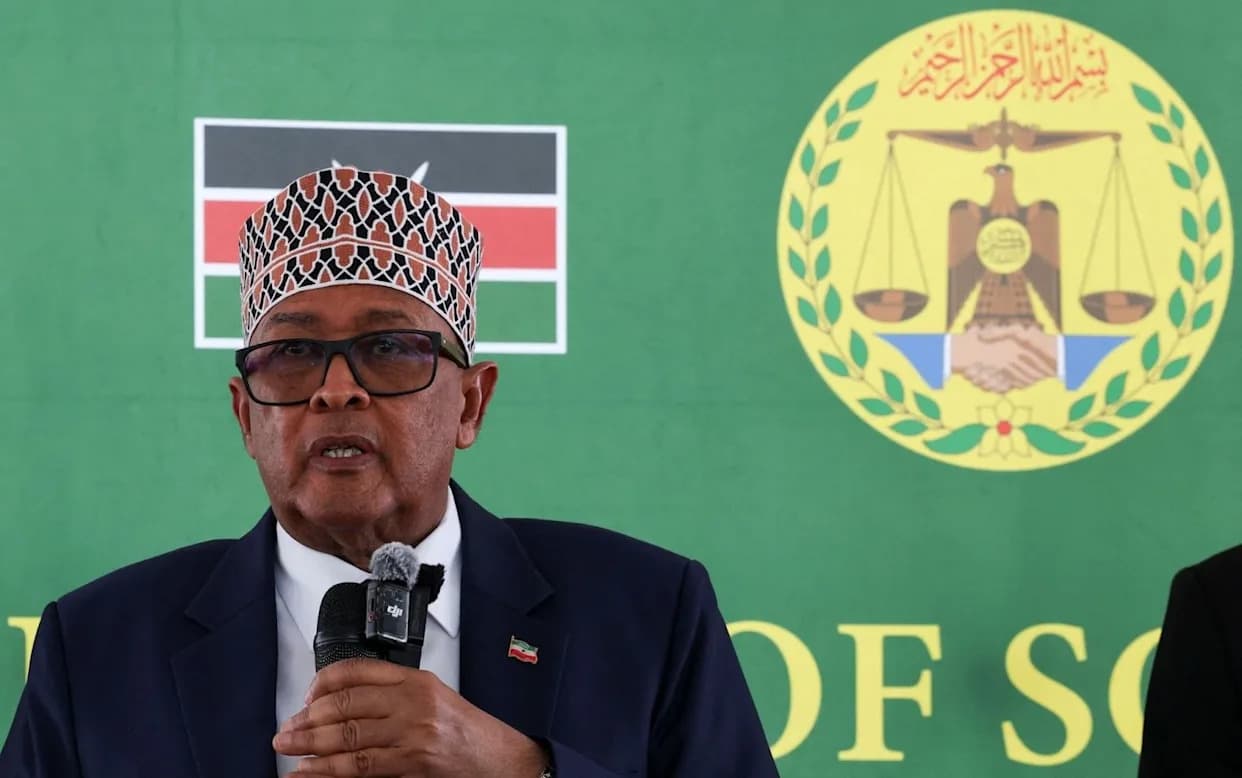
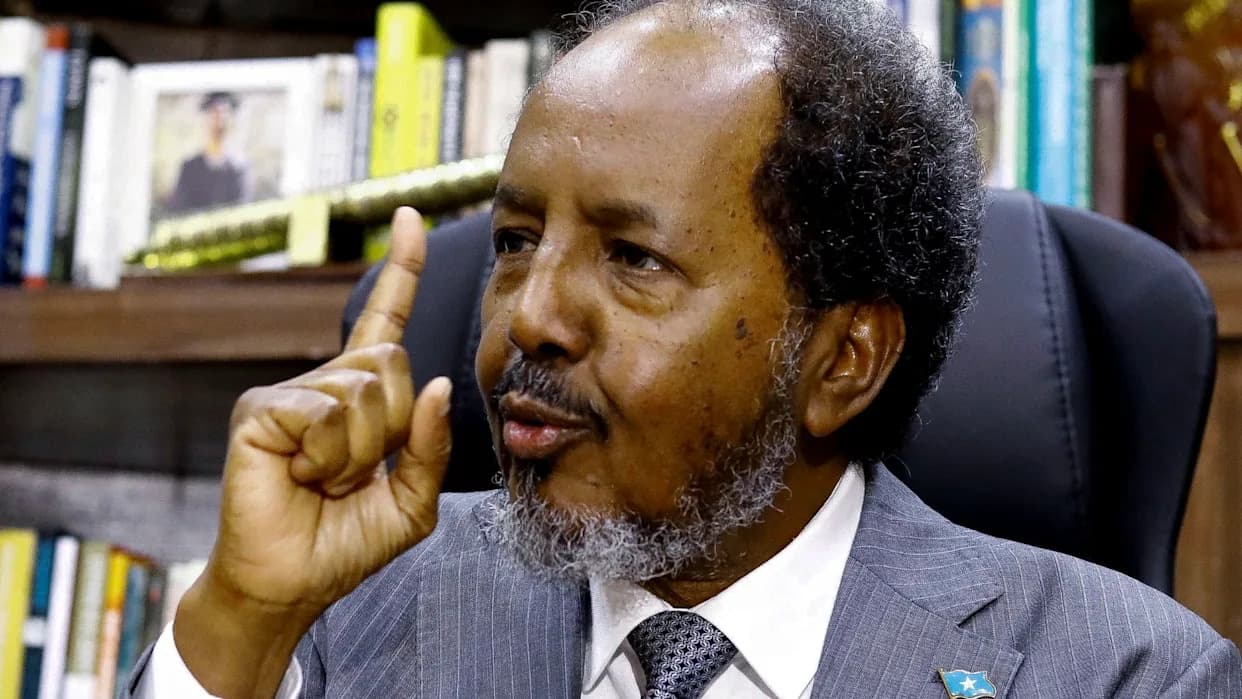
Somaliland is capitalizing on the global attention generated by Israel’s December recognition to press its case with Washington and other capitals, presenting itself as a strategically located, resource-rich partner, President Abdirahman Mohamed Abdilahi said in an interview.
Recognition, Reaction and Historical Claim
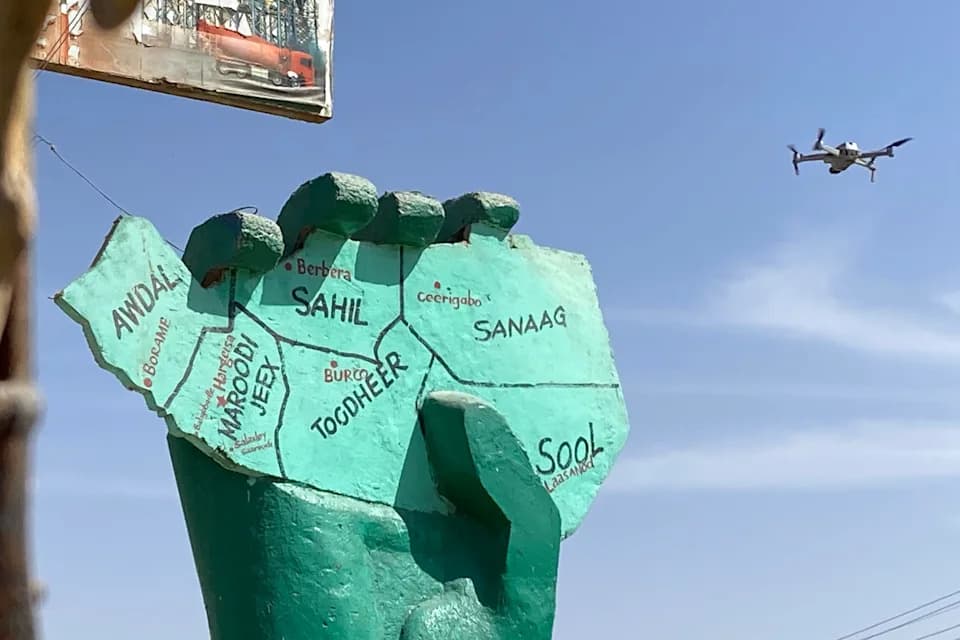
In December, Israel became the first country to formally recognise Somaliland — a polity that has operated as a de facto independent state since 1991. The move prompted criticism from the African Union, the European Union and several countries, including China, Egypt and Saudi Arabia.
Somaliland’s close ties with the UAE have also complicated regional tensions, particularly between Abu Dhabi and Riyadh. Abdilahi acknowledged the backlash but said it was expected. He told Semafor in Dubai that negative reactions were often driven by competing interests or limited knowledge of Somaliland’s history.
"The recognition of Somaliland was a historic moment for myself and for my people. More people will pay attention. Somaliland is now used in every language in the world, and so that’s a major impact," Abdilahi said.
He stressed Somaliland's distinct past: "We are older than Somalia, and we voluntarily merged with Somalia because we wanted to unite all Somali-speaking territories at that time."
Diplomacy, Security and Economic Offers
Abdilahi said Somaliland will continue to pursue international recognition discreetly while deepening ties with partners such as Israel. He outlined plans to open embassies and exchange commercial attachés, and to benefit from Israeli technology across education, agriculture, science and water management.
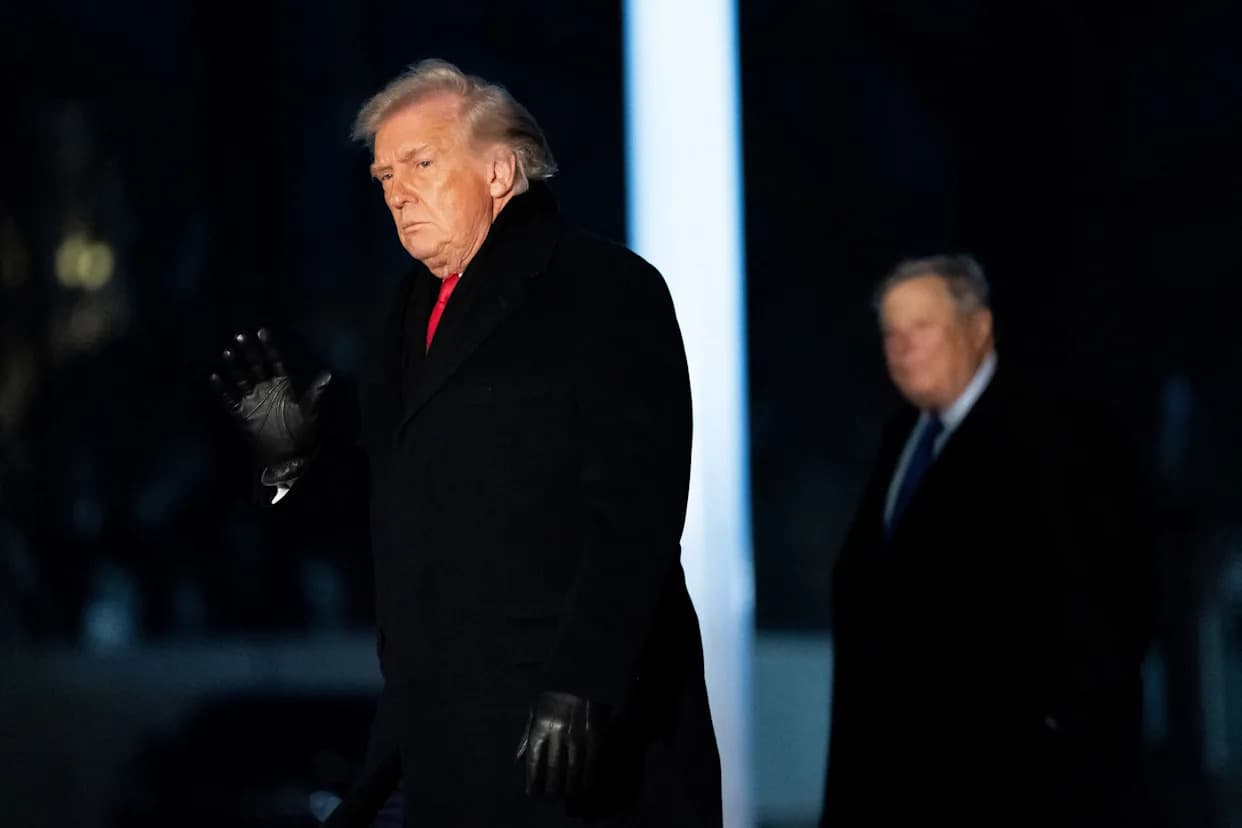
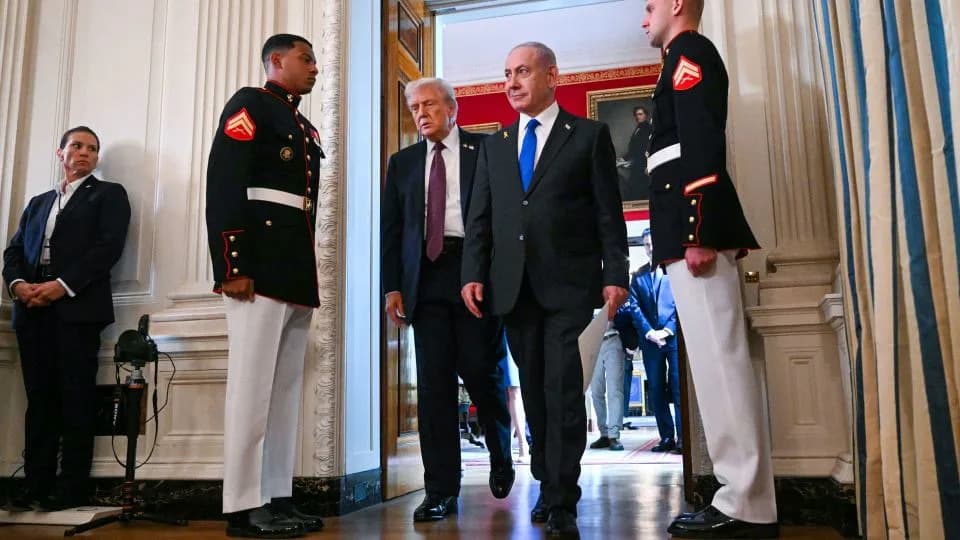
Addressing Washington directly, Abdilahi highlighted Somaliland’s long coastline on the Red Sea and in the Horn of Africa and explicitly offered the territory’s natural resources to President Donald Trump. "We have an abundance of natural resources, including minerals. We have oil and gas. We have very large arable land for agriculture," he said. "We have the best beaches in the world."
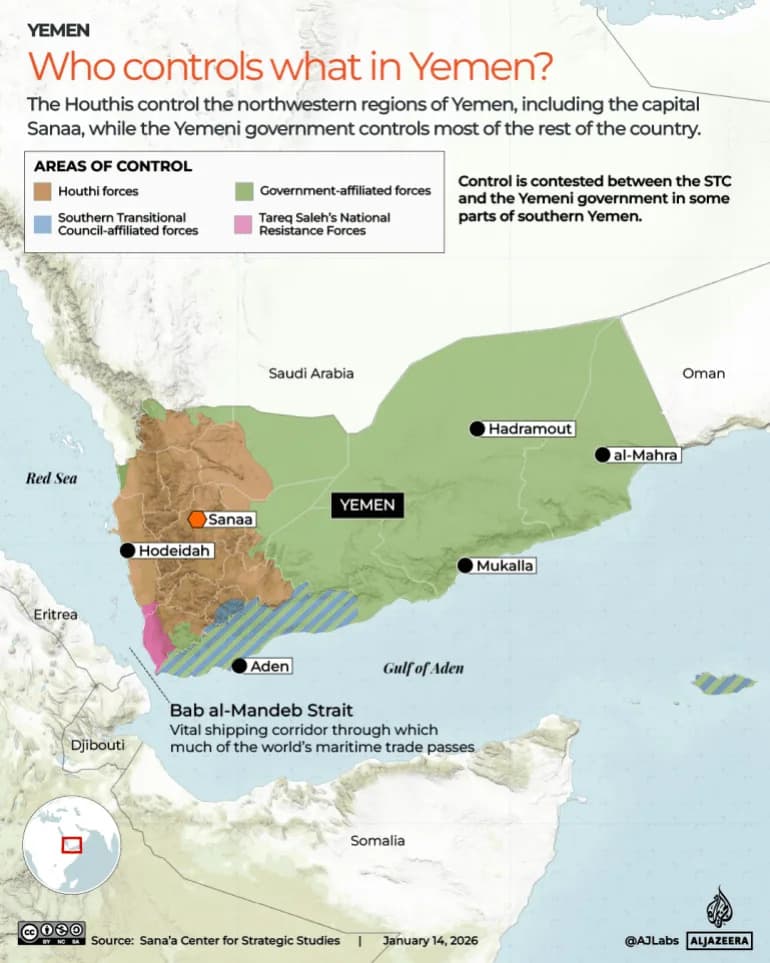
Supporters in Washington see Somaliland as a potential security partner. Formal recognition could provide the United States with improved access to monitor weapons flows, Houthi activity in Yemen, and China’s expanding footprint in the region — including Beijing’s military base in neighbouring Djibouti.
Berbera Port And Investment
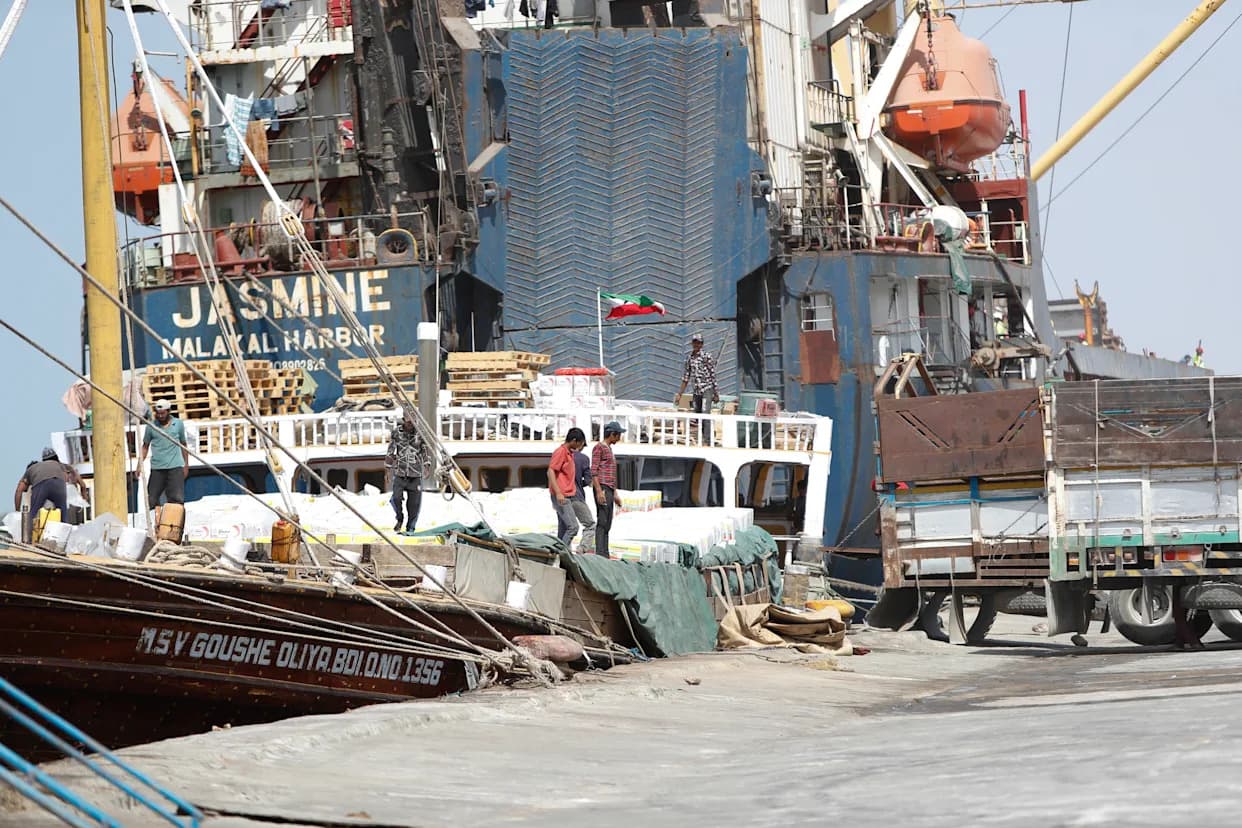
The UAE is Somaliland’s largest investor. Through port operator DP World, Abu Dhabi has committed more than $400 million to expand Berbera Port to handle the largest cargo vessels and to develop a nearby manufacturing and trade zone. Proponents say Berbera is emerging as a viable Horn of Africa hub, but its small domestic market and lack of broad international recognition remain constraints.
Regional Pushback
Separately, Semafor reported that in March Somalia offered the United States control of ports it does not currently operate — a move seen as an attempt to dissuade Washington from recognising Somaliland.
Abdilahi said Somaliland will continue to build friends and partnerships while conducting much of its diplomacy discreetly. "We are working hard to get more friends and countries," he said. "We have more enemies than before, so everything has to be done discreetly."
Help us improve.