Ellen Langer's 1978 copier experiment shows how a flimsy but plausible reason can persuade distracted people. President Trump responded to the released Epstein documents by saying they "absolve" him, but a New York Times review found more than 5,300 files with over 38,000 references to Trump and related terms. The papers do not show direct Epstein–Trump communications or amount to a criminal indictment, yet they document extensive associations; as public stakes rise, rhetorical shortcuts are becoming less persuasive.
Why Trump's 'Absolved' Claim on the Epstein Files Was Predictable — And Why It’s Losing Power
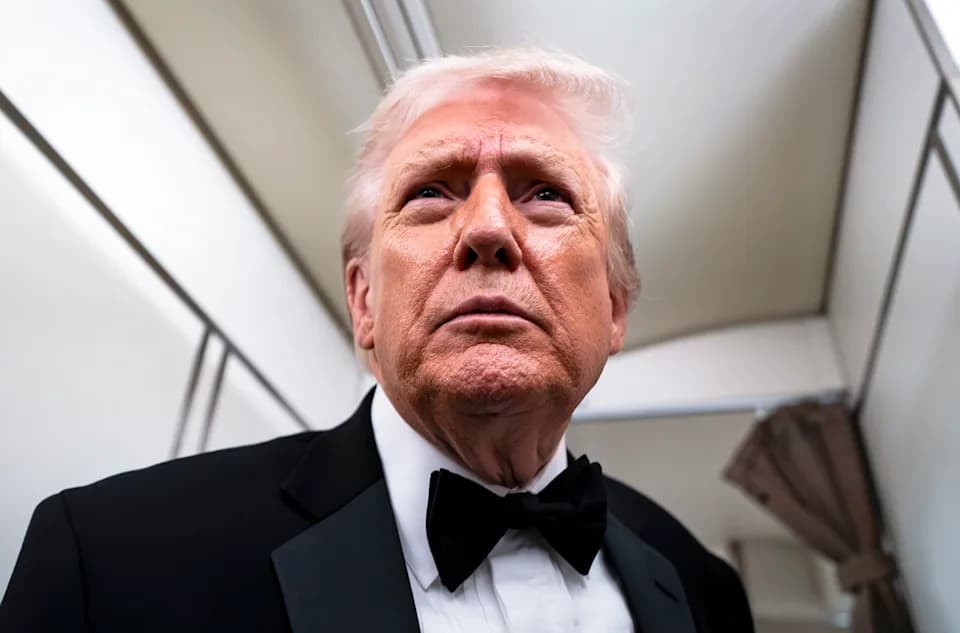
Harvard psychologist Ellen Langer's 1978 copier experiment explains why a superficially plausible excuse can carry the day when people are distracted. Advertisers exploit the same short circuit of attention — and, as this episode shows, so does President Donald Trump when responding to damaging disclosures.
The Copier Experiment
In Langer's study, volunteers tried to cut ahead in a long line to use a copy machine. One group simply asked to go first; a second group added that they were in a hurry; a third group offered a reason — "I need to make some copies." That last reason, though trivial (everyone in line needed copies), sounded sufficient to most people and persuaded them to let the volunteer jump the line. But when the request's stakes rose — asking to make 20 copies instead of five — far fewer people agreed.
Trump's Predictable Playbook
That same rhetorical trick — offering a simple, repeatable justification that sounds plausible if you aren't paying close attention — has been a feature of Trump's responses to controversy. Predictably, when asked about the latest release of documents related to Jeffrey Epstein, Trump said,
"I was told by some very important people that not only does it absolve me, it’s the opposite of what people were hoping, you know, the radical left."
What the Documents Actually Show
Readers should be clear-eyed: the released files do not "absolve" Trump. A New York Times review of millions of documents found more than 5,300 files containing over 38,000 references to "Trump, his wife, his Mar-a-Lago club in Florida" and related terms; earlier releases included about 130 additional Trump-related files. The materials published so far do not show direct communications between Epstein and Trump, and they do not constitute a criminal indictment of the former president. They do, however, document a lengthy and wide-ranging association between Epstein and people in Trump's circle.
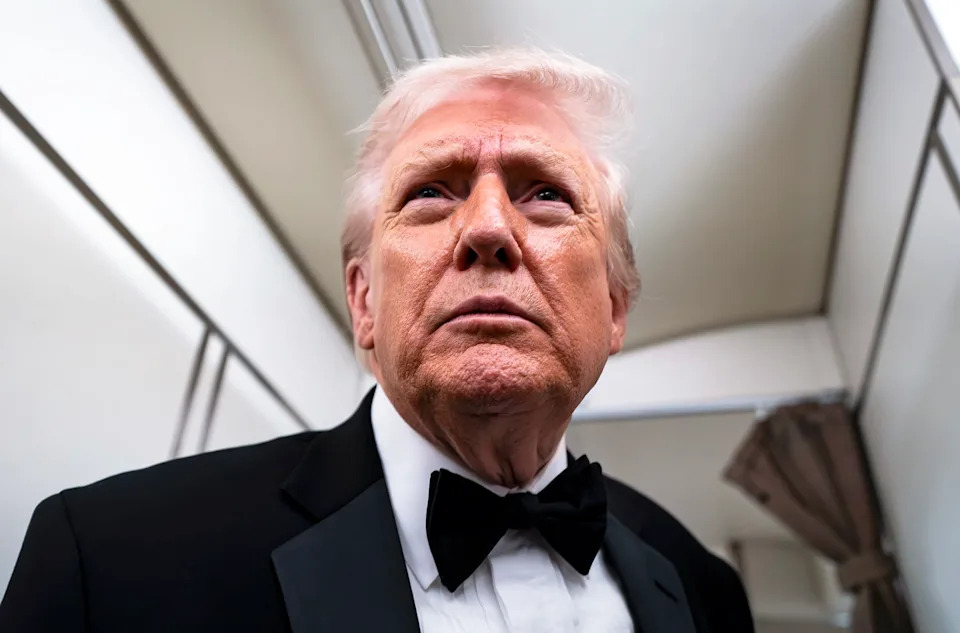
President Donald Trump speaks to reporters and members of the media on board Air Force One on Jan. 31, 2026 while flying in between Washington and West Palm Beach, FL.(Al Drago / Getty Images)
Jeffrey Epstein was convicted following a controversial 2008 plea deal negotiated by then-U.S. attorney Alexander Acosta, who later served in Trump's Cabinet. Among the disputed items in the documents is an allegedly bawdy birthday letter purportedly from Trump to Epstein; Trump has denied its authenticity and filed a $10 billion lawsuit against The Wall Street Journal over reporting about the letter.
Why the Rhetoric Works — And Why It May Fail
The copier experiment helps explain why Trump's shorthand — one catchy phrase, one confident assertion — can land with a distracted public. When people are multitasking, they often accept a quick-sounding reason without engaging deeper scrutiny. But Langer's result also shows the limits of this approach: small increases in perceived personal stakes prompt people to think more carefully and reject flimsy excuses.
Applied to politics, that dynamic means tactics that worked when controversies felt abstract or low-stakes (for example, complex investigations far from voters' daily concerns) are less effective as consequences become more immediate: inflation, public-safety incidents, attacks on voting access, or revealed ties to a convicted sex offender make the story feel consequential. As the public's attention sharpens and the stakes rise, rhetorical sleights of hand lose their power.
Bottom line: Trump will likely keep using familiar rhetorical moves — but the effectiveness of those moves is eroding as the facts and stakes force more people to pay attention.
Help us improve.