U.S. Energy Secretary Chris Wright will visit Venezuela to meet interim leaders and discuss reform at state oil company PdVSA, stressing that the U.S. focus is geopolitical and security-driven rather than a grab for oil. He expects democratic elections within 18–24 months, praised recent legal changes to attract foreign investment, but warned major producers will need further protections. Wright also highlighted U.S. efforts to lower consumer energy costs and advance nuclear small modular reactors.
U.S. Energy Secretary to Visit Venezuela — Says Move Is About Security, Not Seizing Oil
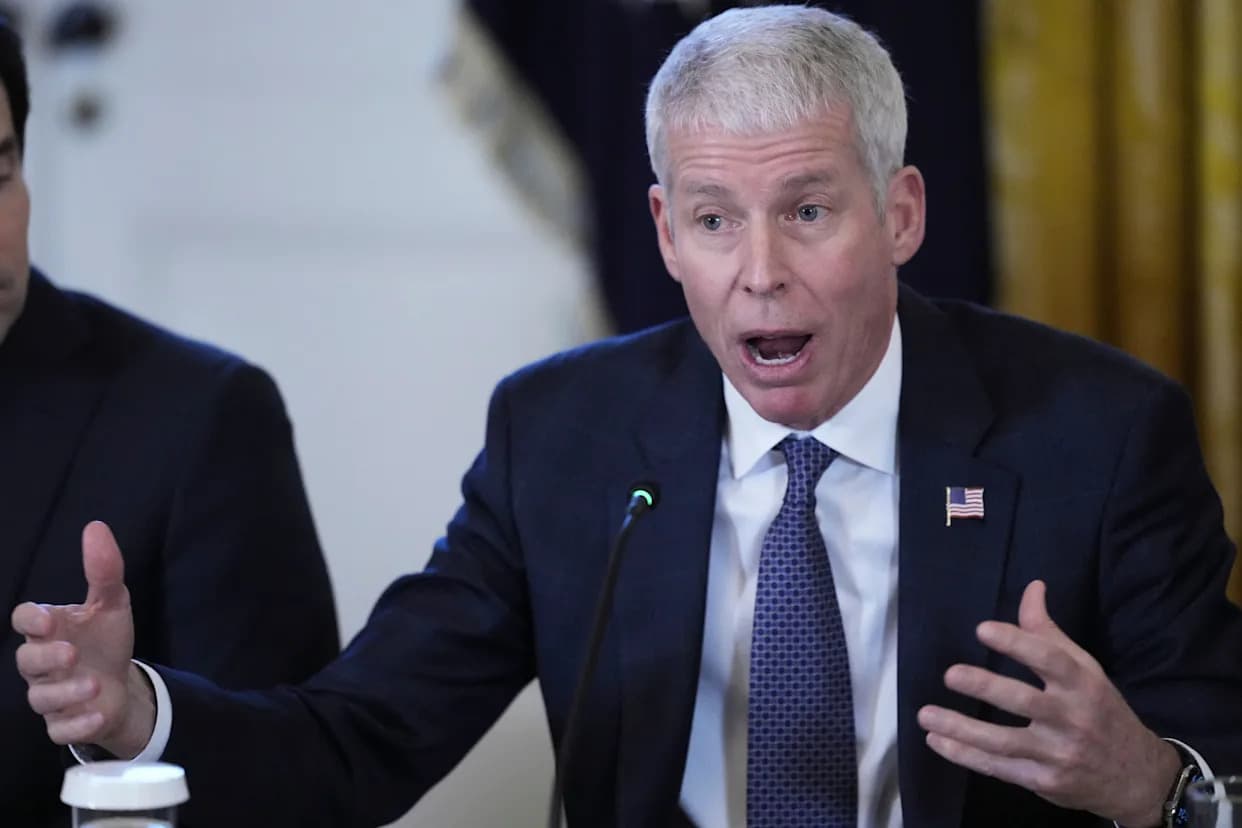
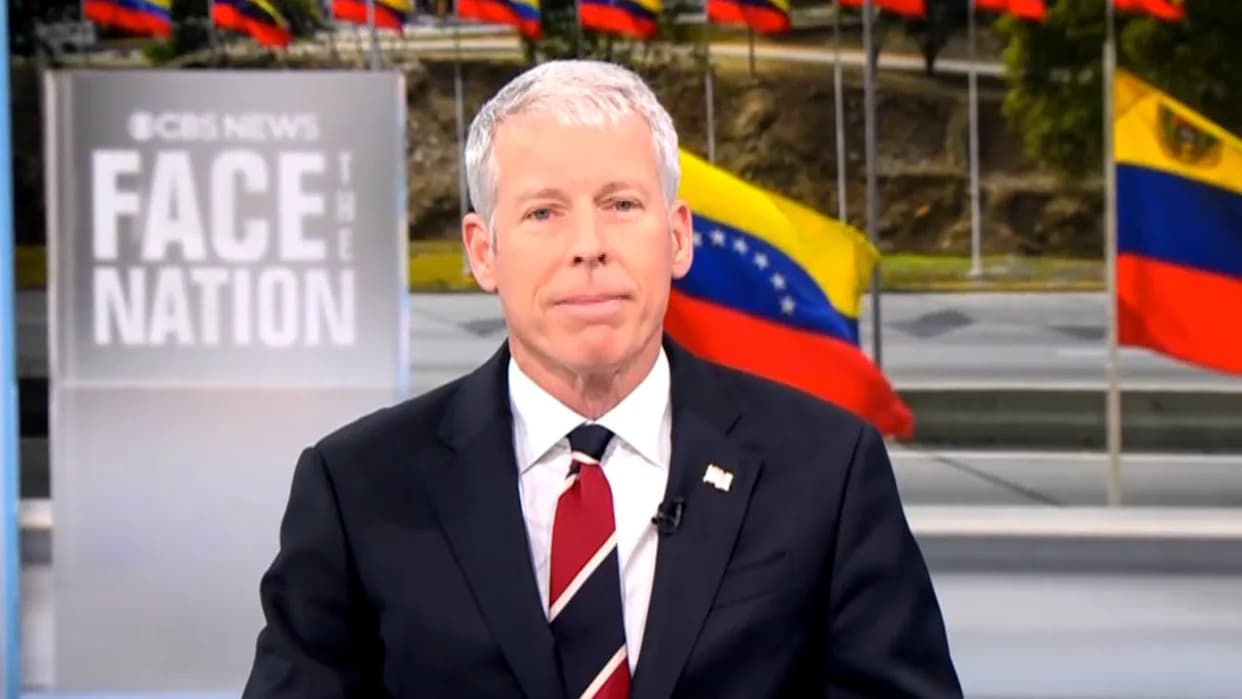
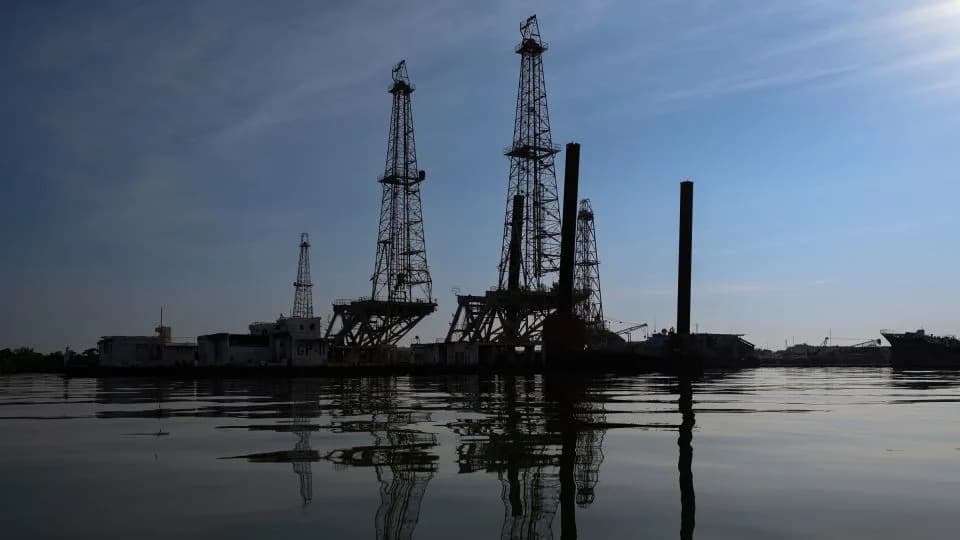
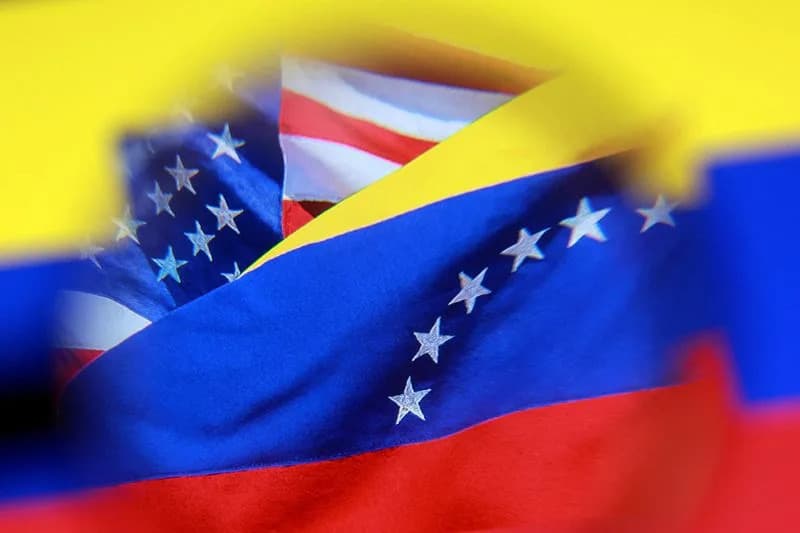
U.S. Energy Secretary Chris Wright will soon travel to Venezuela to meet interim authorities and discuss the future of state oil company Petróleos de Venezuela (PdVSA), he told POLITICO. Wright insisted the Trump administration’s actions are driven by regional security and democratic goals rather than a bid to seize Venezuela’s vast oil reserves.
Wright Frames Visit As Geopolitical, Not Commercial
In an interview for the POLITICO Energy podcast, Wright said removing former leader Nicolás Maduro was "not a move for more oil supply" and that Venezuela’s crude reserves were never a "meaningful part of the decision-making." He described the situation as a geopolitical and security problem — citing threats to neighboring countries and illicit exports of weapons and drugs.
High-Level Meetings And PdVSA Reform
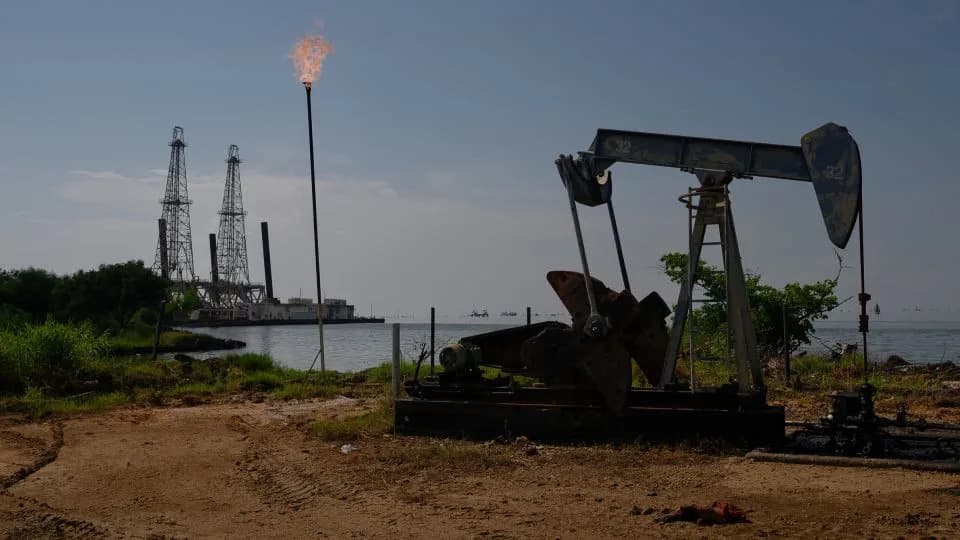
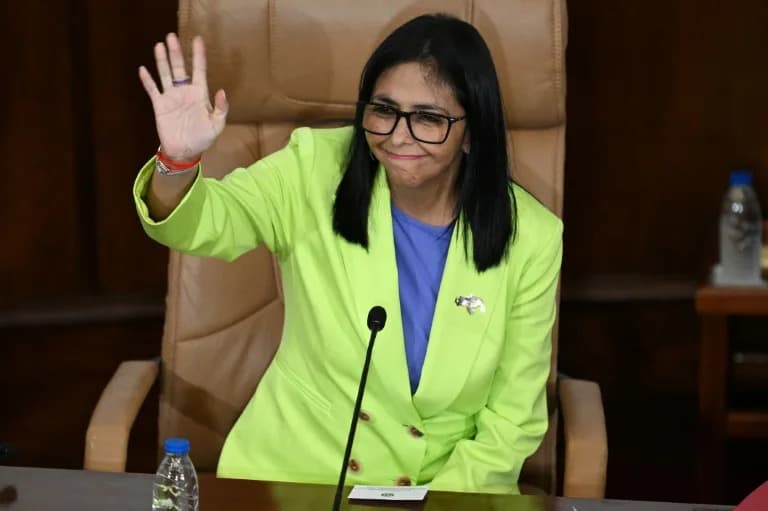
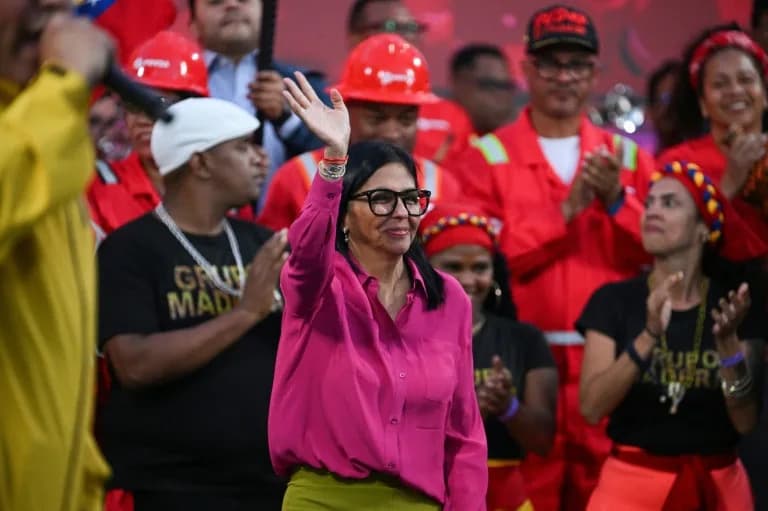
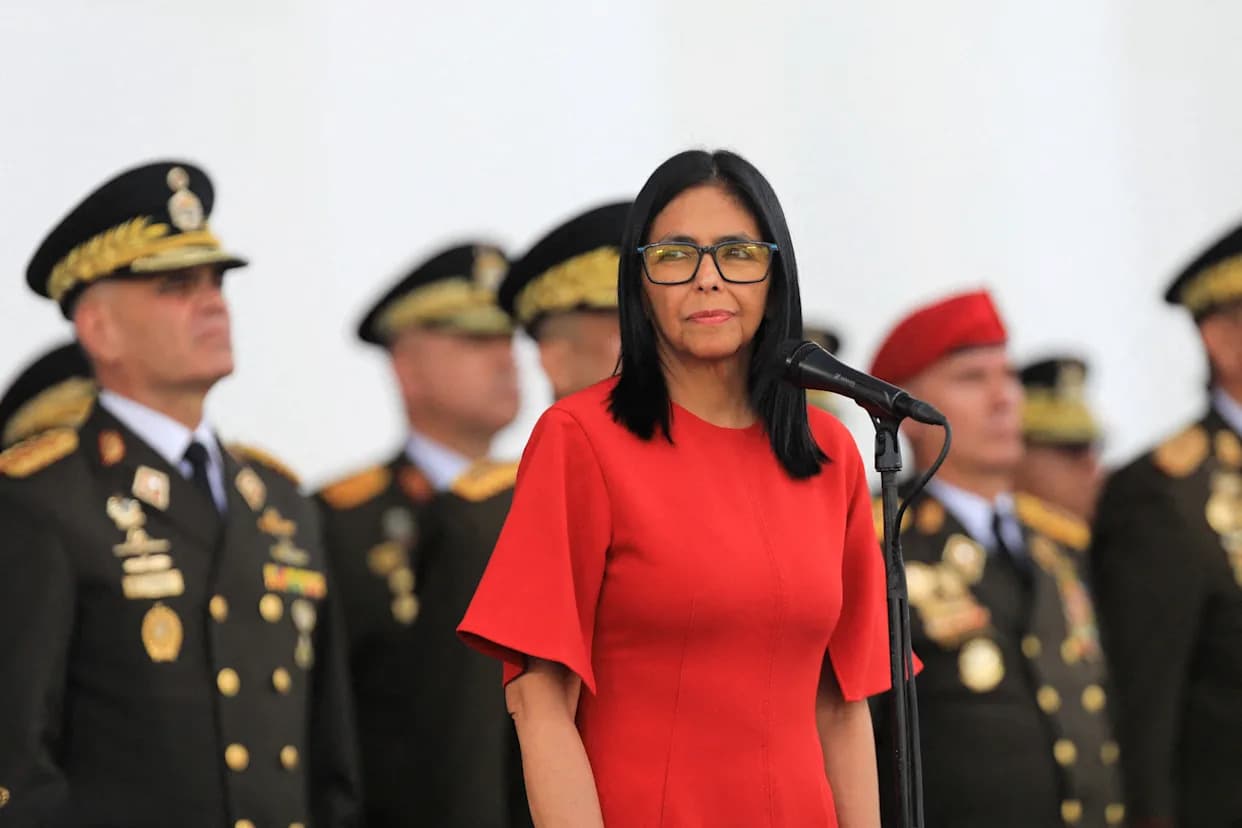
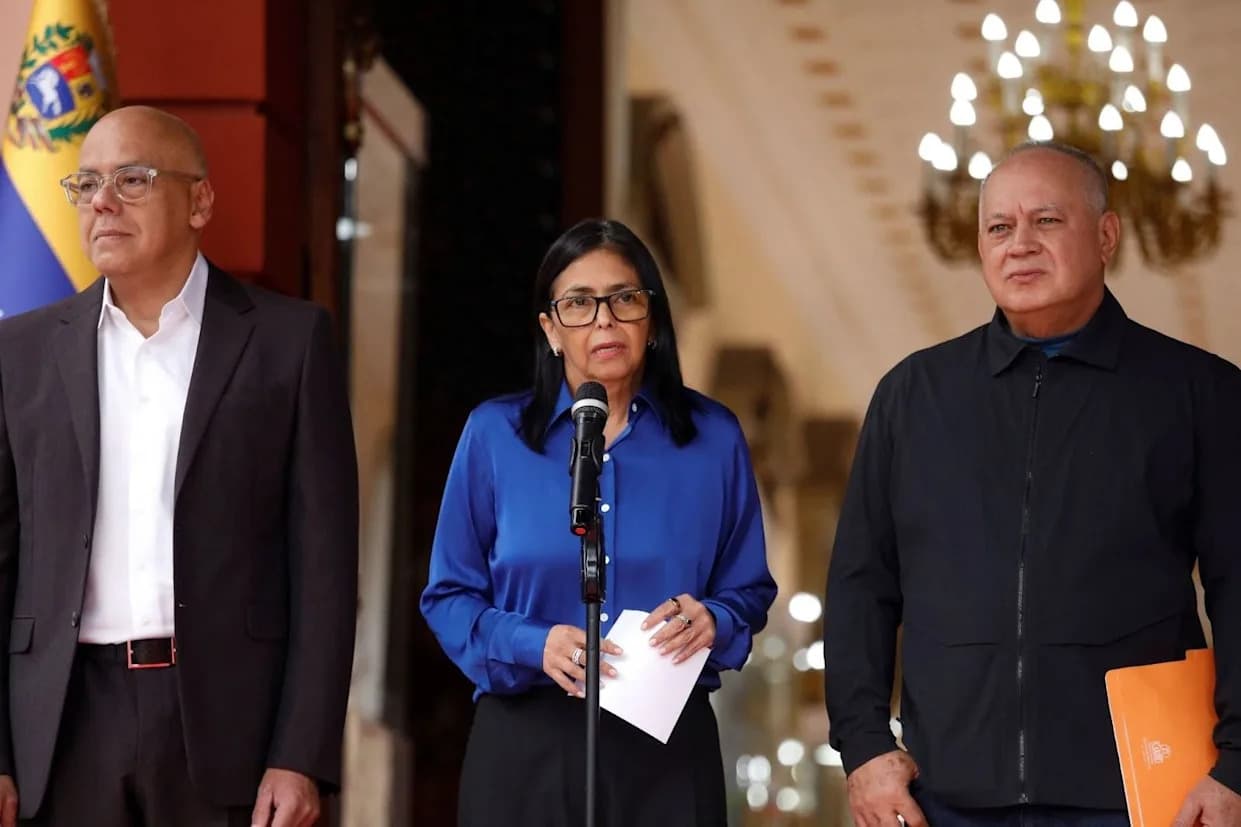
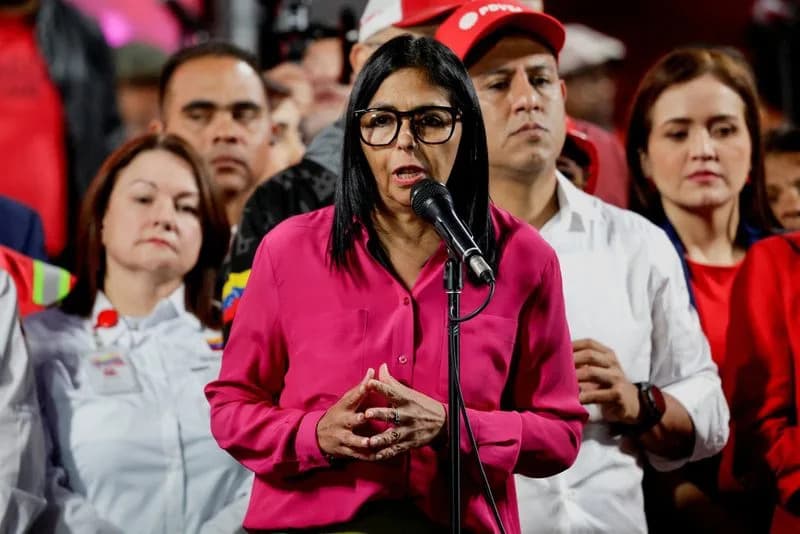
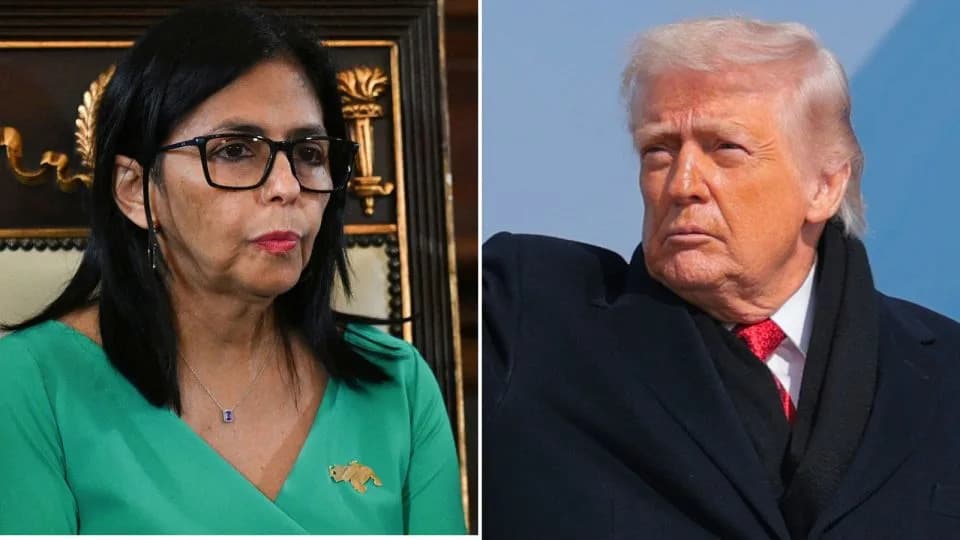
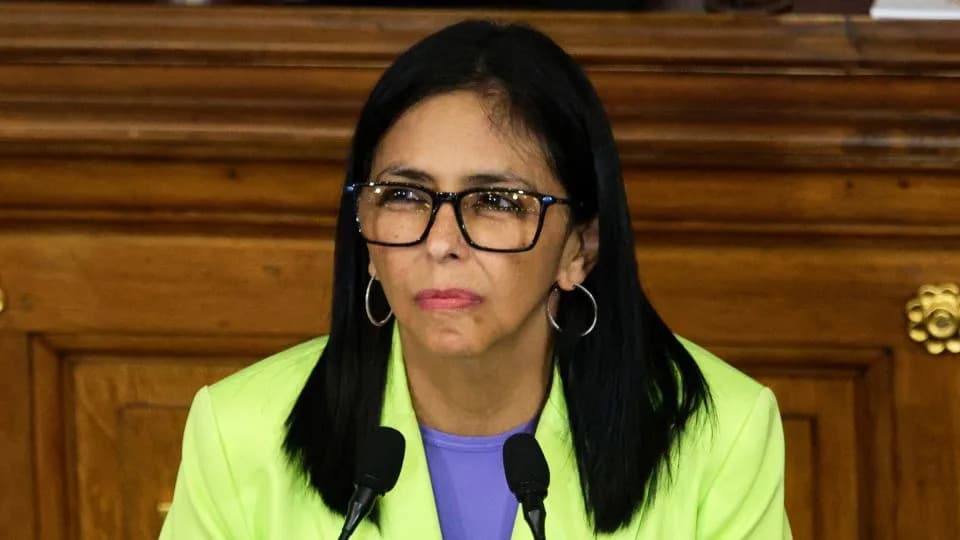
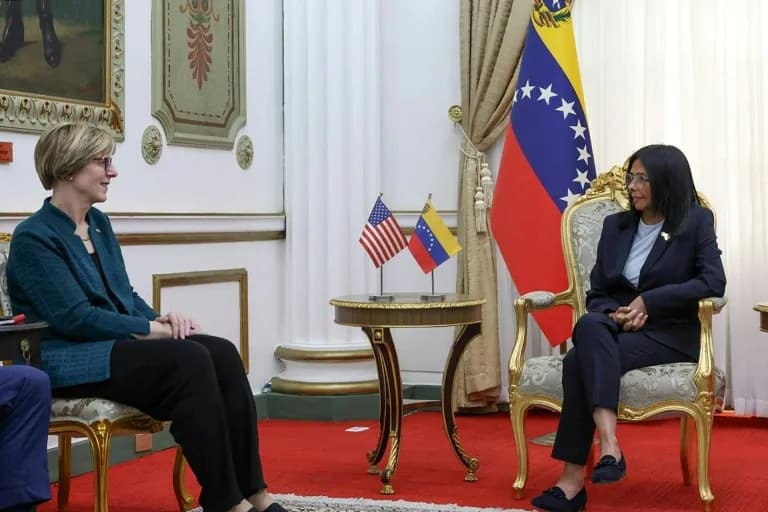
Wright will be the most senior U.S. official to visit Venezuela since Maduro’s capture, and he said he plans to meet acting president Delcy Rodríguez and other interim officials. A top priority is to "connect directly face-to-face" with local leaders and PdVSA executives and to press for improved governance at the state oil firm, which Wright says has suffered decades of underinvestment and mismanagement.
Wright praised rapid legislative changes that give foreign oil firms more operational control and cash-flow assurances. He warned, however, that major international producers will still want clearer ownership rights and neutral dispute-resolution mechanisms before making significant investments.
Political Timeline And U.S. Strategy
Wright reiterated there has been "no change to the plan" to pursue a transition to democracy and said he expects national elections within 18–24 months. He acknowledged the transition will require working with interim authorities and using economic levers — including the oil sector — and stressed the process won’t be immediate.
After an opposition leader suggested elections might come sooner, a White House adviser, speaking on background, said that figure could conflict with U.S. national security aims. (Note: some previous reports included erroneous claims about prize awards; this article corrects those inaccuracies.)
Domestic Reaction And Energy Policy
Not all U.S. stakeholders support pushing to revive Venezuelan oil. Some domestic producers and GOP lawmakers argue boosting supply abroad could further depress already-low U.S. crude prices. Wright dismissed that concern as part of competitive markets, saying new supply encourages innovation and long-term consumer benefits.
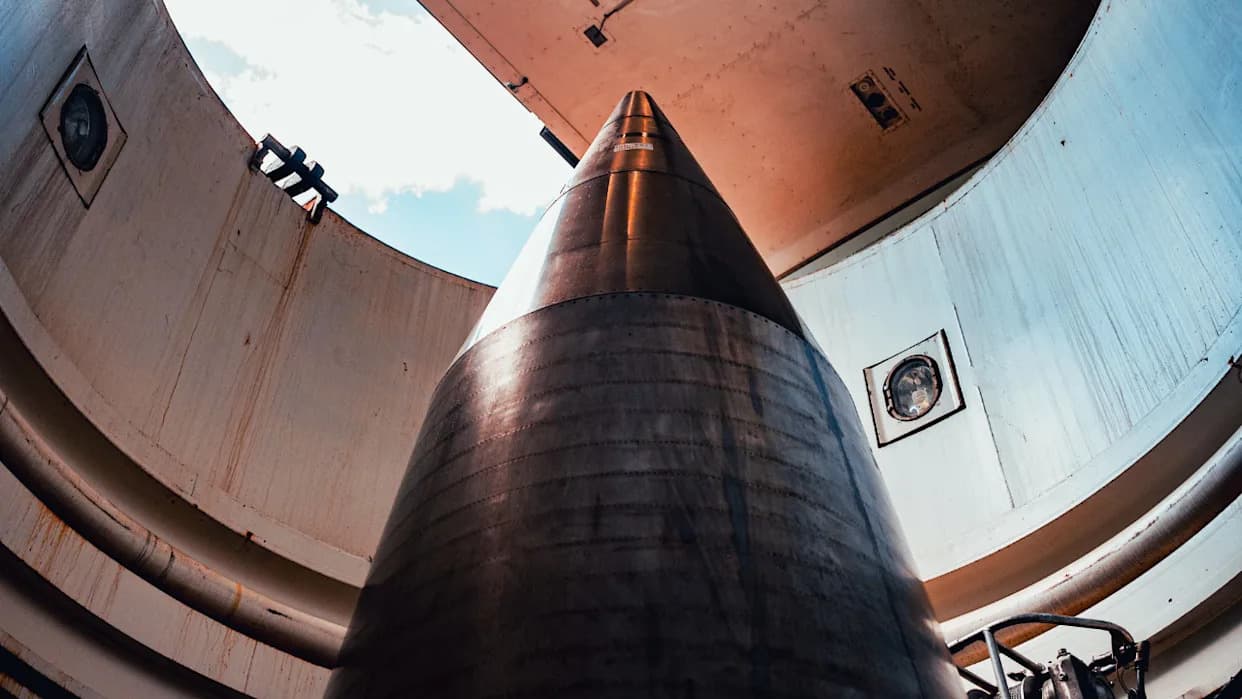
Wright also described the administration’s domestic energy priorities: lowering regulatory barriers and royalty rates on federal land, expanding drilling access, and supporting nuclear power. He touted an Energy Department initiative to bring three next-generation small modular reactors (SMRs) to criticality by July 4, calling nuclear a promising long-term source of reliable, low-carbon baseload power.
What To Watch
Key issues to follow: the outcome of Wright’s meetings with Venezuelan authorities, concrete legal guarantees for foreign investors in the oil sector, the timeline and credibility of promised elections, and whether international companies will be willing to commit capital to PdVSA-linked projects.
Help us improve.