The article reports growing claims in Minnesota that Immigration and Customs Enforcement agents are posing as utility and construction workers and using suspicious or swapped license plates during a recent enforcement operation. Activists and residents have documented sightings and linked some vehicles to the Bishop Henry Whipple Federal Building. Civil liberties groups warn such ruses damage public trust, while supporters say agents are adapting to avoid volunteer tracker networks; DHS has not commented on most specific reports.
Hard Hats and Fake Plates: Reports of ICE Impersonations Stoke Fear in Minnesota
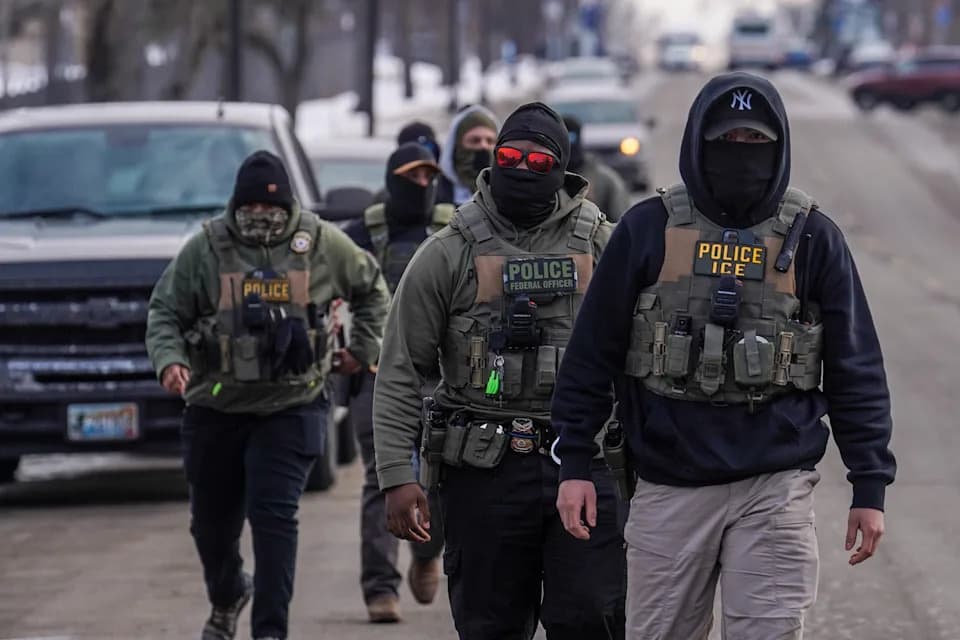
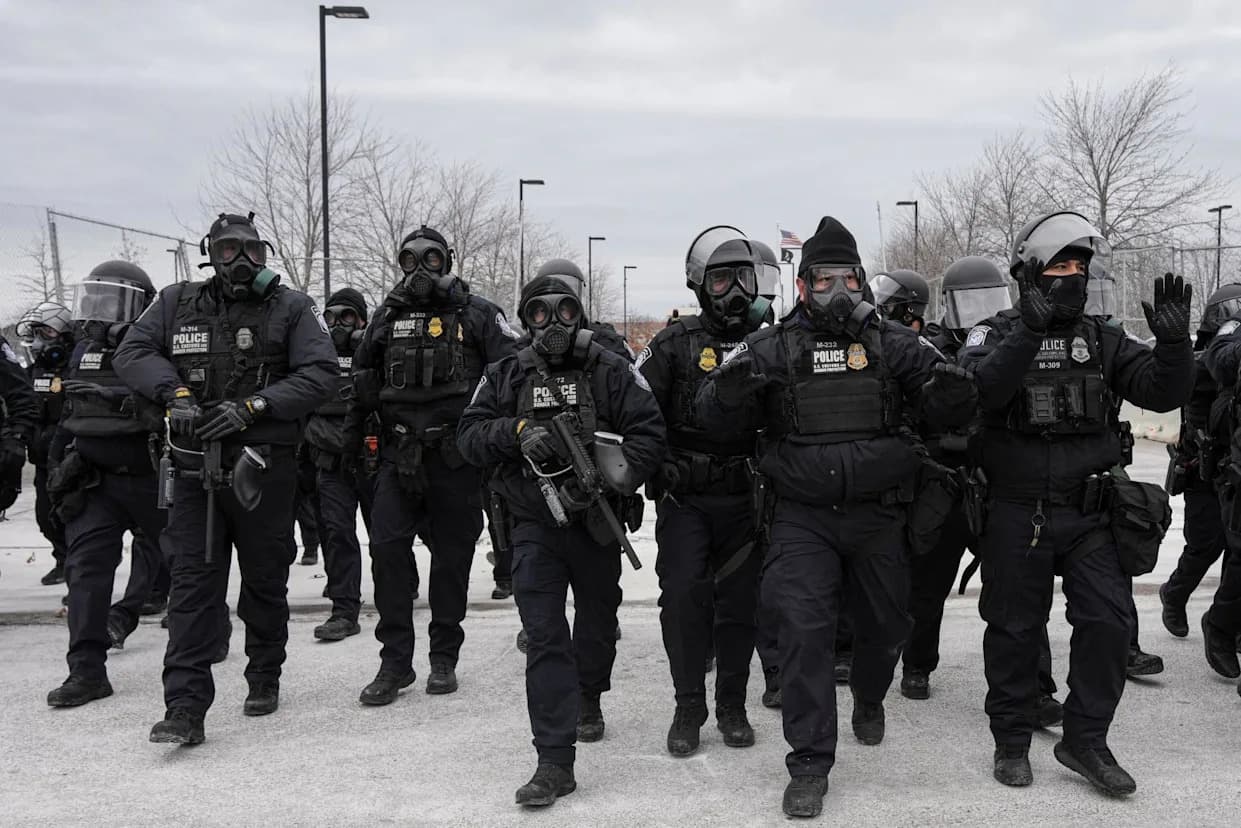
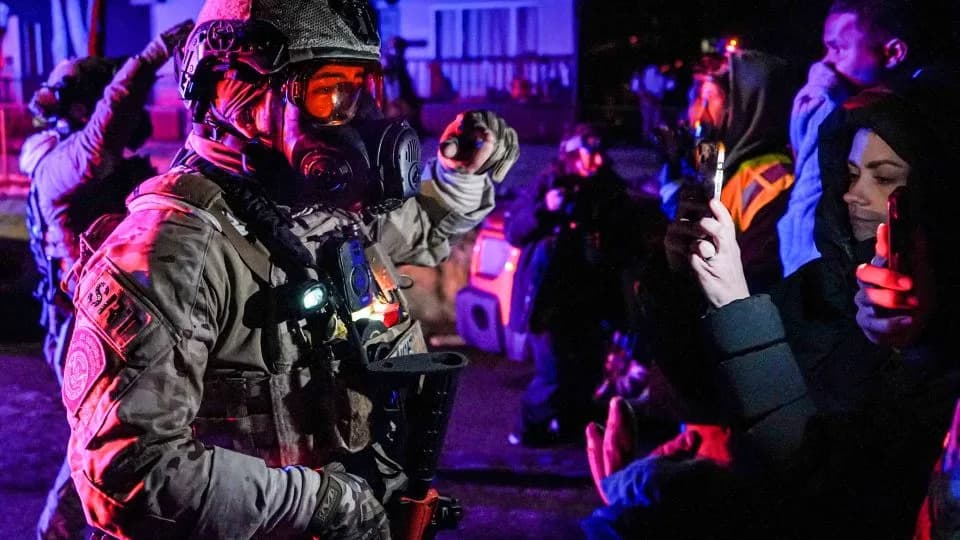
FILE - Federal agents walk down a street while conducting immigration enforcement operations, Thursday, Feb. 5, 2026, in Minneapolis. (AP Photo/Ryan Murphy, File)(ASSOCIATED PRESS)
MINNEAPOLIS — Residents and immigrant-rights activists in Minnesota say they have increasingly spotted men who appear to be federal immigration agents posing as utility or construction workers and using suspicious or swapped license plates — tactics that have intensified fear and mistrust during a recent enforcement operation.
Confrontations and Community Watchers
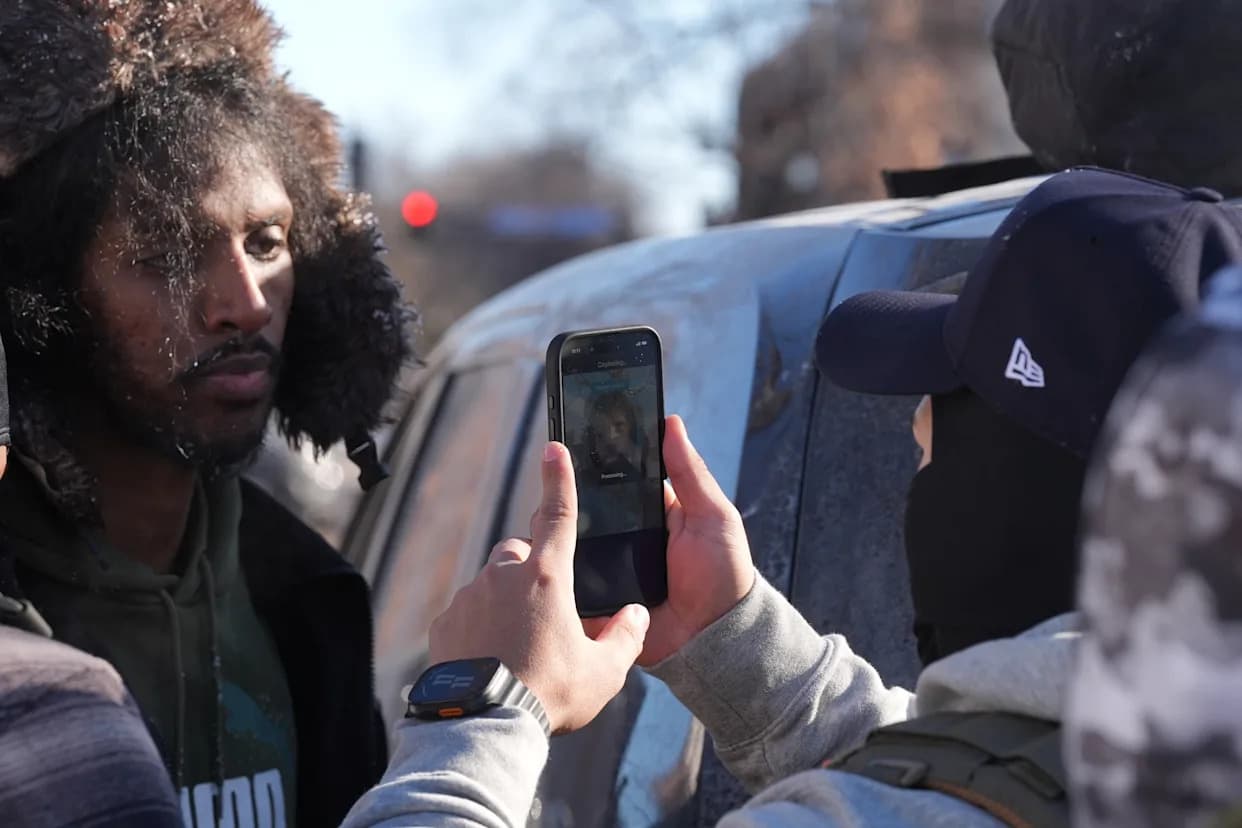
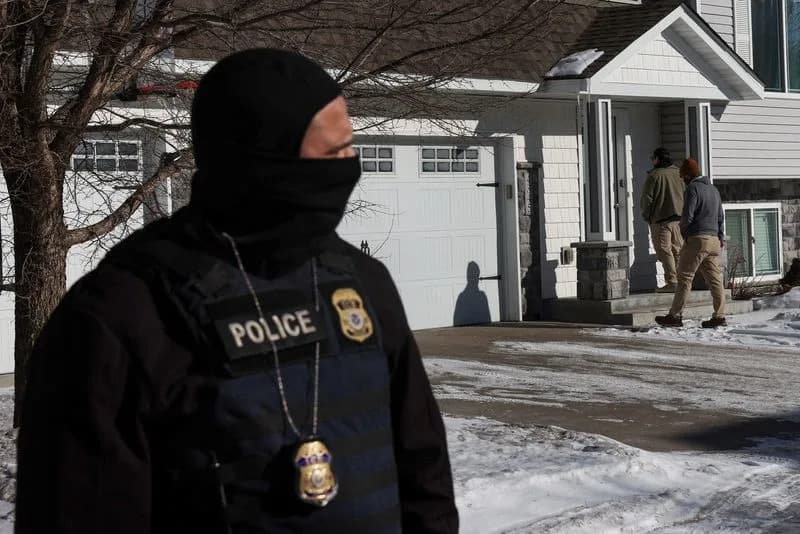
For days, Luis Ramirez noticed two men parked outside his family’s Mexican restaurant in a Minneapolis suburb wearing spotless white hard hats and high-visibility vests. Ramirez said the electrician’s name printed on their vehicle returned no search results, and when the Nissan returned to the lot he recorded a confrontation. In the footage, the men conceal their faces and appear to be wearing heavy tactical gear beneath their vests.
“This is what our taxpayer money goes to: renting these vehicles with fake tags to come sit here and watch my business,” Ramirez says in the video.
A Department of Homeland Security and Immigration and Customs Enforcement spokesperson did not respond to requests to confirm whether the men were federal officers. Still, accounts like Ramirez’s have become more frequent as organizers and legal observers document the enforcement activity.
Allegations of Ruses and Plate Swapping
Legal advocates say disguises and other deceptions — known in ICE parlance as “ruses” — have been used historically to gain access to homes without warrants. Civil liberties groups contend the practice grew during the Trump administration and prompted litigation and a settlement that limited some tactics in Los Angeles; the use of ruses remains legal in other jurisdictions.
In Minnesota, observers say the operations appear to include a broader range of deceptive tactics and to be taking place in public view. At the Bishop Henry Whipple Federal Building in Minneapolis — a hub of ICE activity — volunteers have photographed vehicles they believe are linked to enforcement actions, noting details such as stuffed animals on dashboards, Mexican flag decals, or trucks carrying lumber.
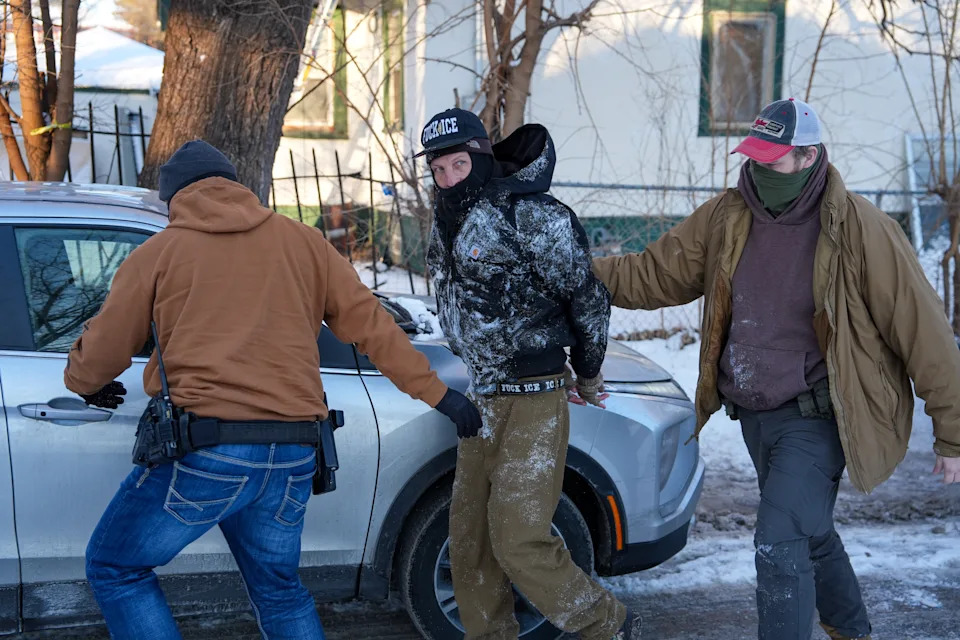
FILE - An activist is detained by federal agents on Tuesday, Feb. 3, 2026, in Minneapolis. (AP Photo/Ryan Murphy, File)(ASSOCIATED PRESS)
Antiques Shop Incident
On Jan. 13, antiques dealer Candice Metrailer says two men entered her south Minneapolis shop after calling to ask about license plates. While they browsed, she noticed an idling Ford Explorer nearby with blacked-out windows and memorized its plate number. After submitting the plate to a crowdsourced database used by local activists, she found the same vehicle had been photographed leaving the Whipple building multiple times and reported at a prior immigration arrest. Metrailer reported the incident to the Minnesota attorney general; DHS did not respond to a request for comment.
Responses and Legal Concerns
Advocates warn that disguises and fake plates erode trust and sow fear in immigrant communities. Naureen Shah, director of immigration advocacy at the American Civil Liberties Union, says such tactics can generate wide public distrust and confusion: “If you have people afraid that the electrical worker outside their house might be ICE, you’re inviting public distrust and confusion on a much more dangerous level.”
Supporters of the enforcement operation counter that volunteer “citizen observer” networks have created significant obstruction and that agents are adapting their methods to avoid being identified. Scott Mechkowski, a former deputy director of ICE enforcement and operations in New York City, said he had not previously seen agents disguising themselves as uniformed workers to this degree.
Earlier this summer, a DHS spokesperson confirmed that a man wearing a high-visibility construction vest was an ICE agent conducting surveillance. And amid similar reports elsewhere, a utility company in Oregon published guidance for customers to verify worker identity after reports of impersonators.
Community Impact
Those on the ground say the tactics — verified in some cases and unconfirmed in others — have left people on edge. Ramirez says he has become hypervigilant, once briefly stopping a locksmith he suspected of being an agent before realizing the man was a neighbor. “Everybody is on edge about these guys, man,” he said. “It feels like they’re everywhere.”
Legal and civil-rights organizations continue to monitor reports and encourage community members to document suspicious activity while cautioning against confrontations that could escalate. The debate highlights tensions between immigration enforcement strategies and the rights and safety of the communities in which they operate.
Help us improve.