Haiti’s nine‑member presidential council resigned after nearly two years amid persistent gang violence and political tension. The U.S. deployed naval assets near Port‑au‑Prince and revoked visas for several council figures as diplomatic pressure increased. Prime Minister Alix Didier Fils‑Aimé remains in power and has pledged to improve security, hold elections and roll out emergency humanitarian aid, while talks continue over a multinational security force to replace an understaffed U.N. mission.
Haiti Presidential Council Resigns Amid Gang Violence; U.S.-Backed Prime Minister Vows Security and Elections
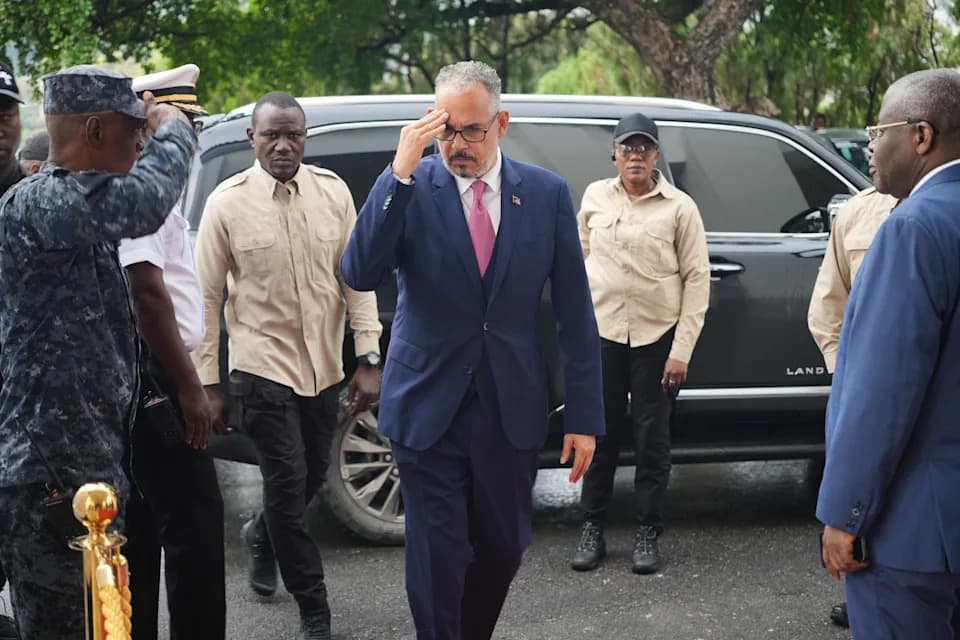
Haitian Prime Minister Alix Didier Fils-Aimé, center, salutes as he arrives for a ceremony marking the end of the presidential council in Port-au-Prince, Haiti, Saturday, Feb. 7, 2026. (AP Photo/Odelyn Joseph)(ASSOCIATED PRESS)
PORT-AU-PRINCE, Haiti — Haiti’s nine-member presidential council formally resigned on Saturday, bringing to a close almost two years of a turbulent interim administration that governed alongside Prime Minister Alix Didier Fils-Aimé, an unelected leader backed by the United States who is expected to remain in office as the country prepares—tentatively—for its first general elections in a decade.
U.S. Pressure and Political Tensions
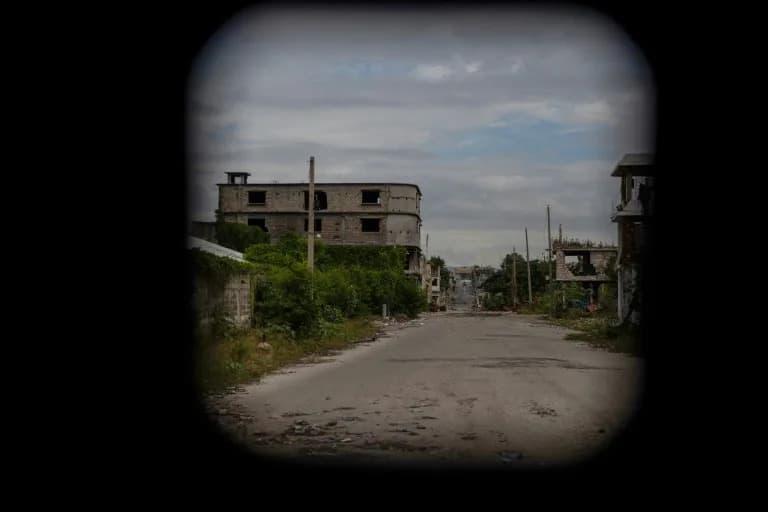
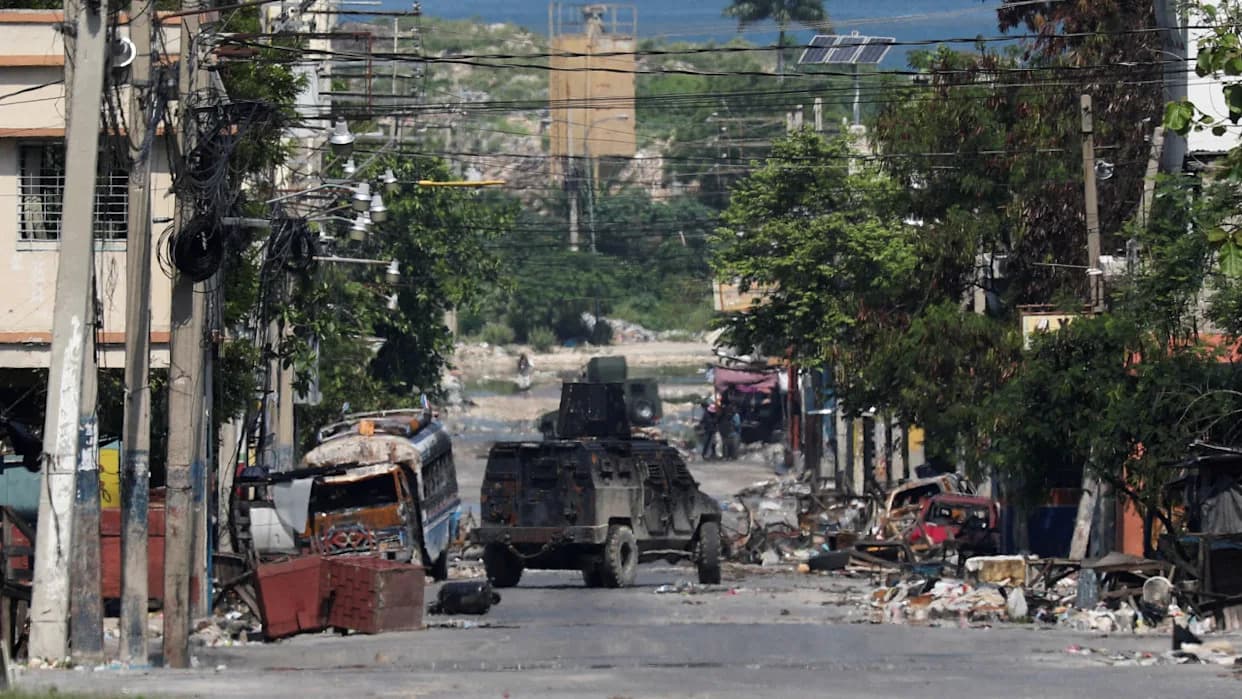
In the days before the council stepped down, the U.S. positioned a warship and two Coast Guard vessels off the coast of Port‑au‑Prince, where criminal gangs now control roughly 90% of the capital. Diego Da Rin, an analyst with the International Crisis Group, said the naval presence "appears to provide the latest proof of Washington’s willingness to use the threat of force to shape politics in the Western Hemisphere."
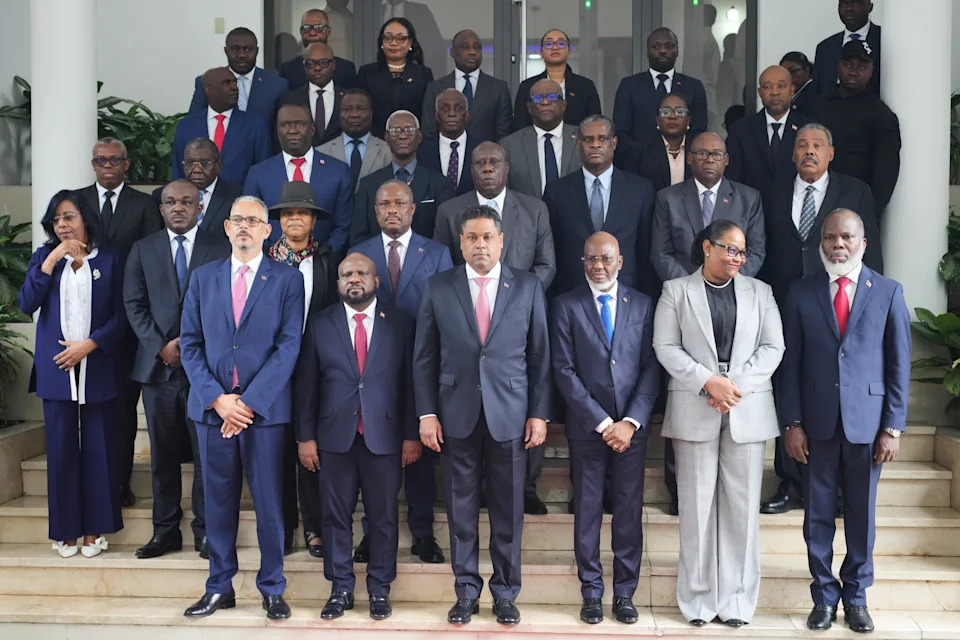
Haiti's Prime Minister Alix Didier Fils-Aimé, front row, left, and his cabinet pose for a group photo with members of the presidential council at a ceremony marking the end of their almost two-year rule, in Port-au-Prince, Saturday, Feb. 7, 2026. (AP Photo/Odelyn Joseph)(ASSOCIATED PRESS)
In late January, two influential council members announced that a majority had voted to remove Prime Minister Fils‑Aimé, a move that defied U.S. appeals to preserve fragile stability. Days later, the U.S. revoked visas for four unidentified council members and one cabinet minister. Plans to oust the prime minister did not move forward; instead, the council resigned in an official handover ceremony.
The Transfer and the Prime Minister’s Pledge
Laurent Saint‑Cyr, the council's outgoing president, urged members to set aside personal interests and continue work on security. Fils‑Aimé addressed the nation later the same day, flanked by police and army officials, pledging to prioritize security, hold elections and implement an emergency humanitarian plan to provide food, medical care and shelter for the most vulnerable.
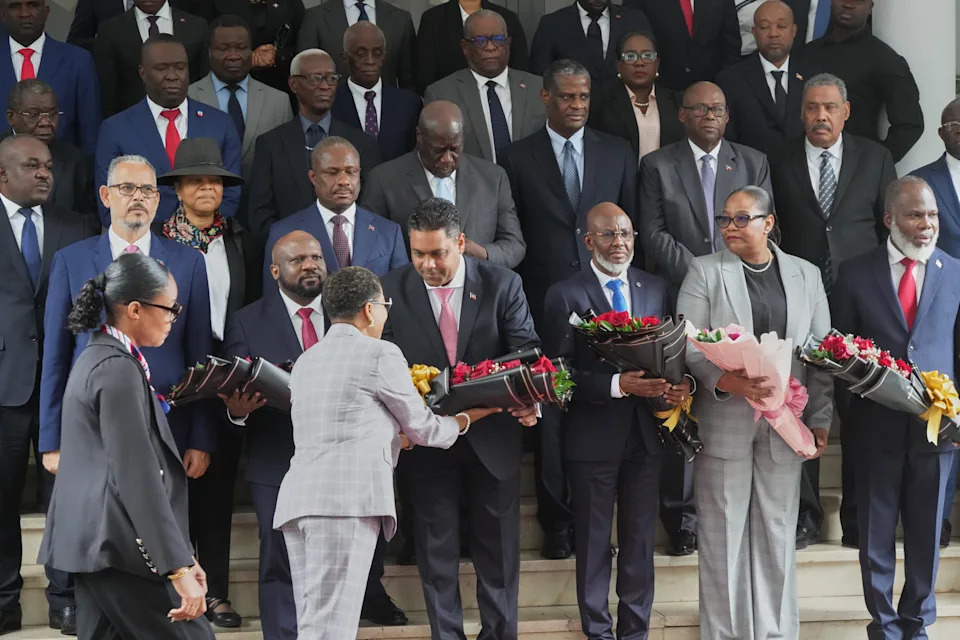
Members of Haiti's presidential council receive bouquets of flowers at a ceremony marking the end of their almost two-year rule, in Port-au-Prince, Saturday, Feb. 7, 2026. (AP Photo/Odelyn Joseph)(ASSOCIATED PRESS)
“The suffering of the population demands immediate action,” Fils‑Aimé said. “The coming days will be demanding. I don't promise miracles.”
The United Nations reported more than 8,100 killings nationwide from January through November last year in a country of nearly 11 million people and warned those figures are likely underreported. Fils‑Aimé vowed to target gangs and their supporters and to retake occupied neighborhoods so children can travel to school without fear.
Security Mission and Governance Questions
Negotiations are ongoing about what authority, if any, will replace the presidential council as a new multinational security mission prepares to overhaul a U.N.‑backed effort led by Kenyan police that was criticized as understaffed and underfunded. "Clarity on who will govern Haiti is essential," Da Rin wrote recently, noting that countries contributing troops will want to work with a government whose legitimacy is undisputed.
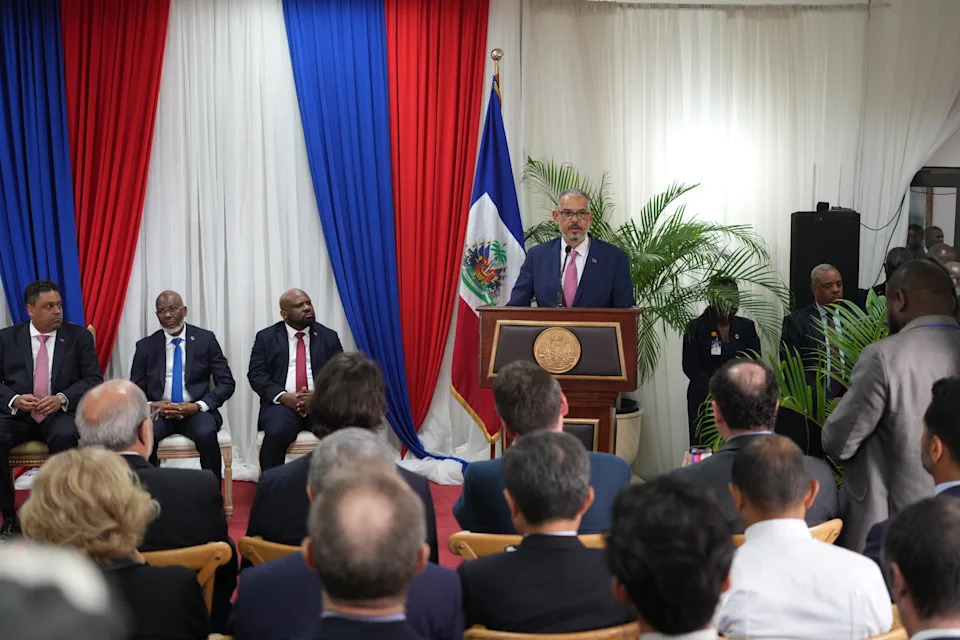
Haitian Prime Minister Alix Didier Fils-Aimé speaks during the ceremony marking the end of the presidential council in Port-au-Prince, Haiti, Saturday, Feb. 7, 2026. (AP Photo/Odelyn Joseph)(ASSOCIATED PRESS)
Feb. 7 is a symbolic date in Haiti — it marks the start of democratic rule after nearly 30 years of dictatorship and is traditionally when presidents are sworn in. Haiti did not hold the envisioned general elections on Saturday. Authorities have proposed tentative voting dates in August and December, but many observers say it is unlikely that both an election and a runoff will be completed this year given the security environment.
Origins and Shortcomings of the Council
The presidential council was created in April 2024 after the assassination of President Jovenel Moïse and a period of national upheaval. It emerged from urgent talks among Caribbean leaders and U.S. officials in Jamaica to shape a political transition after then‑Prime Minister Ariel Henry resigned amid chaos that included prolonged airport closures following gang attacks on state infrastructure.
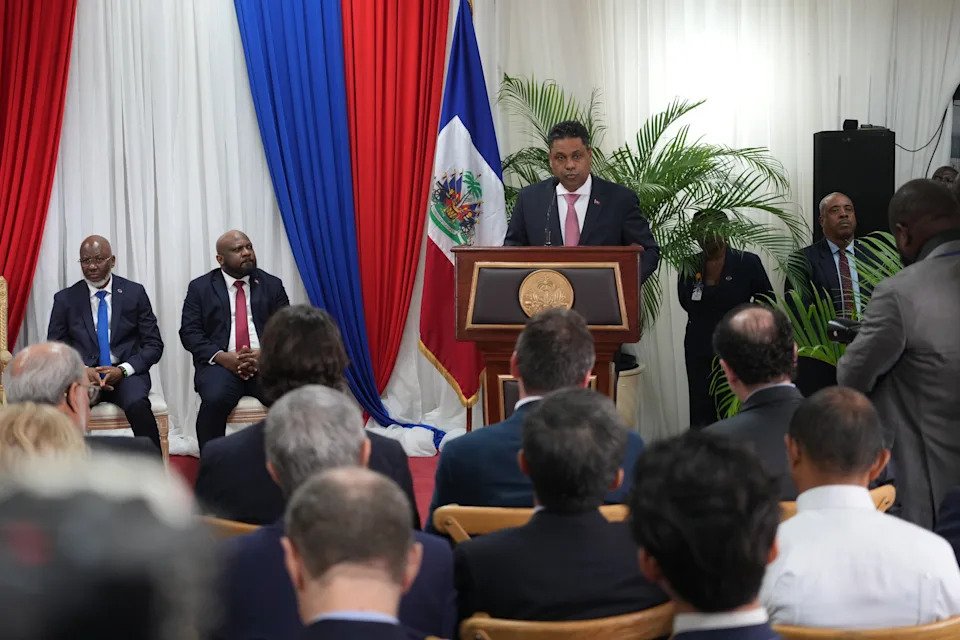
Presidential Council Chair Laurent Saint-Cyr speaks during a ceremony marking the end of the transitional council's almost two-year rule, in Port-au-Prince, Saturday, Feb. 7, 2026. (AP Photo/Odelyn Joseph)(ASSOCIATED PRESS)
Members of the council had pledged to combat gangs and improve living conditions but failed to deliver meaningful results. The administration also faced corruption allegations: a government agency accused three council members of accepting bribes in late 2024.
Public Reaction
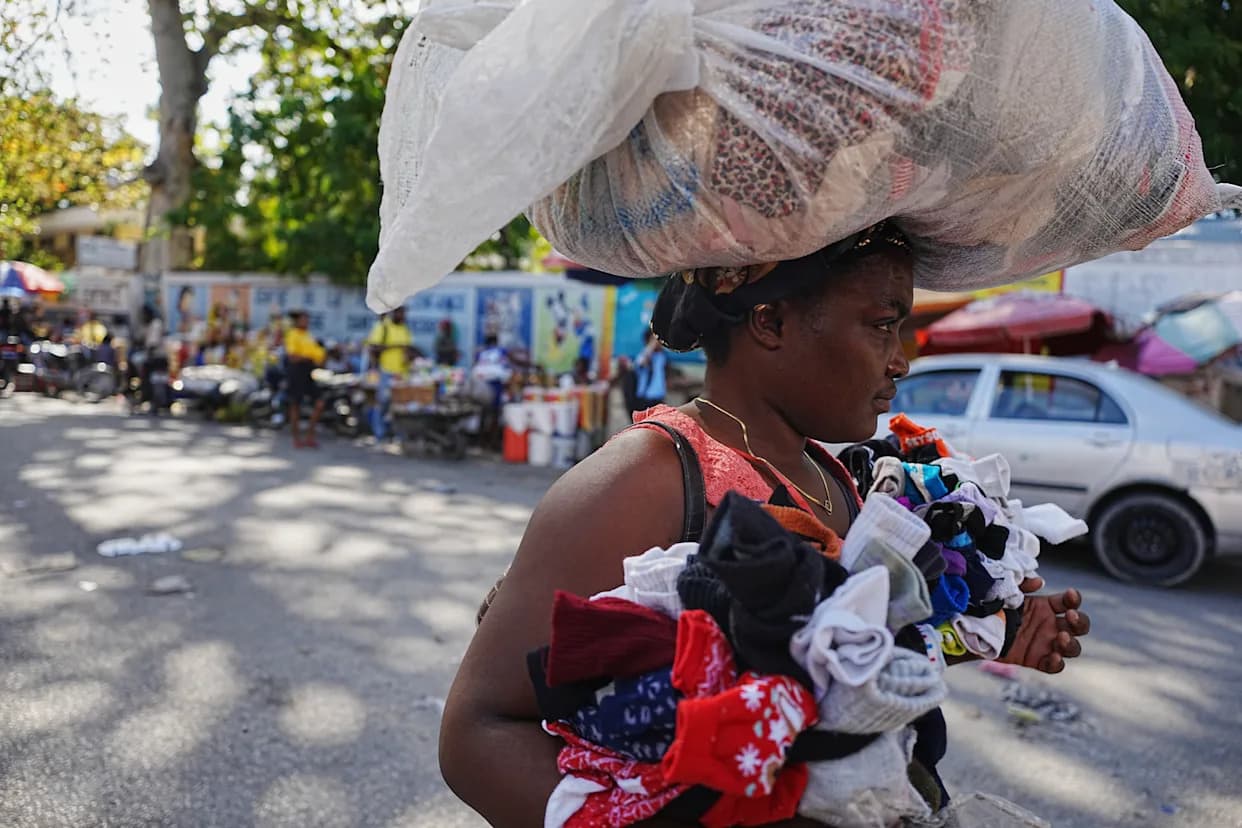
Outside government offices, André Joseph, 42, a street vendor living in a makeshift shelter among roughly 1.4 million people displaced by violence, celebrated the council’s departure. “Their time is up. They were there nearly two years and didn’t do anything for the country,” he said. “Haiti needs to move on with a better government that can lead the country in a better direction.”
Reporting: Coto from San Juan, Puerto Rico.
Help us improve.