The nine-member Presidential Transitional Council in Haiti is ending its nearly two-year mandate, but political paralysis and widespread gang violence persist. Prime Minister Alix Fils-Aime, backed by the United States, must organize parliamentary and presidential elections in August amid fractured elites and severe insecurity. UN data show almost 6,000 killed in 2025, 1.4 million displaced and nearly 6 million people facing acute food insecurity. International actors have imposed sanctions and increased naval and security support as police and UN-backed forces step up operations against gangs.
Haiti in Limbo as Transitional Council Ends While Violence and Humanitarian Crisis Deepen
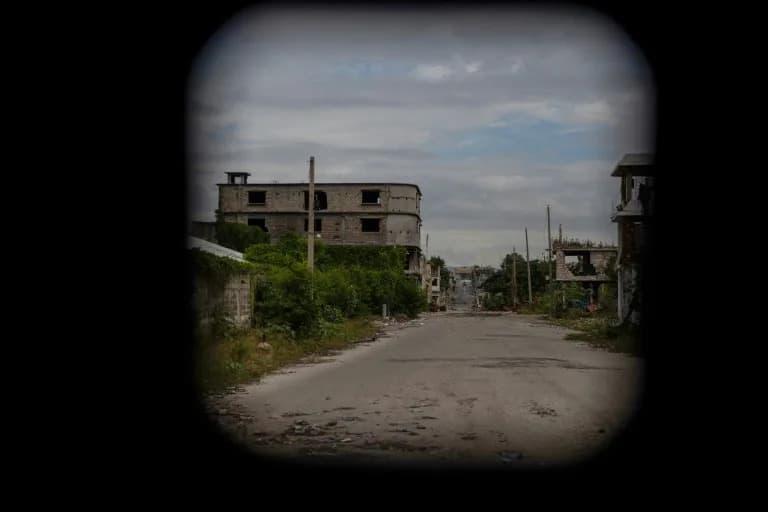
Fearing an institutional vacuum, Washington threw its support behind Prime Minister Fils-Aime (Clarens SIFFROY)(Clarens SIFFROY/AFP/AFP)
Nearly two years after it was created to restore order, Haiti’s nine-member Presidential Transitional Council (CPT) is ending its mandate — but the country’s political and security crises show no sign of easing.
“Once again, we have the impression of being back to square one,”former Prime Minister Jean-Michel Lapin told AFP.
With the council’s mandate expiring on Saturday, Prime Minister Alix Fils-Aime — backed by Washington — faces the daunting task of organizing parliamentary and presidential elections scheduled for August, the first national votes in almost a decade. He must secure cooperation from deeply divided political elites and restore enough security to allow millions of Haitians to participate safely.
Widespread Violence and Humanitarian Strain
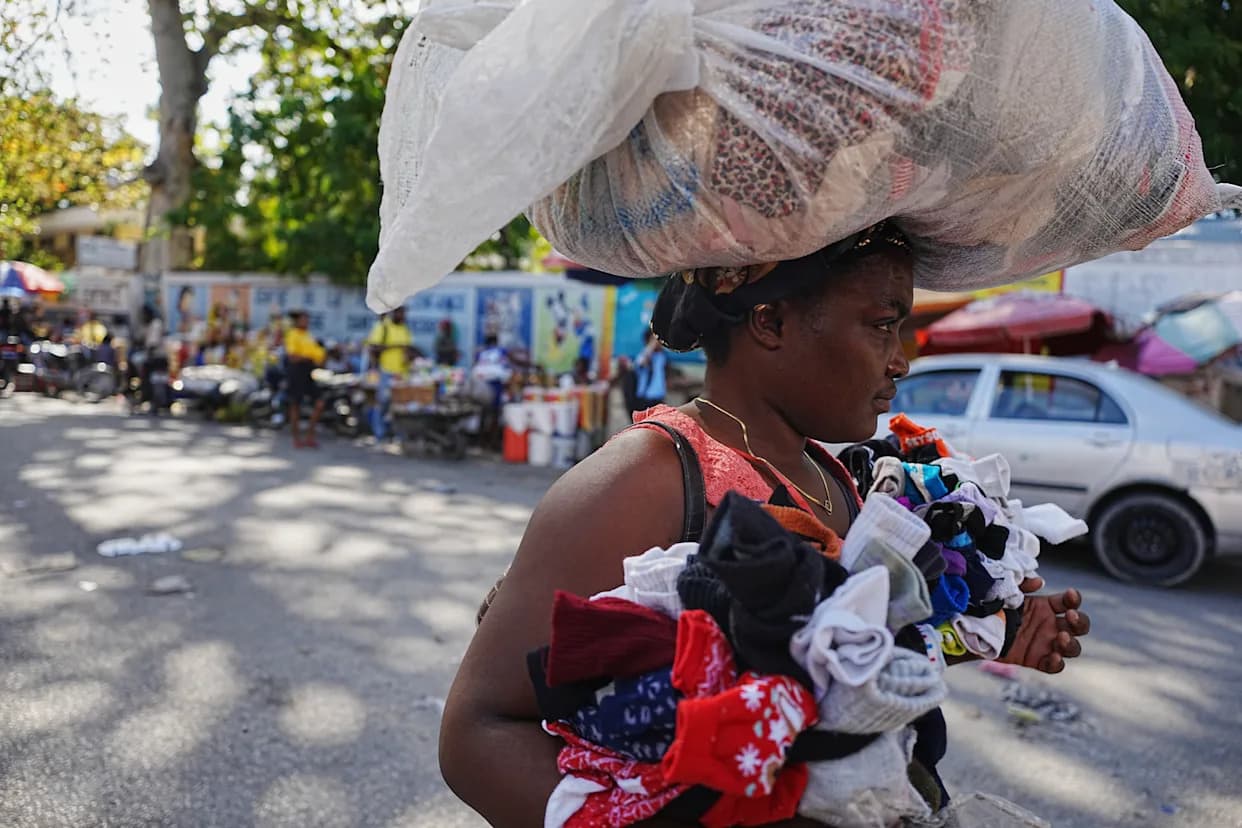
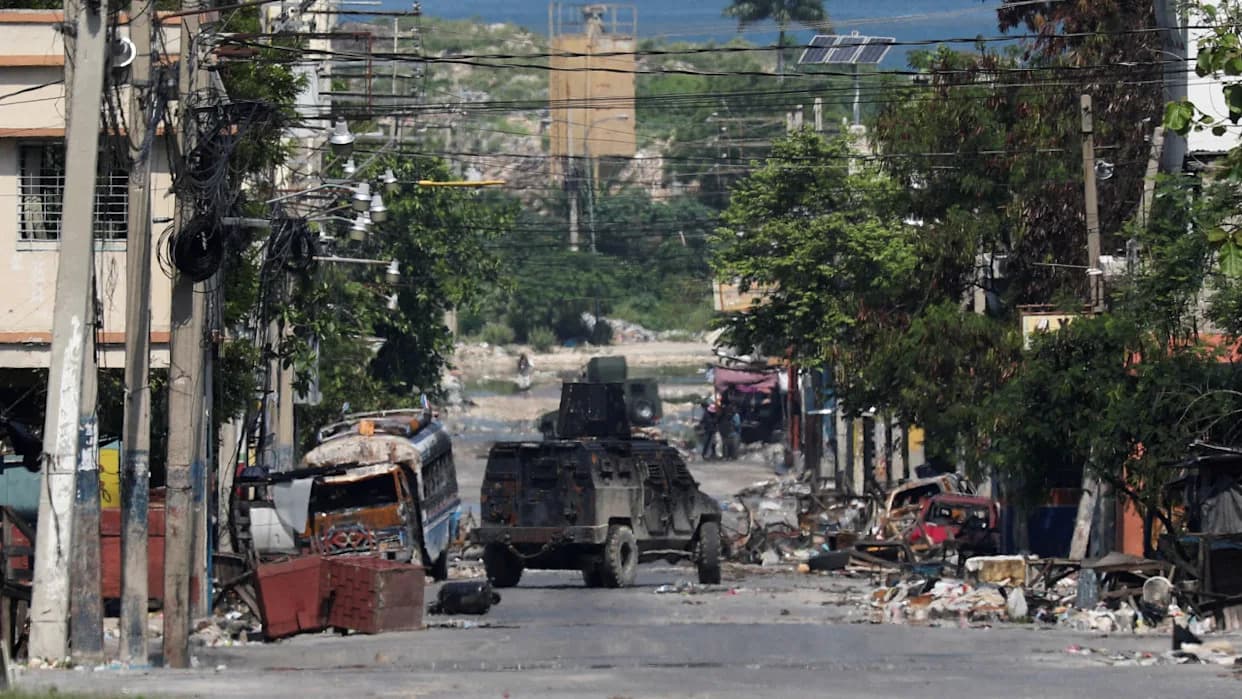
Gangs currently control roughly 90 percent of the capital, Port-au-Prince. According to United Nations figures, nearly 6,000 people were killed and more than 2,700 injured in 2025, while about 1.4 million people — roughly 10 percent of the population — were internally displaced by the violence. Almost half the population, about 6 million people, face acute food insecurity, including some 1.2 million children under five.
Broken Council, International Pressure
The CPT was charged with restoring stability but has been dogged by infighting, scandals and accusations of corruption. Several members reportedly attempted to remove Prime Minister Fils-Aime, and critics in civil society have called the council a failure.
Fearing a power vacuum, the United States publicly backed Fils-Aime. Washington also imposed sanctions on two CPT members and a government minister accused of supporting gangs, and deployed three warships to Haitian waters. U.S. lawmakers such as Senator Marco Rubio have emphasized the need for continued leadership to confront gang violence. The European Union and Canada have also warned against abrupt political change.
Security Operations
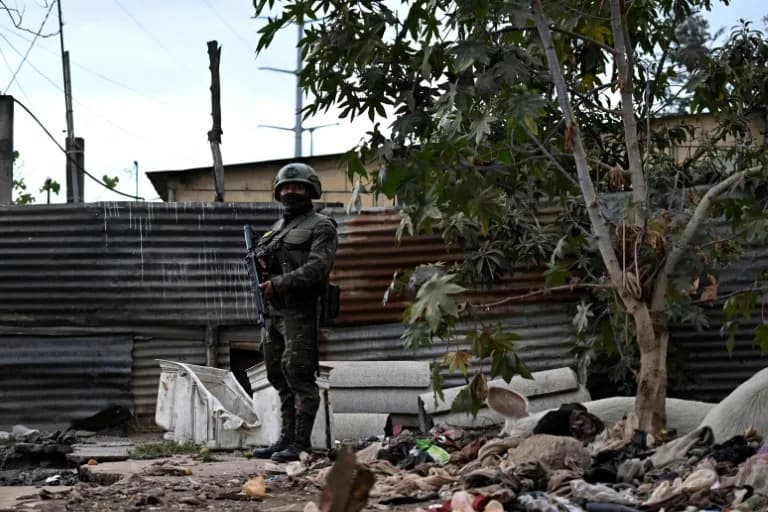
In recent weeks, Haitian police — with the support of a U.N. anti-gang force and a private security company — carried out a large-scale offensive in central Port-au-Prince that included the demolition of the home of notorious gang leader Jimmy Cherizier, known as “Barbecue.” The operation signals an intensified push against armed groups but is unlikely to be a quick fix to the country’s deep-rooted insecurity.
Small bright spot: Haiti’s national football team has qualified for the 2026 World Cup — its first appearance since 1974 — offering a rare moment of national pride amid turmoil.
Help us improve.