The United States warned Haiti’s Transitional Presidential Council it will act if the interim body takes steps that undermine national security, with Deputy Secretary Christopher Landau saying Washington would respond to changes that favor gangs. Haiti continues to suffer escalating gang violence, mass displacement and political instability since the 2021 assassination of President Jovenel Moïse. The council’s mandate expires on February 7, elections have been delayed until August, and the UN says improved security, funding and coordination are needed for credible polls.
US Issues Stern Warning To Haiti’s Transitional Council Over Security Threats
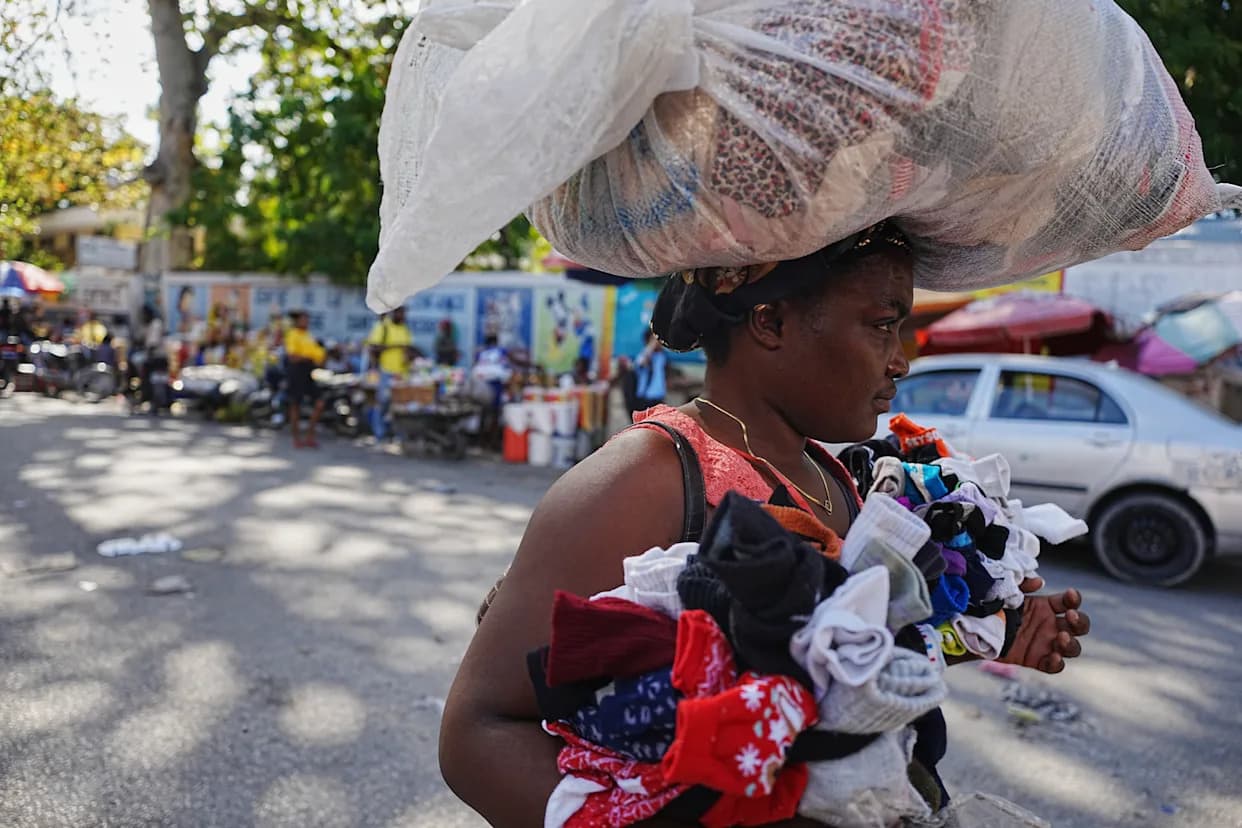
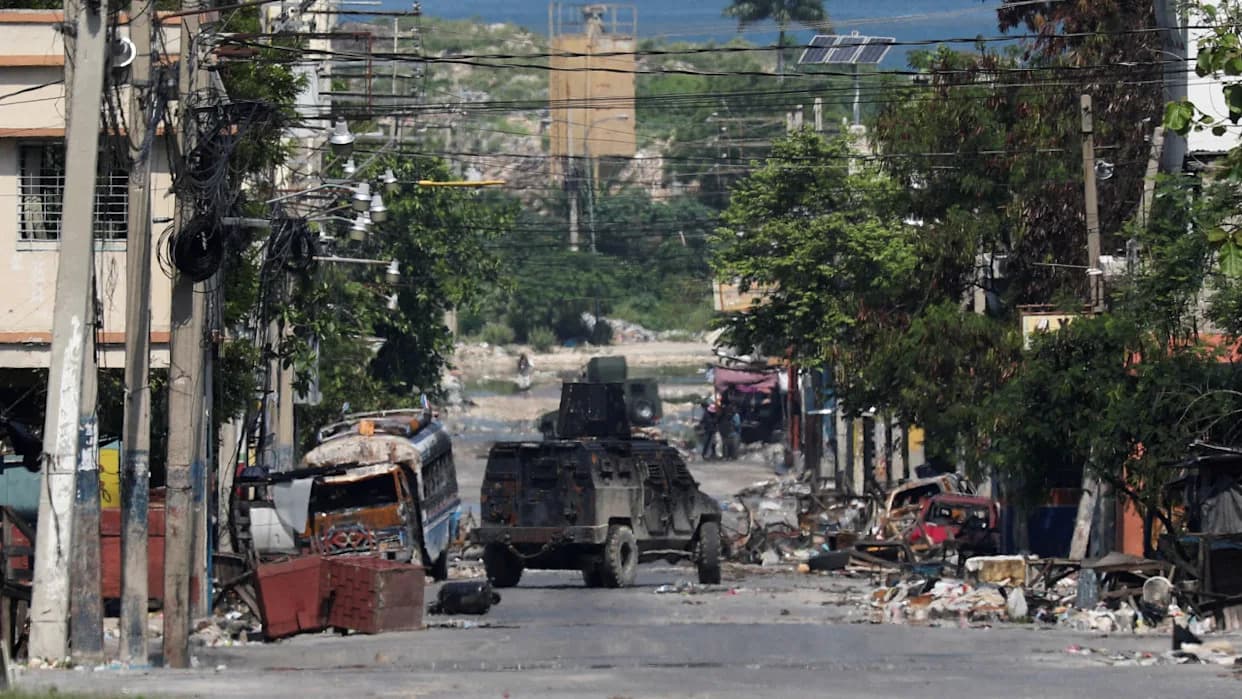
Thousands have been killed in Haiti amid years of widespread gang violence [File: Odelyn Joseph/AP Photo]
The United States has publicly warned Haiti’s Transitional Presidential Council that it will consider taking action if the interim body takes steps that threaten the country’s security and stability.
US Warning
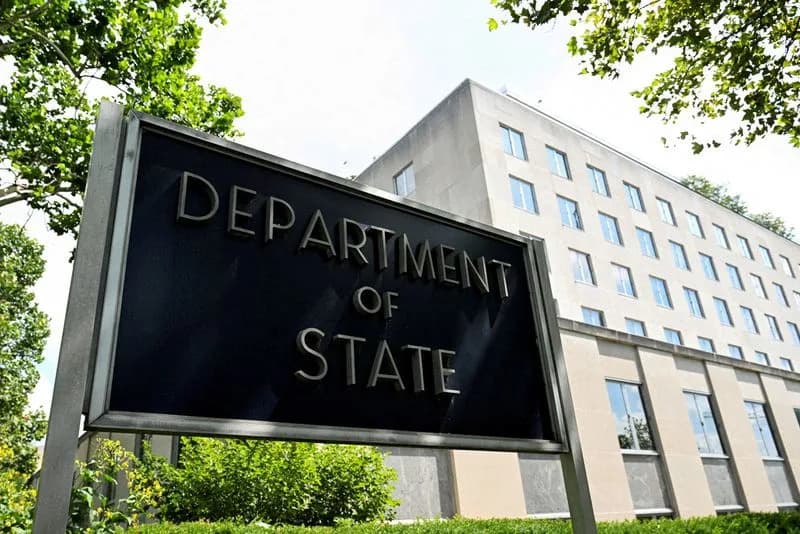
In a blunt social media post on Thursday, the US Embassy in Port-au-Prince said its primary objective remains the “establishment of baseline security and stability.” Deputy Secretary of State Christopher Landau warned that Washington would view any late-term effort to change the government’s composition as undermining that goal.
“The US would regard any effort to change the composition of the government by the non‑elected Transitional Presidential Council at this late stage in its tenure (set to expire on February 7) to be an effort to undermine that objective,”
Landau added that the United States would respond if such changes occurred, though his statement did not identify the specific proposals or events that prompted the warning.
“The US would consider anyone supporting such a disruptive step favoring the gangs to be acting contrary to the interests of the United States, the region, and the Haitian people and will act accordingly.”
Political And Security Background
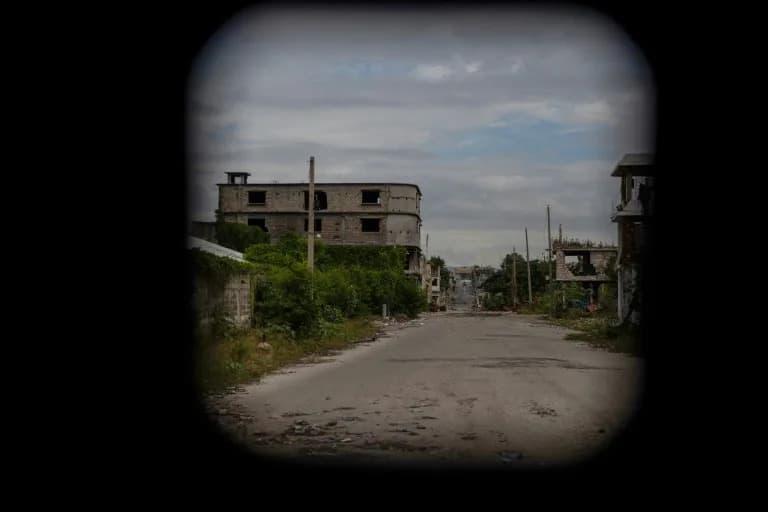
Haiti is facing a deep political and humanitarian crisis driven by widespread gang violence, entrenched corruption and a vacuum of national leadership. The crisis intensified after the 2021 assassination of President Jovenel Moïse; federal elections have not been held since and last elected national officials left office in 2023.
Analysts say the leadership vacuum has allowed gangs to expand their control across much of the country, including substantial portions of the capital, Port‑au‑Prince. The resulting insecurity has displaced more than 1.4 million people and contributed to severe food shortages as roadways are frequently obstructed by gang checkpoints.
A United Nations report this week estimated roughly 8,100 people were killed between January and November of last year, up from about 5,600 in 2024, underscoring a marked escalation in violence.
The Transitional Presidential Council
Established in 2024 as a temporary mechanism to prepare a path to new national elections, the Transitional Presidential Council has nine members who rotate as chair. The council has faced criticism for its composition — drawn largely from business and political elites — and has been dogged by allegations of corruption and internal infighting.
The US has already taken actions related to the council: in November it announced visa restrictions targeting an unnamed official later reported by the media to be economist and council member Fritz Alphonse Jean. The council failed to meet its planned timeline for tiered elections last year; the first vote has been postponed to August. Meanwhile, the council’s mandate is scheduled to expire on February 7, leaving its future uncertain.
International Response And Next Steps
UN Secretary‑General António Guterres linked Haiti’s worsening humanitarian situation to the governance vacuum and urged immediate progress toward credible elections. Carlos Ruiz‑Massieu, head of the UN Integrated Office in Haiti (BINUH), emphasized the need for transparent democratic processes, coordinated governance, reliable election financing and improved security so voters and candidates can participate without fear.
The UN also indicated plans to reinforce its multinational security support mission in Haiti with additional troops later this year to help create the conditions for safer, more inclusive elections.
Help us improve.