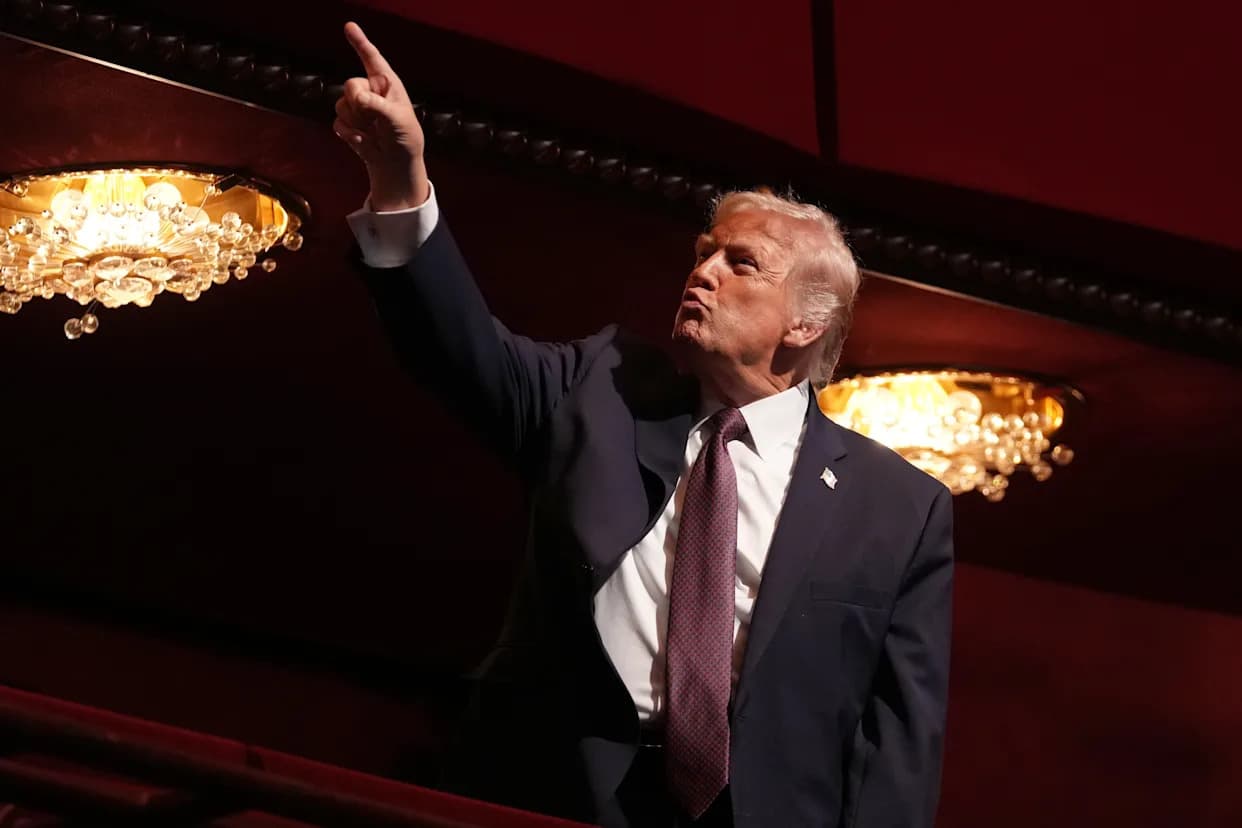
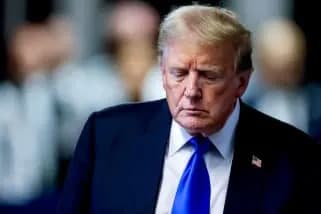
Legal experts say Minneapolis anti-ICE protests, though disruptive and sometimes violent, have not reached the constitutional threshold that would allow the federal government to invoke emergency powers. The distinction turns on whether state officials actively obstruct federal agents — private protests alone do not. Operation Metro Surge deployed about 3,000 ICE and CBP agents and led to thousands of arrests; two deaths under review have spurred an FBI investigation. Officials have discussed the Insurrection Act as a last resort, but commentators stress it is not warranted by current events.
When Anti‑ICE Protests Could Prompt Federal Intervention: Experts Define the Constitutional Threshold
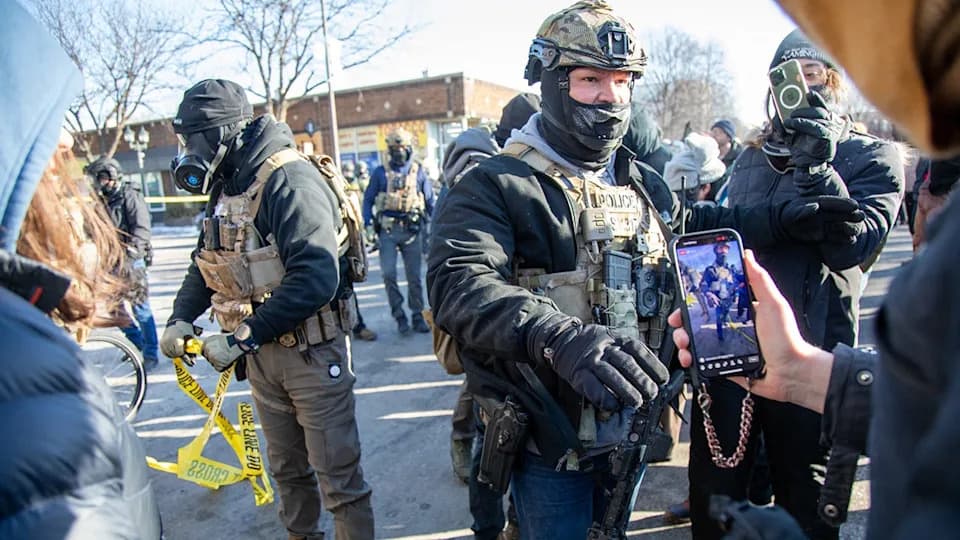
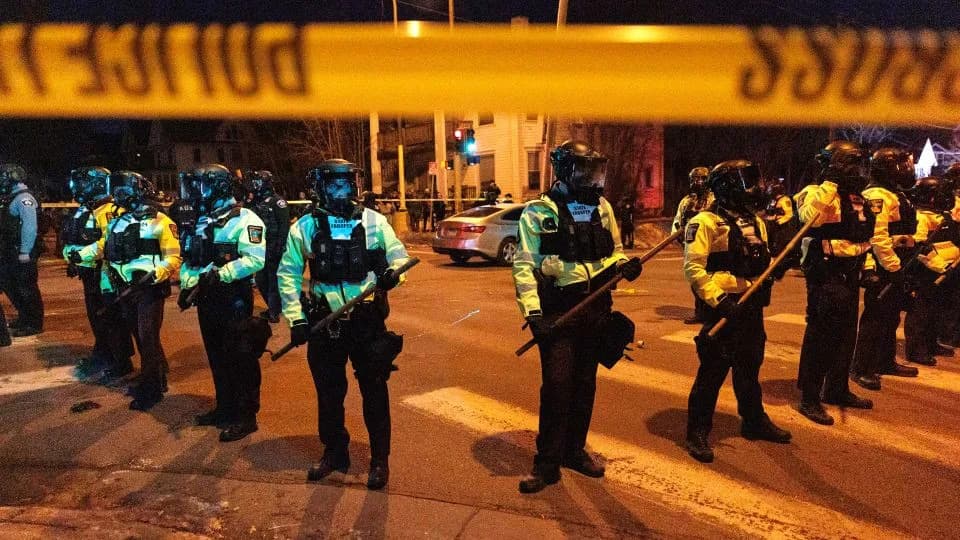
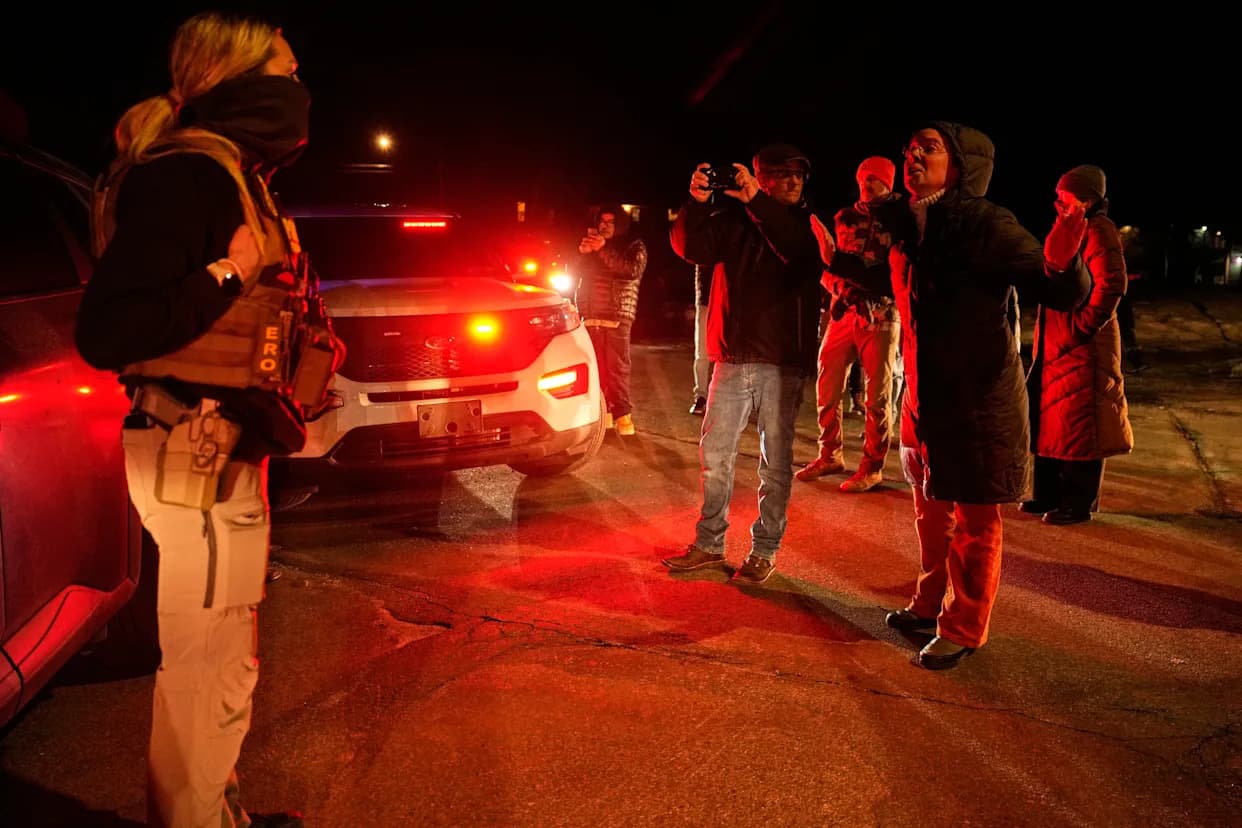
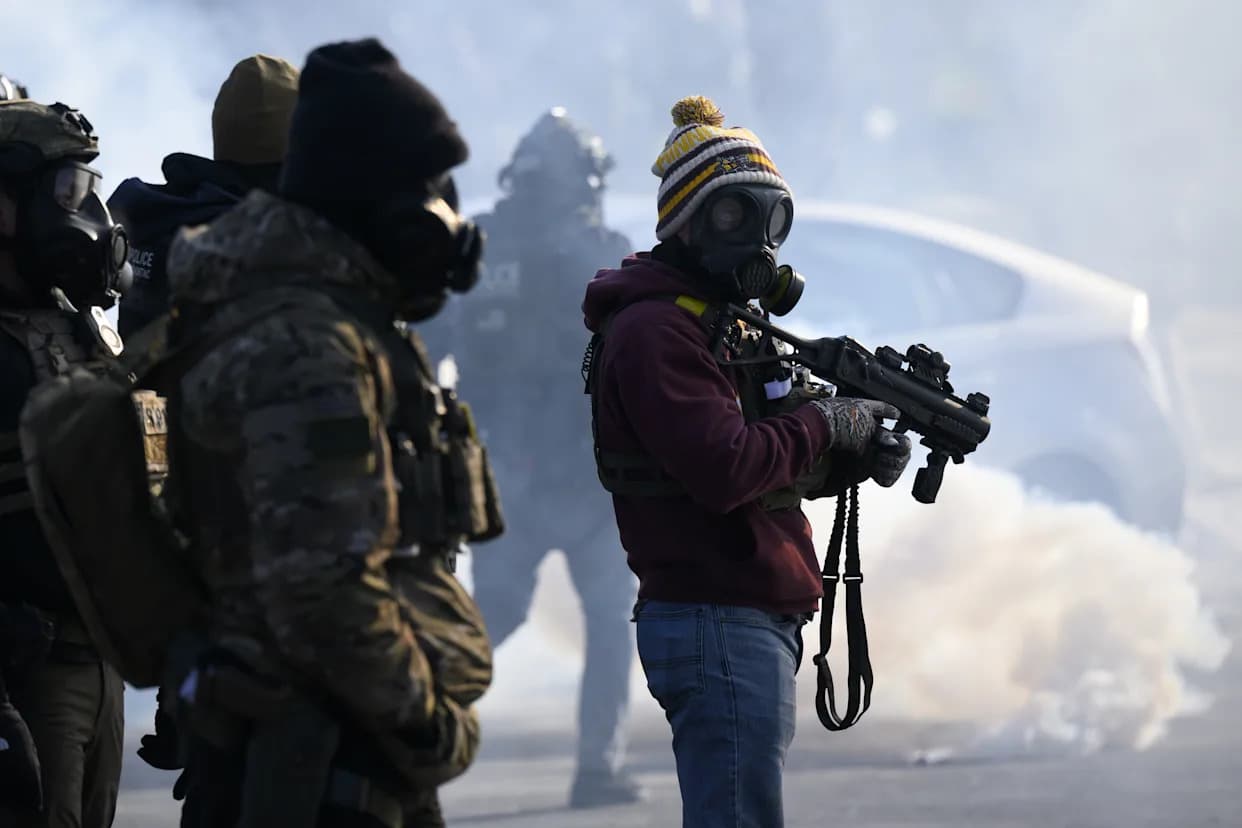
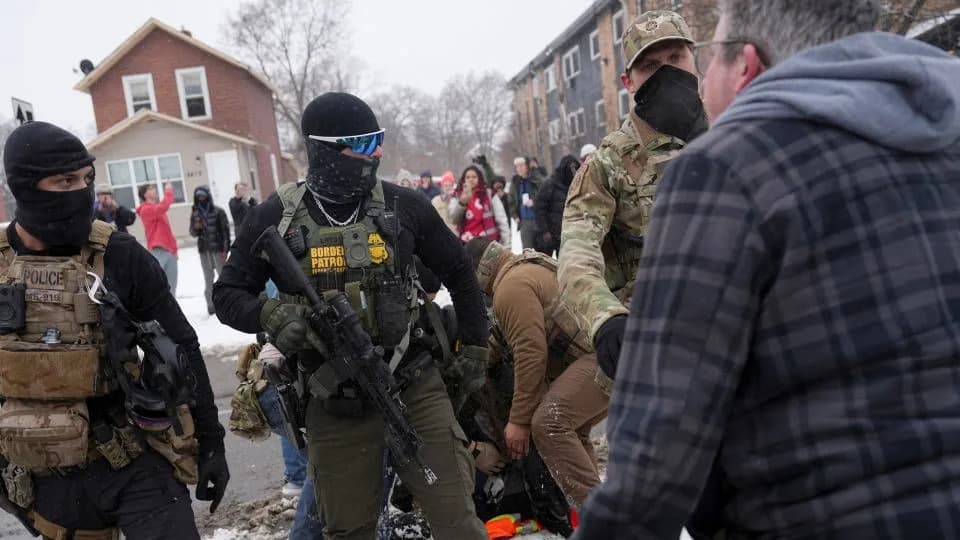
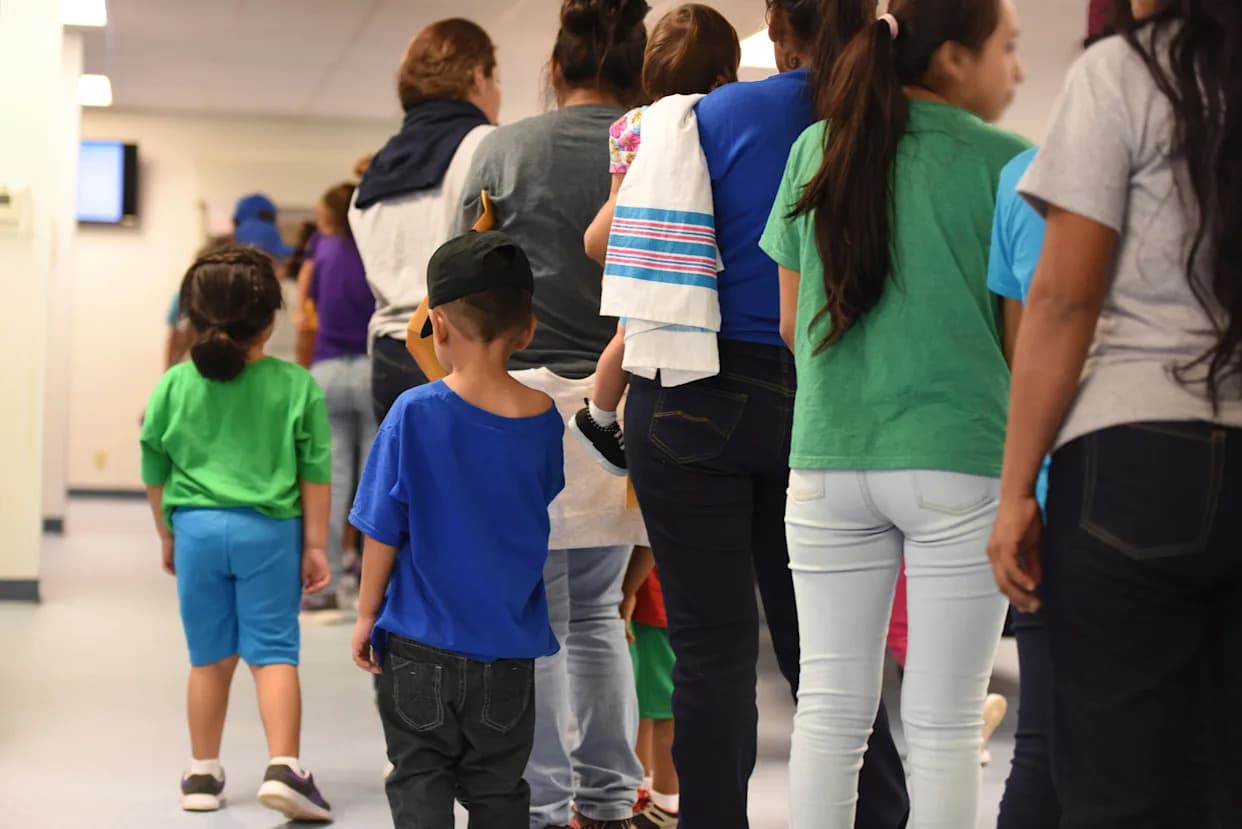
Protesters clash with law enforcement after a federal agent shot and killed a man Jan. 24, the second federal-involved shooting in the city during the month, deepening tensions over enforcement operations in Minneapolis.(Getty Images)
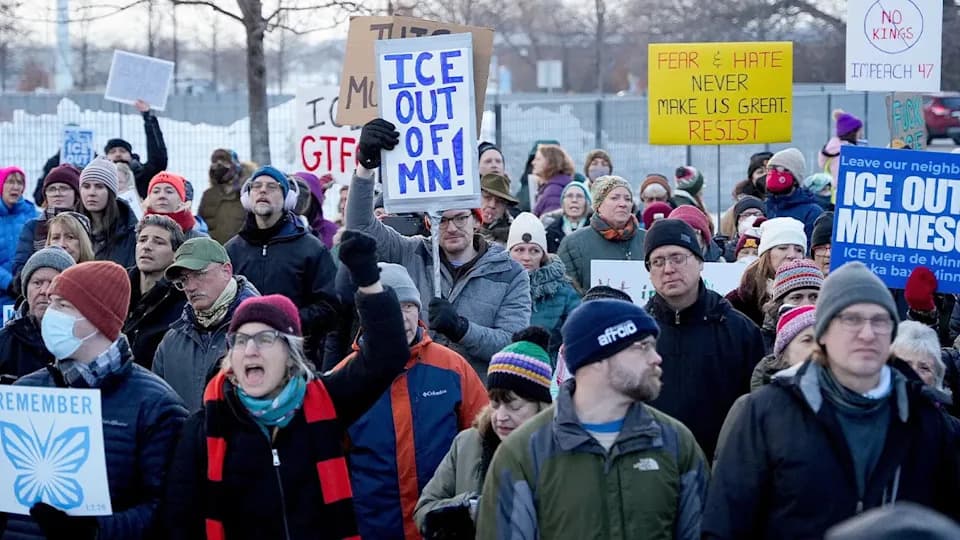
Anti-ICE demonstrators in Minneapolis have frequently confronted federal immigration officers, drawing sharp public debate and a robust federal enforcement response. Constitutional scholars say that while the unrest has been disruptive and occasionally violent, it has not risen to the level that would permit the federal government to invoke sweeping emergency powers under President Donald Trump.
Two legal doctrines frame the issue: the Tenth Amendment's anti-commandeering principle — which prevents the federal government from forcing state and local officials to enforce federal law — and the Supremacy Clause, which bars state actions that materially obstruct federal enforcement. Experts say the constitutional line is crossed only if state officials actively block or substantially interfere with federal agents, not when private protesters harass or impede them.
Professor Ilya Somin of George Mason University told Fox News Digital that private agitators making federal agents' work harder, even aggressively, do not by themselves create a constitutional crisis. As he put it, “There is no general principle of law which says that anything that makes the work of federal agents more difficult in any way somehow violates the Constitution.”
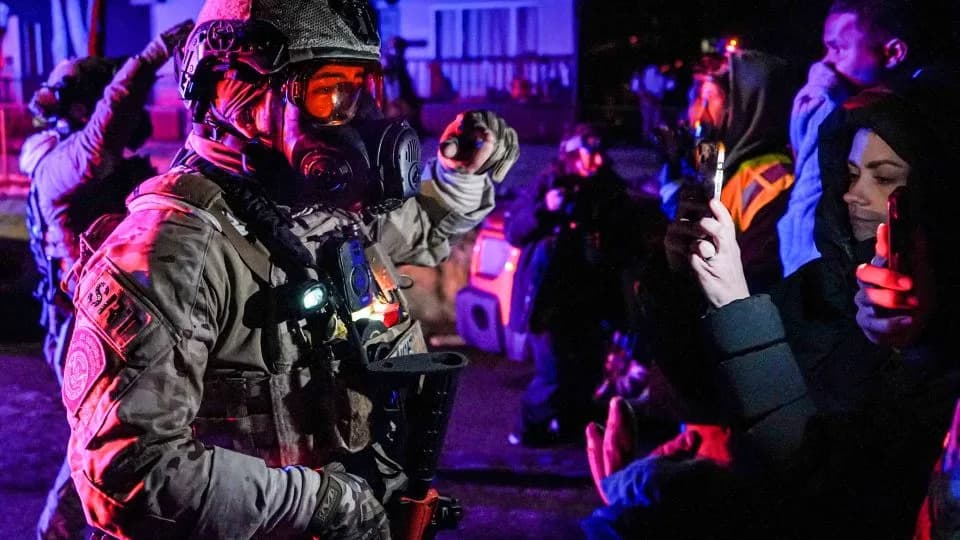
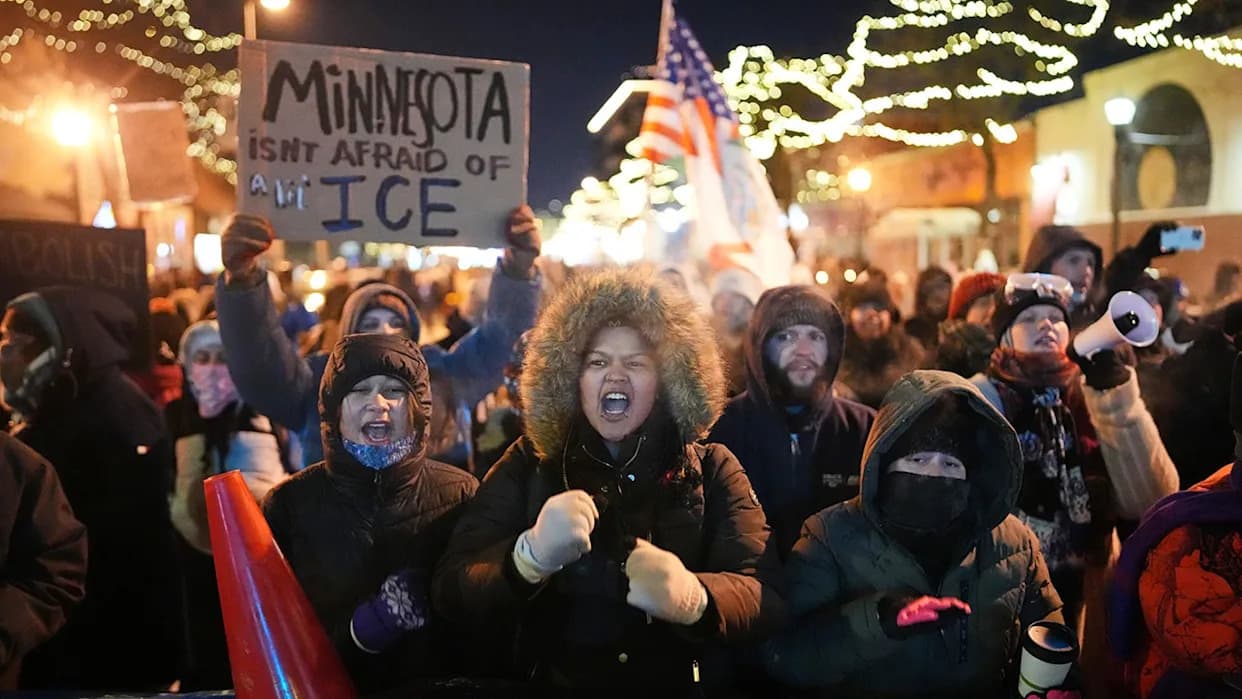
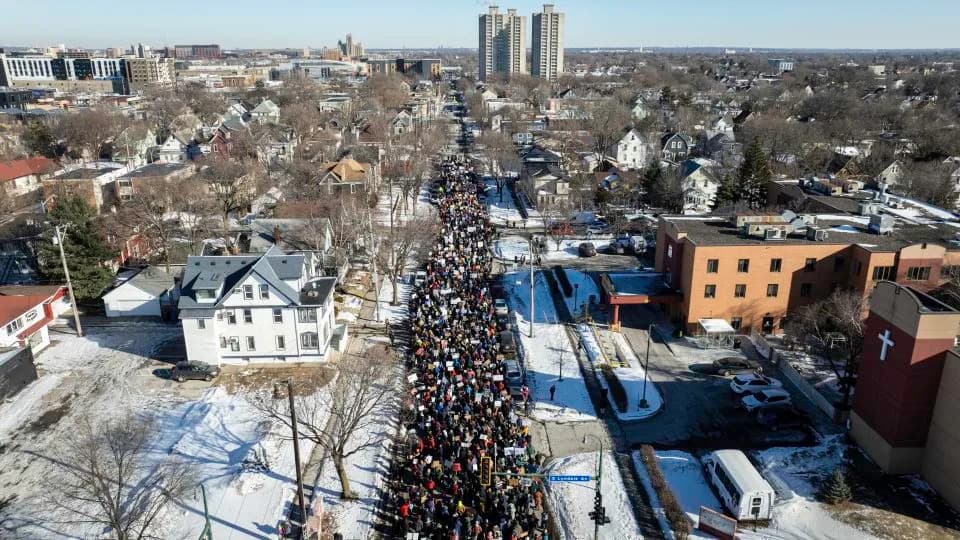
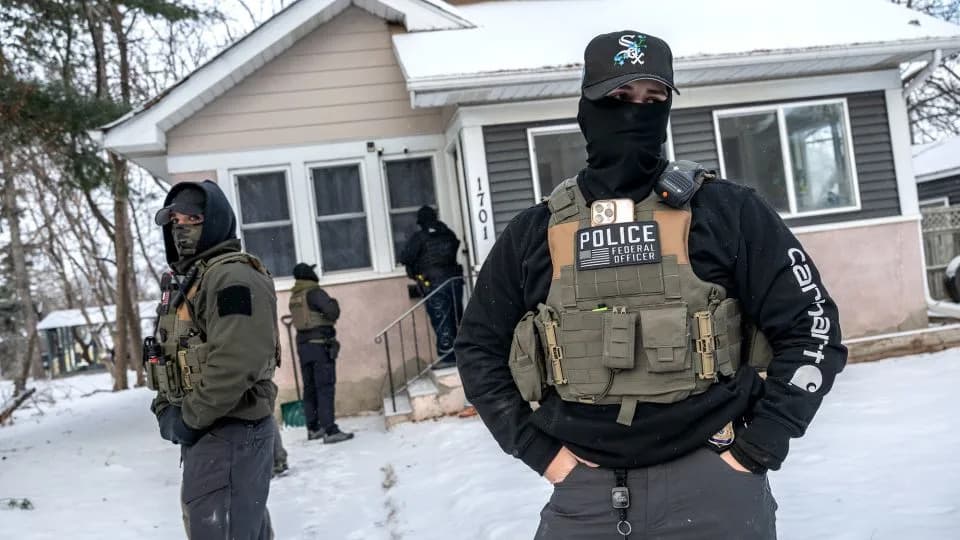
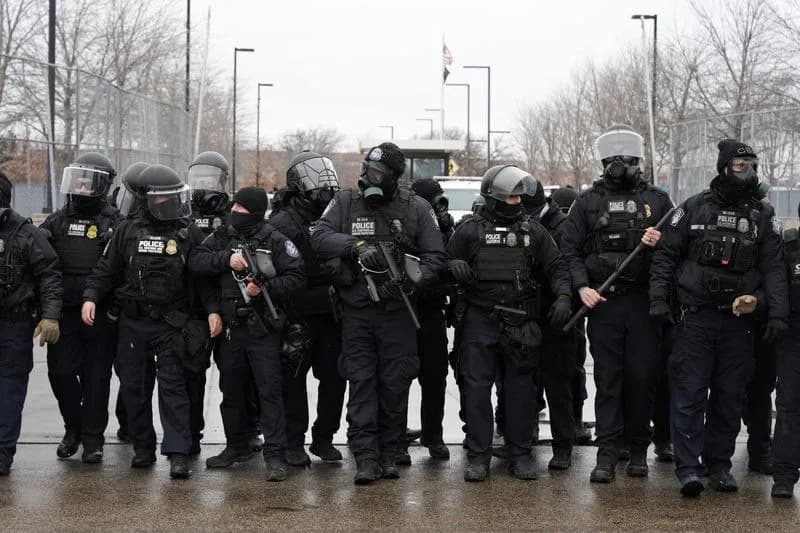
Operation Metro Surge, launched in December, deployed roughly 3,000 ICE and Customs and Border Protection agents to Minneapolis–Saint Paul and has resulted in thousands of arrests. Protesters have in some cases surrounded agents, shouted, blown whistles, recorded on video, and created blockades that at times escalated into violence.
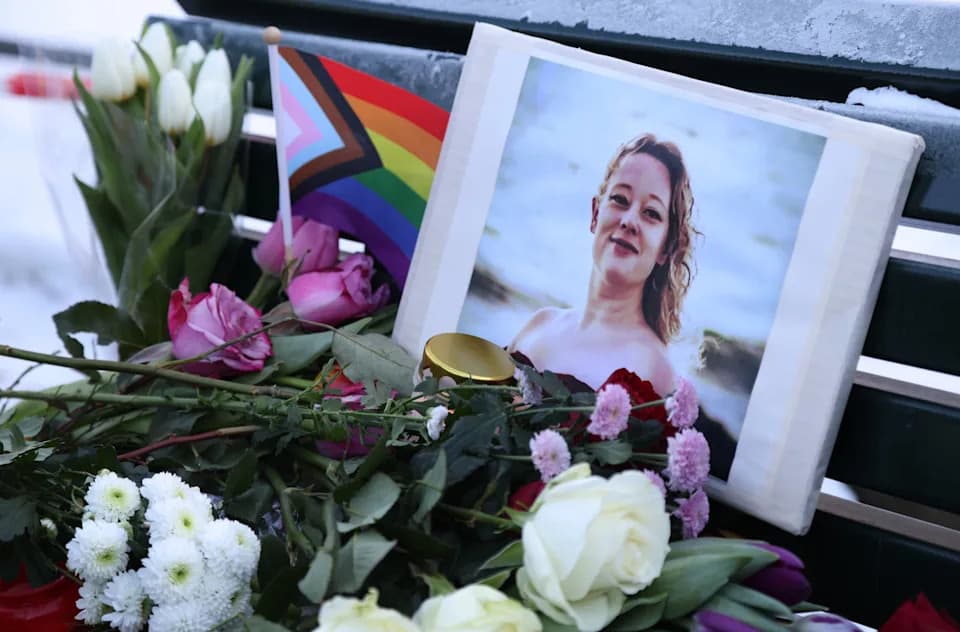
Two high-profile deaths of U.S. citizens during immigration enforcement actions have intensified public outrage and prompted an FBI investigation. Federal prosecutors have also pursued charges against individuals they say directly obstructed agents; Attorney General Pam Bondi announced charges against 16 people accused of obstruction and assault, and the Justice Department filed a cyberstalking charge in a separate case.
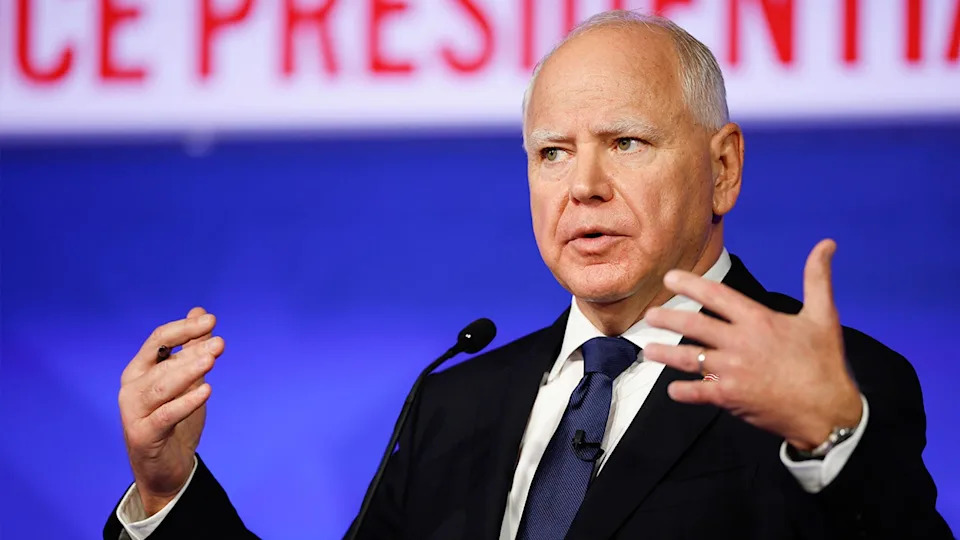
Minnesota Gov. Tim Walz met with Trump border czar Tom Homan as the administration reshuffled federal immigration leadership in the state.
At the same time, Minnesota state and local leaders — including Gov. Tim Walz and Minneapolis Mayor Jacob Frey — have publicly declined to assist in federal immigration enforcement. Legal analysts distinguish that hands-off posture from active state obstruction: refusal to help federal agents against private parties is protected by anti-commandeering principles, whereas state laws or actions that prevent federal officers from doing their jobs would raise Supremacy Clause concerns.
Groups of private citizens, such as Defend the 612, have organized “ICE watching,” using encrypted messaging to track enforcement activity and mobilize observers. Some demonstrations have targeted sensitive locations, including a disrupted church service involving an ICE field director; several participants were arrested and charged under a federal statute used to protect sensitive facilities.
The Department of Justice subpoenaed Gov. Walz, Mayor Frey and three others seeking information about whether they conspired to interfere with ICE operations, though no public finding has established state-led obstruction.
The administration has publicly noted the Insurrection Act — a rarely used legal tool that can authorize military assistance to enforce federal authority — as a theoretical option if unlawful obstruction by state actors or widespread insurrection were to occur. Most legal commentators emphasize this would be a last resort: invoking military force to enforce federal law is constitutionally fraught and historically reserved for extreme circumstances.
Key expert view: Legal commentator Jonathan Turley and others say that deliberate roadblocks or state-supported obstruction could justify extraordinary federal measures, but current protests, however intense, do not yet meet that threshold.
In short, experts say federal authority remains intact so long as the disturbances stem from private protesters rather than from active, state-sanctioned obstruction of immigration enforcement. Federal criminal charges and standard law-enforcement tools remain the principal response to unlawful interference.
Help us improve.