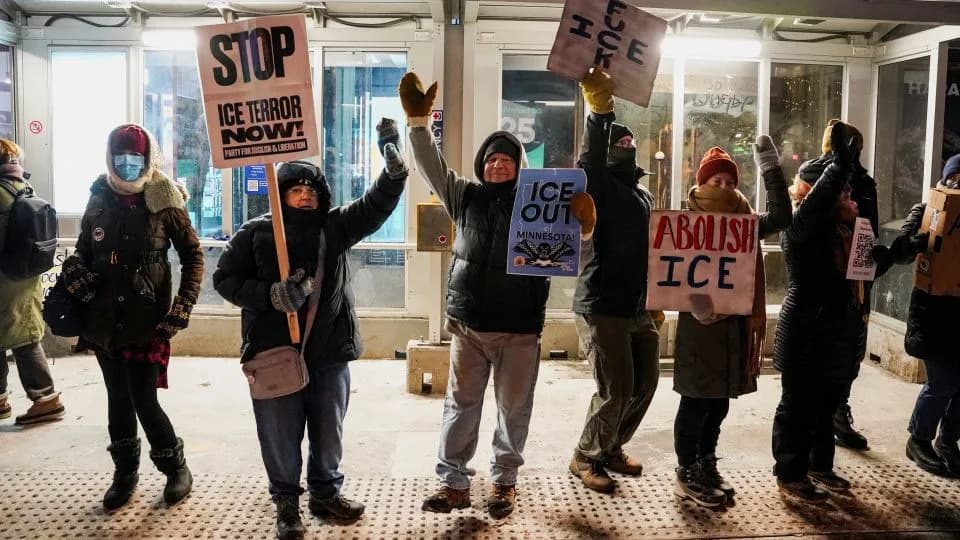
Federal prosecutors in Minnesota have charged more than 150 anti‑ICE protesters with offenses including obstruction, FACE Act violations and conspiracy, tied to actions during "Operation Metro Surge." Allegations range from interrupting a church service to blocking and assaulting federal officers; some charges carry penalties from fines to decades in prison depending on the statute and circumstances. Officials say the cases in Minnesota may serve as a model for pursuing similar prosecutions nationwide as immigration enforcement expands. Federal leaders warn that actions viewed as obstructive or violent will be investigated and may lead to further arrests.
From Protest to Felony: How Minnesota Anti‑ICE Actions Sparked Federal Charges — A Possible Template for Nationwide Enforcement
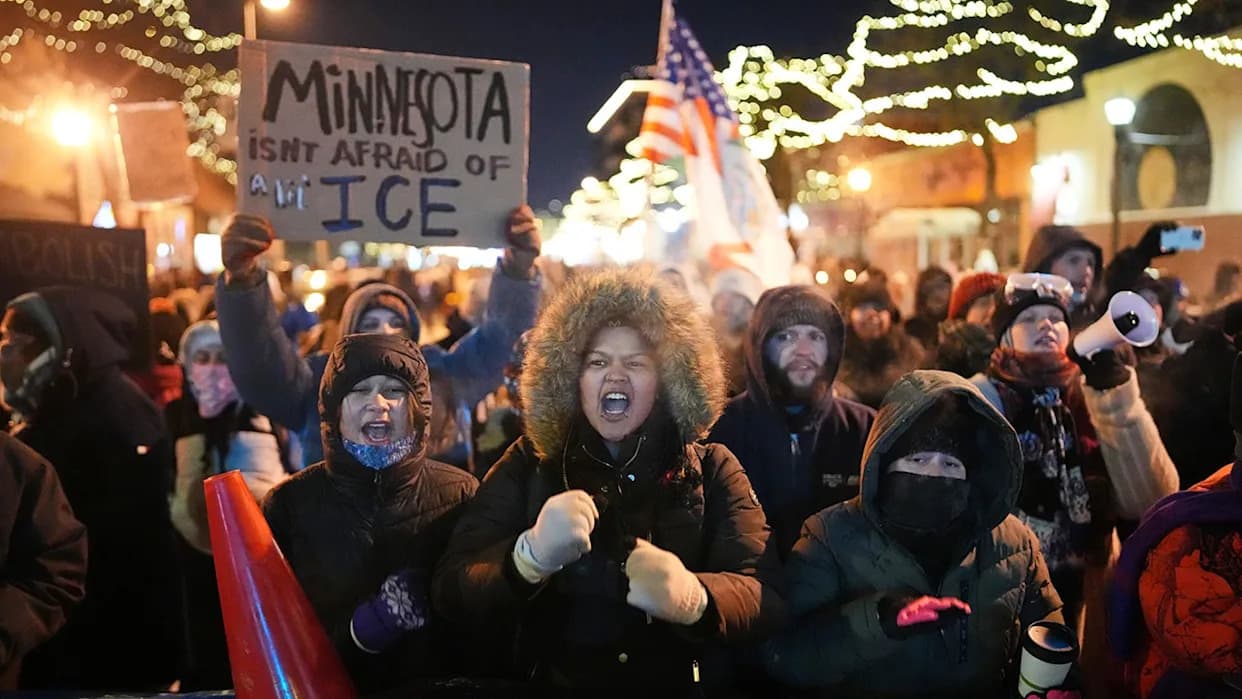
From protest to felony: the lines Minnesota anti-ICE agitators may be crossing
Federal prosecutors in Minnesota have charged more than 150 anti‑ICE protesters with offenses ranging from obstruction of federal agents to violations of the FACE Act and conspiracy counts. The cases — linked to the administration’s immigration enforcement campaign, "Operation Metro Surge" — carry penalties that can range from fines to multi‑year prison terms, and federal officials say they signal a broader approach that could be used in other states.
What Authorities Say Happened
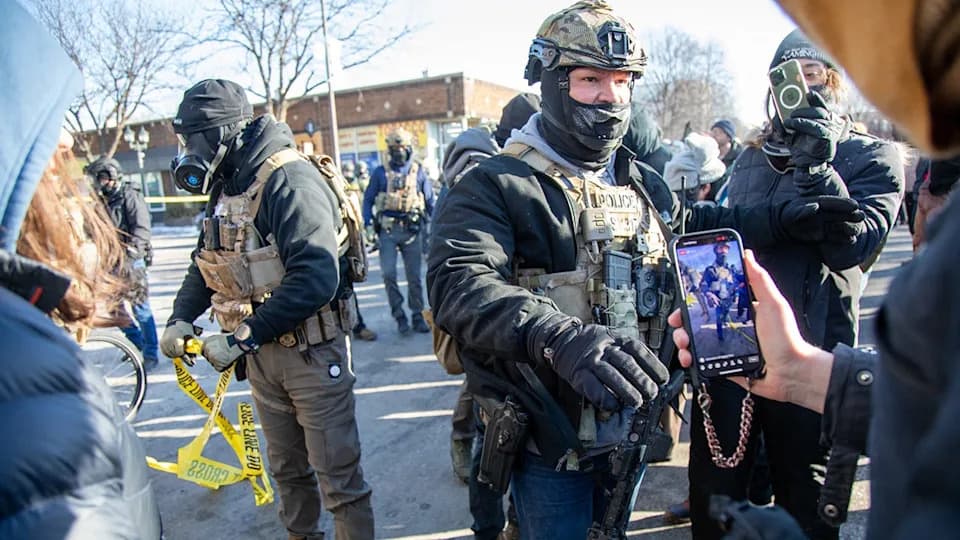
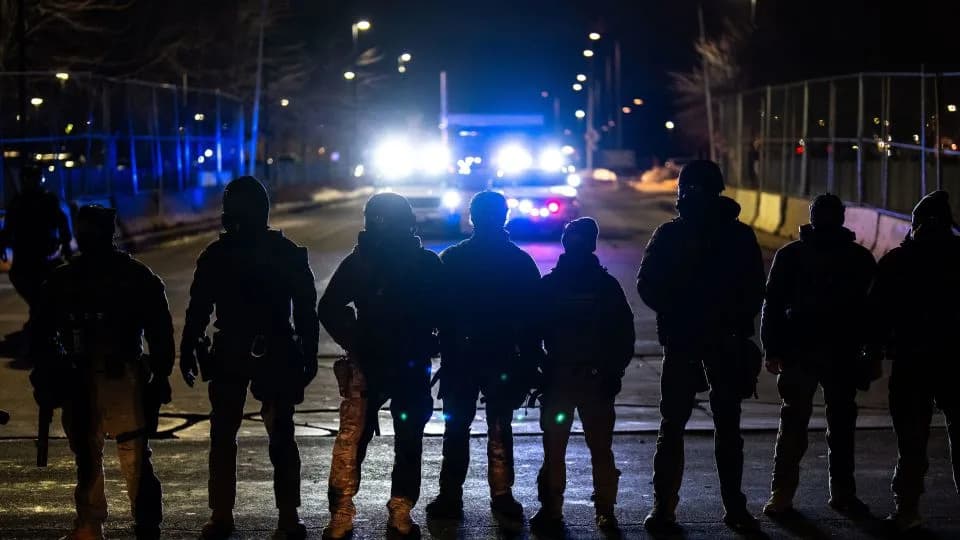
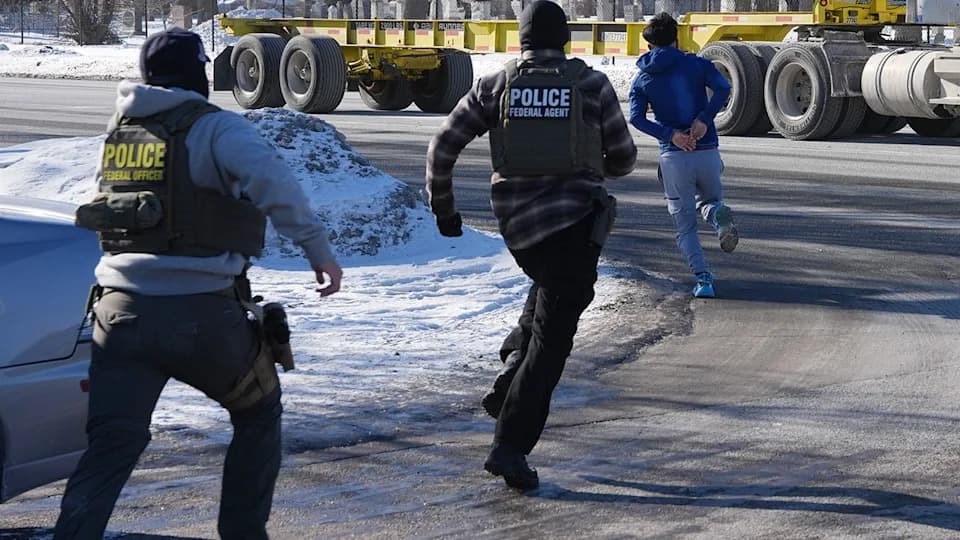
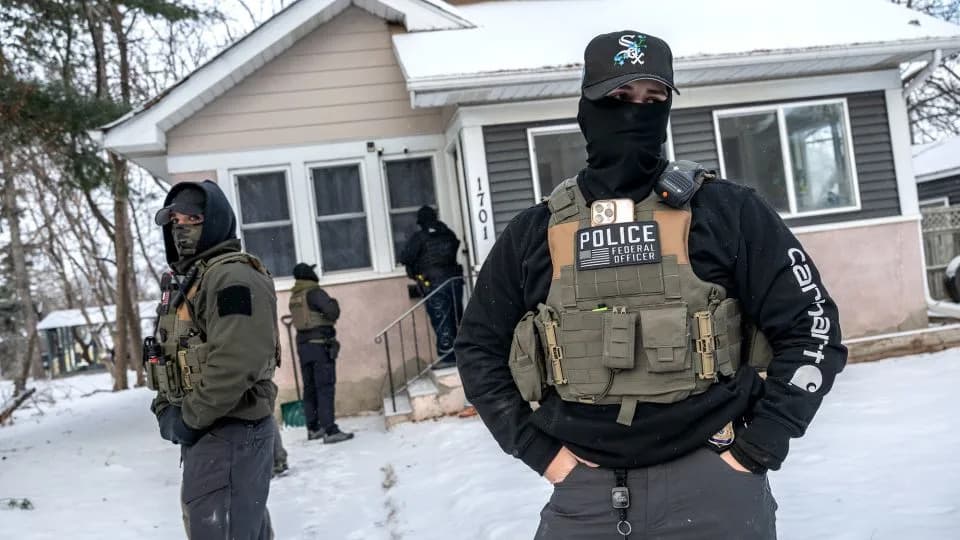
Arrests began after the deployment of roughly 3,000 ICE and other federal immigration officers to Minnesota as part of Operation Metro Surge. According to criminal complaints and indictments reviewed by news outlets, the alleged conduct includes interrupting a church service, blocking and attempting to restrict federal officers, spitting on personnel during an arrest, attempting to throw a brick at an officer, and using vehicles to "box in" immigration agents. One complaint says a suspect followed Customs and Border Protection agents in a van and then approached an agent while holding a baseball bat.
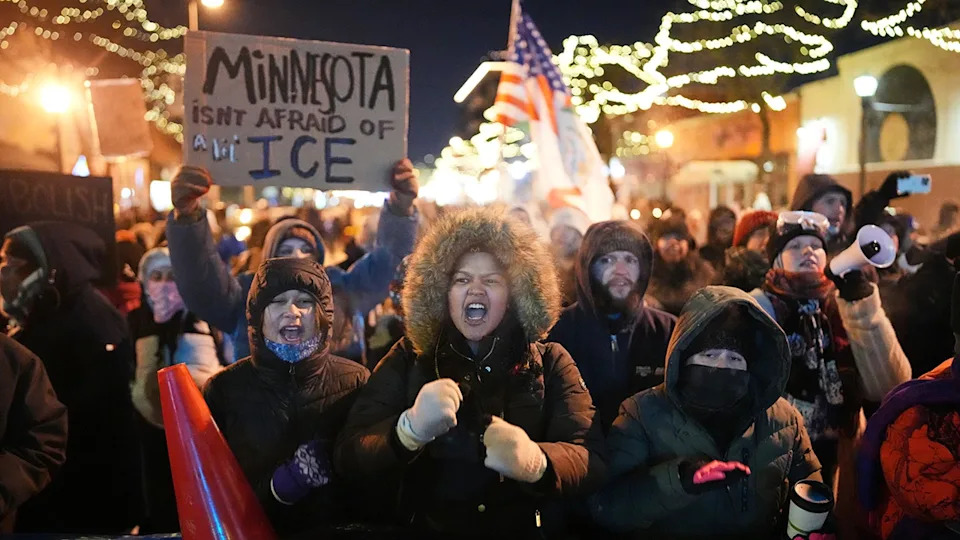
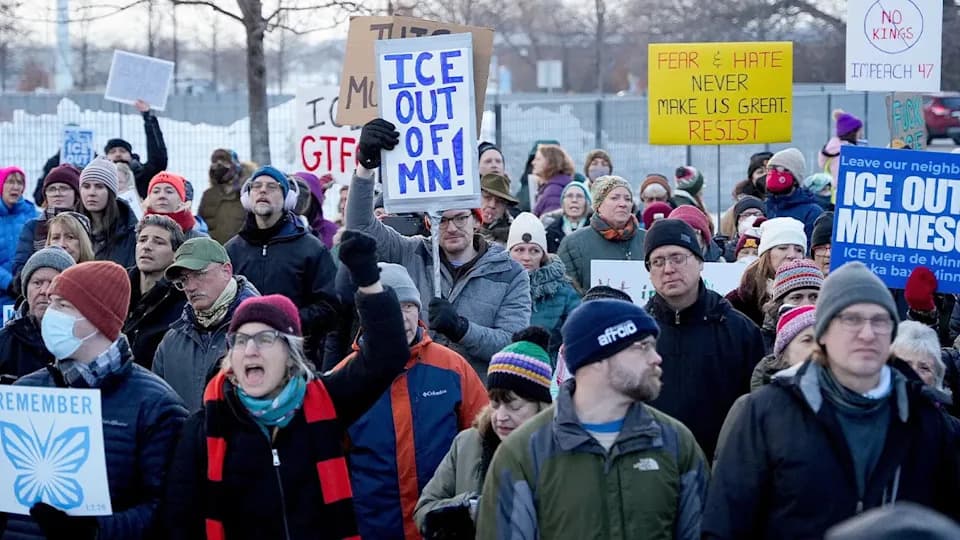
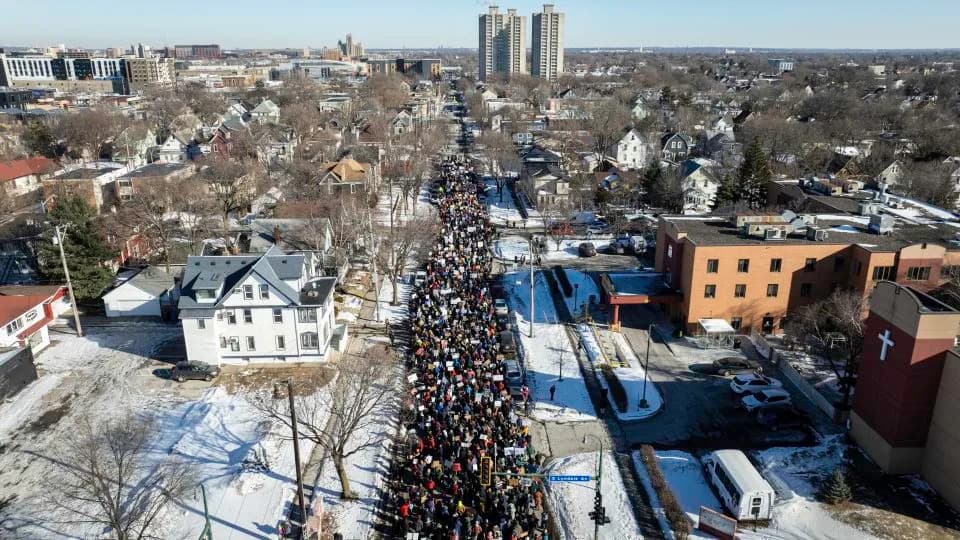
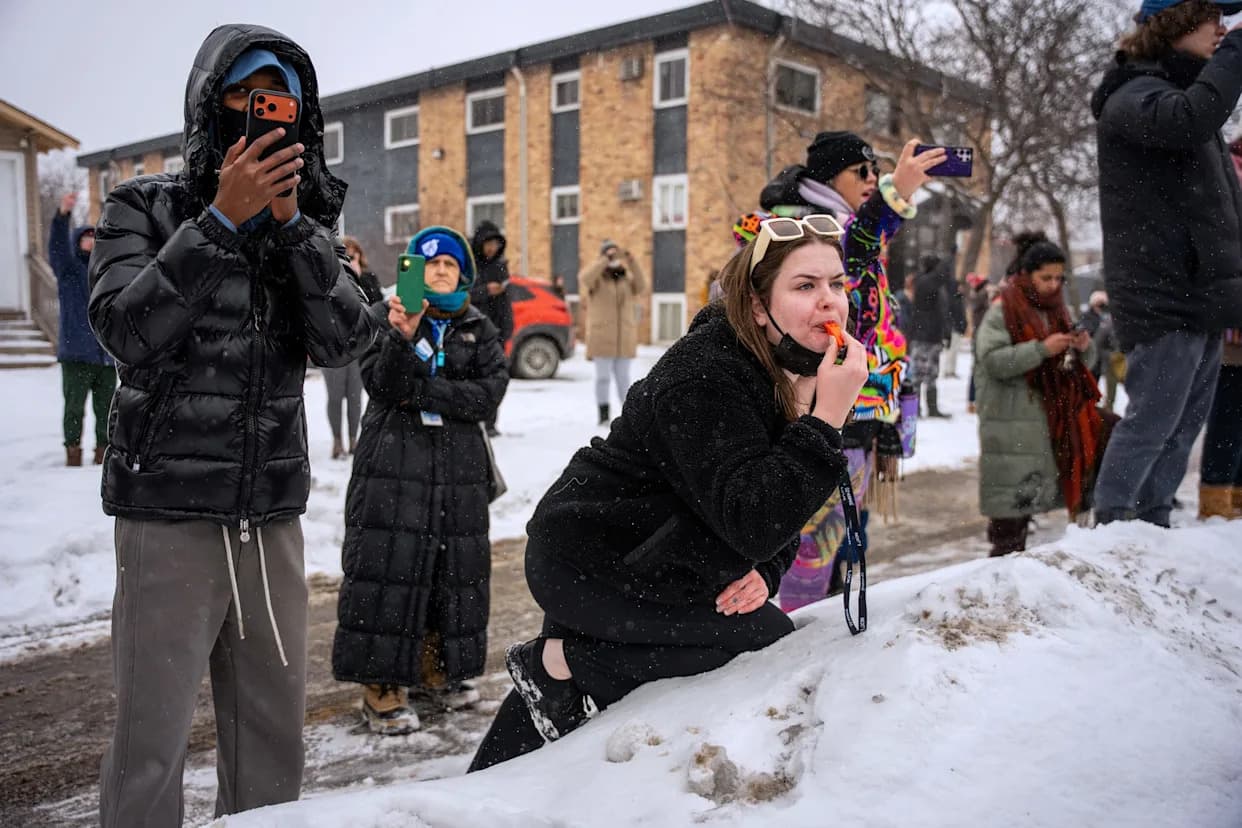
Protesters chant and bang on trash cans during a protest in response to the death of 37-year-old Alex Pretti. (Adam Gray/AP Photo)(AP Images)
Charges and Potential Penalties
Prosecutors have filed charges under statutes including the Freedom of Access to Clinic Entrances and FACE Act (when allegations involve interfering with a place of worship), 18 U.S.C. § 111 (assaulting or impeding federal officers), and conspiracy counts tied to alleged efforts to violate constitutional rights. Convictions can result in fines and prison terms; 18 U.S.C. § 111, for example, carries penalties from one year up to 20 years depending on whether a dangerous weapon was used or bodily injury occurred. Additional counts can increase potential sentences.
Notable Arrests
Attorney General Pam Bondi announced the arrests of 16 Minnesota protesters she said were accused of resisting and impeding federal agents. Separately, nine people — including two individuals identified as journalists — were charged over an anti‑ICE protest at Cities Church in St. Paul, where video footage reportedly shows participants chanting and interrupting a service. The church‑related indictments allege FACE Act violations and conspiracies to violate individuals’ constitutional rights.
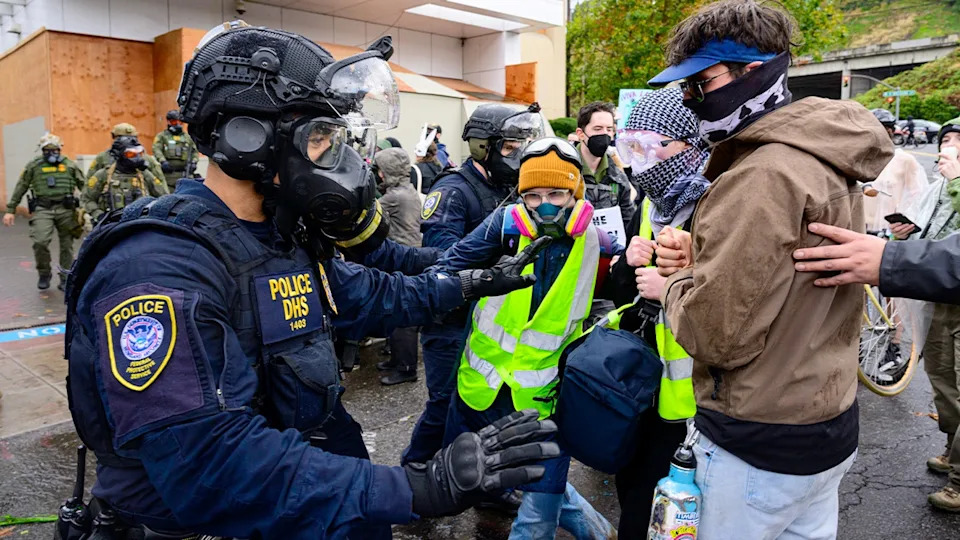
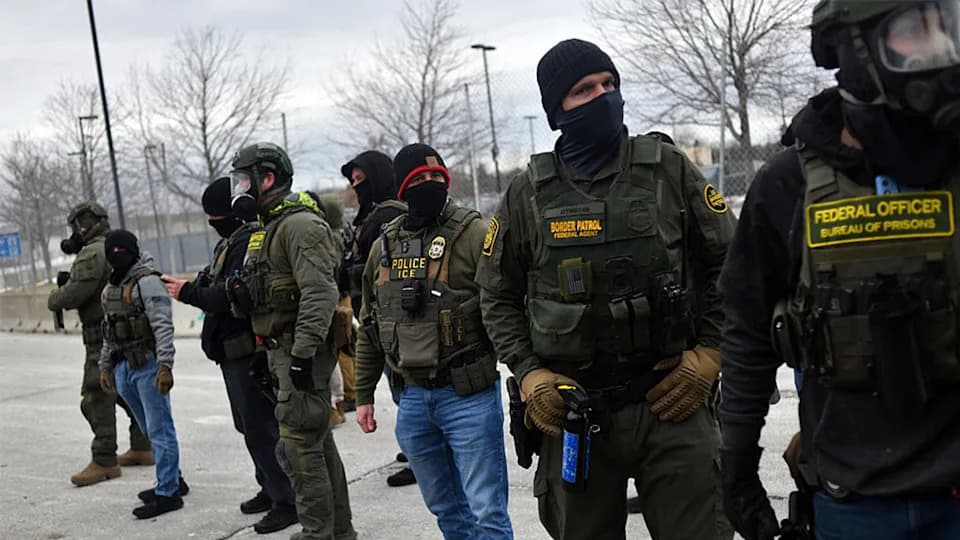
Federal agentsconfrontanti-I.C.E. protesters outside the U.S. Immigration and Customs Enforcement building on Oct. 12, 2025, in Portland, Oregon.
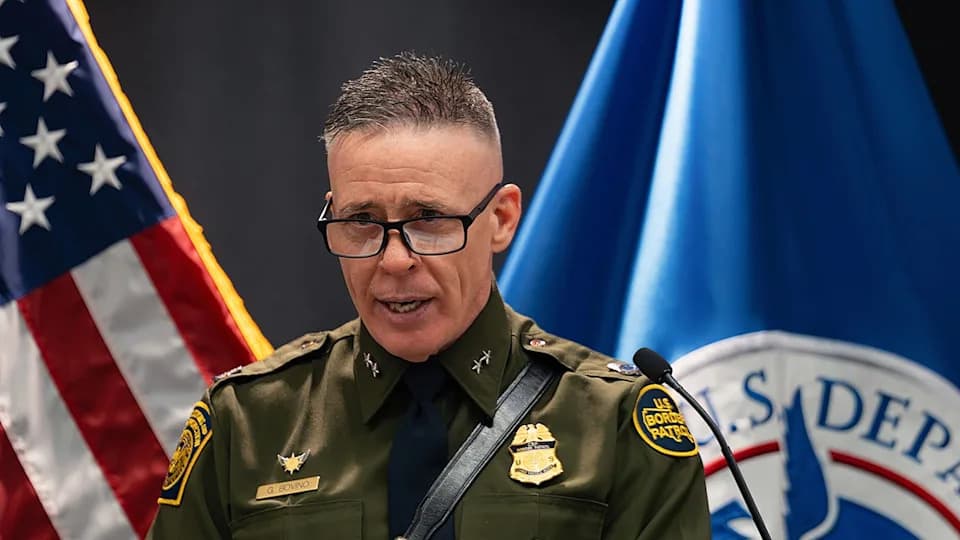
"We expect more arrests to come," Attorney General Pam Bondi said. "Nothing will stop President Trump and this Department of Justice from enforcing the law," she added.
John Condon, acting director of Homeland Security Investigations, emphasized that "obstruction, assault and impeding are not protected under the disguise of protesting," underscoring federal officials' intent to pursue cases when they believe laws have been broken.
Broader Context and Next Steps
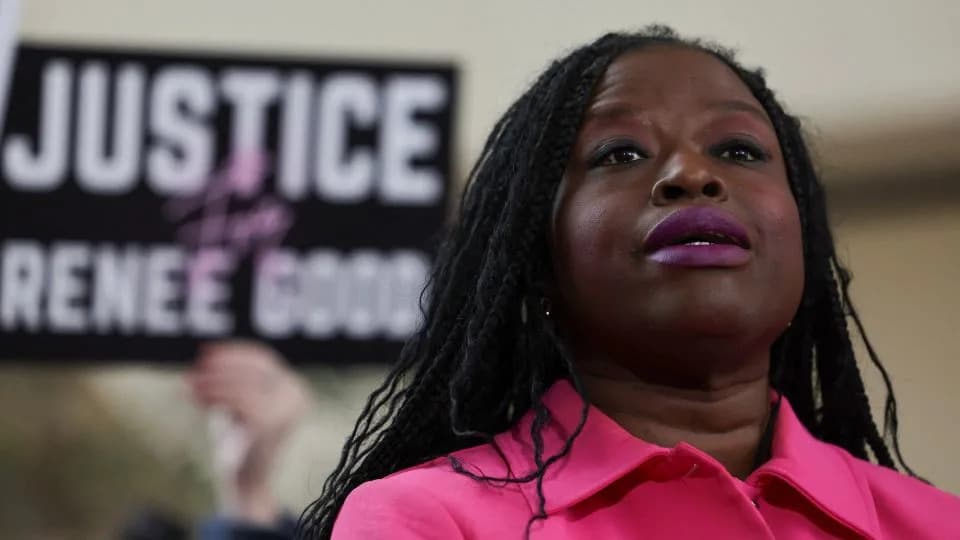
Minnesota has become a flashpoint as tensions rose after the deployment of federal officers and following high‑profile fatal encounters with federal agents that drew further public attention. Officials said the administration would reduce the Minnesota deployment by 700 officers contingent on evolving local conditions, with roughly 2,000 officers expected to remain for the near term.
Federal authorities have warned that a range of protest behavior documented by reporters and on social media — including blocking access roads, demanding federal officers reveal identities before acting, or surveilling and publishing officers’ movements — could be subject to criminal investigation if it crosses into obstruction, intimidation, or other unlawful conduct.
What This Means
The Minnesota prosecutions are being watched as a potential template for how the Justice Department might respond to similar anti‑ICE protests elsewhere. Advocates for protesters warn against criminalizing lawful dissent, while federal officials say they will pursue prosecutions for actions that interfere with law enforcement or the rights of others.
Help us improve.