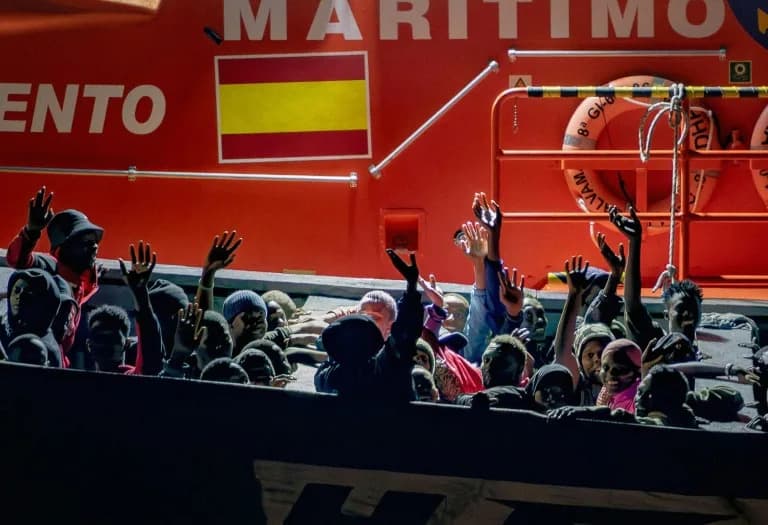
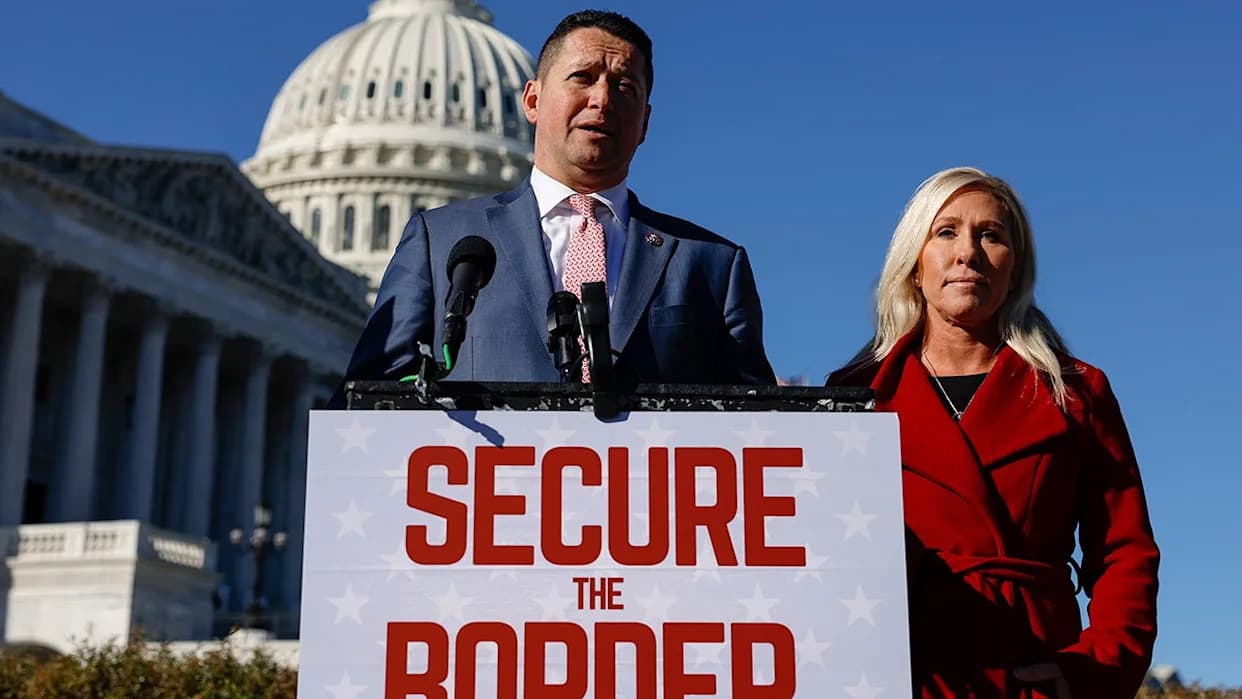
Argentina is moving to create a migration security agency within the Security Ministry that would combine police powers and criminal-intelligence capabilities to strengthen border control. Officials say the agency will prioritize criminals linked to illegal migration, not the "persecution of migrants." The National Directorate of Migration was moved to the Security Ministry in November, and the plan includes consolidating fragmented functions, boosting deportations of criminal offenders and conducting joint operations with federal forces. Additional 2025 reforms propose stricter residency rules and changes to health and student-fee policies for foreigners.
Argentina Moves to Create Migration Security Agency With Police Powers — Officials Say It Will Target Criminals, Not Migrants

National Security Minister Alejandra Monteoliva said Wednesday that her ministry is advancing the immigration project as “a structure with police powers, criminal intelligence and an effective presence at every border.” File Photo by Juan Pablo Pino/EPA
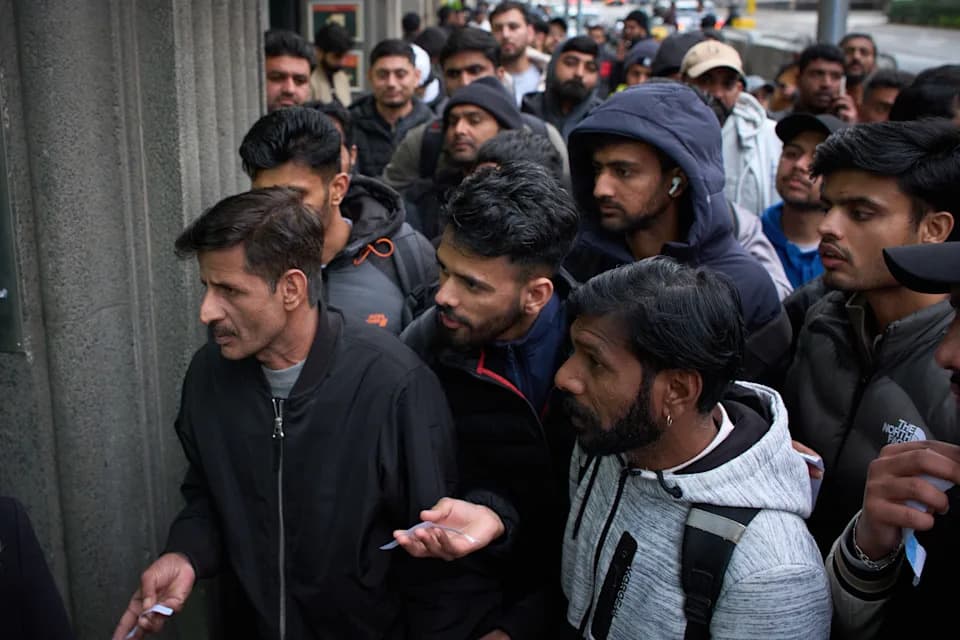
The Argentine government is advancing plans to create a new migration security agency that would give migration control expanded operational autonomy, police powers and criminal-intelligence capabilities. The proposal aims to reshape the current, largely administrative National Directorate of Migration into an enforcement-focused body with a stronger presence at Argentina's borders.
What Officials Say
National Security Minister Alejandra Monteoliva described the initiative as "a structure with police powers, criminal intelligence and an effective presence at every border." She stressed the agency's stated mission will be to pursue people who commit serious crimes rather than to "persecute migrants," telling Radio Mitre: "Those who should be worried here are those who commit crimes: murderers, rapists and terrorists."
Comparisons and Political Context
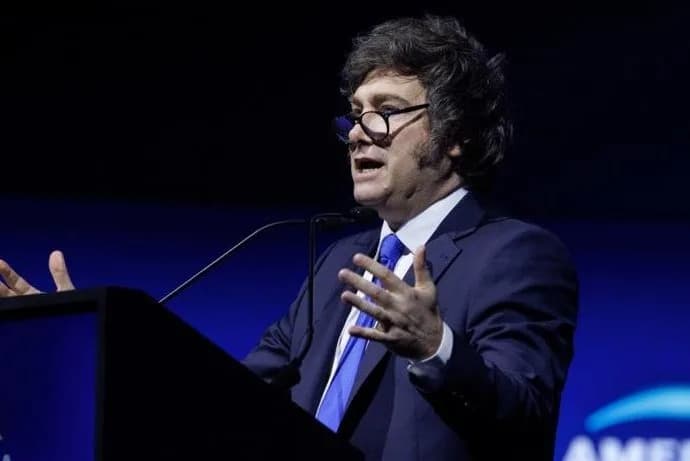
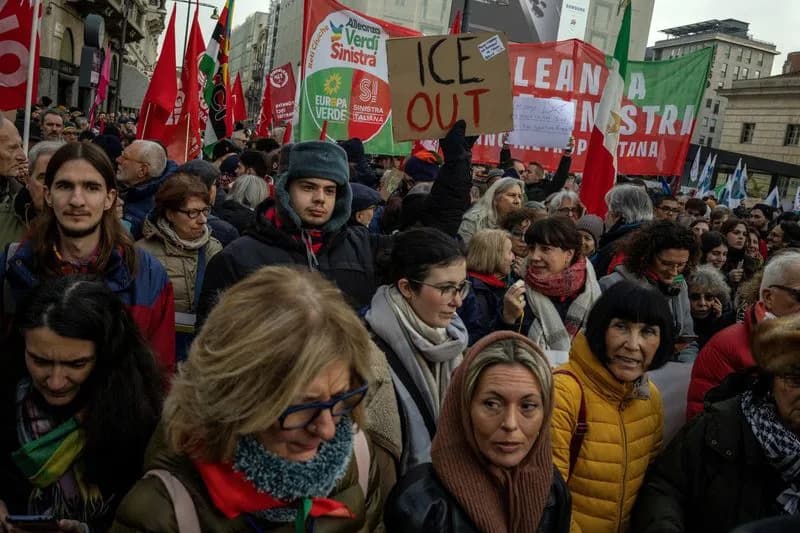
Local outlets have compared the plan to a so-called "Argentine ICE" — a reference to the U.S. Immigration and Customs Enforcement — though government officials have tried to differentiate the new body's mandate and methods from the U.S. model. Reporting by Perfil notes the rhetoric of international anti-immigration figures has influenced some members of La Libertad Avanza, the political bloc aligned with President Javier Milei, which supported migration-law changes in 2025.
Planned Functions and Powers
In November the executive branch transferred the National Directorate of Migration from the Interior Ministry to the Security Ministry and announced the intention to form this new agency. While the agency has not yet been formalized by decree, government statements and reporting outline several core functions:
- Stronger border control and management of migration flows, with an emphasis on security and internal order rather than purely administrative processing.
- Expanded authority to investigate and combat organized crime linked to irregular migration.
- Increased deportations of foreign nationals who commit crimes and the ability to participate in joint operations with federal security forces—actions that, officials say, exceed the current operational scope provided by existing law.
- Consolidation of migration- and border-related tasks currently spread across multiple agencies, intended to reduce overlap between civilian personnel and police at airports and crossings.
Other 2025 Migration Measures
Alongside the agency proposal, the executive branch announced additional migration-policy reforms in 2025, including stricter requirements for obtaining residency, elimination of free medical care for foreigners in public hospitals, and introduction of fees for nonresident foreign students.
Outlook and Open Questions
Key details remain unresolved: the exact legal framework, oversight mechanisms, judicial safeguards, and how the agency will balance enforcement with humanitarian and human-rights obligations. Critics warn such a shift could lead to rights concerns if safeguards are not explicit. Supporters argue it is needed to better address criminal networks that exploit irregular migration routes.
The government says the agency will focus on security threats and organized crime, but formalization by decree and legislative or judicial review will determine its final mandate, powers and oversight.
Help us improve.