The U.S. is transferring nearly 7,000 suspected ISIS detainees from northeast Syria to Iraqi prisons after a reported Jan. 20 mass escape and renewed security concerns. About 2,000 had arrived by Thursday. Iraq says it will prosecute many detainees, but rights groups warn courts were previously overwhelmed and raise questions about transparency, legal safeguards and reported abuse. Advocates are urging repatriation, family notification and access to counsel.
U.S. Transfers Nearly 7,000 Suspected ISIS Detainees to Iraq as Security and Fair‑Trial Fears Mount
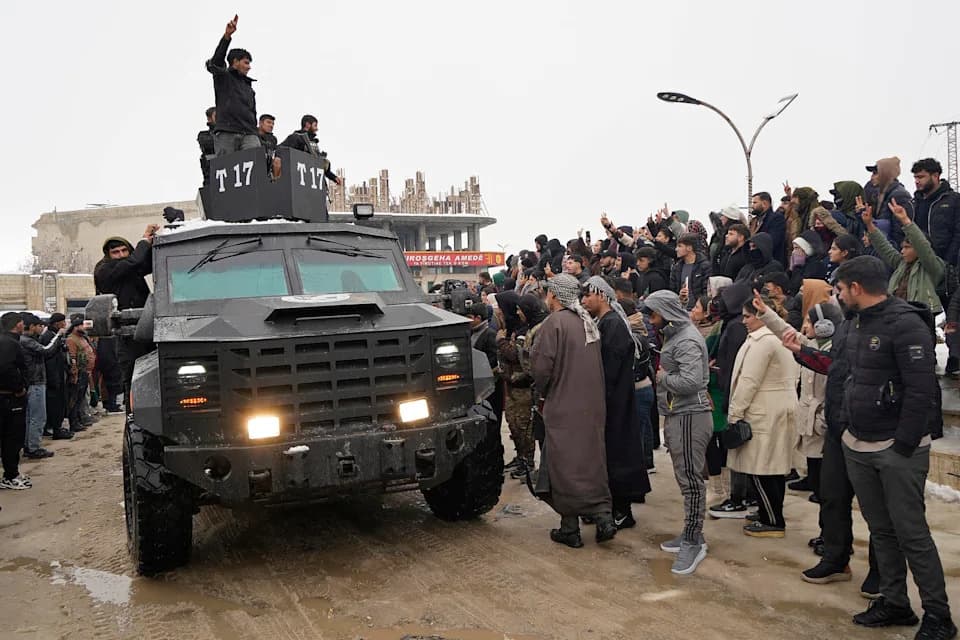
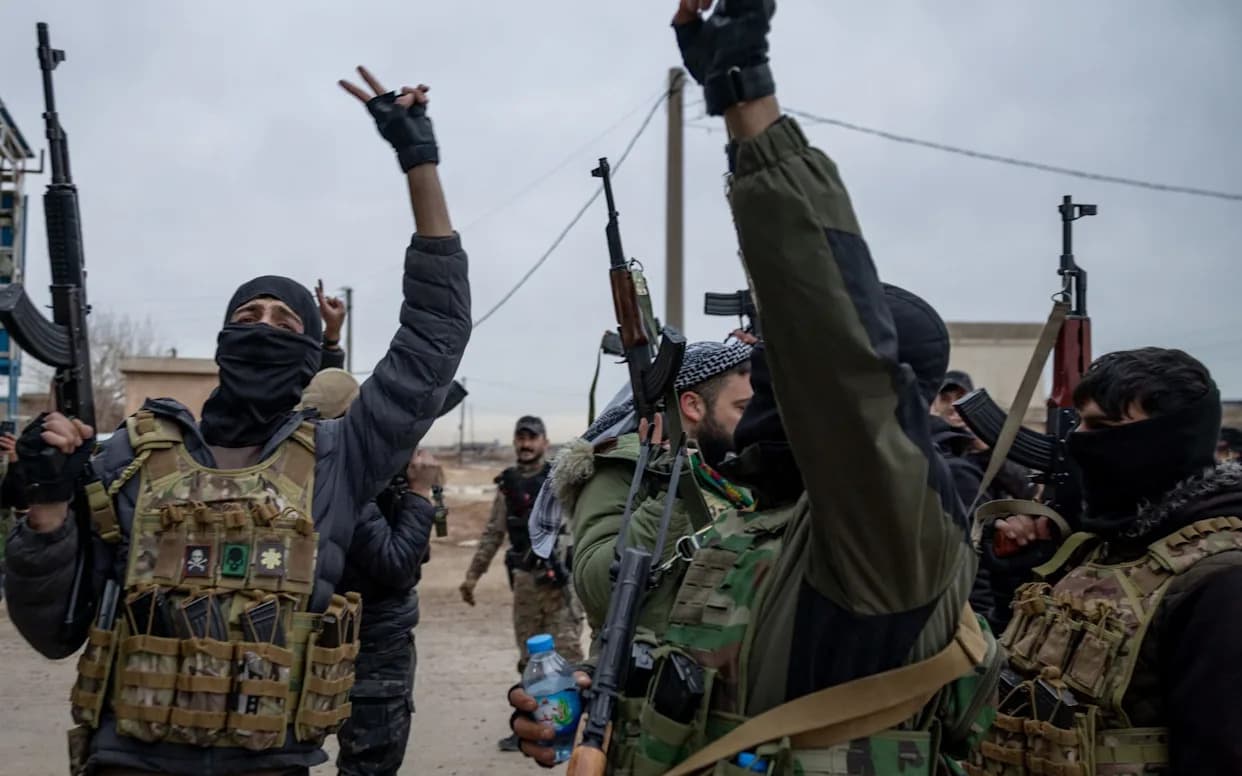
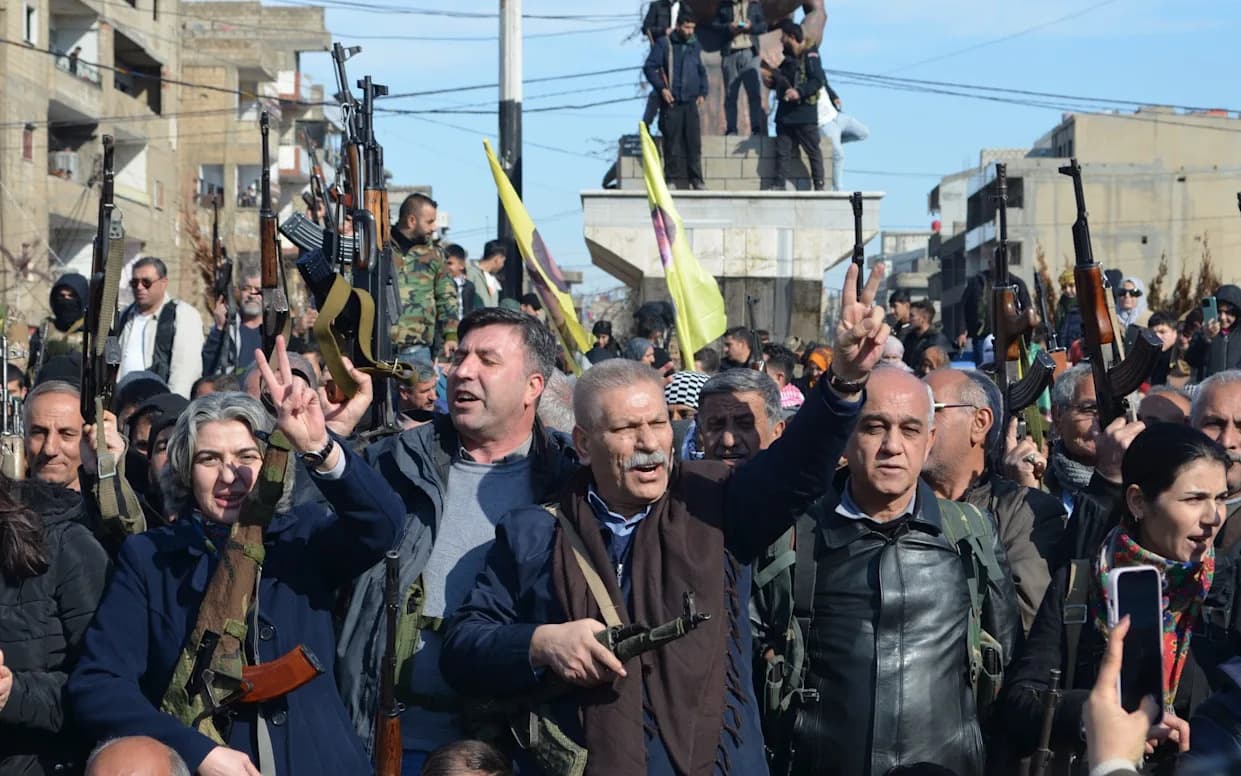
Members of the Kurdish Syrian Democratic Forces (SDF) arrive in the Kurdish-held city of Ain al-Arab, also known as Kobane, Jan. 23, 2026, after withdrawing from the Al-Aqtan prison in the Raqa province of Syria amid clashes with government forces. / Credit: AFP via Getty
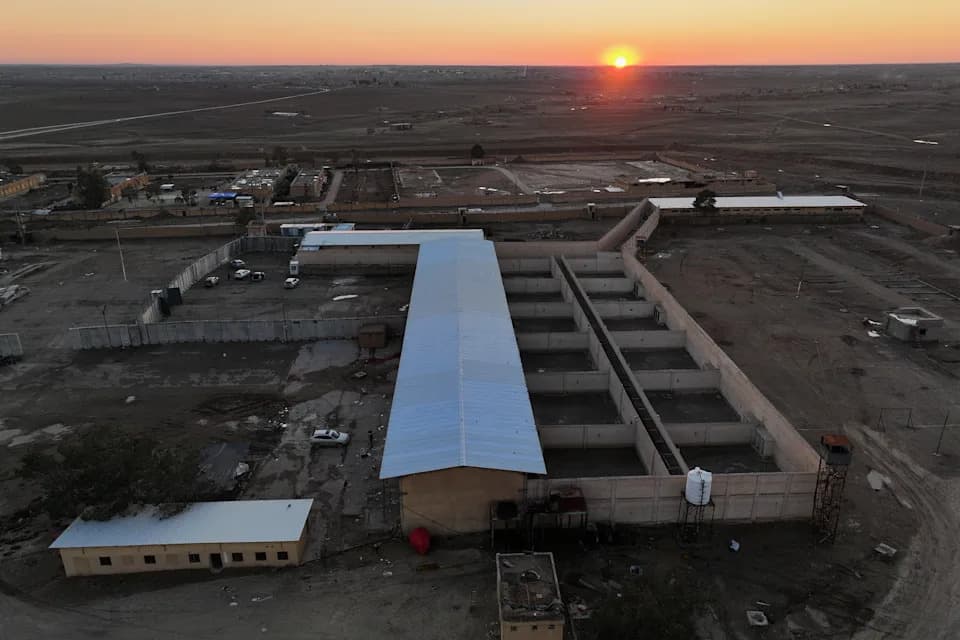
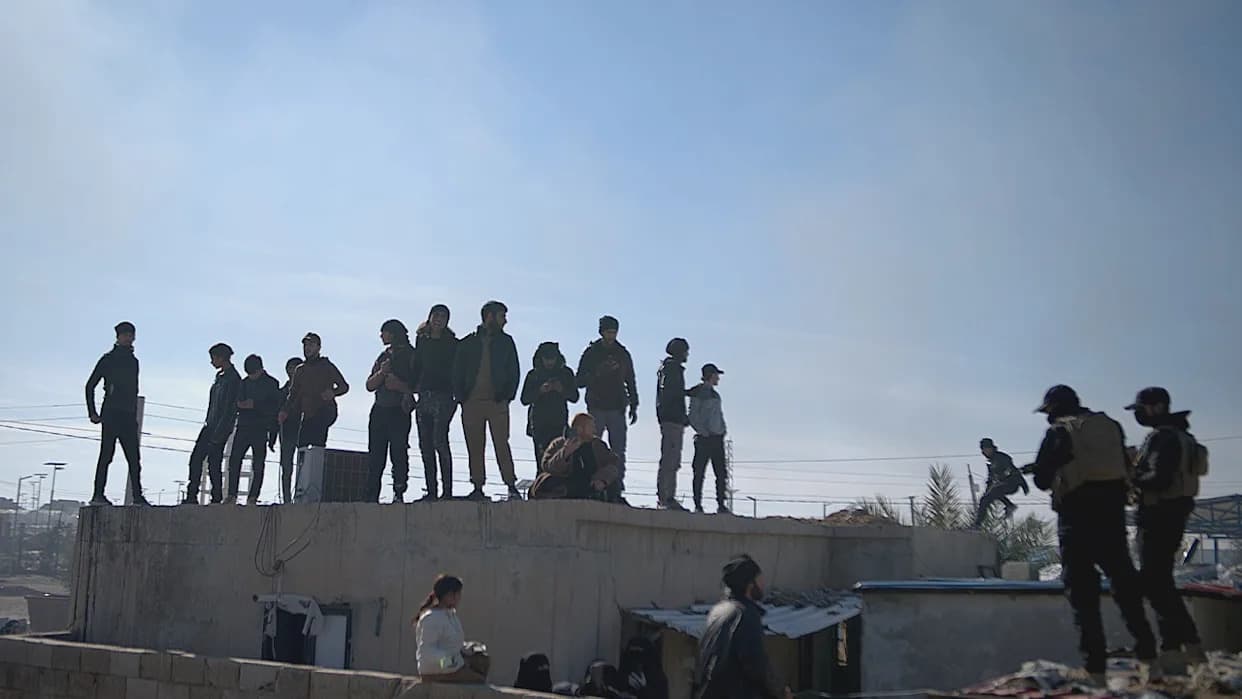
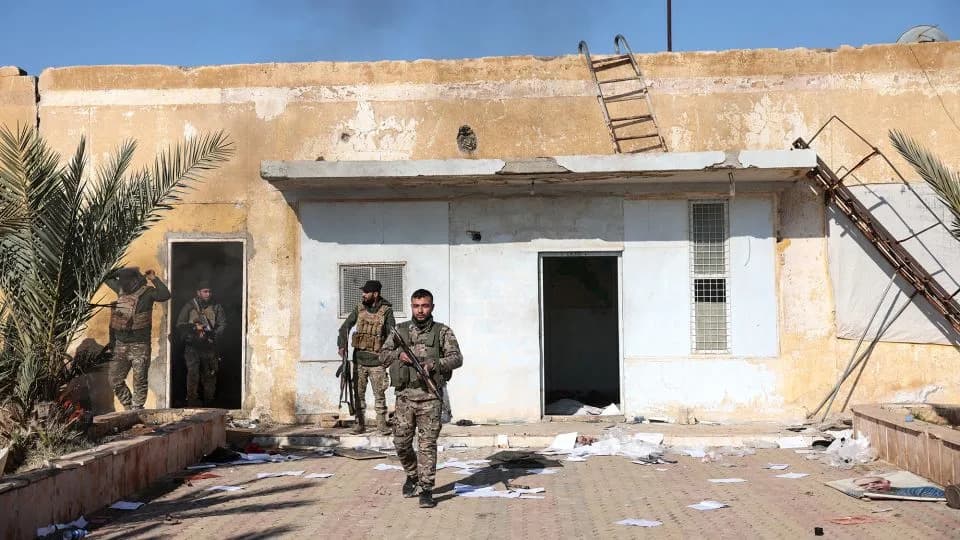
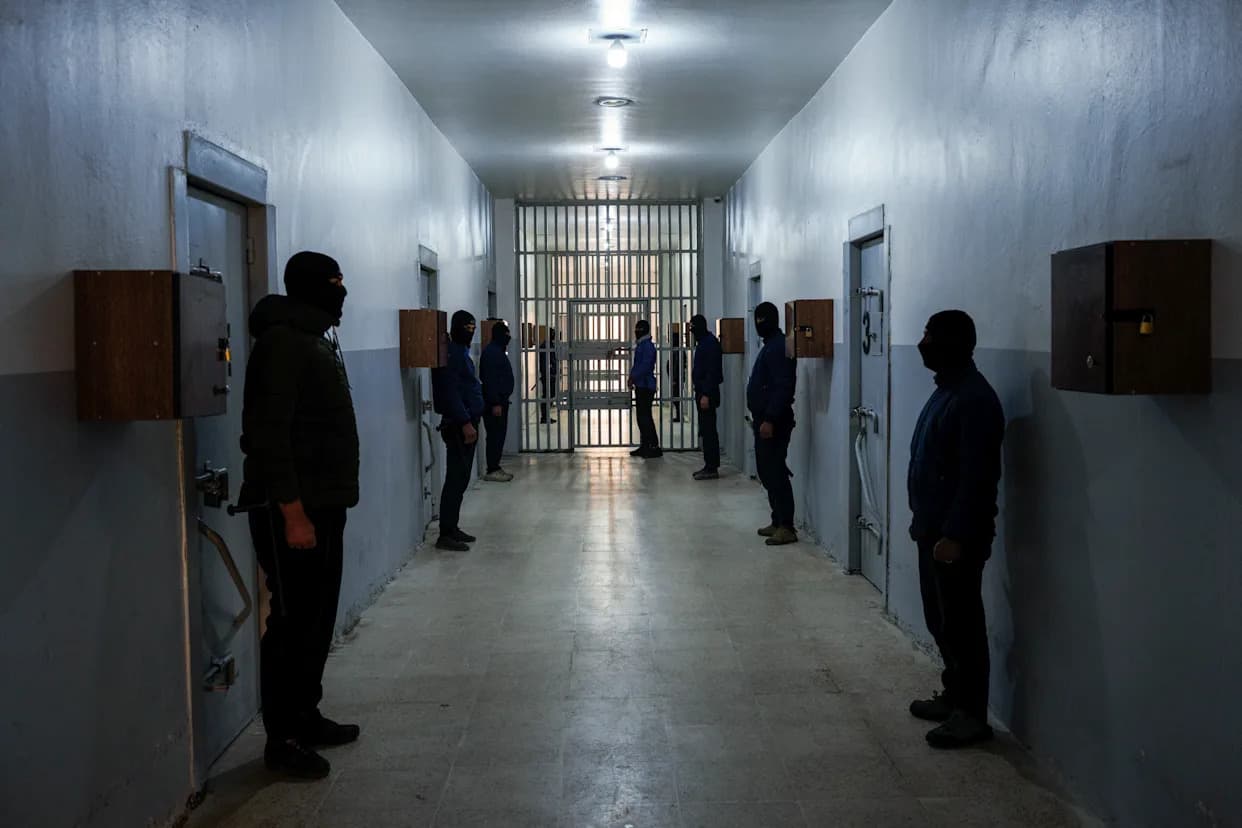
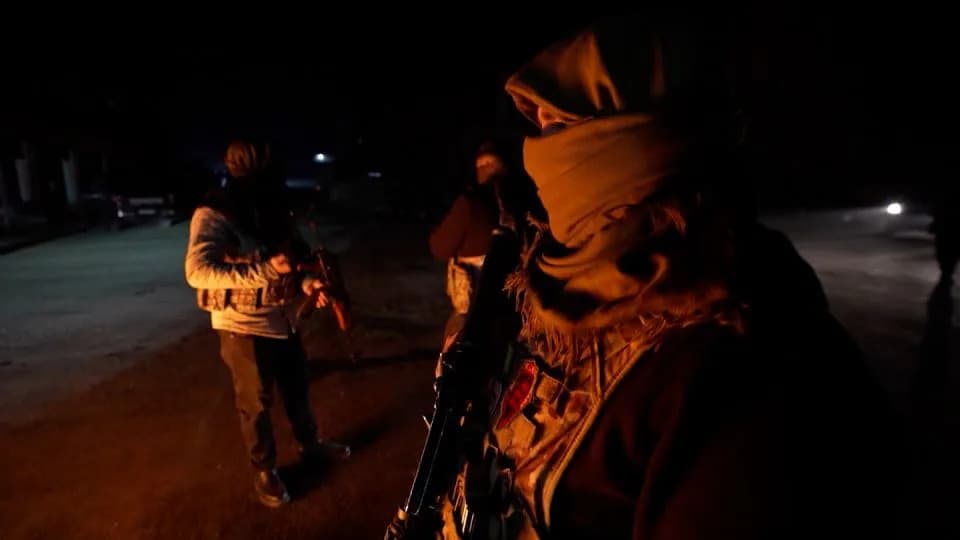
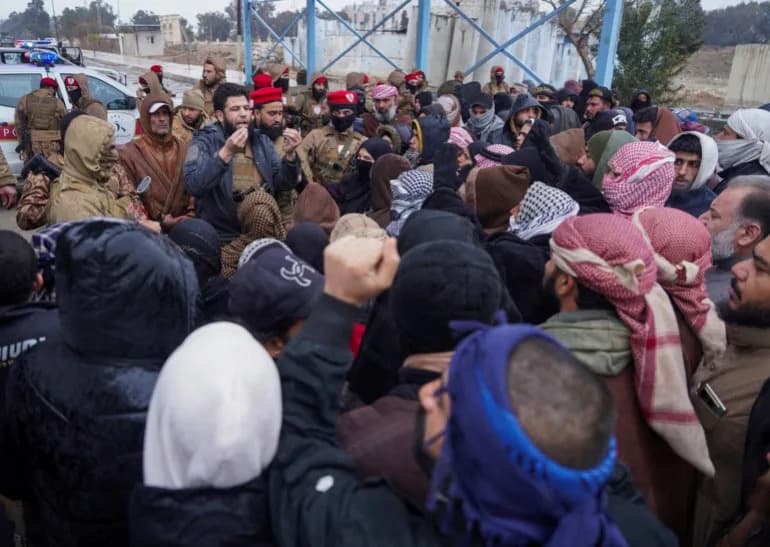
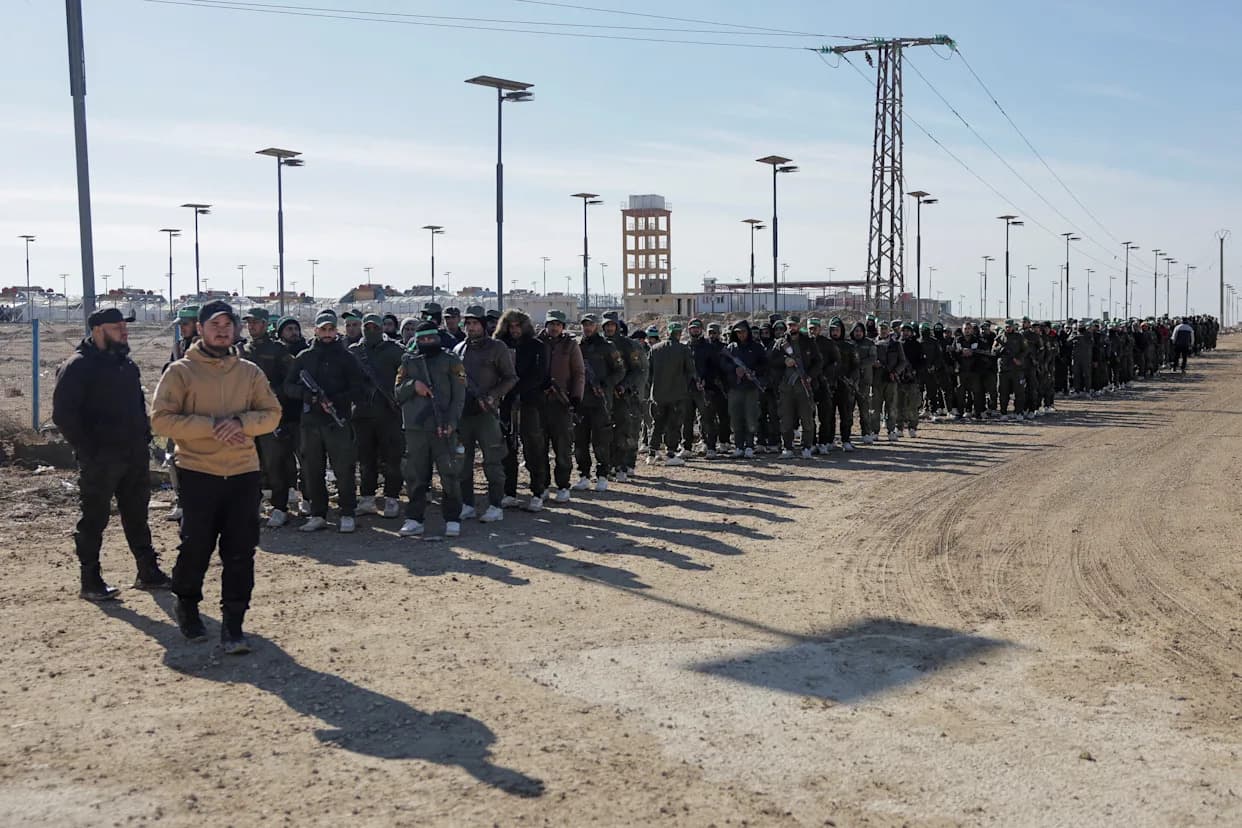
Erbil, Iraq — The U.S. military is transferring nearly 7,000 people suspected of links to ISIS from prisons and detention centers in northeast Syria into facilities inside Iraq, an operation driven by security concerns after a reported mass breakout at one Syrian detention center and growing unease about the detainees' fate.
An Iraqi security official told CBS News that by Thursday almost 2,000 detainees had already been moved into Iraq. Baghdad has said many of the transferred prisoners could face prosecution in Iraqi courts.
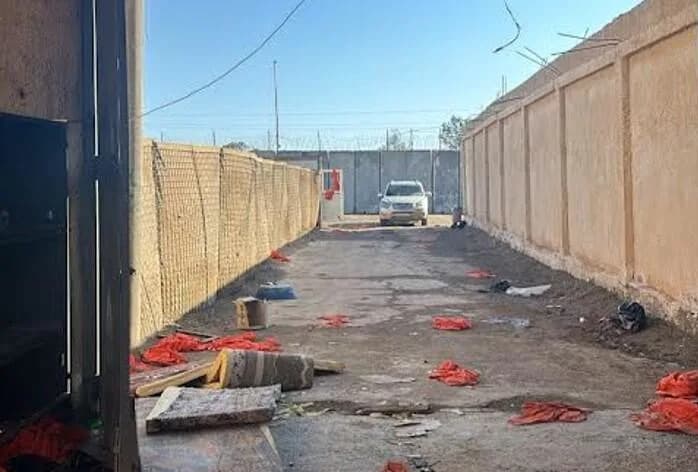
In late January, Syria’s Defense Ministry announced a 15-day extension of a ceasefire that had largely halted fighting between government forces and Kurdish-aligned units in the northeast. Officials said the extension was intended to give the U.S.-led coalition time to complete the transfers after a reported mass escape from a facility on Jan. 20.
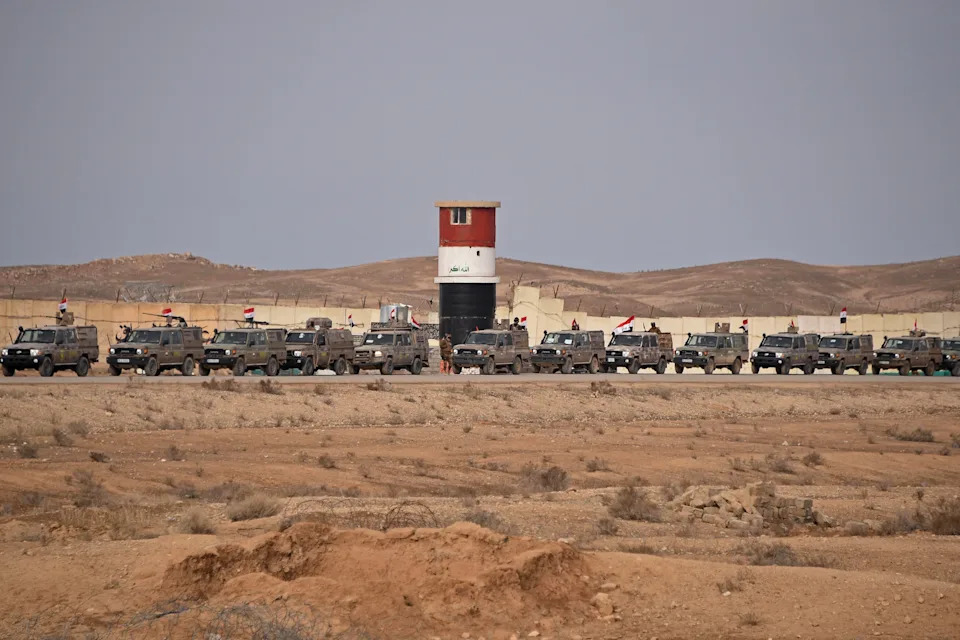
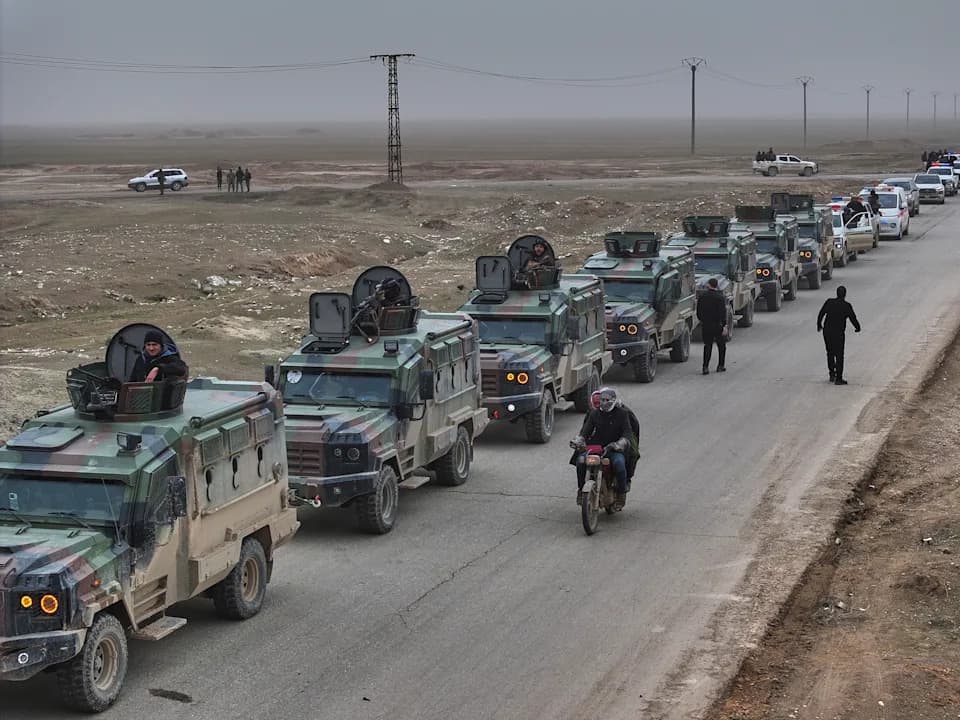
Iraqi border security forces patrol in armored vehicles along the border with Syria, in Sinjar district, northern Iraq, Jan. 22, 2026, amid unrest in Syria that left security at prisons and jails holding ISIS detainees in the country's northeast uncertain. / Credit: Zaid AL-OBEIDI/AFP/Getty(Zaid AL-OBEIDI/AFP/Getty)
Since the start of the international campaign against ISIS in 2014, the U.S.-backed Syrian Democratic Forces (SDF) have played a central role in defeating the group's territorial control, culminating in the collapse of its self-declared caliphate in 2019. Thousands of suspects were detained in SDF- and coalition-guarded prisons across northeast Syria; recent clashes and a breakdown of local security prompted Washington and allied partners to move detainees to facilities in Iraq that Iraqi officials say are better secured.
Concerns about the transfers center on transparency, legal safeguards and what will happen to foreign nationals among the detainees. U.S. Senator Marco Rubio and other officials urged countries of origin to repatriate their citizens rather than leave them in prolonged detention abroad.
Iraq’s Position and Judicial Capacity
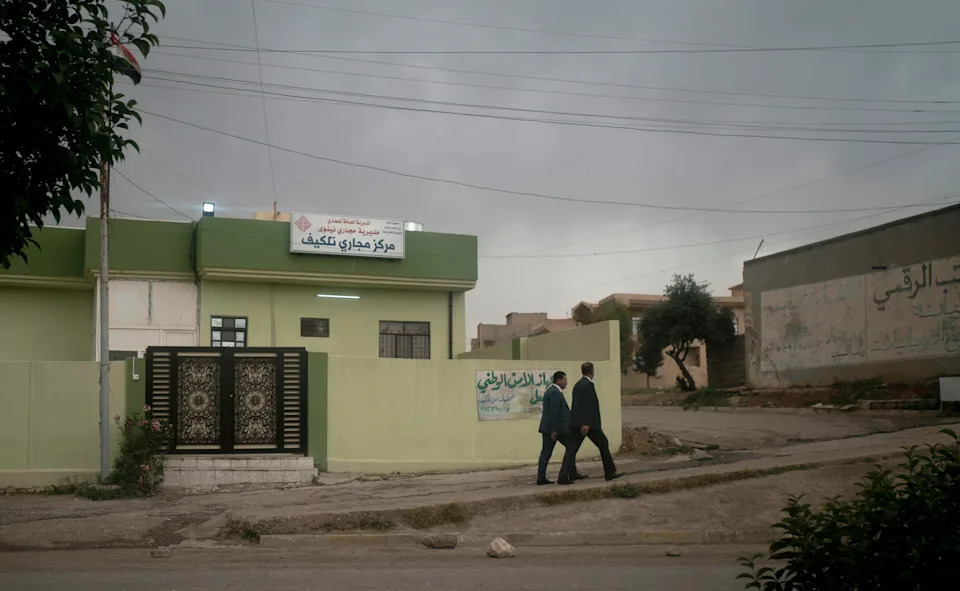
An April 26, 2018 file photo shows defense lawyers leaving the Nineveh Criminal Court, one of two counterterrorism courts in Iraq where suspected ISIS militants and their associates were tried, in Tel Keif, Iraq. / Credit: Maya Alleruzzo/AP
Iraq’s President of the Supreme Judicial Council, Judge Dr. Faiq Zidan, said on Jan. 23 that Iraq is prepared to try both Iraqi and foreign suspects, promising proceedings “in accordance with national laws and international obligations” and pledging fair trials. Baghdad has also tightened border security with Syria and prepared detention sites to prevent further mass escapes.
But human-rights organizations and legal experts warned that Iraq’s courts were already strained when they processed large numbers of terrorism-related cases after ISIS’s defeat. Sarah Sanbar, a researcher with Human Rights Watch, told CBS News that the judiciary was “completely overwhelmed” during the previous wave of prosecutions and cautioned that systemic problems persist.
“We don’t even know who is being transferred,” Sanbar said, urging Iraqi and coalition authorities to disclose detainee identities, inform families and ensure access to legal counsel.
Between January 2018 and October 2019, the U.N. mission in Iraq reported that Iraqi courts processed more than 20,000 terrorism-related cases. Human Rights Watch and Amnesty International estimate roughly 8,000 people are on death row in Iraq, including non-Iraqi citizens; several reports in 2019 said foreign nationals, including some Europeans, received death sentences in mass terrorism trials.
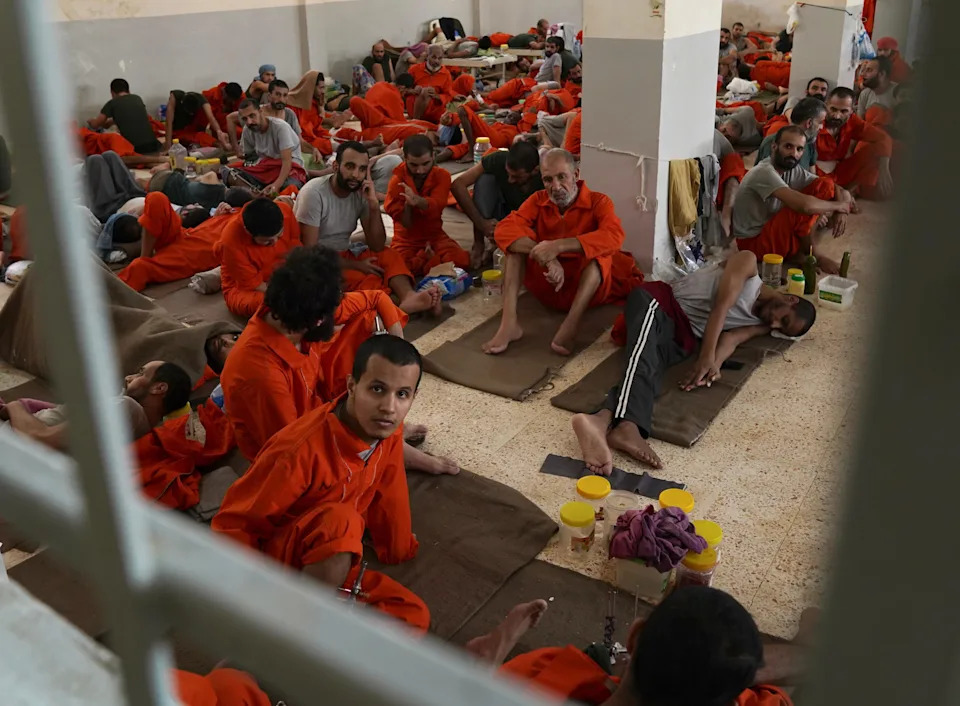
Dozens of suspected ISIS militants sit in a crowded cell at a prison run by the U.S.-backed Syrian Democratic Forces (SDF) militia in northeast Syria, in a September 2019 file photo. / Credit: CBS News
The Iraqi National Center of Justice and International Judicial Collaboration disputed allegations of systemic abuse, saying in a statement to CBS News that the judiciary rejects torture and that confessions obtained under coercion are criminal under Iraqi law. The center added that specialized judges preside over terrorism cases within a legal framework that guarantees defense rights and appeals.
As transfers continue, rights groups and legal advocates are pressing for transparency — a full accounting of who has been moved, timely notification for families, and guaranteed access to lawyers — and for countries of origin to take responsibility for their nationals rather than abandoning them to protracted detention or potentially opaque prosecutions abroad.
Officials in Baghdad say they are in contact with several countries about the transferred detainees but have not publicly identified those governments or provided a detailed breakdown of detainee nationalities.
Help us improve.