Researchers at the University of Bradford trained a deep transfer-learning model on authenticated Raphael paintings to recognize the master's stylistic signatures. The AI achieved roughly 98% accuracy distinguishing Raphael from non-Raphael works and, after analyzing individual faces in Madonna Della Rosa, concluded the face of St. Joseph was almost certainly not by Raphael. The model cannot name the alternative painter, but the result supports long-held scholarly suspicions that a workshop assistant completed that element. The study highlights how AI can complement pigment analysis, provenance research and connoisseurship in art authentication.
AI Study Finds One Face in Raphael’s Madonna of the Rose Was Likely Painted by a Pupil
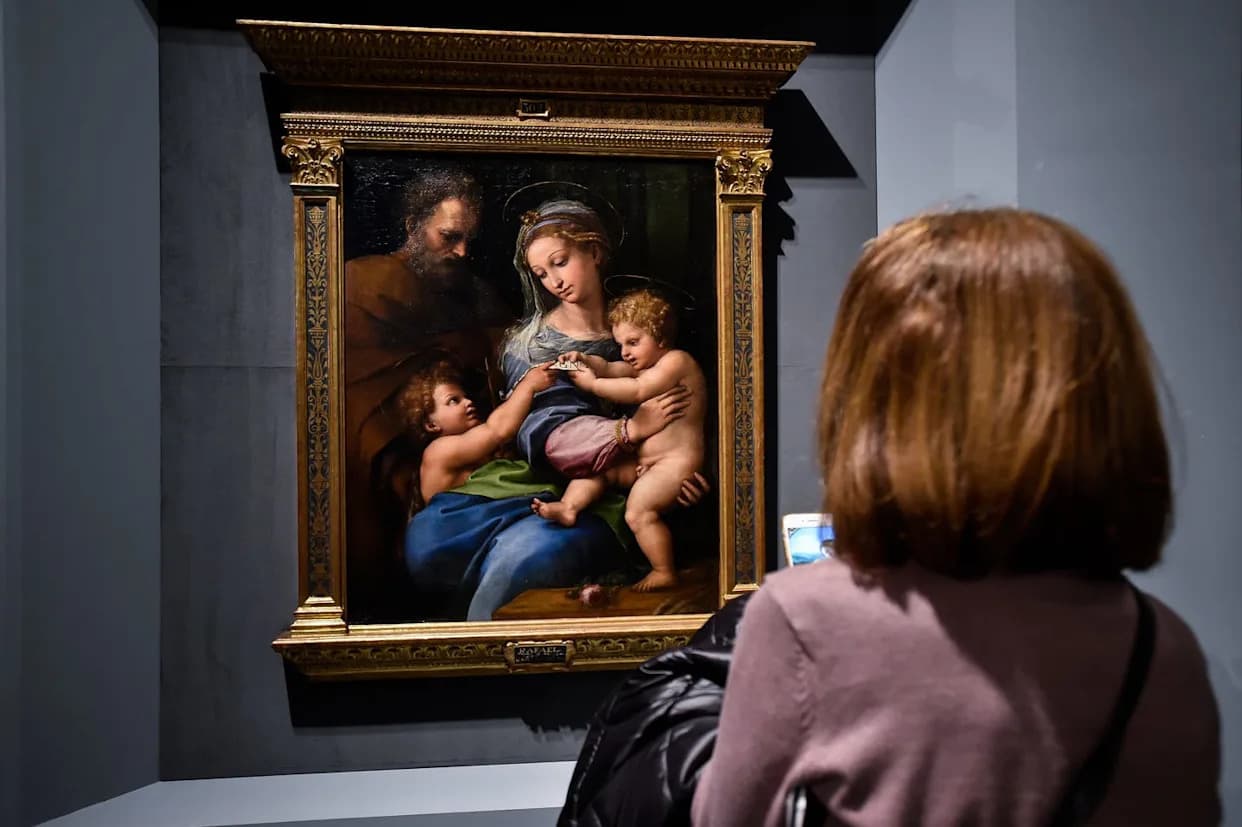
Someone May Have Helped Raphael Paint a MasterworkMondadori Portfolio - Getty Images
For centuries Raphael’s Madonna Della Rosa (Madonna of the Rose) was accepted as the work of the High Renaissance master Raffaello Sanzio da Urbino. The painting’s graceful figures — the Madonna, the Christ Child and an infant St. John — have long been celebrated as exemplary of Raphael’s luminous style. But since the 19th century, scholars have noted a stylistic oddity: the shadowed face of St. Joseph on the left looks materially different from the others.
New Computational Evidence
Computer scientist Hassan Ugail of the University of Bradford developed a deep transfer-learning model that combines convolutional neural networks with image-boundary detection to learn the fine stylistic signatures of Raphael’s hand. Trained on authenticated Raphael works, the algorithm learned subtle patterns of brushwork, shading and composition that are difficult or impossible to detect consistently by eye.
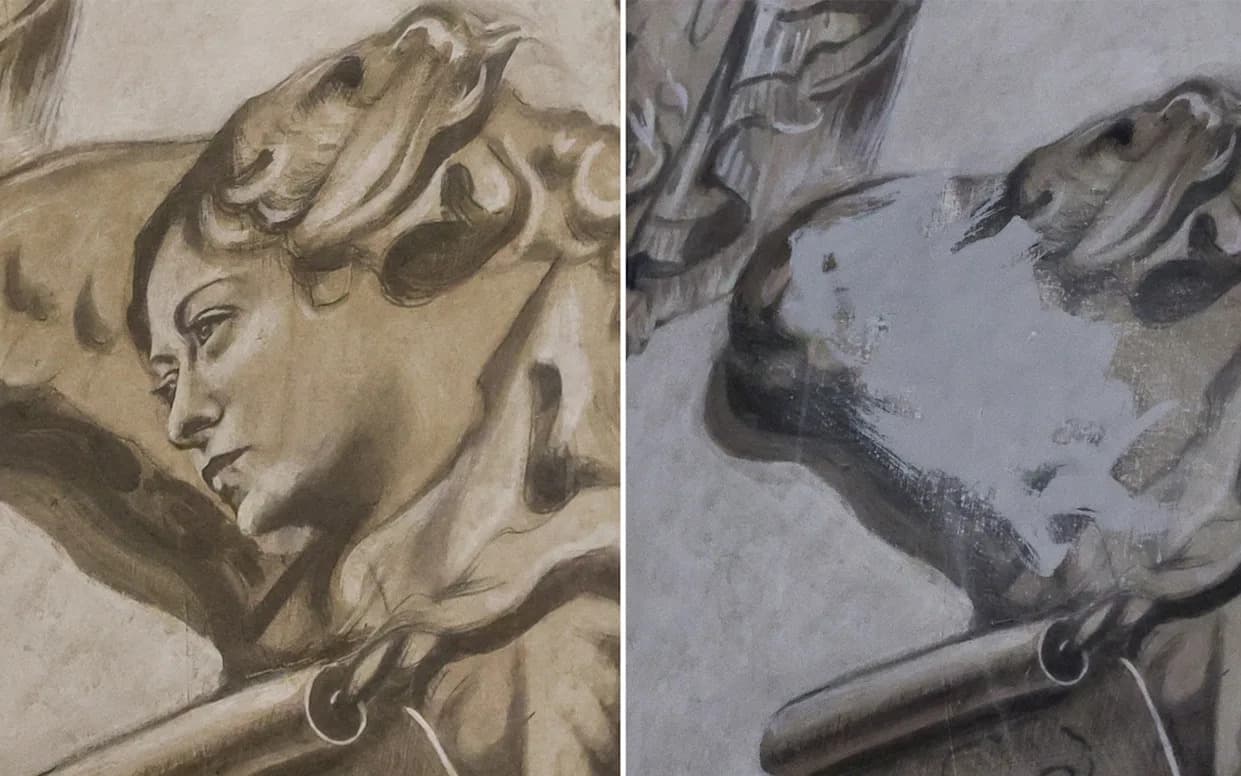
When tested, the system distinguished between "Raphael" and "not Raphael" with about 98% accuracy on the validation set. Applying the model to Madonna Della Rosa as a whole produced inconclusive results, so the team analyzed the painting in sections — isolating the individual faces for a more granular test.
Face-by-Face Results
The AI judged the faces of the Madonna, the Christ Child and the infant St. John to be consistent with Raphael’s technique. In contrast, the face of St. Joseph was flagged as almost certainly not by Raphael’s hand. The model cannot identify a specific alternative painter, but the result supports long-standing scholarly suspicions that a member of Raphael’s workshop — often suggested candidates include Giulio Romano or Gianfrancesco Penni — may have executed that portion of the painting.
Ugail and colleagues argue that computational methods can reveal stylistic features at a level of granularity beyond unaided visual inspection and can be integrated with other lines of evidence for stronger attributions.
Context and Caveats
It is important to stress that computational analysis is one piece of the attribution puzzle. Full authentication typically combines provenance research, pigment and material analysis, condition reports, iconographic study and connoisseurship in color and composition. In previous work, Ugail's team used similar AI methods to support the attribution of another Madonna, and those findings aligned with scientific pigment analysis.
While the new transfer-learning model provides strong evidence that St. Joseph’s face was likely painted by a pupil rather than Raphael himself, it does not definitively name the assistant. The study does, however, illustrate how AI can complement traditional art-historical methods and help resolve long-standing questions about authorship.
Looking Ahead
The researchers recommend applying this approach to a wider range of artists and integrating computational results with conventional scientific and archival techniques to increase robustness and confidence in attributions.
Help us improve.