Pope Leo XIV cautioned that AI chatbots engineered to appear affectionate can create unhealthy emotional dependencies and undermine human creativity and autonomous decision‑making. He urged governments and international bodies to regulate conversational AI, require clear labeling of AI‑generated content, and protect journalists’ authorship. The pope also warned about the concentrated power of a few companies shaping AI systems and emphasized the need to preserve human dignity in digital communication.
Pope Leo XIV Warns Against 'Overly Affectionate' AI Chatbots, Urges Regulation to Protect Emotional Well‑Being
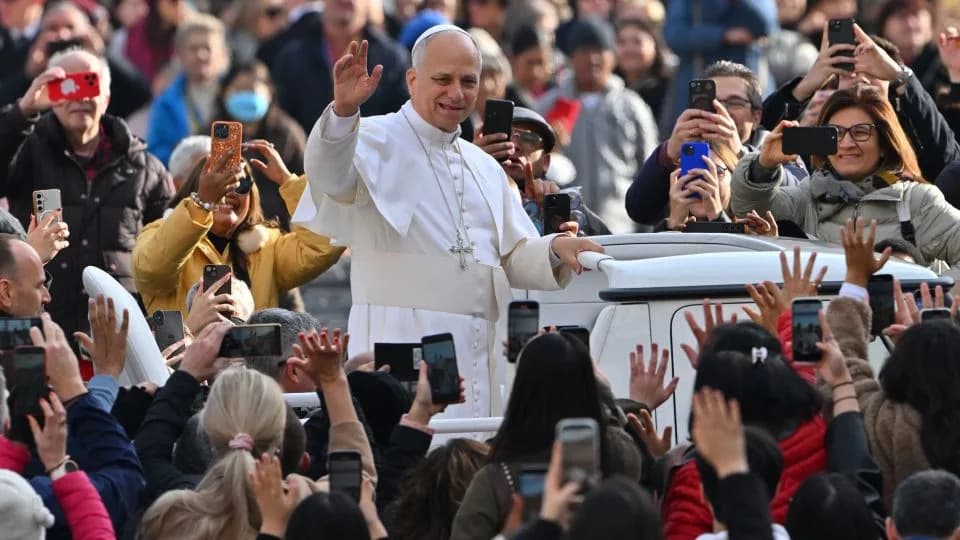
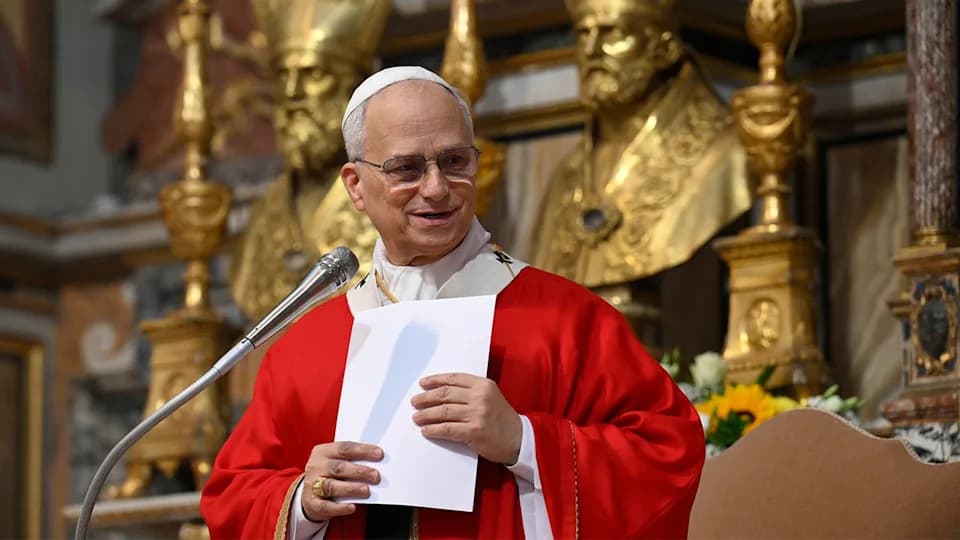
Pope Leo XIV, pictured in St. Peter's Square on December 20, 2025, said artificial intelligence risked diluting human creativity and decision-making. - Andreas Solaro/AFP/Getty Images
Pope Leo XIV has sounded a stark warning about conversational artificial intelligence that mimics affection, arguing that chatbots designed to be emotionally engaging can foster unhealthy attachments and erode human creativity and decision‑making. The US‑born pontiff made his remarks in a message published ahead of the Catholic Church’s World Day of Social Communications.
Affectionate Chatbots and Emotional Risk
“As we scroll through our information feeds, it becomes increasingly difficult to understand whether we are interacting with other human beings, bots, or virtual influencers,” Pope Leo wrote. He added that chatbots engineered to seem overly “affectionate,” together with their constant availability, can become “hidden architects” of people’s emotional lives and thereby invade intimate spheres.
“Appropriate regulation can protect people from an emotional attachment to chatbots and contain the spread of false, manipulative or misleading content, preserving the integrity of information against its deceptive simulation.”
Pope’s Digital Engagement and Policy Priorities
Compared with some predecessors, Leo XIV has been notably engaged with the digital world: he maintained an X account as a bishop and cardinal and is frequently seen wearing what appears to be a smartwatch. Early in his pontificate he identified artificial intelligence as a priority and called for an ethical framework to guide its development.
Human Cost and a Personal Meeting
The pope referenced a meeting late in 2025 with Megan Garcia, whose 14‑year‑old son, Sewell Setzer, died by suicide after interactions with an AI chatbot. That encounter underscored the real human harms that can accompany unregulated AI relationships, Leo said, and strengthened his call for safeguards.
Transparency, Authorship and Corporate Concentration
Leo urged governments and international bodies to require clear labeling of AI‑generated material so audiences can distinguish machine output from human work. “Authorship and sovereign ownership of the work of journalists and other content creators must be protected,” he wrote, adding that information is a public good.
He also warned about the concentration of power in a “handful of companies,” referencing founders recently highlighted as Time’s Person of the Year 2025, and said it is troubling that a small group can shape algorithms that influence behavior and potentially rewrite human—and Church—history without broad public awareness.
Call To Ethical Media Practices
Leo urged media and communications companies not to sacrifice professional values for “a few more seconds of attention” driven by algorithmic tactics. His message calls for both industry self‑restraint and external regulation to preserve dignity, truth and human agency.
The Catholic Church’s World Day of Social Communications will be observed on May 17, 2026, with a theme centered on protecting human dignity amid rapid technological change.
Help us improve.