The Chernobyl Exclusion Zone has become a long-term natural laboratory for studying radiation effects. Eastern tree frogs there show darker skin from increased melanin, which may absorb and dissipate radiation and improve survival. A review in Dose-Response compares this visible adaptation with cellular resilience reported in humans living in high natural-radiation areas such as Ramsar, Iran. Studying these diverse adaptations may advance radiobiology and space medicine, while noting that radiation risks still depend on dose and context.
Chernobyl Frogs Turn Darker — And Their Adaptation Mirrors Surprising Radiation Resilience in People
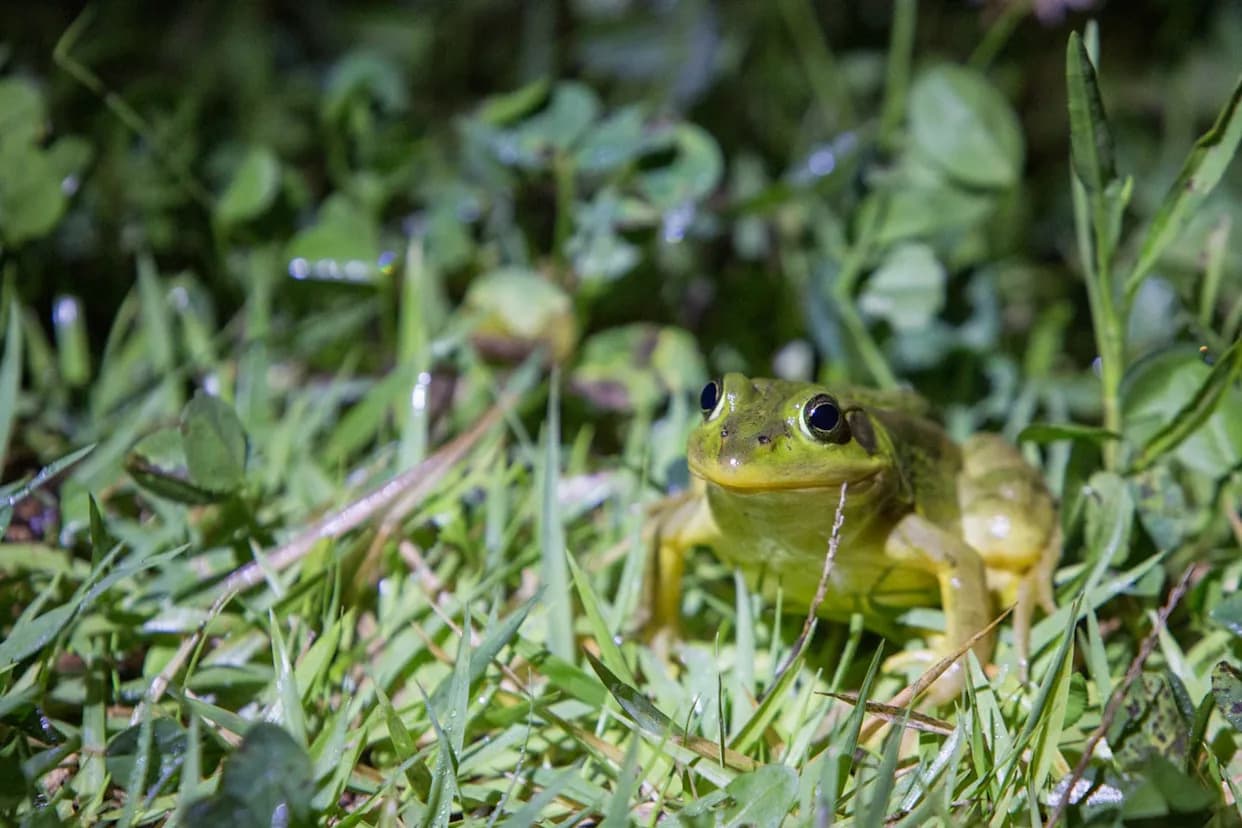
Frogs at Chernobyl Are Getting Darker in Real Timenerv1818 / Imazins - Getty Images
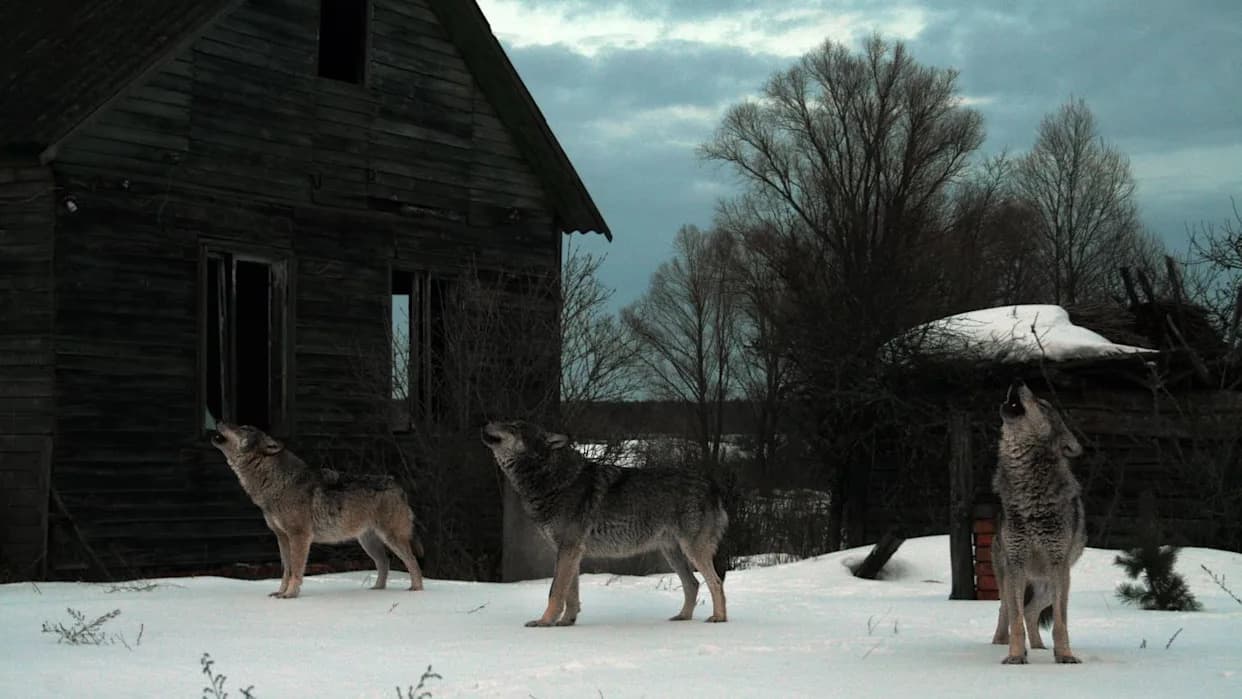
Researchers studying the long-term ecological aftermath of the 1986 Chernobyl nuclear accident have documented striking changes in wildlife within the Chernobyl Exclusion Zone (CEZ). Among the most visible is the Eastern tree frog (Hyla orientalis), which now often displays markedly darker skin than frogs living outside the CEZ—a change linked to increased melanin that may help mitigate radiation damage.
A Living Laboratory
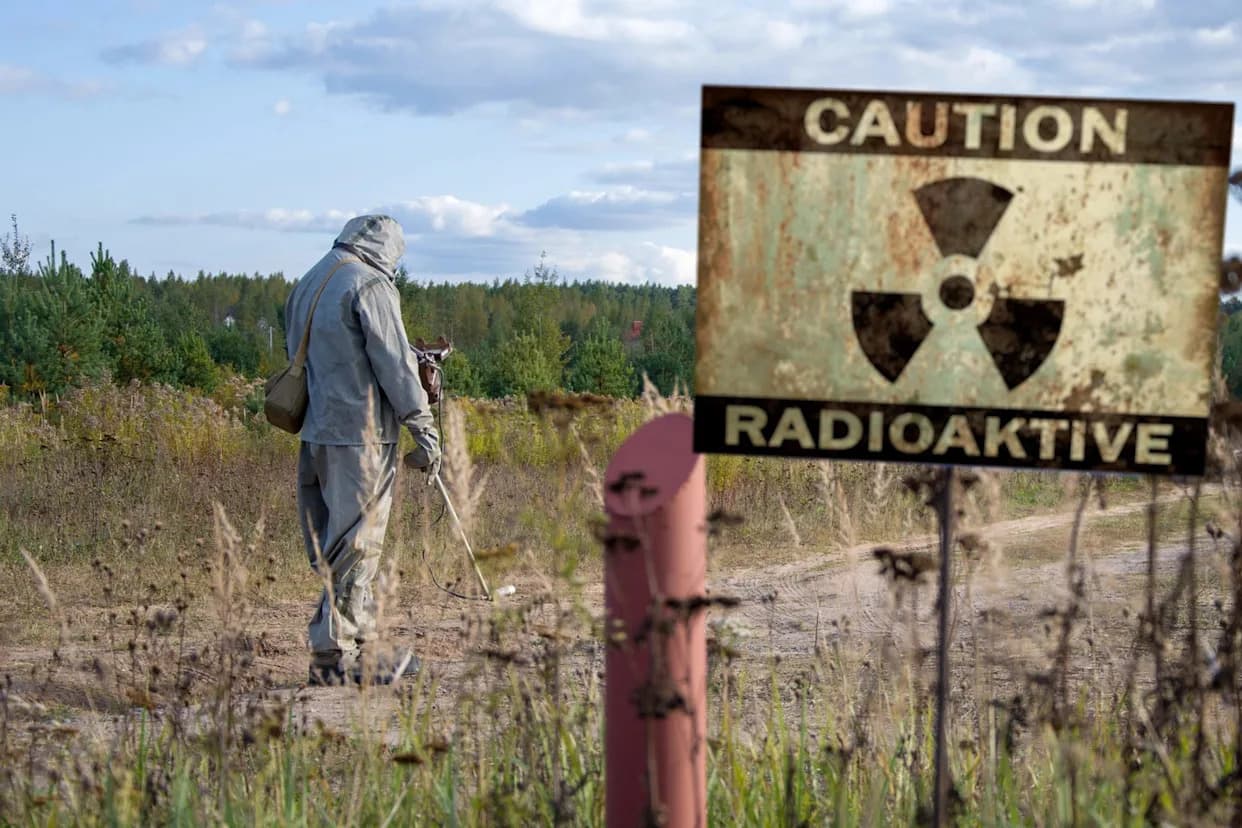
When reactor No. 4 failed on April 26, 1986, the accident caused massive environmental contamination and large economic and human costs. Over the following months, years and decades, the CEZ evolved into a unique, if tragic, long-term study site for how chronic radiation exposure affects organisms across generations.
Frogs: Darker Skin, Possible Advantage
Scientists have examined a wide range of species and endpoints in the CEZ: nematode mutation rates, bird population trends, Scots pine growth, vole cell responses, radiation-resistant fungi, and more. One of the most conspicuous changes is the increased skin pigmentation observed in Eastern tree frogs. A 2022 study found that these frogs produce more melanin; that pigment can absorb and dissipate some forms of radiation damage, which may have improved survival and reproductive success in contaminated areas.
"The dark frogs would have survived the radiation better and reproduced more successfully," two authors of the 2022 study wrote in The Conversation. "More than ten generations of frogs have passed since the accident and a classic, although very fast, process of natural selection may explain why these dark frogs are now the dominant type for the species within the Chernobyl Exclusion Zone."
Parallel Adaptations in Human Populations
The frog findings led researchers to compare visible, external adaptations with cellular-level changes observed in humans living in naturally high-background radiation areas. One well-known example is Ramsar, Iran, where local geology produces pockets with extremely high natural radiation—some reports indicate levels approaching ~260 mSv per year in hotspots, far above common occupational limits (~20 mSv/year).
Surprisingly, a 2002 study of residents in those high-radiation pockets reported fewer chromosomal aberrations compared with control groups and evidence of enhanced DNA repair activity in their cells. Similar adaptive or tolerant responses have been reported in other high-background areas such as Kerala, India, and Guarapari, Brazil.
What This Means
Researchers argue these examples illustrate diverse strategies organisms use to cope with radiation stress: humans in high-background areas appear to show internal, cellular mechanisms of resilience, while Chernobyl frogs exhibit a clear, external pigment-based defense. Together they suggest an underlying biological capacity for adaptation that could inform radiobiology, public health, and space medicine.
Note: While these findings highlight resilience and adaptation, they do not imply that radiation exposure is harmless. Effects vary by dose, duration, species, and many other factors. Continued, careful research is needed to understand mechanisms, trade-offs, and long-term consequences.
Help us improve.